

Enhancing your potted plants with earthworms can boost soil quality and plant vitality. They aid in soil aeration, drainage, and nutrient release. Yet, be cautious of risks like temperature sensitivity and overwatering. Consider alternatives like compost, perlite, or vermicompost. These support plant growth and soil health without the complexities of adding live earthworms. Make an informed decision after weighing the benefits and risks to ensure the best care for your potted plants.
Benefits of Adding Earthworms
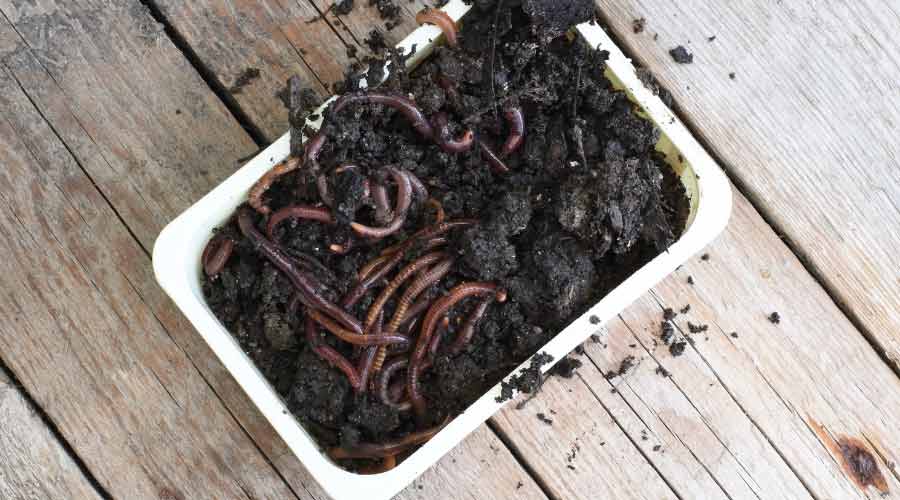
Adding earthworms to your potted plants can significantly enhance soil quality and plant growth. Earthworms play a crucial role in improving soil aeration, allowing roots to breathe and grow more robustly. By burrowing through the soil, they create channels that enhance drainage and prevent waterlogging, which can be detrimental to plant health. Additionally, earthworms aid in breaking down organic matter, such as dead leaves and plant debris, releasing essential nutrients that become more readily available to your plants. This process not only enriches the soil but also boosts plant vitality by providing a nutrient-rich environment for growth.
Furthermore, the presence of earthworms helps reduce soil compaction, which can impede root development. Their castings, a natural byproduct of their digestion process, are rich in nutrients and beneficial microbes that further enhance soil fertility. Overall, incorporating earthworms into your potted plants offers a sustainable and eco-friendly method to improve plant health and productivity.
Risks of Adding Earthworms

When considering the introduction of earthworms into your potted plants, it is important to be aware of the potential risks associated with this practice.
- Temperature Fluctuations: Worms can suffer in elevated planters due to extreme temperature changes, which may harm their health and overall well-being.
- Dry Soil Conditions: Earthworms are at risk of death in potted plants with dry soil, as they require a moist environment to thrive.
- Overwatering: Excessive watering can lead to drowning of earthworms, posing a threat to their survival within the confined space of a pot.
- Limited Soil Volume: The constrained space in potted plants may not provide sufficient room or nutrients to support a healthy earthworm population, potentially leading to negative impacts on the soil ecosystem.
Understanding these risks can help you make an informed decision about whether adding earthworms to your potted plants is the right choice for your gardening needs.
Alternate Soil Enhancement Methods
You can explore different soil amendments such as compost or peat moss as effective alternatives to adding earthworms for enhancing soil quality in potted plants. Mixing perlite or vermiculite into the soil can improve its structure and aeration without the need for live earthworms. Consider using liquid soil conditioners or repotting with fresh, well-draining soil as practical solutions to enhance soil health in your potted plants without relying on earthworms.
:strip_icc()/Peat-Moss-2-83eb6d562b6e43a68e77e359db7dba33.jpg)
Different Soil Amendments
Incorporating various soil amendments can significantly enhance the quality of soil in potted plants. When looking to improve your potted plant’s soil, consider the following options:
- Vermicompost: Utilizing vermicompost can serve as a suitable alternative to physically adding live earthworms to your potting soil, offering similar benefits in terms of soil enrichment.
- Organic Matter: Incorporating compost or peat moss into your potting mix can enhance soil structure, providing essential nutrients and promoting better root growth.
- Perlite or Vermiculite: Mixing perlite or vermiculite into your potting soil can enhance soil aeration and drainage, preventing issues like waterlogging.
- Liquid Soil Conditioners: Liquid soil conditioners can be effective in addressing problems of compacted soil in potted plants, improving overall soil quality for better plant growth.
Organic Fertilizer Options

Enhancing the soil in potted plants can be effectively achieved through the use of organic fertilizer options, providing essential nutrients and promoting healthy plant growth. Organic options such as worm castings, compost, and fish emulsion offer a sustainable approach to soil enhancement. Worm castings, also known as vermicompost, are nutrient-rich organic fertilizers produced by earthworms. They not only provide essential nutrients but also improve soil structure, supporting healthy root development. These organic fertilizers promote beneficial microbial activity in the soil, aiding in the availability of nutrients for plant uptake. By choosing organic alternatives over chemical fertilizers, you can support plant growth while being environmentally friendly and sustainable. Incorporating worm castings into your potted plants can be a practical and effective way to nourish your plants and enhance the overall health of the soil.
Beneficial Microbes Introduction
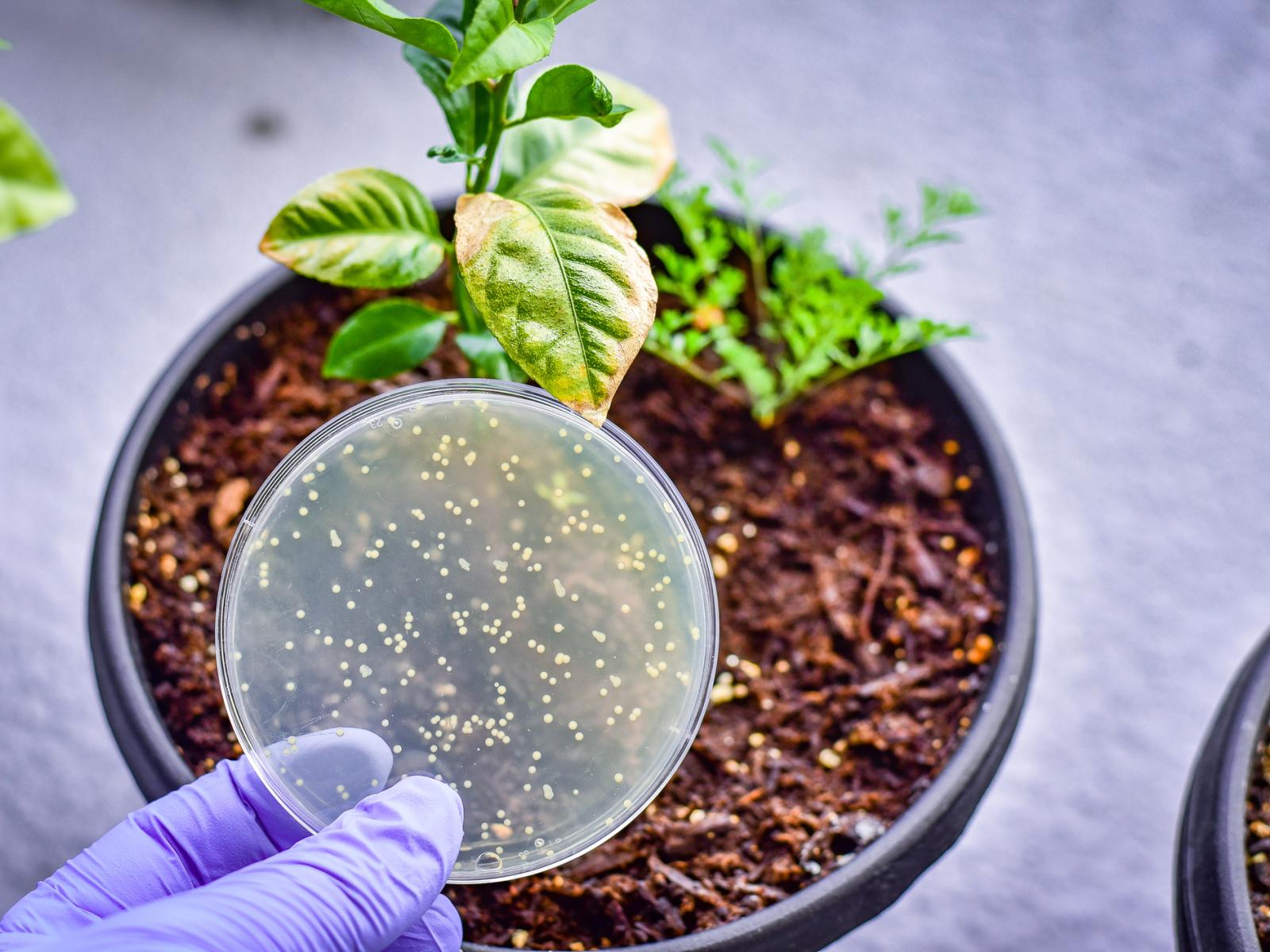
Introducing beneficial microbes to potted plants can significantly enhance soil health and promote optimal plant growth in a natural and sustainable manner. These tiny organisms play a crucial role in maintaining a balanced soil ecosystem by breaking down organic matter, releasing essential nutrients, and suppressing harmful pathogens. By improving soil structure, water retention, and nutrient availability, beneficial microbes create a favorable environment for healthier and more robust plants to thrive.
- Beneficial microbes break down organic matter
- They release nutrients for plant uptake
- These microbes suppress harmful pathogens in the soil
- They improve soil structure and water retention
Methods such as composting, mulching, and using microbial inoculants are effective ways to introduce diverse microbial populations to potted plants. By incorporating these beneficial microbes, you can create a flourishing soil ecosystem that supports optimal plant growth naturally.
Earthworms in Well-Draining Soil

You’ll find that earthworms thrive in well-draining soil due to the optimal moisture levels it provides. The proper drainage in such soil prevents waterlogging, a condition that can be detrimental to earthworms. This environment not only supports earthworm activity but also improves nutrient breakdown, enhancing the overall health of your potted plants.
Soil Drainage Benefits
Earthworms in potted plants contribute significantly to soil drainage by creating channels that facilitate efficient water flow. Their presence enhances aeration in well-draining soil, prevents waterlogging, and promotes root health. Here’s how earthworms benefit soil drainage:
- Efficient Water Flow: Earthworm burrows allow excess water to drain out more effectively, reducing the risk of waterlogging.
- Improved Aeration: Their activities enhance soil aeration, ensuring roots receive oxygen and nutrients for optimal growth.
- Root Health Promotion: By preventing waterlogging, earthworms help maintain healthy root systems, reducing the chances of root rot and fungal diseases.
- Plant Health Benefits: Well-draining soil with earthworms fosters overall plant health by regulating moisture levels and facilitating nutrient uptake.
Incorporating earthworms into potted plants can significantly improve soil drainage, create a healthier environment for roots, and ultimately promote the well-being of your plants.
Earthworm Activity Enhancement
In well-draining soil with optimal moisture levels, earthworm activity is significantly enhanced. Well-draining soil provides earthworms with the ideal environment for movement and burrowing, allowing them to aerate the soil effectively. This promotes a healthy ecosystem underground and aids in nutrient circulation within the soil.
To further illustrate the importance of well-draining soil for earthworm activity enhancement, consider the following table:
| Benefits of Well-Draining Soil for Earthworms | |||
|---|---|---|---|
| Enhanced Earthworm Activity | Optimal Moisture Levels | Effective Burrowing for Aeration | Rapid Excess Water Drainage |
| Allows earthworms to move freely and thrive | Ensures soil moisture is ideal | Facilitates air circulation in the soil | Prevents waterlogging and its effects |
Maintaining well-draining soil not only creates a conducive environment for earthworms but also helps in managing excess water effectively, preventing potential harm to these beneficial creatures.

Nutrient Breakdown Improvement
Enhancing nutrient breakdown in potted plants can be achieved by introducing earthworms into well-draining soil, where their digestive process transforms organic matter into valuable castings that benefit plant growth. Earthworms play a crucial role in improving soil fertility and the overall health of potted plants through their remarkable abilities. Here’s how they contribute to nutrient breakdown improvement:
- Organic Matter Digestion: Earthworms break down organic matter effectively, converting it into nutrient-rich castings that enrich the soil.
- Enhanced Soil Structure: Their activity helps aerate the soil, creating pathways for roots to access essential nutrients more efficiently.
- Promotion of Soil Fertility: The nutrient-rich castings produced by earthworms enhance the soil’s fertility, providing plants with vital nutrients for growth.
- Root System Support: Improved soil structure resulting from earthworm activity fosters healthy root development, supporting robust plant growth in potted environments.
Incorporating earthworms into well-draining soil can be a practical and effective strategy to boost nutrient breakdown and enhance the overall health of potted plants.
Earthworms in Controlled Environments

When incorporating earthworms in controlled environments like potted plants, consider the challenges posed by limited space and artificial conditions. Soil temperature fluctuations in containers can impact earthworm survival, while overwatering may lead to soil saturation, harming the earthworms. Moreover, the lack of beneficial microbe associations in artificial environments could affect earthworm health in these confined spaces. Elevated planters, although aesthetically pleasing, may not provide the suitable soil volume or conditions necessary for earthworms to thrive. Below is a table illustrating the key challenges faced by earthworms in potted plants within controlled environments:
| Challenge | Description | Impact |
|---|---|---|
| Limited Space | Constricted area for earthworm movement and reproduction. | Reduced population growth and activity. |
| Artificial Conditions | Absence of natural habitat elements such as organic matter and beneficial microbes. | Decreased soil quality and health. |
| Soil Saturation | Overwatering leading to excessive moisture retention in the soil. | Decreased oxygen levels affecting worms. |
| Lack of Microbe Associations | Insufficient beneficial microorganisms for symbiotic relationships essential for worm health. | Weakened immune systems and digestion. |
Considerations for Indoor Plants
To ensure the successful integration of earthworms into indoor plants, prioritize environmental factors like space constraints and soil composition. When considering adding earthworms to your indoor plants, it is essential to take into account the following key considerations:
- Moisture Levels: Monitoring the moisture levels in the soil is crucial to prevent overwatering, which can have adverse effects on earthworms in potted plants.
- Soil Types: Choosing appropriate soil types that support earthworm activity is vital for their survival in indoor plant containers.
- Escape Routes: Minimizing escape routes for earthworms is important to prevent them from migrating out of the pots and facing difficulties in returning.
- Organic Matter: Indoor plants grown in peat or coir-based soil may lack sufficient organic matter to sustain earthworm populations effectively.

Seasonal Considerations for Earthworms
Seasonal changes significantly impact the behavior and reproductive patterns of earthworms, influencing their activity levels throughout the year. Earthworms thrive in moist conditions, with spring and fall providing optimal conditions for their activity. During winter, earthworm activity decreases as temperatures drop below 40 degrees Fahrenheit, causing them to burrow deeper into the soil to survive. In contrast, warmer temperatures above 90 degrees Fahrenheit can stress and harm earthworms, affecting their overall health and reproduction rates. To support earthworm health, adjusting care practices based on seasonal variations is crucial. It is essential to consider temperature fluctuations and provide adequate moisture levels to create a favorable environment for earthworms year-round. By understanding how seasonal changes impact earthworms and adapting care practices accordingly, you can ensure the well-being and productivity of the earthworms in your potted plants.