

Utilizing vegetable water on plants offers numerous benefits. It provides essential nutrients like phosphorus, nitrogen, and calcium, aiding in plant resilience and growth. This water enhances root development and foliage lushness. Moreover, it enhances soil fertility and supports beneficial microbial activity, ensuring robust root systems. By supplying vital nutrients, it increases plant resilience and disease resistance, plus reduces watering needs by retaining soil moisture. This eco-friendly practice reduces dependency on chemical fertilizers, supporting sustainable gardening while bringing significant cost savings on fertilizers. Embrace vegetable water to nurture your plants effectively and sustainably.
Boosts Plant Growth

Using vegetable water as a natural fertilizer actively enhances plant growth by providing essential micronutrients for optimal development. When watering plants with vegetable water, you are not only hydrating them but also delivering crucial elements such as phosphorus, nitrogen, and calcium. These micronutrients play a vital role in promoting healthy plant growth, ensuring that your plants thrive and reach their full potential.
The practice of using vegetable water on plants goes beyond basic hydration. By incorporating these essential nutrients into the soil, you are boosting soil health and creating an environment that is conducive to robust plant growth. This process enhances nutrient absorption, allowing plants to efficiently take up the necessary components for their development.
Recycling vegetable water for your plants is not only a sustainable gardening practice but also a cost-effective one. By reducing the need for commercial fertilizers, you are not only saving money but also contributing to a more eco-friendly way of nourishing your garden or indoor plants.
Enhances Nutrient Uptake
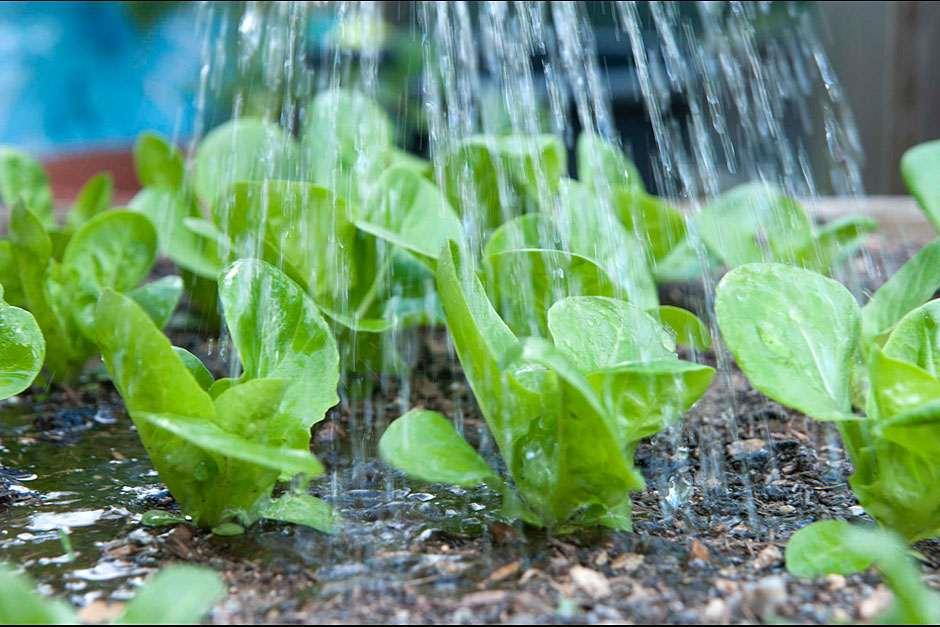
Enhancing nutrient uptake in plants is a crucial aspect of utilizing vegetable water as a natural fertilizer. Vegetable water contains vital nutrients like nitrogen, phosphorus, and potassium that plants need for healthy growth. When you water your plants with vegetable water, these essential nutrients are readily absorbed by the roots, promoting stronger root development and lush foliage.
The minerals and vitamins present in vegetable water from cooking processes act as a natural and cost-effective fertilizer, providing plants with the necessary elements for optimal growth. By incorporating vegetable water into your plant care routine, you can ensure that your plants are receiving the nutrients they need to thrive.
Additionally, using vegetable water helps to maintain soil moisture levels, creating a conducive environment for nutrient uptake. This practice not only benefits individual plants but also contributes to overall soil health. By utilizing vegetable water, you can reduce the dependence on store-bought fertilizers and chemicals, promoting a more sustainable approach to plant care.
Improves Soil Fertility

To further optimize plant growth and health, the utilization of vegetable water can significantly enhance soil fertility through its rich nutrient content and support of beneficial microbial activity. Watering plants with nutrient-rich vegetable water provides essential elements like phosphorus, nitrogen, and potassium, which are vital for soil fertility. These nutrients not only enrich the soil but also promote healthy microbial populations essential for nutrient cycling and plant growth.
Regularly incorporating vegetable water as a natural fertilizer can help plants establish robust root systems, improving their nutrient absorption capabilities. Additionally, the organic matter present in vegetable water aids in maintaining soil structure and moisture levels, creating an optimal environment for plant growth. Over time, the consistent use of vegetable water can increase soil organic matter content, contributing to long-term soil fertility and sustainability. By harnessing the benefits of vegetable water, you can enhance the overall health and productivity of your plants while improving the fertility of your soil.
Increases Plant Resilience

Vegetable water significantly boosts plant resilience by supplying essential nutrients crucial for robust root development and healthy foliage. This leads to plants being better equipped to withstand various environmental stressors and adversities. Here’s how vegetable water enhances plant resilience:
- Nutrient Supply: The phosphorus and nitrogen present in vegetable water play a vital role in fortifying plants against external threats. These nutrients contribute to the overall health and strength of the plant, making it more resilient to diseases and pest attacks.
- Stronger Roots: The micronutrients found in vegetable water aid in the development of strong and deep roots. This strong root system enhances the plant’s ability to access water and nutrients from the soil, improving its resilience to drought conditions and other challenges.
- Enhanced Soil Health: Vegetable water promotes natural nutrient storage in the soil, creating a nutrient-rich environment that supports plant growth and resilience. This increased soil fertility contributes to the overall well-being of the plant, making it more resistant to unfavorable conditions.
Reduces Watering Frequency
Using vegetable water on your plants can help reduce the frequency of watering needed. The moisture retention properties of vegetable water help keep the soil hydrated for longer periods. This practice not only saves water but also contributes to the overall health and resilience of your plants.
Water Conservation Benefits
Minimize the frequency of watering required for your plants by incorporating vegetable water into your watering routine. Water conservation benefits arise from this practice due to the following reasons:
- Promotes Soil Moisture Retention: Watering plants with vegetable water helps retain moisture in the soil, reducing the need for frequent watering sessions. This leads to a more sustainable water usage pattern in your gardening routine.
- Maximizes Nutrient Absorption: Vegetable water contains essential nutrients that aid in the optimal growth of plants. By using this water, you enhance the absorption of these nutrients by the plants, ensuring they receive the required nourishment without excessive watering.
- Reduces Fertilization Needs: The micronutrients present in vegetable water, such as phosphorus and nitrogen, supplement the plant’s nutrient requirements. This reduces the necessity for additional fertilization, contributing to water conservation efforts in your gardening practices.
Incorporating vegetable water into your watering routine not only benefits your plants but also serves as an environmentally friendly approach towards water conservation.
Improved Plant Health

Watering plants with vegetable water not only enhances plant health by providing essential micronutrients but also contributes to reducing the frequency of watering required for optimal growth. Plants need a range of nutrients like phosphorus, nitrogen, and calcium to thrive, and vegetable water delivers these essential elements effectively. By incorporating vegetable water into your plant care routine, you are ensuring that your plants receive the necessary nutrients for robust growth. This practice not only supports the overall health of your plants but also aids in reducing the need for frequent watering. Vegetable water promotes soil moisture retention, allowing plants to access water more efficiently and decreasing the frequency of watering sessions. Additionally, this method serves as a cost-effective and sustainable way to fertilize your plants, supporting their development while minimizing the environmental impact of excessive water usage. Embracing the use of vegetable water is a simple yet powerful way to enhance plant health and reduce watering frequency.
Minimizes Plant Stress
Using vegetable water on your plants can significantly reduce stress by providing essential nutrients such as phosphorus and nitrogen, promoting healthy growth. This natural irrigation method not only supports plant health but also reduces the reliance on synthetic fertilizers. By enhancing soil quality and moisture retention, vegetable water helps plants thrive even during dry spells, ensuring they stay healthy and vibrant.
Stress Reduction
The incorporation of vegetable water into your plant care routine can significantly enhance stress resilience and promote overall growth. Water from boiling vegetables contains valuable nutrients that play a crucial role in reducing stress and improving plant health. Here are three ways vegetable water aids in stress reduction:
- Nutrient Support: The nutrients present in vegetable water provide essential elements that support plant resilience. These nutrients help the plant combat stressors and maintain its health even in challenging conditions.
- Environmental Stress Resistance: Using vegetable water on plants reduces their susceptibility to environmental stressors. By enhancing the plant’s ability to adapt and thrive, vegetable water contributes to stress reduction significantly.
- Promotes Growth: Vegetable water not only minimizes stress effects but also promotes growth. The nutrients in vegetable water aid in plant development, leading to healthier and more robust growth over time.
Improved Plant Health

Vegetable water application enhances plant health by supplying essential nutrients that help minimize stress and support overall vitality. Watering plants with vegetable water aids in promoting plant growth by providing crucial elements such as phosphorus, nitrogen, and calcium. These nutrients play a vital role in bolstering plant health, leading to stronger roots and vibrant foliage. Additionally, the micronutrients present in vegetable water contribute to improved plant health, facilitating natural growth processes and reducing the reliance on chemical fertilizers. By utilizing vegetable water on plants, you can maintain optimal soil moisture levels, creating a conducive environment for roots to thrive. This process enables plants to absorb beneficial vitamins and minerals, resulting in enhanced overall plant health and vitality. Embracing the use of vegetable water in your plant care routine can significantly boost plant growth and ensure the well-being of your green companions.
Supports Sustainable Gardening
By utilizing water leftover from cooking vegetables, you can actively contribute to sustainable gardening practices. Vegetable water provides essential micronutrients such as phosphorus, nitrogen, and calcium that are crucial for promoting plant growth in a sustainable manner. Here are three ways in which using vegetable water supports sustainable gardening:
- Reduces Dependency on Chemical Fertilizers: Vegetable water serves as a natural and nutrient-rich alternative to chemical fertilizers, helping to lessen the reliance on synthetic products that can harm the environment.
- Cost-Effective Nutrient Source: Repurposing water from boiling vegetables offers a budget-friendly and resourceful method to supply plants with the necessary nutrients they need to thrive, without the need for expensive fertilizers.
- Promotes Soil Health and Moisture Retention: Recycling cooking water for plant care not only enriches the soil with micronutrients but also helps maintain optimal moisture levels, fostering healthy plant growth and overall soil health.
Saves Money on Fertilizers
Reusing vegetable water on plants can lead to significant savings on commercial fertilizers while still providing essential nutrients for healthy plant growth. When watering your plants with vegetable water, you are essentially feeding them with a natural and cost-effective fertilizer rich in micronutrients. This practice reduces the dependency on store-bought fertilizers, cutting down your gardening expenses in the long run.
Vegetable water contains phosphorus, nitrogen, and other vital nutrients crucial for promoting robust plant development. By incorporating this sustainable approach into your gardening routine, you not only contribute to a more eco-friendly environment but also ensure that your plants receive the necessary nourishment to thrive and flourish. The money saved on fertilizers can be redirected towards other aspects of your garden, enhancing overall plant health and vitality without compromising on nutrient quality. Embrace the practice of using vegetable water on your plants to witness substantial savings while fostering a greener and more sustainable gardening experience.