
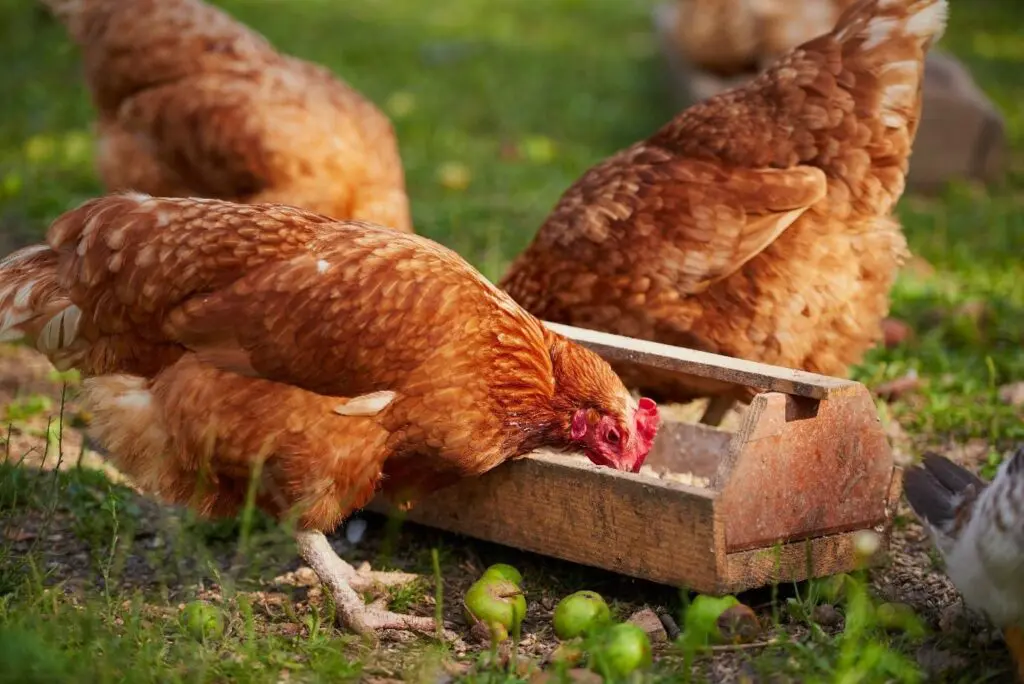
Chickens should avoid primarily eating rabbit food since it lacks vital nutrients like protein and calcium, possibly causing malnutrition and health issues. It’s crucial to supplement their diet appropriately to prevent deficiencies and support their well-being.
Rabbit Food Vs Chicken Feed
When comparing rabbit food to chicken feed, it is crucial to understand the significant differences in nutritional content and suitability for each animal’s dietary needs. Rabbit pellets are designed specifically for rabbits and lack essential nutrients like sufficient protein and calcium required by chickens. On the other hand, chicken feed is specially formulated to provide balanced nutrition, addressing the specific dietary requirements of chickens.
Feeding rabbit pellets as the main source of food for chickens can result in malnutrition due to the inadequate protein content. It is essential to remember that chickens should only be given rabbit pellets as an occasional treat, not as a staple in their diet. Additionally, baby chicks should never be fed rabbit pellets due to choking hazards and the distinct nutritional requirements they have during their development.
Understanding these differences between rabbit food and chicken feed is critical to ensuring the optimal health and well-being of both animals.
Nutritional Differences Between Rabbits and Chickens
Comparing the nutritional requirements of rabbits and chickens reveals significant differences in protein content and overall dietary needs. While rabbit pellets provide adequate nutrition for rabbits, they lack sufficient protein for the higher protein needs of chickens. Chickens require a diet with a higher protein content to support their growth, feather development, and egg production. Additionally, chicken feed is specially formulated to meet the balanced nutritional requirements of chickens, including essential vitamins and minerals that are not present in rabbit pellets.
Moreover, rabbit pellets are high in fiber and calcium, which can be harmful to chickens if consumed in excessive amounts. Feeding rabbit food to chickens as their primary source of nutrition can lead to malnutrition and various health issues. It is crucial to understand the different nutritional requirements of rabbits and chickens to ensure the optimal health and well-being of your poultry. Therefore, it is not advisable to substitute chicken feed with rabbit pellets, especially for young chicks who have specific nutritional needs for proper growth and development.

Risks of Feeding Rabbit Food to Chickens
Feeding rabbit food to chickens poses significant risks due to the lack of essential nutrients, particularly protein, necessary for their optimal health and development. Rabbit pellets, while suitable for rabbits, do not provide adequate protein content for adult chickens. Chickens require a diet rich in protein to maintain their health and meet their nutritional needs. Continued consumption of rabbit food may lead to nutritional deficiencies over time, impacting the overall well-being of the chickens.
To ensure that chickens receive the necessary nutrients, it is crucial to supplement their diet with appropriate chicken feed or other protein-rich sources such as bugs or eggs. While occasional consumption of rabbit food may not cause immediate harm, relying on it as the primary source of nutrition for chickens can result in health issues due to the insufficient protein content. Additionally, the fiber content in rabbit pellets may be challenging for the delicate digestive systems of young chicks to process effectively. Therefore, it is vital to provide chickens with a balanced diet tailored to their specific nutritional requirements.
How to Safely Incorporate Rabbit Food for Chickens
To safely incorporate rabbit food for chickens, it is important to introduce it gradually over a period of 2-3 weeks to prevent digestive issues. While rabbit pellets can be a source of vitamins and minerals for chickens, they should not replace their main diet. Limit the amount of rabbit pellets to a few per chicken as a supplemental treat rather than a staple food. Ensure that the chicken’s overall diet still provides enough protein and essential nutrients. Monitor your chickens closely for any signs of obesity or nutritional deficiencies that may arise from incorporating rabbit food into their diet. It’s advisable to consult a veterinarian for personalized guidance on how to safely feed rabbit pellets to your chickens. Remember to offer rabbit pellets as occasional treats to add variety to the chicken’s diet, ensuring that they continue to receive balanced nutrition from their primary feed.
Considerations for Baby Chicks and Rabbit Pellets
When raising baby chicks, it is crucial to prioritize their specific nutritional requirements over offering rabbit pellets. While rabbits can safely consume rabbit pellets, chickens are omnivores with different dietary needs. Rabbit pellets are formulated specifically for rabbits and may not provide the necessary nutrients for young chicks. Chicken feed is designed to meet the precise nutritional demands of growing chicks, offering the right balance of proteins, vitamins, and minerals essential for their development.
Rabbit pellets made for rabbits may contain higher levels of protein and calcium, which can be detrimental to the health of baby chicks. Additionally, the size and shape of rabbit pellets can pose a choking hazard for chicks, making them unsuitable for consumption. To ensure the optimal growth and well-being of your baby chicks, it is recommended to feed them a diet designed specifically for chickens. Providing appropriate nutrition is key to supporting the healthy development of your young poultry.