
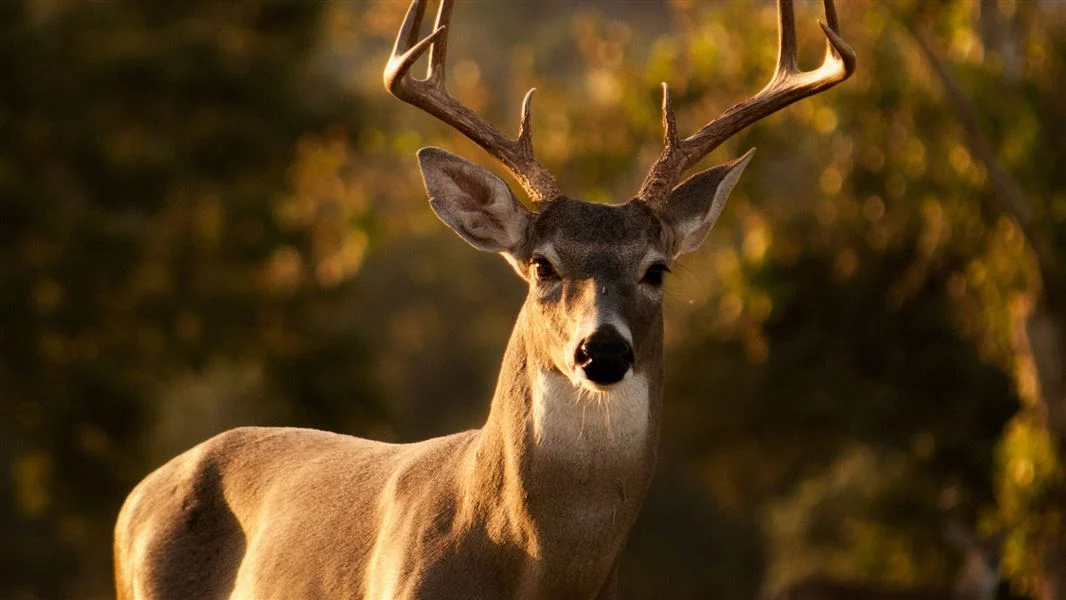
Deer, mainly herbivores, do eat meat at times. They might include birds, fish, or carrion in their diet. This behavior is seen as opportunistic and may help meet their nutritional needs, such as calcium. Studying these instances provides valuable insights into the deer’s diet and behavior. These observations challenge traditional views on deer diets and show their adaptability. So, if you want to discover more about deer’s diverse eating habits and evolutionary history, there’s a lot more to explore.
Deer’s Omnivorous Ancestors
Early deer species evolved from omnivorous ancestors that consumed insects, grubs, and small mammals alongside plants. This evolutionary background suggests that deer may have inherited certain omnivorous traits from their predecessors. The transition from consuming a varied diet of insects and small mammals to primarily feeding on plants indicates a shift towards herbivorous behavior in deer. The teeth structure of early deer species may have adapted over time to better suit a herbivorous diet, although remnants of their omnivorous past can still be observed in their behavior.
It is fascinating to consider how the adaptable diets of herbivores like deer have contributed to their survival in changing environments. The ability to consume both animal and plant matter likely provided early deer species with advantages in times of scarce vegetation or when alternative food sources were available. This historical background of omnivorous behavior in deer sheds light on the complex evolutionary strategies that have shaped their feeding habits over time.
Opportunistic Feeding Habits
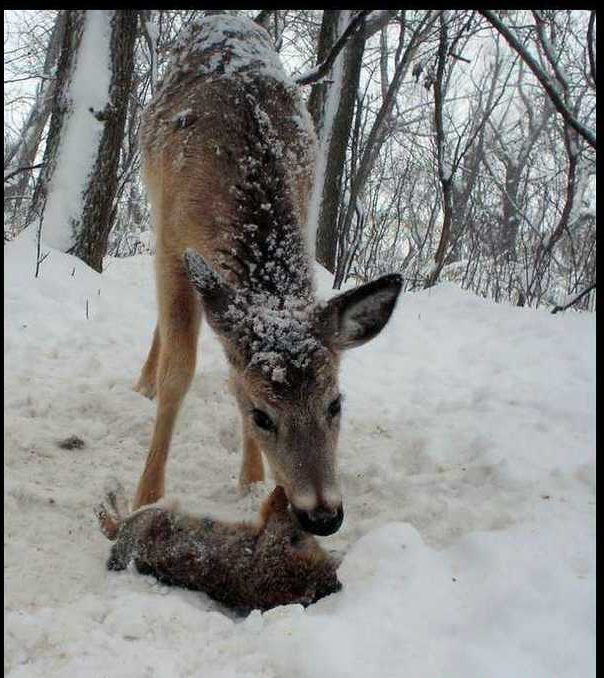
Deer exhibit opportunistic feeding habits, occasionally incorporating meat like birds, fish, and carrion into their herbivorous diets. Despite being classified as ruminants, animals with specialized stomachs for digesting plant matter, deer have been observed consuming meat. This behavior is not the norm for them but is seen as a way to supplement their diet when needed. Instances of deer eating meat, including bird eggs, small mammals, and even fish, have been documented, showcasing their adaptability. Biologists suggest that deer may turn to meat as a source of nutrients like calcium that may be lacking in their regular plant-based diet. This occasional shift in diet highlights the flexibility and opportunistic nature of deer when it comes to their feeding habits. Understanding these behaviors adds depth to our knowledge of deer’s dietary habits and how they adapt to different environmental conditions.
Nutritional Needs and Meat Consumption
Meat consumption can offer valuable insights into the nutritional needs and behavior of deer. While deer are primarily herbivores, there have been observations of them consuming meat, potentially to supplement their dietary requirements. One key nutrient that deer may seek from meat is calcium, crucial for bone health and muscle function. Biologists have documented instances of deer eating birds, small mammals, and even scavenging carcasses for additional nutrients, indicating a potential need for specific dietary components not readily available in their herbivorous diet.
Understanding deer’s behavior towards meat consumption can shed light on their nutritional requirements and how they adapt to environmental challenges. These observations suggest that deer may have evolved to be opportunistic feeders, capable of adjusting their diet to meet essential nutrient needs. While meat consumption by deer is not a common occurrence, it highlights the complexity of their dietary habits and the importance of diverse food sources in maintaining their overall health and well-being.
Evolutionary History of Deer Diet
Throughout their evolutionary history, deer have demonstrated a dietary flexibility that encompassed a range of food sources, including insects, grubs, small mammals, and plant matter. The evolutionary past of deer reveals an omnivorous behavior, suggesting a remarkable dietary adaptability. Early deer species were not solely herbivorous but also consumed insects, grubs, and even small mammals. This omnivorous behavior allowed deer to adjust their diet according to environmental conditions, showcasing their ability to survive in diverse habitats. The inclusion of meat in their diet provided additional nutrients and energy sources, aiding in their evolutionary development and success. Deer’s ability to consume both plant matter and meat showcases their adaptability and resilience to changing food availability. This evolutionary history sheds light on the dietary preferences and behaviors of modern deer species, highlighting the importance of understanding their past to comprehend their current dietary habits and ecological roles.
Observations of Deer Eating Meat
The documented instances of deer consuming meat, such as birds, fish, and carrion, provide valuable insights into their dietary behaviors and nutritional requirements. While deer are primarily known as herbivores, these observations challenge the traditional understanding of their diet. Videos and images capturing deer eating various types of meat underscore their occasional carnivorous behavior. Biologists speculate that deer may turn to meat sources to supplement their calcium levels, especially during specific times of the year. This behavior showcases the dietary flexibility of deer and suggests that their nutritional needs might be more diverse than previously assumed. By exploring these instances of deer consuming animals like birds, fish, and carrion, researchers gain a deeper understanding of the factors influencing deer food sources and the potential reasons behind their occasional forays into the meat-eating habits observed across the animal kingdom, including even human interactions with wildlife.