
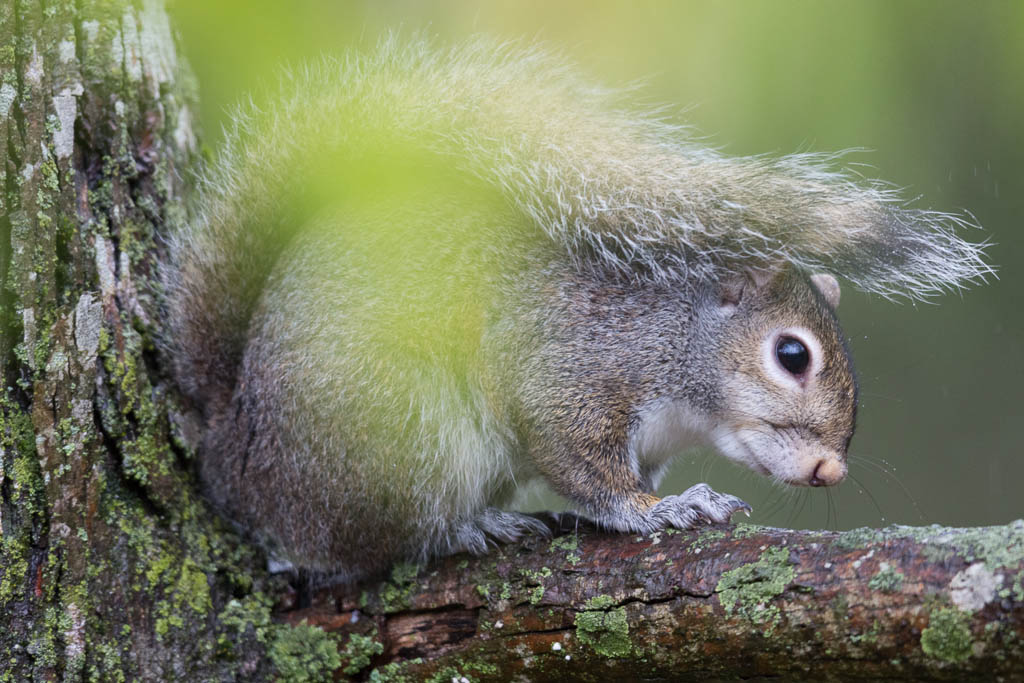
Squirrels do come out in the rain, showing interesting behaviors based on precipitation levels. They venture out in light rain for food, using their tails “umbrellas” and caution in heavy rain. Seeking shelter in hollow trees or man-made structures, they adapt to changing weather conditions. Young squirrels face risks like drowning, highlighting the importance of nest selection. Understanding squirrel behavior aids in conservation efforts, emphasizing habitat protection and shelter provision. Observing squirrels in rain reveals their resourcefulness and adaptability. Explore more about squirrel behaviors in rainy weather to gain deeper insights into their fascinating adaptations.
Squirrel Behavior in Rainy Weather
During rainy weather, squirrels display various adaptive behaviors to navigate the challenges of precipitation. When it starts to rain, squirrels may venture out for food opportunities in light rain but prefer to take cover during heavy downpours or thunderstorms. They cleverly utilize their bushy tails as umbrellas, holding them over their bodies to shield themselves from the rain. Seeking shelter under roof overhangs or in tree branches, squirrels avoid getting drenched in heavy rain.
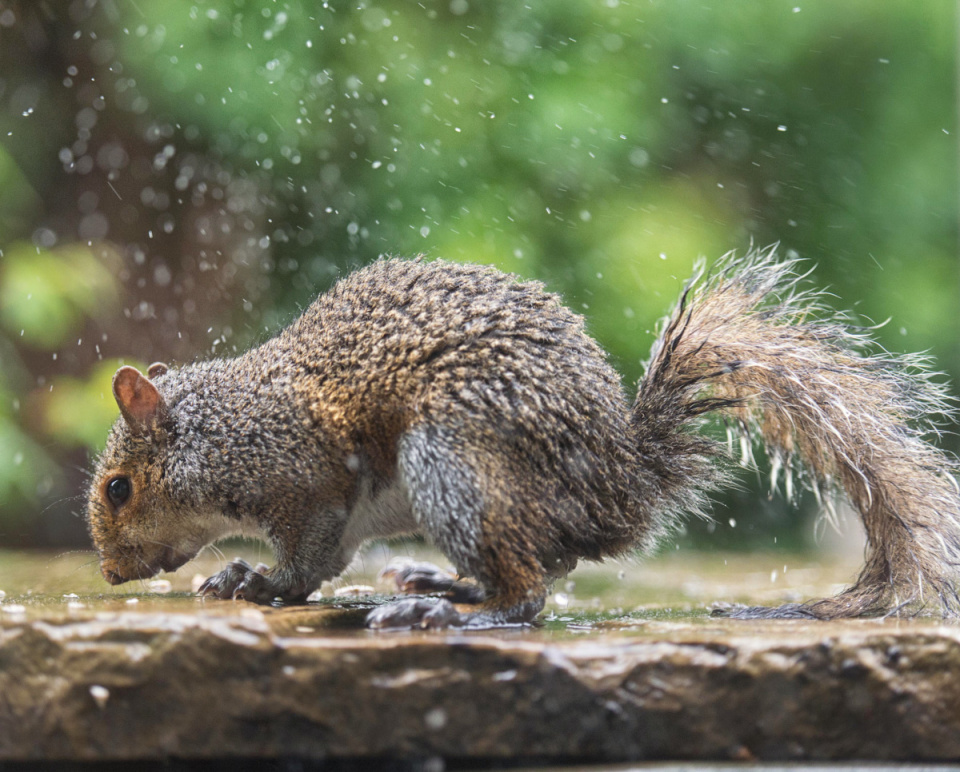
Despite their aversion to getting wet, squirrels will tolerate damp fur to continue food gathering activities. To rid themselves of excess water, they perform vertical launches, shaking their bodies vigorously to shake off the raindrops. Some squirrels, particularly when focused on gathering and burying nuts, may brave the rain intensity to fulfill their natural instincts. Remarkably, rain does not always deter these adaptable creatures, as some squirrels may even enjoy playing in the rain or snow squalls.
Types of Squirrel Nests
Squirrel nests vary in type, reflecting the diverse strategies these animals employ for shelter and protection from the elements. While some squirrels construct leaf nests on tree branches, others opt for the protection offered by hollow trees. Hollow tree nests are particularly advantageous during rain, as they provide better insulation and protection compared to open leaf nests. By choosing hollow trees, squirrels can shield themselves from the rain and stay dry. These nests are strategically located high up in trees to avoid potential flooding that can occur closer to the ground during heavy rainfall. Squirrel nests, whether made of leaves or nestled within hollow trees, are meticulously packed with insulating materials like leaves to provide warmth and comfort during inclement weather. The choice of nest type showcases the resourcefulness and adaptability of squirrels in ensuring their survival and well-being, especially when faced with challenging weather conditions like rain.
Rain Shelter Preferences of Squirrels
Grass and leaf nests are commonly utilized by squirrels as rain shelters, particularly favored for their natural insulation properties and accessibility for baby squirrels. These nests provide a cozy and protective environment during inclement weather, shielding the squirrels from rain and wind. Squirrels also seek shelter in hollow trees, utilizing the natural crevices and sturdy structure to stay dry during rainy periods. In addition to natural options, squirrels may turn to man-made structures like sheds or lean-tos for temporary refuge from the rain. When seeking shelter during a rainstorm, squirrels often exhibit a preference for locations that offer both security and proximity to food sources. Understanding squirrels’ rain shelter preferences can provide insights into their behavior and help in creating suitable habitats to support their well-being during challenging weather conditions.
Risks for Young Squirrels in Rain
Nest selection plays a critical role in mitigating the risks young squirrels face during rainstorms, with factors like elevation and structure significantly impacting their survival chances. Young squirrels are vulnerable to drowning in open leaf nests during heavy rain. Nests situated high up in trees offer some protection by reducing direct exposure to rain. Hollow tree nests provide even better shelter, minimizing the risk of water accumulation and potential drowning for young squirrels. In the wild, squirrels instinctively seek shelter for their offspring during inclement weather, highlighting the importance of suitable nesting locations. Rain poses significant risks to young squirrels in terms of exposure and overall survival, emphasizing the need for secure and well-protected nests. Understanding these risks can help in implementing strategies to safeguard the well-being of young squirrels during rainy conditions.
Importance of Understanding Squirrel Behavior
In studying the behavior of these agile creatures, one can uncover valuable insights into their strategies for coping with adverse weather conditions. Squirrels exhibit fascinating behaviors when faced with rain, showcasing their adaptability and resourcefulness. Observing squirrels in different weather conditions can provide significant knowledge about their adaptations and reactions to rain, aiding in the creation of suitable habitats and conservation efforts for these animals.
| Squirrel Behavior in Rain | Description |
|---|---|
| Food Opportunities | Squirrels come out in light rain for food. |
| Shelter Seeking | Seek shelter during heavy rain or storms. |
| Tail Umbrella | Use their tails as umbrellas. |
| Wet Fur Tolerance | Tolerate wet fur for food gathering. |
| Vertical Launch | May vertical launch to rid water off their fur. |
Understanding how squirrels behave in the rain not only enhances our knowledge of these creatures but also helps in promoting their well-being in various environmental conditions.
Promoting Squirrel Well-being in Rain
Enhancing squirrel well-being during rainy conditions involves understanding their behavior patterns and providing suitable shelter options for protection. Male squirrels, like their female counterparts, seek refuge from heavy rain to ensure their well-being. Here are some key points to consider:
- Nest Quality: Male squirrels prioritize well-built nests during rain, as these provide better protection from the elements.
- Tree Hollows: Male squirrels are known to favor tree hollows as shelter during rainy weather due to their enhanced rain protection capabilities.
- Vulnerability of Young: Male squirrels are attentive to the vulnerability of young squirrels in open leaf nests during heavy rain, emphasizing the need for secure shelters.
- Playful Behaviors: Male squirrels, despite the rain, exhibit playful behaviors showing high energy levels and enjoyment, indicating their adaptability to different weather conditions.
- Conservation Impact: Conservation efforts targeting invasive species, like gray squirrels, are crucial for maintaining ecosystem balance and safeguarding the well-being of male squirrels and their habitats.
Squirrel Safety in Inclement Weather
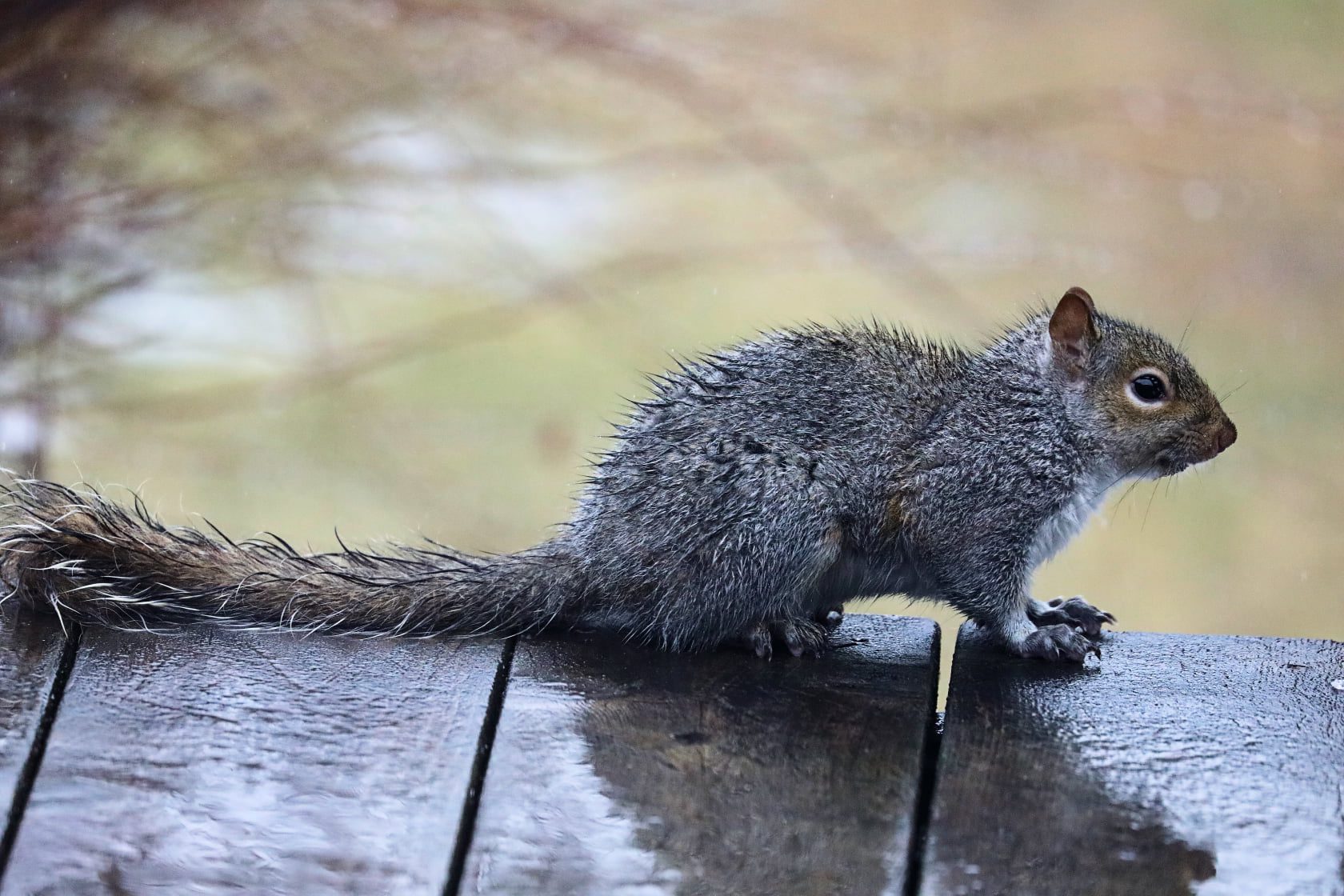
During inclement weather, squirrels display remarkable adaptability to ensure their safety and well-being. Squirrels typically seek shelter in nests or hollow trees during heavy rain to stay dry and safe. Nests made of leaves provide insulation and protection from rain for squirrels. However, young squirrels are at risk of drowning in open leaf nests during rainstorms. While squirrels may come out in light rain for food opportunities, they usually hunker down during heavy rain or thunderstorms. One fascinating adaptation squirrels exhibit is the use of their tails as umbrellas. By positioning their bushy tails over their bodies, they can shield themselves from rain and stay relatively dry. Additionally, squirrels are known to seek shelter under overhangs to avoid direct exposure to rain. These behaviors showcase the resourcefulness and resilience of squirrels in coping with inclement weather conditions.
| Squirrel Behavior in Inclement Weather | Description |
|---|---|
| Seek shelter in nests or trees | Provides insulation and protection |
| Use tails as umbrellas | Shields themselves from rain |
| Hunker down during heavy rain | Avoids direct exposure to rain |
| Risk for young squirrels in leaf nests | Potential drowning hazard |
Implications for Squirrel Conservation
Consider the impact of rainy weather on squirrel conservation efforts, particularly in relation to their behavior and nesting habits. Squirrels go out in light rain for food opportunities, but seek shelter in heavy rain or thunderstorms to protect themselves from the elements. Seeking shelter in nests or hollow trees during rain helps squirrels avoid drowning and stay dry, highlighting the importance of suitable shelters for their survival. Squirrel conservation efforts must prioritize providing these shelters and protecting natural habitats to ensure the well-being of squirrel populations during inclement weather. Understanding how squirrels behave in rainy conditions is crucial for developing effective conservation strategies and wildlife management practices that take into account their need for shelter and safety. By considering the implications of rainy weather on squirrel behavior, conservationists can work towards creating sustainable environments that support these resilient creatures.
Tips for Observing Squirrels in Rain
When observing squirrels in the rain, it is fascinating to note their unique adaptations and behaviors. In heavy rain, squirrels tend to exhibit cautious behavior, often opting to stay sheltered rather than venture out for food. They utilize their bushy tails as makeshift umbrellas to shield themselves from the downpour. Seeking refuge under overhangs or in their cozy log homes, squirrels display a remarkable sense of survival instinct during heavy rain.
During heavy rain, squirrels may also showcase interesting adaptations to cope with the wet conditions. You might observe them performing vertical launches, a behavior where they jump upwards to shake off excess water from their fur. Despite the challenging weather, squirrels can still exhibit bursts of energy and playfulness in heavy rain, engaging in activities like food gathering with enthusiasm.