

Roses thrive with coffee grounds as they boost soil fertility and nutrient levels vital for healthy growth. The organic matter in coffee grounds enriches the soil, aiding in water retention and supporting microbial activity crucial for rose development. When used moderately, coffee grounds act as a natural pesticide, deterring pests and fostering a healthy environment for roses. Consider the benefits of coffee grounds for roses to enhance their growth and vitality. Further information on proper application methods, soil acidity considerations, and using coffee grounds as mulch can provide comprehensive insights for optimal rose care and nourishment.
Benefits of Using Coffee Grounds
When used properly, coffee grounds offer various benefits to roses, including providing essential nutrients like nitrogen and potassium. Roses like coffee grounds because they can help promote healthy growth and vibrant blooms. The nitrogen in coffee grounds aids in leafy growth, while potassium supports overall plant health and strengthens stems. Additionally, the antioxidant properties found in coffee grounds can help suppress plant diseases, keeping your roses robust and resilient.
It is important to note that coffee grounds do not significantly acidify the soil when used correctly. Moderation is key when adding coffee grounds to the soil around your roses to avoid overloading them with nitrogen, which could potentially harm the plants. Composted coffee grounds are particularly beneficial to roses as they release nutrients slowly over time, providing a sustainable source of nourishment without causing any adverse effects. By incorporating coffee grounds into your rose care routine, you can enhance the health and beauty of your beloved flowers.
Proper Application Methods
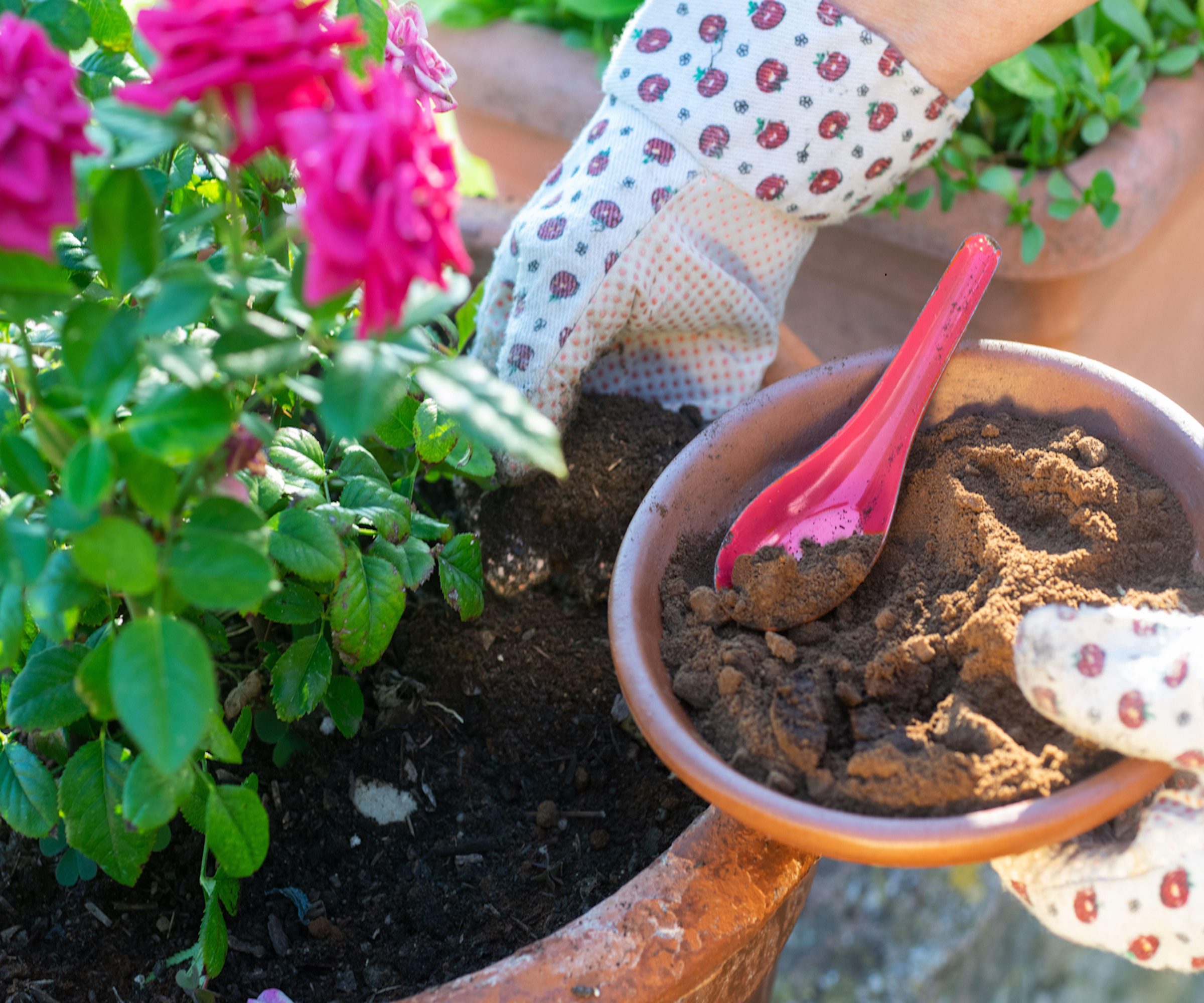
To ensure optimal benefits for your roses, precise application methods of coffee grounds play a crucial role in supporting healthy growth and vitality. Roses thrive when coffee grounds are added to the soil as they provide essential organic matter, nutrients, and help to maintain the soil pH. When incorporating leftover coffee grounds, it’s important to mix them thoroughly with compost or sprinkle them as a top-dressing around the base of your roses. This practice not only enriches the soil but also enhances its quality, promoting better growth and blooming.
However, it is vital to exercise moderation to prevent over-acidification of the soil or potential nitrogen burn. Applying coffee grounds once or twice a month in small quantities is recommended to maximize their benefits without causing harm. By following these precise application methods, you can ensure that your roses receive the necessary nutrients and support for robust health and vitality.
Brewed Coffee Grounds Vs. Leftovers
Brewed coffee grounds demonstrate a more suitable pH of 5.5 for roses compared to leftover coffee, which is not recommended for regular application due to its acidity. When utilizing brewed coffee grounds, their pH level aligns well with the slightly acidic soil preferences of roses. However, leftover coffee is more acidic and can harm your rose bushes if applied frequently. Used coffee grounds, whether brewed or not, can be beneficial when composted or added directly to the soil around roses. Fresh coffee grounds, especially those not utilized for brewing, contain higher acidity levels and should be avoided for rose care.
To ensure the optimal growth of your roses, it is essential to moderate the application of coffee grounds and incorporate them properly into the soil. By composting used coffee grounds or adding them in moderation, you can provide your roses with valuable nutrients while avoiding the potential negative effects of excessive acidity from leftover coffee.
Watering Roses With Coffee
Watering roses with leftover coffee should be avoided due to its higher acidity levels compared to used coffee grounds. When considering the acidity of brewed coffee, it is essential to understand its potential impact on your roses:
- Acidity Levels: Brewed coffee has a pH of around 5.5, making it more acidic than used coffee grounds, which typically have a neutral pH of 6.5-6.8.
- Plant Harm: Pouring leftover coffee on roses regularly can potentially harm the plants due to the acidic nature of brewed coffee, leading to soil pH imbalances.
- Alternative Use: It is advisable to pour leftover coffee on a compost pile instead of directly on roses to prevent any detrimental effects on the plants.
- Soil Amendments: To safeguard the health of your roses, focus on proper soil amendments that provide essential nutrients without altering the pH unfavorably.
- Watering Practices: Opt for a balanced watering routine that ensures adequate moisture without relying on brewed coffee as a supplemental source due to its acidic composition.
Fresh Vs. Composted Grounds
Fresh coffee grounds and composted coffee grounds present contrasting impacts on roses, particularly in terms of acidity levels and nutrient availability. Fresh coffee grounds are more acidic, so they should be used sparingly around roses to prevent potential harm from high acidity levels. Excessive application of fresh coffee grounds can lead to nitrogen burn, negatively impacting plant health. On the other hand, composted coffee grounds are safer for roses as they have lower acidity levels and provide a slow release of nutrients, promoting healthy growth over time. Composted grounds can be used more liberally around roses without concerns of acidity. When deciding between fresh and composted coffee grounds for your roses, it’s crucial to consider the effects on soil pH and overall plant health. Opting for composted coffee grounds can be a better choice to ensure the well-being of your roses and maintain a balanced soil environment for optimal growth.
Coffee Grounds Vs. Fertilizer
Coffee grounds and traditional fertilizers offer distinct nutrient profiles that impact the growth and blooming of roses. When comparing coffee grounds to traditional fertilizers for rose cultivation, it becomes evident that each has its own advantages and drawbacks. Here are some essential points to consider:
- Coffee grounds contain nitrogen: Coffee grounds are rich in nitrogen, which is essential for promoting green, leafy growth in plants.
- Roses need balanced fertilizer: Roses require a balanced fertilizer containing nitrogen, phosphorus, and potassium to support overall health, flowering, and root development.
- Using coffee grounds: While coffee grounds can contribute nitrogen to the soil, they lack phosphorus, a crucial element for blooming in roses.
- Nutrient deficiencies: Relying solely on coffee grounds as a fertilizer for roses can lead to nutrient deficiencies, particularly in phosphorus.
- Complete fertilizer regimen: To effectively use coffee grounds, it is recommended to incorporate them into a complete fertilizer regimen that fulfills all the nutritional requirements of roses.
Understanding these differences is vital for ensuring the proper care and nourishment of roses when using coffee grounds as part of their fertilization routine.
:max_bytes(150000):strip_icc()/GettyImages-119704548-89e2ebbbcf0d4d2190e4b932e5a43688.jpg)
Soil Acidity and Roses
How does soil acidity impact the growth and health of roses? Roses thrive in slightly acidic soil conditions, which support their nutrient uptake and overall health. Soil acidity plays a crucial role in determining the availability of essential nutrients like nitrogen, phosphorus, and potassium to roses. Coffee grounds, while not significantly affecting soil pH, provide nitrogen that benefits rose growth. If the soil pH needs adjustment to become more acidic for roses, elemental sulfur can be used to lower the pH effectively.
To ensure optimal soil conditions for roses, incorporating coffee grounds into compost can be beneficial. Composting coffee grounds with other organic materials helps break them down gradually, releasing nutrients that roses can absorb. Proper composting techniques are essential to harness the benefits of coffee grounds without causing harm to rose plants. By maintaining the right balance of soil acidity through suitable amendments like elemental sulfur and utilizing coffee grounds in composting, you can promote the growth and vitality of your roses.
Coffee Grounds as Mulch
Using coffee grounds as mulch around roses offers numerous benefits for soil health and plant growth. When considering coffee grounds for mulching, there are several key points to keep in mind:
- Organic Matter & Nutrients: Coffee grounds provide organic matter to the soil and release essential nutrients like nitrogen, phosphorus, and potassium, which are vital for the growth of roses.
- Moisture Retention: Mulching with coffee grounds helps retain moisture in the soil, ensuring that roses have a consistent water supply for healthy development.
- Weed Suppression: The use of coffee grounds as mulch can help suppress weeds around roses, reducing competition for resources and allowing the roses to thrive.
- Soil Temperature Regulation: Coffee grounds act as insulation, regulating soil temperature fluctuations, which is beneficial for the root systems of roses, especially during extreme weather conditions.
- Microbial Activity: Applying a thin layer of coffee grounds as mulch promotes beneficial microbial activity in the soil, supporting overall soil health and enhancing the growth of roses.
Natural Pesticide and Disease Control
Enhancing the health and resilience of roses against pests and diseases can be achieved through the utilization of natural methods and substances. Coffee grounds, known for their antimicrobial properties, can serve as a natural pesticide, helping to suppress plant diseases in roses. The antioxidants present in coffee grounds act as a deterrent to pests, reducing the likelihood of infestations. Moreover, the organic material in coffee grounds promotes the growth of beneficial soil microbes that aid in nutrient uptake for roses, enhancing their overall health and disease resistance. By incorporating used coffee grounds in moderation, gardeners can create a sustainable and cost-effective solution for maintaining the vitality of roses in the garden. This natural approach not only contributes to disease control but also fosters a healthy soil environment, reducing the risk of common rose ailments and supporting the long-term well-being of these beloved flowering plants.