
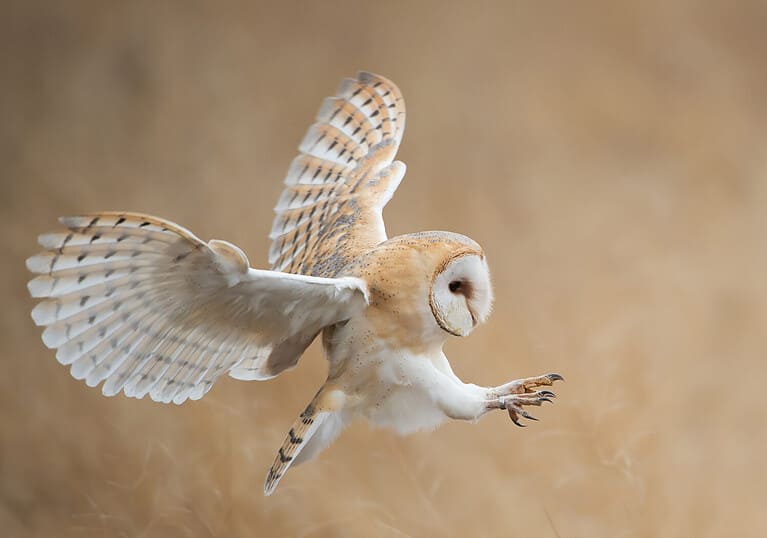
Yes, owls indeed eat birds. They have a diverse diet ranging from ground-dwelling birds like quails and pheasants to smaller songbirds such as sparrows and woodpeckers. Owls showcase specialized hunting techniques and prey selection, reflecting their crucial role in the avian food chain. Their silent night hunting, sharp talons, and superior night vision contribute to their efficiency as expert aerial predators. Understanding the complex relationship between owls and birds unravels their impact on avian populations. Explore further to discover the intricate details of owl predation habits and bird defense mechanisms.
Types of Birds Owls Consume
Large owls, such as great horned owls and great gray owls, consume a variety of bird species, including ground birds, pheasants, quail, chickens, smaller owls, and smaller hawks. These large predators have the ability to prey on whole small birds due to their powerful talons and beaks. Their diet consists of a diverse range of avian species, reflecting their position as apex predators in the bird world. By preying on smaller birds entirely, large owls play a crucial role in regulating the populations of these species.
The consumption of small birds by large owls is not only a matter of sustenance but also a reflection of the intricate balance within ecosystems. By targeting these prey species, large owls help control their numbers, preventing potential overpopulation that could disrupt the delicate equilibrium of bird communities. Understanding the feeding habits of large owls, from consuming ground birds to smaller hawks, provides valuable insights into the ecological interactions that shape avian populations.
Large Owl Prey Selection
When considering the prey selection of large owls, it is essential to understand the diverse range of bird species they target for sustenance. Large owls, exemplified by species like great horned owls and great gray owls, exhibit a preference for hunting birds such as ground birds, pheasants, quail, chickens, as well as smaller owls and smaller hawks. These formidable predators rely on their exceptional hunting skills and silent flight to capture their avian prey efficiently. Their large size and powerful talons enable them to tackle a variety of bird species, making them formidable hunters in the nocturnal realm. The adaptability and predatory prowess of large owls in targeting different bird species contribute significantly to their role in the ecosystem’s food chain. Understanding the prey selection habits of large owls sheds light on the intricate dynamics of predator-prey relationships in the avian world.
Medium Owl Hunting Preferences
Barred owls, a medium-sized owl species, exhibit distinct hunting preferences focused on targeting a variety of diurnal bird species for sustenance. These medium owls, particularly barred owls, have a keen eye for diurnal birds like songbirds, woodpeckers, and even gamebirds such as chickens and quail. They are known for their opportunistic hunting behaviors, often preying on other smaller owls and hawks. During nesting seasons, barred owls capitalize on the abundance of vulnerable nestlings and juvenile birds in bird nests and night-time roosts.
| Hunting Preferences | Diurnal Birds Targeted |
|---|---|
| Songbirds | Woodpeckers |
| Gamebirds | Smaller Owls & Hawks |
| Nestlings & Juveniles |
Medium-sized owls like the barred owls rely on their stealth and precision to capture their avian prey, contributing to the delicate balance of bird populations in their habitats. Understanding these hunting preferences offers valuable insights into the ecological dynamics of these majestic creatures.
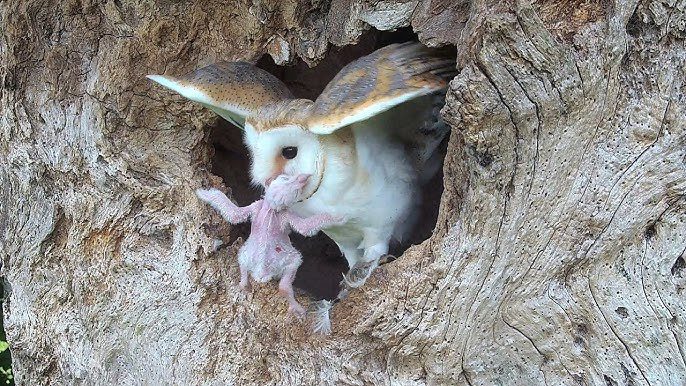
Small Owl Avian Diet
Small owls, such as pygmy owls, have a specific preference for small avian prey like house sparrows and pine siskins. Their diet revolves around targeting areas with dense populations of songbirds, showcasing their hunting specialization. The consumption of avian species forms a crucial component of the diet of these diminutive predators, shedding light on their ecological niche in the avian community.
Owl’s Bird Consumption
Pygmy owls exhibit a specialized avian diet focused on consuming small bird species such as house sparrows and pine siskins. These small owls are adept at hunting in areas abundant with songbirds, where they prey on common species like house sparrows and pine siskins. Their diet is finely tuned towards capturing and consuming these small birds, showcasing a highly specialized feeding behavior. By studying the avian diet of pygmy owls, researchers gain valuable insights into the hunting strategies employed by these owls and the intricate ecosystems they inhabit.
| Prey Type | Commonality | Hunting Strategy |
|---|---|---|
| House Sparrow | Very Common | Ambush Predation |
| Pine Siskin | Common | Stalking Technique |
| Songbirds | Abundant | Pouncing Method |
Understanding the owl’s preference for small bird species sheds light on the dynamics of predator-prey interactions within their habitats. This specialized bird consumption by pygmy owls underscores their crucial role in regulating songbird populations.
Prey Preference Study
Studies on the avian diet preferences of small owls reveal a focused targeting of high-density songbird populations for prey consumption. Pygmy owls, categorized as small owls with specific preferences for bird prey, primarily feed on small birds like house sparrows and pine siskins. Avian diet studies indicate that these owls concentrate their hunting efforts on areas where high-density songbird populations are present. By preying on small birds, pygmy owls play a crucial role in regulating bird populations and maintaining ecosystem balance. Researchers studying small owl avian diets aim to understand the impact of these predators on local bird populations and the overall dynamics of avian communities.
- Pygmy owls primarily consume small birds like house sparrows and pine siskins.
- Avian diet studies show a specific preference of pygmy owls for high-density songbird populations.
- Small owls, such as pygmy owls, focus their hunting efforts on areas abundant in small bird species.
- Understanding small owl avian diets helps researchers assess the ecological role of these predators in maintaining bird population balance.
Avian Diet Diversity
When examining the diversity of avian diets among small owls, the focus narrows on the specific bird species consumed and the ecological implications of this dietary preference. Small owls, such as pygmy owls, have a diet that predominantly consists of small birds like house sparrows and pine siskins. These tiny predators target areas with high densities of songbirds to fulfill their dietary needs efficiently. Due to their size, small owls are limited in the types of birds they can hunt and consume, relying heavily on their hunting prowess to catch small prey. Studying the avian diet of small owls is crucial for understanding their ecological role within bird populations.
| Small Owl Avian Diet | Common Bird Species Consumed |
|---|---|
| Pygmy Owl | House Sparrow, Pine Siskin |
| Elf Owl | White-crowned Sparrow, Junco |
| Northern Saw-whet Owl | Chickadees, Nuthatches |
| Ferruginous Pygmy Owl | Warblers, Finches |
Owl Predation Techniques
Owls employ a variety of predation techniques, including hunting birds at night when their superior vision gives them an advantage. Their hunting strategies are finely tuned to capture avian prey effectively. Here are some key techniques they use:
- Nocturnal Predation: Owls capitalize on their exceptional night vision to hunt birds under the cover of darkness, catching their prey off guard.
- Nest Predation: During nesting season, owls raid bird nests to capture vulnerable nestlings and juveniles, which are easier targets due to their limited mobility and experience.
- Opportunistic Hunting: Owls are opportunistic hunters, targeting obvious opportunities such as nests or night-time roosts where birds congregate, making it easier for them to secure a meal.
- Specialized Techniques: Some owl species exhibit specialized predation techniques, like silent flight and precise talon strikes, further enhancing their efficiency in capturing birds.
Understanding these predation techniques is crucial in predicting and mitigating potential owl predation on bird populations. By comprehending owl behaviors, researchers and conservationists can develop strategies to protect vulnerable avian species from owl predation.
Owl Hunting Strategies
Owls employ a variety of hunting strategies to capture their avian prey. Utilizing their exceptional night vision, they engage in silent night hunting, relying on stealth and surprise to catch birds unaware. Additionally, owls are expert aerial predators, using their silent flight and sharp talons to swiftly seize their targets.
Silent Night Hunting
Night after night, these nocturnal predators employ their silent flight and keen vision to expertly hunt down birds in the darkness. Owls are skilled night hunters, using their exceptional vision to see in the dark and pinpoint distances accurately. Their hunting strategies are precise and opportunistic, allowing them to capitalize on opportunities like nests and roosts. When hunting birds, owls often target nestlings and juvenile birds as they are easier to catch compared to healthy adult birds. Night-time roosts and nests serve as prime hunting grounds for these silent night hunters, enabling them to catch birds efficiently. Owls rely on their ability to fly silently, allowing them to approach their prey undetected. By combining their exceptional vision with silent flight, owls exhibit remarkable hunting prowess in the darkness, making them formidable predators of the night.
Expert Aerial Predators
Utilizing their remarkable ability to fly silently and their exceptional hunting prowess, these expert aerial predators employ precise strategies to capture their avian prey under the cover of darkness. Owls, known for being expert aerial predators, have developed specialized techniques to hunt birds efficiently. With their superior night vision, owls target birds as their primary prey, focusing on nestlings and juvenile birds due to their vulnerability. Employing a combination of acute hearing and stealth, owls can ambush birds either from perches or while in flight, ensuring a successful hunt. By understanding the hunting behaviors of these expert aerial predators, researchers can gain insights into predator-prey dynamics and the impact owls have on bird populations within ecosystems. Studying how owls hunt birds not only sheds light on their role as top avian predators but also highlights the intricate strategies they employ to sustain themselves in their nocturnal habitats.
Bird Defense Mechanisms
Birds employ various defense mechanisms to evade predation by owls, utilizing strategies such as speed, awareness, mobbing, and vocalizations. When faced with the presence of an owl, birds showcase remarkable behaviors aimed at ensuring their survival. Here are some of the defense mechanisms employed by birds:
- Speed and Awareness: Adult birds rely on their agility and keen senses to outmaneuver owls during daylight hours, making it harder for the nocturnal predators to catch them.
- Mobbing: Birds mob owls by gathering in groups and aggressively confronting them. This behavior not only confuses and intimidates the owl but also increases the chances of the owl being driven away or giving up on the hunt.
- Vocalizations: Birds produce loud calls when detecting an owl, alerting other birds in the vicinity and potentially attracting more individuals to join in the mobbing behavior.
- Predicting Owl Presence: Understanding bird behaviors can help predict the presence of owls in an area, allowing birds to take preemptive measures to avoid becoming prey, especially nestlings and juveniles which are more vulnerable targets for owls.