

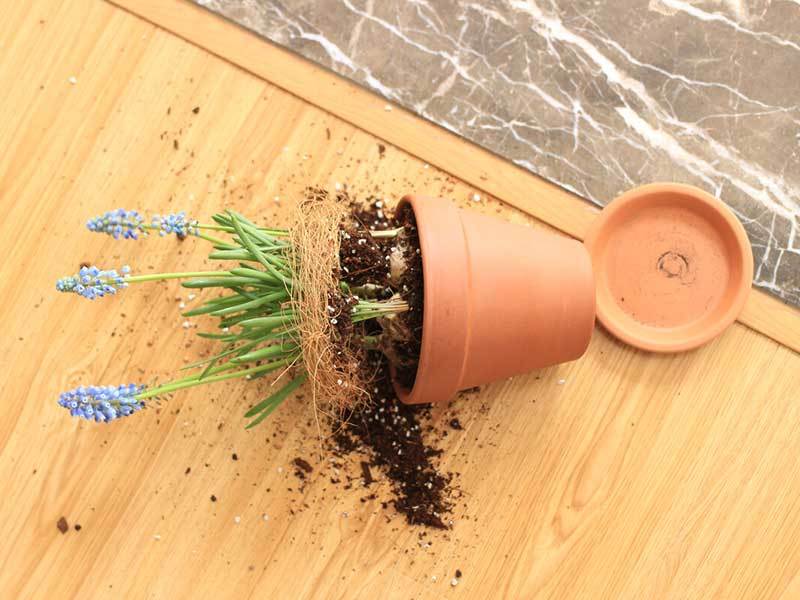
If your plant fell over, start by examining it for damage, focusing on the stem, branches, and leaves. Gently lift and reposition it, avoiding strain on the stems. Use stakes or ties for support and ensure the roots are secure in the soil. Water adequately, monitor growth, and check for signs of stress. Consider pruning any damaged parts and implementing a fertilization strategy. Natural remedies like Aloe Vera can aid in recovery. For more detailed steps on ensuring your plant’s survival and growth, follow the comprehensive guidelines provided.
Assess the Plant for Damage
To assess the plant for damage after a fall, carefully examine the stem, branches, and leaves for visible breakage. Make sure to check each part thoroughly, starting from the base and working your way up. Look for any one to two, clear signs of breakage, such as cracks, splits, or tears. If you notice any damage, consider trimming off the affected areas to promote new growth and prevent further stress on the plant. Additionally, inspect the leaves for wilting, dryness, or curling, as these could indicate the plant’s condition post-fall. Moving on, examine the roots for any signs of damage or displacement. Healthy roots are crucial for the plant’s ability to absorb nutrients and water efficiently. By thoroughly assessing the plant for visible breakage and signs of stress, you can determine the extent of damage and make informed decisions on how to best support its recovery.
Reposition the Plant Carefully
Carefully lifting and repositioning a fallen plant is crucial to prevent further damage to its stems and roots. When repositioning the plant, use gentle techniques to avoid bending or twisting the stems, which could cause additional stress. Proper handling is essential to ensure the plant’s recovery. Make sure to lift the plant upright without causing any harm. Once in the correct position, consider using stakes or ties to provide support and stabilize the plant. This will help prevent it from falling over again and keep it secure, especially in windy conditions. After repositioning, monitor the plant closely to assess its adaptation and growth. Recovery strategies involve ensuring the plant is adapting well to its new position and continuing to grow healthily. By following these repositioning techniques and providing proper support, you can help your plant recover effectively.
Provide Support With Stakes
Supporting your plant with stakes is a practical method to promote its stability and prevent further damage. When selecting stakes, opt for bamboo sticks or garden ties that are sturdy yet gentle on the plant. Position the stakes evenly around the plant base, ensuring they penetrate the soil deeply for strong support. Gently tie the plant stems to the stakes, making sure not to bind them too tightly to allow for growth and airflow. Regularly inspect the ties and adjust them as needed to accommodate the plant’s development. Staking not only aids in immediate support but also encourages the plant to grow vertically, enhancing its exposure to sunlight for optimal photosynthesis. Additionally, staking increases the plant’s wind resistance, reducing the risk of future toppling due to strong gusts. By providing this necessary support, your plant can recover effectively and thrive despite its initial setback.
Secure Roots in Soil
To ensure the survival and growth of your plants, start by securing their roots properly in the soil. Make sure the roots are at the right depth to provide stability and access to essential nutrients. Additionally, using stakes for support and applying mulch around the base of the plant will help maintain its stability and overall health.
Proper Root Depth
Ensuring proper root depth when planting a new specimen is crucial for establishing stability and resilience in the soil. Root health, soil depth, and nutrient absorption are all interconnected aspects that play a significant role in the plant’s overall well-being. When roots are positioned at the correct depth, they can anchor the plant securely in the soil, reducing the risk of it toppling over during windy conditions.
Shallow roots may compromise stability, making the plant susceptible to falling over, especially in adverse weather. On the other hand, deep roots facilitate efficient access to essential nutrients and water, enhancing the plant’s ability to thrive and withstand external stressors. During repotting or transplanting, always check the root depth to ensure the roots are securely positioned in the soil for optimal growth and stability.
Staking for Support
Using stakes or sticks to support your plant’s stem and keep it upright is crucial for stabilizing the roots in the soil and promoting proper growth. Proper staking techniques involve securing the stem without causing any harm. Choosing suitable materials such as bamboo stakes or wooden sticks is essential to provide adequate support. Soft ties like twine or plant tape should be used to attach the plant gently to the stake, preventing damage to the stem. Staking is particularly important for top-heavy plants or those with weak stems to prevent future damage. Remember to regularly check the staking system and adjust it as the plant grows to ensure stability. Here’s a helpful guide to get you started:
| Proper Staking Techniques | Choosing Suitable Materials |
|---|---|
| Secure stem without harm | Bamboo stakes or wooden sticks |
| Gently attach with soft ties | Twine or plant tape |
| Regularly check and adjust | Ensure stability and support |
Mulch for Stability
Supporting your plant by staking its stem is vital for stability, and another method to ensure plant survival is mulching for stability to secure the roots in the soil. Mulch offers several benefits that can aid in stabilizing your plant and protecting its roots:
- Mulch benefits: Mulching around the base of your plant provides insulation, shielding the roots from extreme temperature changes and helping retain essential moisture levels.
- Stability advantages: By creating a stable environment for the roots, mulch helps prevent the plant from toppling over and facilitates its recovery.
- Root protection: The layer of mulch acts as a barrier, safeguarding the roots from damage and promoting healthy root growth, which is crucial for the overall health and resilience of the plant. Choose organic mulches like wood chips or straw that not only stabilize but also enrich the soil with nutrients as they decompose, supporting the plant’s long-term well-being.
Water Adequately
To maintain optimal plant health, water only when the soil is dry to prevent issues like root rot and promote robust growth. Pay attention to the watering frequency, as overwatering can lead to waterlogged soil, suffocating the roots and causing root rot. It is crucial to ensure proper drainage in the pot to allow excess water to escape and prevent water stagnation around the roots. Additionally, monitor the soil moisture levels to gauge when it’s time to water again. Using filtered or distilled water is beneficial to prevent salt buildup in the soil, which can harm the plant’s root health. Keep an eye on your plant for signs of stress like yellowing leaves or wilting, as these could indicate overwatering. Remember, allowing the plant to partially dry out between watering sessions is key to maintaining healthy root systems and overall plant vitality.
Monitor for Signs of Stress
Keep a close eye on your plants for any signs of stress post-fall, such as droopy or wilting leaves. Look out for dry, brown edges or yellowing leaves, indicating potential damage. If you notice any issues like slow growth or fungus, adjust your care routine promptly to help your plants recover effectively.
Stress Signs to Watch
When caring for your plants, it is crucial to monitor for signs of stress that may indicate issues with their health and well-being. Pay attention to the following stress signs to ensure your plant’s survival:
- Watering Frequency: Changes in watering needs can stress plants. Watch for wilting or droopy leaves, which could signal underwatering or overwatering after a fall.
- Light Exposure: Insufficient light can stress plants, especially after a fall. Look for stretching or slow growth, indicating the plant is trying to reach for more light.
- Soil Quality: Poor soil quality can lead to stress. Check for fungus growth on the soil or any unusual smells, as these could be signs of stress and potential health issues for your plant.
Vigilance for Plant Health
Monitoring for signs of stress in your plants is essential to ensuring their health and survival. To prevent disease, keep an eye out for droopy or wilting leaves, dry brown edges, yellowing leaves, or slow growth. These can indicate underlying issues that need attention. Identifying deficiencies early is crucial. Check for fungus on soil or any unusual smells, as these could be signs of stress. Improving sunlight access is key to plant health. Ensure your plants are getting adequate light by positioning them in areas where they can receive sufficient sunlight. Regularly inspecting your plants for pests is also important in preventing additional stress. Test soil moisture levels regularly by sticking a finger into the soil to determine watering needs. Over-watered plants may have hard, spongy soil and need time to dry out to recover. By staying vigilant and proactive in monitoring your plants, you can help them thrive and stay healthy.
Reacting to Plant Stress
To effectively address plant stress, closely observe for indicators like wilting, dry leaves, or slow growth following any mishaps or changes in environmental conditions. When your plant shows signs of stress, it’s essential to take action promptly to help it recover. Here’s what you can do to react to plant stress:
- Check Soil Nutrients: Ensure your plant is receiving adequate nutrients by fertilizing as needed or adjusting the soil composition.
- Assess Sunlight Exposure: Monitor the amount of sunlight your plant is getting and make adjustments if it’s receiving too much or too little light.
- Watch for Temperature Fluctuations: Sudden changes in temperature can stress plants, so maintain a stable environment or provide protection during extreme conditions.
Adjust Care as Needed
To ensure the survival of your plant, it is crucial to adjust its care as needed based on its specific requirements and current condition. Begin by conducting a growth assessment to understand the extent of the damage and how the plant is recovering. Monitor the recovery progress closely, looking for signs of improvement such as new growth or increased resilience.
One key aspect to focus on is the watering frequency. Only water the plant when the soil is dry to the touch. Avoid overwatering, as this can lead to root rot and hinder the recovery process. Additionally, refrain from adding extra nutrients close to harvest time to prevent unnecessary stress on the plant.
It’s important to be patient, especially with Sativa plants that mature slowly. Give the plant the time it needs to recover fully. By adjusting your care regimen based on these factors, you can support the plant’s journey back to health and vitality.
Ensure Proper Drainage
Make sure your plant pots have adequate drainage holes to prevent water accumulation and promote healthy root development. Proper drainage is crucial for soil aeration, preventing waterlogged conditions that can harm root health. Here are some tips to ensure proper drainage:
- Choose pots with drainage holes: Opt for containers that have drainage holes at the bottom to allow excess water to escape freely.
- Use drainage solutions: Consider adding a layer of gravel or small rocks at the bottom of the pot before adding soil to improve drainage.
- Monitor regularly: Check your pots periodically to ensure that the drainage holes are clear and not obstructed by soil or debris, maintaining a healthy environment for root development.
Protect From Harsh Elements
To shield your plant from extreme weather, ensure it’s in a sheltered spot or use stakes and ties for added support. Providing a sturdy foundation will help the plant withstand harsh elements and prevent damage. Monitor closely for signs of stress, adjusting its placement or using covers as needed to maintain optimal growing conditions.
Shield From Extreme Weather
Shielding your plants from extreme weather is crucial to ensure their survival and well-being. To protect your beloved greens, consider utilizing these essential techniques:
- Insulating techniques: Insulating your plants can help regulate the temperature around them, shielding them from sudden drops that could be harmful. Mulching around the base of the plant or using frost cloths can provide an extra layer of protection.
- Windbreak strategies: Implementing windbreaks like fences, shrubs, or temporary barriers can shield your plants from strong winds that may damage or uproot them. Ensure these windbreaks are sturdy and well-placed to effectively reduce the impact of harsh gusts.
- Weatherproofing methods: Employing weatherproofing methods such as protective coverings or moving plants to sheltered areas during storms can safeguard them from the elements. Row covers, plastic sheets, or even relocating potted plants indoors are effective ways to shield your plants from extreme weather conditions.
Provide Sturdy Support
When protecting your plants from harsh elements, providing sturdy support is key to ensuring their stability and survival. Root stability is crucial in preventing plants from toppling over during strong winds or heavy rain. To enhance wind resistance, consider using stakes or ties to prop up the fallen plant securely. Additionally, structural support plays a significant role in keeping your plant upright and safeguarded from external forces. It is essential to monitor the plant for signs of stress or instability regularly. Adjust the support as needed to maintain its upright position and promote healthy growth. Shielding the plant from harsh elements can be achieved by creating a barrier with a temporary cover or relocating it to a more sheltered location. Remember to check the stability of the support structure frequently and make necessary adjustments as the plant grows and regains strength. By providing sturdy support, you can help your plant withstand adverse conditions and thrive in its environment.
Maintain Optimal Conditions
Maintain optimal conditions for your plant by protecting it from harsh elements such as strong winds, heavy rain, and extreme temperatures. To ensure your fallen plant’s survival and recovery, consider the following:
- Soil Aeration: Check the soil around the plant for compaction or waterlogging, as these conditions can hinder root development and nutrient uptake. Loosen the soil gently to improve aeration and drainage.
- Pest Prevention: Inspect the plant for any signs of pest infestation, as stressed plants are more susceptible to attacks. Take necessary measures to prevent pests from causing further damage.
- Nutrient Deficiency: Monitor the plant for symptoms of nutrient deficiency, such as yellowing leaves or stunted growth. Provide appropriate fertilization to replenish essential nutrients and support the plant’s recovery process.

Consider Pruning
To ensure the survival and vitality of your plants, incorporating pruning into your maintenance routine is essential for promoting growth and overall plant health. Pruning offers numerous benefits, such as removing damaged or dead parts to encourage new growth and enhance the plant’s overall well-being. By trimming off broken or hanging branches, you prevent further stress on the plant and redirect energy to healthier areas, promoting recovery and growth.
When engaging in pruning, use proper techniques to make clean cuts with sharp tools. Precision is key to minimize the risk of infection and ensure the plant heals swiftly. Additionally, regular pruning can stimulate the plant to produce more flowers or buds, resulting in a more abundant harvest. Proper pruning techniques not only help maintain the plant’s shape but also improve air circulation, which in turn prevents pests and diseases. Avoid common pruning mistakes, such as cutting too close to the trunk or leaving stubs, to ensure optimal plant health and growth.
Implement Fertilization Strategy
Incorporating an effective fertilization strategy is crucial for optimizing plant health and promoting robust growth. To ensure your plant thrives, consider the following practical tips:
- Nutrient balance: Use a balanced fertilizer with equal N-P-K ratios to provide your plant with the essential nutrients it needs for healthy growth at all stages.
- Fertilization dosage: Adjust the amount of fertilizer based on your plant’s size, growth stage, and specific nutrient requirements to prevent over or underfeeding, promoting optimal plant health.
- Organic fertilizers: Embrace a natural approach by incorporating organic fertilizers like compost, fish emulsion, or seaweed extract. These options not only nourish your plant but also contribute to a healthy soil ecosystem.
Use Natural Remedies
Utilize natural remedies to address plant issues effectively and promote overall health and recovery. When dealing with a fallen plant, consider using DIY plant care techniques to aid in its revival. Homemade plant treatments can provide the necessary nutrients and protection for your plant to bounce back from the fall. Here are some natural remedies you can implement:
| Natural Remedies | Benefits |
|---|---|
| Water and Hydrogen Peroxide Mixture | Prevents root rot and promotes healthy root growth |
| Aloe Vera Gel | Speeds up healing and reduces infection risks |
| Cinnamon Powder | Prevents fungal growth and protects from diseases |
| Organic Honey | Acts as a natural antiseptic to aid in wound healing |
These natural remedies for pests and plant care are cost-effective and gentle on your plant, offering a holistic approach to nurturing its recovery. Incorporate these homemade treatments to ensure your plant receives the best care possible after a fall.
Seek Professional Help
When faced with challenges beyond your expertise in plant care, reaching out to a professional specialist or horticulturist can provide tailored guidance for saving a fallen plant. Expert advice is crucial in situations where the health of your plant is at risk, and seeking help from professionals can make a significant difference in its recovery.
- Professional help offers expert advice on plant recovery tailored to your specific plant species, soil conditions, and environmental factors.
- Specialists can assess the extent of damage, recommend suitable support methods, and suggest plant care strategies for successful revival.
- Seeking professional help ensures accurate diagnosis of plant issues, preventing further damage and maximizing the chances of survival.