
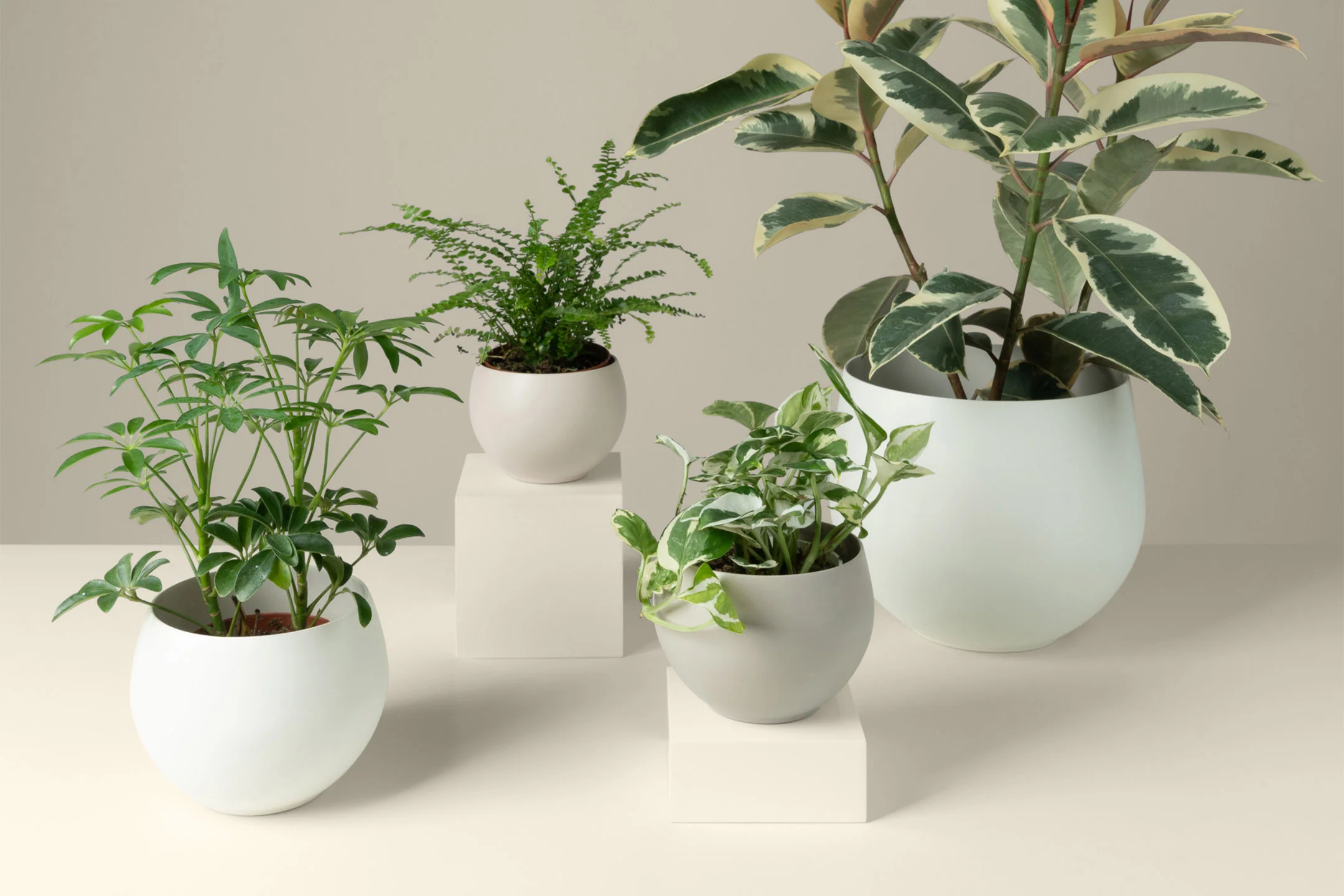
Leaving plants in their original containers can harm their growth. When roots outgrow their space, nutrients become limited, hindering overall health. Signs of trouble include roots circling the pot or emerging from drainage holes. Repotting into larger containers is crucial for healthier root development. By doing so, you provide room for roots to spread, absorb nutrients efficiently, and prevent common issues like stunted growth. Proactively monitoring your plant’s needs ensures optimal growth and vibrancy. Remember, a small step like repotting can make a big difference in your plant’s well-being.
Risks of Root-Bound Plants
Root-bound plants pose significant risks to their overall health and growth due to restricted root development in small containers. When a plant becomes root-bound, its roots start circling the pot, struggling to absorb nutrients effectively. This condition makes the plant more susceptible to issues like waterlogging, nutrient deficiencies, and stunted growth. The confined space inhibits the root system from spreading out and establishing a healthy foundation for the plant.
To mitigate these risks, it is crucial to repot root-bound plants into larger containers. By transferring them to a more spacious environment, you provide the roots with room to grow and expand properly. This act promotes healthier root development and overall plant vitality. Regularly repotting plants can also prevent them from becoming root-bound in the future, ensuring that they have sufficient space to thrive and flourish. Remember, a well-established root system is essential for the plant to uptake water, nutrients, and support robust growth.
Impact on Plant Growth
Leaving plants in their original containers can significantly hinder their growth due to restricted root development and poor nutrient absorption. When plants become root-bound, their roots coil around the inside of the pot, limiting their ability to spread out and access essential nutrients and water. This stunted root growth directly impacts the overall health and growth of the plant, leading to a decline in vitality over time.
To illustrate the impact of root-bound conditions on plant growth, consider the following table showcasing the differences between healthy root development and root-bound plants:
| Aspect | Healthy Root Development | Root-Bound Plant |
|---|---|---|
| Root Growth | Spreads out evenly | Coiled and restricted |
| Nutrient Absorption | Efficient and optimal | Hindered and inefficient |
| Water Uptake | Consistent and adequate | Limited and erratic |
| Overall Plant Growth | Robust and vigorous | Stunted and unhealthy |
To ensure optimal plant growth, transplanting root-bound plants into larger containers is essential to encourage healthier root development and overall plant vitality.
Signs of Overgrown Roots
If you notice roots emerging from the drainage holes or encircling the pot, your plant might be root-bound. Yellowing or wilting leaves despite your best efforts could be a sign of root congestion. Assess the pot size and look for tightly packed roots at the bottom to confirm if your plant needs a new home.
Root-Bound Plant Symptoms
When roots start protruding out from the drainage holes or soil surface in a plant’s container, it is a clear indication of overgrown roots. This phenomenon, known as being root-bound, happens when a plant has outgrown its current container and lacks the necessary room to expand its root system. As a result, you may notice symptoms like yellowing or drooping leaves despite providing proper care. Another telltale sign is experiencing difficulties in watering, where the water quickly flows through the pot without being absorbed by the roots due to their restricted growth. Additionally, the plant may exhibit stunted or slow growth because there isn’t adequate space for the roots to grow and access essential nutrients. To confirm if your plant is root-bound, gently remove it from its container to inspect the root system, which will help you determine if it needs a larger pot to thrive.
Stunted Growth Indicators
With roots circling the pot’s bottom or sides, you can easily identify restricted growth and potential root-bound issues in your plant. Stunted growth is a clear indicator that your plant may be struggling due to overgrown roots. If you notice yellowing or browning leaves despite your best efforts in caring for your plant, it could be a sign of nutrient deficiencies caused by compacted roots. Slow growth or the absence of new growth can also suggest that your plant has outgrown its current container, hindering its development. Plants experiencing limited root space may find it challenging to absorb water and essential nutrients, leading to an overall decline in health. To alleviate the stress of being root-bound and promote healthier growth, consider repotting your plant into a larger container. This simple step can help your plant thrive by providing ample space for its roots to spread out and access the resources it needs for optimal growth.
Pot Size Assessment
To determine if your plant has overgrown roots, carefully examine the pot for roots circling the bottom or sides as a clear indicator of pot confinement. Overgrown roots can lead to issues like slowed growth, wilting leaves, or waterlogging problems due to the plant being root-bound. Keep an eye out for roots escaping through drainage holes or the plant being pushed up, which are telltale signs of pot confinement.
When assessing pot size, compare the plant’s size to the container it’s in. If the roots are visibly outgrowing the pot or are overcrowded, it’s time to consider repotting. Regularly inspect the root system to ensure it’s not becoming restricted or overcrowded within the pot. By being proactive in checking for these signs of overgrown roots, you can provide your plant with the space it needs to thrive and avoid potential growth issues.
Benefits of Repotting
Repotting your plants not only refreshes their soil but also promotes healthy root growth and prevents deficiencies. When you move your plants to a new container, you give them access to fresh nutrients that may have been depleted in their current soil. This influx of fresh nutrients can revitalize your plant, encouraging vibrant growth and preventing nutrient deficiencies that may stunt its development.
Moreover, repotting allows your plant’s roots to spread out freely, preventing them from becoming root-bound. By providing more space for root expansion, you stimulate healthy root growth, which is essential for overall plant health. Additionally, transferring your plants to larger containers can enhance their well-being by offering more room for roots to grow and absorb nutrients efficiently.
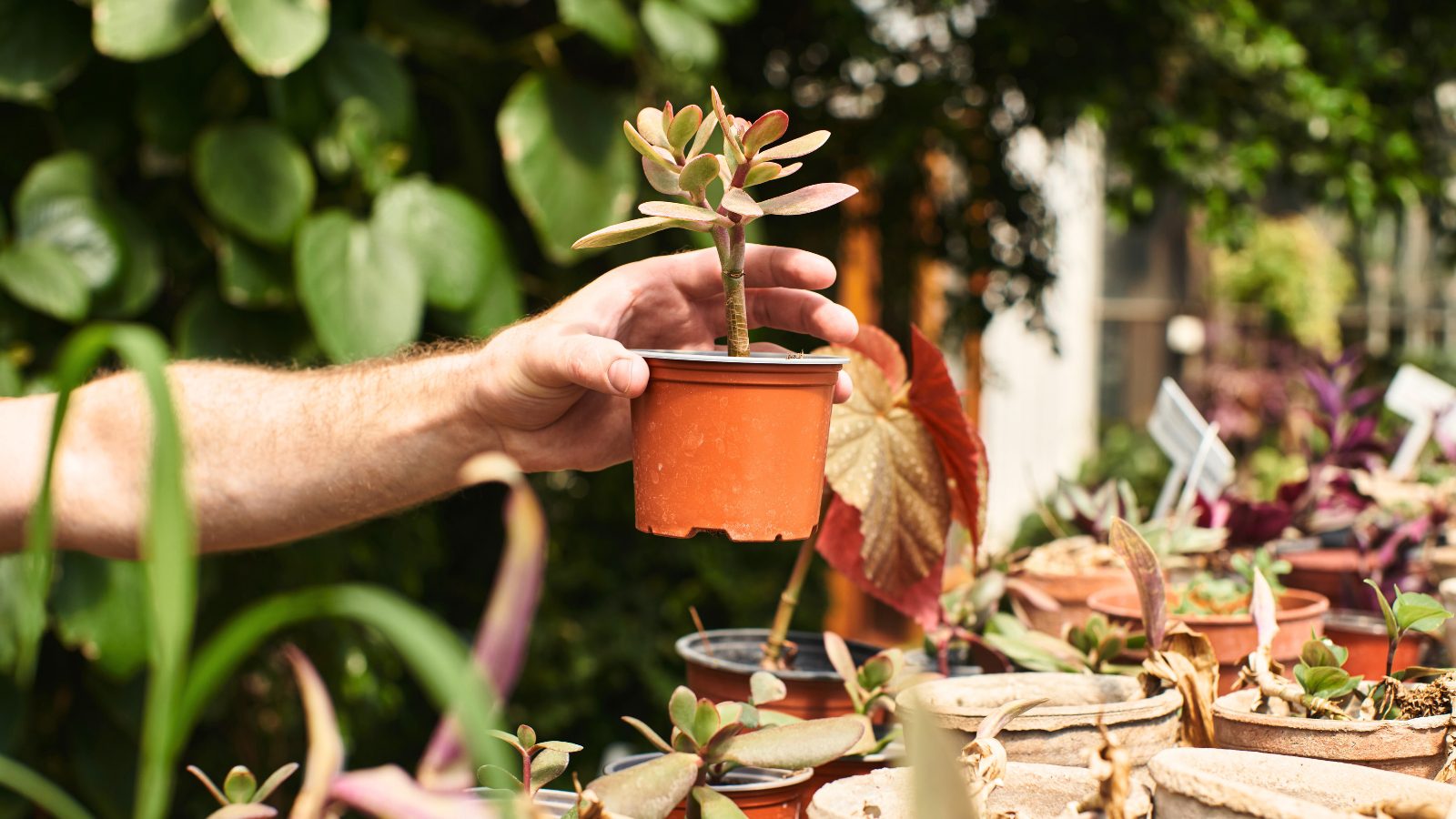
Necessary Plant Transitions
Ensure timely plant transitions to larger containers to maintain optimal root health and overall plant vigor. Repotting your plants into a new home is crucial for their well-being. When plants outgrow their current containers, their roots can become cramped and bound, hindering their ability to absorb nutrients and water effectively. By transitioning them to larger pots, you provide them with the necessary space to spread their roots, access more nutrients, and thrive. Regular repotting not only prevents root-bound issues but also encourages healthy root development, leading to stronger and more vigorous plants.
Failure to repot your plants can result in stunted growth and a decline in overall plant health. Without adequate room to grow, plants may struggle to flourish and reach their full potential. By making sure your plants have a comfortable and spacious new home, you are setting them up for success and ensuring their long-term vitality.
Choosing the Right Container
When selecting containers for your plants, remember that the size matters significantly. Choosing a container that accommodates the plant’s root system allows for proper growth and development. Ensure the container has adequate drainage to prevent waterlogging and maintain optimal plant health.
Container Size Matters
Selecting an appropriately sized container is crucial for ensuring healthy root development and optimal plant growth. When it comes to container size, smaller pots can lead to root-bound plants, restricting nutrient absorption and overall growth potential. On the other hand, larger containers provide ample space for roots to stretch out, fostering healthier root systems. Adequate airflow within the container is essential for optimal root growth and overall plant health. It is important to find the right balance in container size to support your plant’s growth and well-being. A good rule of thumb is to choose a container slightly larger than the current one, allowing room for root expansion while ensuring proper drainage. By selecting the right container size, you are setting the foundation for a thriving plant that can reach its full potential.
Drainage Is Essential
Properly chosen containers with adequate drainage are essential for maintaining healthy plants and preventing root issues. When selecting a container for your plant, ensure it has drainage holes at the bottom. These holes allow excess water to escape, preventing waterlogging and root rot. Without proper drainage, water can accumulate at the bottom of the container, leading to root suffocation and nutrient deficiencies. Plants in containers without drainage holes are more prone to wilting and root diseases due to trapped water. To promote optimal root oxygenation and overall plant health, always opt for containers with adequate drainage. Remember, the right container can make a significant difference in the growth and vitality of your plants. Prioritize selecting containers with drainage holes to provide your plants with the best environment for thriving.
Importance of Potting Soil
Using suitable potting soil is crucial for the health and growth of your plants. Potting soil provides vital nutrients like nitrogen, phosphorus, and potassium necessary for plant development. Good potting soil also ensures proper water drainage, preventing issues such as root rot that can harm your plants. The pH level of the potting soil is essential as it affects nutrient availability to your plants, directly impacting their overall health. Opting for well-draining potting soil promotes healthy root growth by preventing waterlogging, which can lead to root suffocation. Choosing potting soil tailored to your specific plant’s needs can further enhance its growth and flowering potential. Remember, the type of potting soil you select plays a significant role in the well-being of your plants, so invest in quality soil to set a solid foundation for their growth and prosperity.
Proper Watering Techniques
For plants left in their original containers, mastering proper watering techniques is key to avoiding common issues like waterlogging or dehydration. To ensure your plant thrives, follow these expert watering tips:
- Regularly Check Watering Needs: Monitor your plant’s moisture levels by inserting your finger into the soil; water when the top inch feels dry.
- Adjust Watering Based on Conditions: Consider factors like humidity levels and sunlight exposure when determining how much water your plant needs.
- Beware of Overwatering: Excess water can lead to root rot, so ensure the container has proper drainage and avoid leaving your plant sitting in standing water.
- Use a Moisture Meter: For accurate watering, consider using a moisture meter to gauge when your plant truly needs watering, preventing both over and underwatering.
Providing Adequate Light
Make sure your plants are getting the light they need by assessing their specific requirements and ensuring their containers allow sufficient light penetration. Position your plants in spots with enough sunlight to promote photosynthesis, growth, and overall health. Remember, light is crucial for preventing issues like leggy growth, leaf discoloration, and reduced flowering in your plants.
Light Requirements for Plants
To ensure your plants thrive, it is essential to understand and meet their specific light requirements. Different plants have varying light needs, and providing adequate light is crucial for their overall health and growth. Here are some key points to consider when it comes to light requirements for your plants:
- Direct Sunlight: Some plants, like succulents and cacti, thrive in direct sunlight and require several hours of sun exposure daily.
- Indirect Light: Plants such as ferns and snake plants prefer indirect light and can thrive in shaded areas with minimal direct sunlight.
- Low-Light Conditions: Certain plants like peace lilies and pothos can survive in low-light environments, making them suitable for areas with limited natural light.
- Supplemental Grow Lights: Indoor plants may benefit from supplemental grow lights to ensure they receive adequate light for photosynthesis and growth.
Understanding and providing the right amount of light for your plants is essential for their well-being and longevity. Regularly monitoring their light exposure and making adjustments as needed will help you maintain healthy and thriving plants.
Spot With Enough Sunlight
Choosing a sunny spot is crucial for ensuring your plants receive adequate light to thrive and grow optimally. Sunlight is vital for plant growth, with most plants requiring a minimum of 6-8 hours of sunlight daily. Without enough sunlight, plants may become leggy, weak, and exhibit poor flower production. For indoor plants, south-facing windows typically offer the best sunlight exposure. If your plants are not receiving adequate sunlight, they may become pale, stunted, or even lose leaves. To supplement natural light, consider placing your plants near windows or using grow lights to ensure they receive the required amount of sunlight. By providing your plants with the right amount of sunlight, you can help them photosynthesize efficiently, promoting healthy growth and overall well-being. Remember, light is a key factor in plant care, so be mindful of where you place your plants to support their sunlight needs.
Importance of Light
Ensuring plants receive adequate light is essential for their overall health and growth. When it comes to light, here are some key points to keep in mind:
- Photosynthesis: Adequate light is crucial for photosynthesis, the process through which plants convert light into energy, enabling them to thrive and grow.
- Impact of Insufficient Light: Insufficient light can result in stunted growth, leggy stems that are weak and struggle to support the plant, as well as yellowing leaves signaling a lack of chlorophyll production.
- Varied Light Requirements: Different plants have varying light needs, from those that thrive in full sun to others that can tolerate low light conditions. Understanding your plant’s specific requirements is crucial for its well-being.
- Immune System and Light: Lack of adequate light weakens a plant’s immune system, leaving it vulnerable to pests and diseases. Positioning your plants near windows or utilizing grow lights can help ensure they receive the necessary light for healthy development.
Managing Pet Interference
Consider keeping pets away from plants in their original containers to prevent potential damage and ensure the safety of both your plants and your furry companions. Pets may find the soil or scents of plants in containers attractive, leading to behaviors like digging or knocking over the pots. To mitigate this, place your plants in higher or enclosed areas where pets cannot easily access them. This simple adjustment can help deter pets from interfering with your plants and prevent accidents.
It’s crucial to be aware of any toxic plants you have in containers, as ingestion can be harmful to pets. By protecting both your plants and animals, you create a safer environment for everyone. Supervising pets around plants in containers is also advisable to ensure their well-being and the longevity of your plants. By taking these precautions, you can enjoy your greenery without worrying about potential mishaps involving your beloved pets.
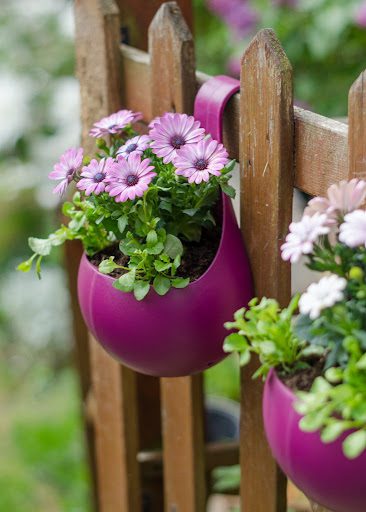
Outdoor Plant Care Tips
To ensure the health and longevity of your outdoor plants, addressing root-bound issues caused by leaving them in nursery containers is essential for optimal growth. When caring for your potted plants outdoors, follow these expert tips:
- Monitor Growth: Keep an eye on your potted plant’s growth to identify signs of being root-bound, such as roots circling the pot’s edges or emerging from the drainage holes.
- Check Soil Moisture: Regularly check the moisture level in the soil of your potted plant. Root-bound plants can struggle to absorb water properly, leading to dehydration.
- Repot Timely: When you notice your potted plant showing signs of stress or outgrowing its current container, repot it into a larger pot with proper drainage to encourage healthy root expansion.
- Fertilize Appropriately: Provide your potted plants with a balanced fertilizer to ensure they receive essential nutrients for robust growth and vibrant foliage.
Pests and Plant Protection
Addressing pests and protecting your plants is crucial when dealing with limited root space in original containers. Pests like fungus gnats and spider mites thrive in compact containers, leading to potential infestations. To safeguard your plants, consider transferring them to larger pots with proper drainage to prevent pest issues and promote stronger, healthier growth. Here’s a comparison to highlight the importance of repotting for pest prevention:
| Limited Root Space in Original Containers | Repotting to Larger Pots |
|---|---|
| Increases susceptibility to pests | Promotes stronger, healthier growth |
| Favors pest infestations | Prevents potential pest issues |
| Weakens plant resilience | Enhances plant protection against pests |
Expert Advice on Container Choices
Selecting the right containers is essential for maintaining the health and vitality of your plants. When choosing containers for your plants, consider the following expert advice:
- Size Matters: Opt for containers that provide ample room for root growth. Nursery pots are typically small and can cause plants to become root-bound, hindering their development.
- Drainage is Key: Ensure that your containers have proper drainage holes to prevent waterlogging, which can lead to root rot and other issues.
- Material Selection: Choose containers made of breathable materials like terracotta or fabric. These materials allow for better airflow to the roots compared to plastic containers.
- Room to Grow: Repot your plants into larger containers as they outgrow their nursery pots. This promotes healthier root development, prevents nutrient deficiencies, and supports overall plant growth and well-being. Remember, the right container choice can make a significant difference in the long-term health of your plants.