
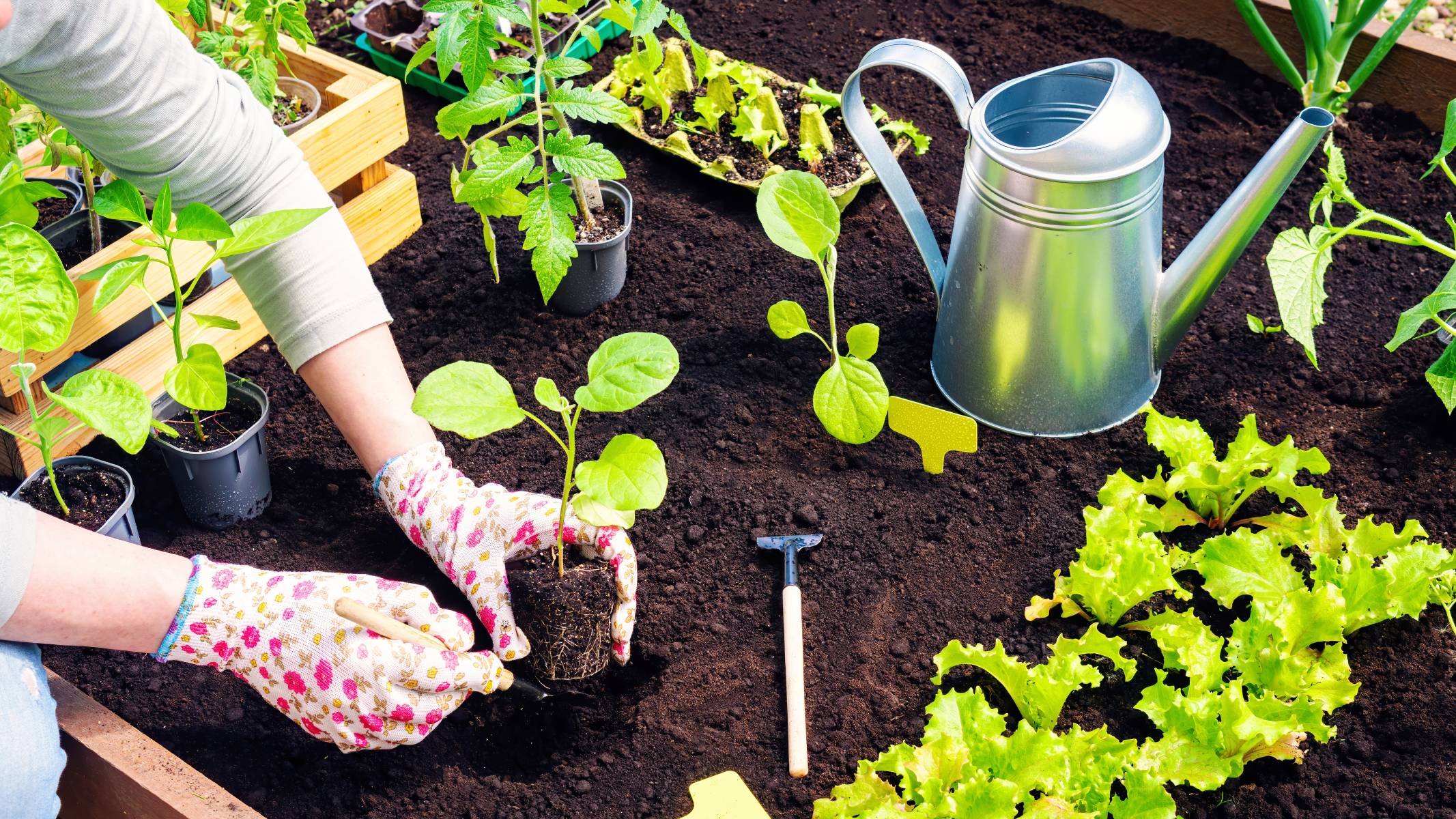
When transplanting, bury plant stems up to 70% below soil level to promote robust root growth and nutrient uptake. Deep burial insulates roots against drying out, enhances stability, and encourages new root development. Suitable for plants like tomatoes and peppers with elongated stems. Ensure soil quality for optimal growth conditions. Monitor plant health post-transplanting by adjusting watering and sunlight exposure. Adjust care routines to prevent stem rot and overwatering. Remember, proper stem burial is key to flourishing plants and long-term success. Opportunities for thriving root systems and bountiful harvests await!
Benefits of Deep Planting
When transplanting, burying plant stems deeply offers numerous benefits for the overall health and growth of your plants. By burying the stem, you are providing insulation to the roots, preventing them from drying out and aiding in better establishment. Additionally, buried stems can sprout new roots, enhancing the plant’s nutrient and water uptake capabilities. This process results in the development of a more extensive root system, as the roots are encouraged to grow deeper into the soil in search of essential resources.
The advantages of deep planting go beyond root development. Observations have shown that plants subjected to deep planting exhibit faster growth rates and higher survival rates compared to those planted at shallower depths. The increased soil depth allows for better access to crucial resources, promoting overall plant health. By burying plant stems when transplanting, you are setting your plants up for success by providing them with the optimal conditions for robust growth and vitality.
Suitable Plant Types for Deep Planting
Certain plant types are more suitable for deep planting due to their elongated stems and the ability to form adventitious roots. Species like tomatoes and peppers, known for their rooting capabilities, thrive when buried deeply. Their stems have the potential to develop new roots when placed underground, enhancing stability and nutrient uptake. However, plants with clumping habits or those needing ground-level growing points are not recommended for deep planting. Through observation and experimentation, both native and exotic plants have shown success with deep planting techniques, indicating its versatility across different species. Remarkably, plants buried up to 70% below ground level have exhibited rapid growth, underscoring the benefits of deep planting in suitable species. When selecting plants for deep planting, consider the stem structure, rooting abilities, and growth habits to ensure optimal results. By choosing appropriate candidates, you can harness the advantages of deep planting to promote robust growth and overall plant health.
Insulation Against Drying Out
When transplanting, burying plant stems deeper is essential for insulating roots against drying out, creating a stable environment for growth. This technique helps retain moisture, crucial for plant health, especially in dry conditions. Preventing drying out by burying stems deeper ensures roots can access necessary nutrients and hydration for optimal growth.
Stem Depth Importance
Burying plant stems deep during transplanting provides essential insulation against drying out, particularly in arid and hot environments. When you bury the stems deeper, you help shield the roots from extreme temperature changes and aid in moisture retention. This practice not only protects the plant from drying out but also encourages root growth along the buried stem, enhancing stability. Additionally, planting the stems deeper allows the roots to explore a larger volume of soil, promoting better nutrient absorption. By ensuring the proper stem depth during transplantation, you contribute significantly to the overall health and vigor of the plant. Remember, in hot and dry conditions, the depth at which you bury the stems can make a substantial difference in the plant’s ability to withstand environmental stresses and thrive. So, when transplanting, consider the benefits of burying plant stems deep to provide the necessary insulation and support for optimal growth.
Moisture Retention Benefits
Plant stems buried deep during transplanting not only offer insulation against drying out but also play a vital role in promoting moisture retention for optimal plant hydration. The benefits of deep burial go beyond just protecting the roots; they help maintain a consistent level of moisture essential for plant growth. Here’s how deep burial aids in moisture retention:
- Insulation: Deep burial acts as a shield against rapid evaporation, keeping the soil moist and providing a stable water supply for the roots.
- Moisture Retention: By preventing water loss through evaporation, deep burial ensures that the roots have access to the necessary hydration for healthy development.
- Stable Water Supply: The insulation provided by burying stems deep helps in maintaining a constant moisture level, reducing the risk of drought stress and promoting overall plant health.
In hot and arid environments, where water is scarce, deep burial becomes even more critical to safeguard the plant’s hydration levels.
Preventing Drying Out
Insulating the roots against drying out is a critical step in ensuring optimal moisture levels for plant health during transplanting. Deep burial of plant stems serves as a protective shield, safeguarding roots from excessive water loss due to sunlight and wind exposure. By burying the stems deeply, you create a barrier that helps maintain consistent moisture levels around the roots, promoting healthy root development post-transplant. This insulation against drying out is vital for the survival of the plant, as it ensures that the roots have ample access to the necessary moisture for growth. Preventing drying out through deep burial not only aids in immediate survival but also sets the foundation for the plant to establish robust root systems essential for long-term flourishing. Remember, when it comes to transplanting, a little extra effort in burying the stems deep can go a long way in protecting your plant from drying out and promoting its overall health and vitality.
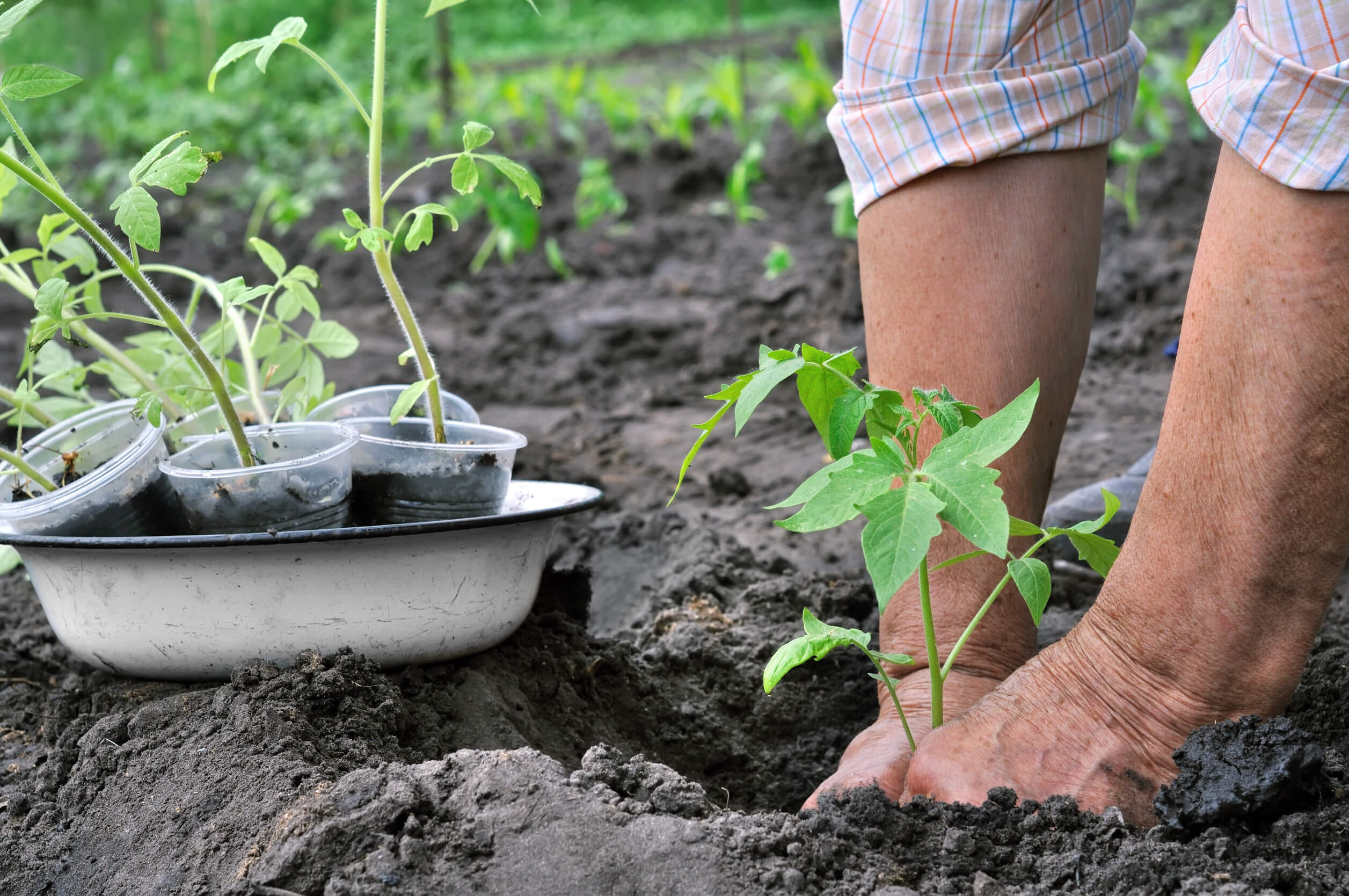
Access to Water and Nutrients
Enhancing the depth of burial for plant stems during transplantation facilitates increased access to vital water and nutrients. Deep burying allows plants to tap into resources from a greater soil depth, promoting improved growth. Here’s how it works:
- Enhanced Nutrient Absorption: Plants can form new root systems along buried stems, enabling them to absorb water and essential nutrients more efficiently. This process boosts overall plant health and vitality.
- Establishment and Root Development: Deeper planting leads to better establishment and extensive root development in plants. The increased access to water and nutrients encourages robust root growth, supporting the plant’s overall health and resilience.
- Insulation and Moisture Retention: The insulation provided by deep planting protects roots from drying out. This ensures that the plant maintains adequate moisture levels, promoting optimal growth and development.
Improved Root Development and Growth
Increasing the depth of burial for plant stems during transplantation contributes significantly to fostering improved root development and growth. When you try burying the stems deeper, you encourage the formation of new roots along the buried portion. Two methods commonly used for deep burial include trenching or simply burying the stem deeper in the existing hole. Years ago, gardeners discovered that enhanced nutrient absorption and water uptake are benefits of burying plant stems deeper. This process not only helps prevent plants from toppling over due to wind or heavy fruit, but it also increases stability in the root system. By ensuring the proper burial depth of plant stems, you can expect increased yield and healthier plants overall. So, when transplanting, consider burying the stems a bit deeper to promote robust root development and foster optimal growth in your plants.
Establishment of Healthy Root Systems
When transplanting, remember that burying plant stems deep is crucial for establishing healthy root systems. This practice encourages robust root growth along the buried stem, enhancing nutrient uptake and water absorption. Ensuring proper stem burial depth is essential for promoting plant health and stability.
Root Depth Importance
Proper root depth plays a crucial role in establishing healthy root systems in plants, ensuring optimal growth and development. When transplanting, paying attention to root depth is essential for the well-being of your plants. Here’s why it matters:
- Encourages Root Development: Deep burial of plant stems stimulates the growth of new roots along the buried portion. This results in a more extensive root system, which enhances the plant’s ability to absorb water and nutrients from the soil.
- Suitable for Certain Plants: Plants with elongated stems and good rooting capabilities benefit from deeper burial. This technique allows these plants to establish a stronger foundation for growth and stability.
- Enhanced Nutrient Absorption: Deep planting can lead to improved water and nutrient absorption, promoting overall plant health and vigor. Experimenting with burial depths and observing the plant’s response can help determine the optimal depth for different species.
Proper Stem Burial
To establish healthy root systems in plants, consider how proper stem burial can significantly impact the growth and development of your plants. Burying plant stems almost horizontally encourages new root growth, promoting root establishment. This method also enhances stem stability, ensuring that your plants remain upright and supported as they grow. Proper stem burial is crucial for nutrient absorption, as it allows roots to access essential nutrients and water efficiently, leading to healthier plants overall.
When burying plant stems, it is recommended to leave about 1.5 inches above the soil level. This practice not only helps with nutrient absorption but can also lead to increased yield and better control over growth. Deep planting insulates roots, promoting the development of new root systems and enhancing overall plant establishment. By paying attention to how you bury the stems of your plants, you can set a strong foundation for their growth and ensure they thrive in their new environment.
Ensuring Plant Health
Establishing healthy root systems in plants requires careful consideration of burial depth for optimal growth and stability. When ensuring plant health, the root structure, water absorption, and nutrient uptake are vital factors to focus on:
- Root Structure: Proper burial depth promotes the development of a strong and extensive root system. This, in turn, enhances the plant’s ability to anchor itself securely in the soil and access essential nutrients for growth.
- Water Absorption: Deeply buried stems encourage roots to grow downwards, reaching moisture deeper in the soil. This facilitates efficient water absorption, reducing the plant’s susceptibility to drought stress and promoting overall hydration.
- Nutrient Uptake: Optimal burial depth can lead to increased nutrient absorption by the roots. This allows the plant to access essential minerals and compounds necessary for various physiological processes, ultimately contributing to the plant’s overall health and vigor. By paying attention to these key aspects, you can help your transplanted plants establish robust root systems and thrive in their new environment.
Promoting Flourishing Plant Growth
Enhancing plant growth can be achieved by strategically burying plant stems at the appropriate depth during transplantation. Proper burial depth plays a crucial role in water retention, nutrient uptake, growth enhancement, and root stability. Different plants may require varying burial depths to thrive, with some species benefiting from deeper burial to stimulate root growth. Experimentation and careful observation are essential to determine the optimal burial depth for each plant type.
Deep burial can promote the development of new roots along the buried stem, increasing the plant’s ability to absorb nutrients efficiently. By monitoring the plant’s health and growth post-burial, you can evaluate the success of this technique and make any necessary adjustments. Remember, the goal is to encourage flourishing plant growth by providing the roots with a stable and nutrient-rich environment. With the right burial depth and attentive care, your plants are more likely to thrive and reach their full potential.
Traditional Planting Depth Recommendations
When transplanting your plants, it’s essential to stick to the optimal planting depths recommended. This practice not only impacts the health of your plants but also influences their overall growth. Remember, the right planting depth is key to ensuring your plants thrive after being transplanted.
Optimal Planting Depths
To ensure optimal planting depths when transplanting, adhere closely to traditional recommendations and plant at the same depth as the pot to maintain root health and stability. This ensures proper aeration and drainage for the roots, setting the stage for successful root system development and overall transplanting success. Here’s why following traditional planting depth guidelines is crucial:
- Stem burial depth: Planting at the correct depth prevents issues like stem rot and helps the plant establish a strong foundation for growth.
- Root system development: Consistent planting depths encourage healthy root growth, allowing the plant to establish itself effectively in its new environment.
- Transplanting success: Adhering to traditional guidelines minimizes the risk of transplant shock, promoting better overall plant health and ensuring a successful transition to a new location. By planting at the recommended depth, you set your plant up for long-term flourishing.
Impact on Plant Health
Maintaining the traditional planting depths recommended for transplanting plays a crucial role in safeguarding the overall health and vitality of your plants. Adhering to these guidelines ensures that the root structure remains stable, allowing for optimal nutrient uptake and water retention. Proper planting depth supports the development of a healthy root system, which is essential for the overall well-being of the plant.
To emphasize the importance of traditional planting depths, consider the following aspects:
| Aspects | Benefits |
|---|---|
| Root Structure | Prevents root exposure and promotes healthy root establishment |
| Nutrient Uptake | Facilitates efficient absorption of essential nutrients |
| Water Retention | Maintains proper moisture levels around the roots for hydration |
Avoiding Root Rot Risks
To minimize the risk of root rot, ensure that you bury plant stems at a depth that leaves approximately 1.5 inches above the soil level. Here are some practical tips to help you avoid root rot risks:
- Watering Techniques: Water your plants around the edges of the pot rather than directly on the stem. This method keeps the stem dry, reducing the chances of rot setting in due to excess moisture.
- Soil Drainage: Ensure that the soil has proper drainage to prevent waterlogging, which can lead to root rot. Use well-draining soil mixes and pots with drainage holes to help excess water escape.
- Avoid Deep Burying: Deeply burying plant stems can promote root rot, fungal diseases, and hinder photosynthesis if leaves are buried. Overwatering becomes a concern when stems are buried too deeply, making it harder to monitor plant health effectively.
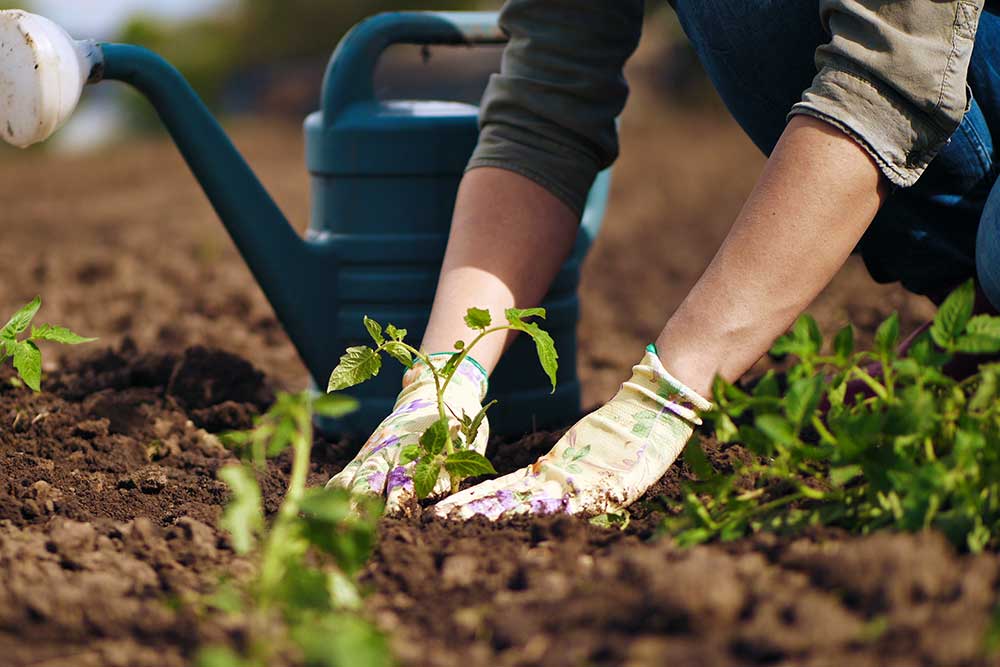
Ensuring Good Rooting Capabilities
When burying plant stems during transplanting, ensuring good rooting capabilities is crucial for promoting optimal growth and stability. Understanding the rooting depth of different plant species is essential as it directly impacts their growth stability. Consider the plant’s natural rooting habits and its ability to form new roots along buried stems when determining the appropriate depth for burial. Some plants, especially those with elongated stems and strong rooting potential, may benefit from deeper burial to encourage robust root development.
Experimentation and observation play a key role in finding the right balance; avoid burying stems too deep as this can lead to issues like suffocation or root rot. By carefully assessing the rooting habits of the plant species you are working with, you can tailor the burial depth to suit their specific needs. Below is a table summarizing key points related to ensuring good rooting capabilities:
| Rooting Depth | Growth Stability | Rooting Habits |
|---|---|---|
| Adequate depth | Enhanced | Plant-dependent |
| Shallow burial | Compromised | Varied |
Tips for Successful Deep Planting
For successful deep planting, consider burying plant stems up to 70% below ground level to promote robust root development and growth stability. Here are some tips to enhance root establishment, stem elongation, and deep root growth:
- Encourage Root Establishment: By burying the stems deep, you provide a conducive environment for the roots to establish themselves firmly in the soil. This promotes better nutrient uptake and overall plant health.
- Promote Stem Elongation: Deep planting encourages the stems to grow longer, which can lead to the formation of adventitious roots along the buried portion. These additional roots contribute to the plant’s stability and resilience against environmental stressors.
- Facilitate Deep Root Growth: Deeply buried stems encourage the plant to develop a strong network of roots extending deep into the soil. This deep root system enhances water and nutrient absorption, making the plant more drought-resistant and better equipped to withstand strong winds.
Importance of Soil Quality
Soil quality plays a significant role in determining the success of burying plant stems and directly impacts root development and overall plant health. When preparing the soil for deep planting, it is essential to consider the nutrient requirements of the plants. The composition of the soil influences the availability of nutrients crucial for plant growth post-transplanting. Additionally, good water drainage is necessary to prevent waterlogging, which can lead to root rot and hinder root development. Adequate soil aeration is also vital as it promotes oxygen availability to the roots, supporting their growth and overall health. Experimenting with different soil types can help determine the best conditions for successful deep planting of plant stems, ensuring optimal root development and growth promotion. By focusing on soil preparation, nutrient requirements, water drainage, and aeration needs, you can create an environment that fosters healthy root systems and flourishing plants.
Monitoring Plant Health Post-Transplanting
Regularly monitoring the health of your newly transplanted plants is crucial for ensuring their successful establishment and growth in their new environment. Here are some key aspects to focus on:
- Watering Frequency: Pay close attention to the moisture levels in the soil. Ensure that the plant is receiving adequate water without being overwatered, as both extremes can stress the plant.
- Sunlight Exposure: Monitor the amount of sunlight the plant is receiving in its new location. Adjust the positioning if necessary to provide the plant with the right amount of sunlight it needs for optimal growth.
- Pruning Techniques: Keep an eye on the plant’s growth and prune any damaged, diseased, or overgrown parts. Pruning helps promote healthy growth and allows the plant to allocate resources more efficiently post-transplanting.
Adjusting Care Routines for Buried Stems
How can you adjust your care routines to ensure the health and growth of plants with buried stems post-transplanting? One crucial aspect to consider is watering frequency. Adjust your watering routines to prevent stem rot and fungal diseases in buried plants. Monitor soil moisture carefully to avoid overwatering, which can lead to waterlogging around buried stems. Using well-draining soil can help prevent soil compaction and further reduce the risk of water-related issues.
Additionally, disease prevention is key. Keep a close eye on signs of stress or suffocation in plants with buried stems. Check for any symptoms of disease and take proactive measures to address them promptly. Monitoring leaf health and photosynthesis can help you ensure that buried stems are not hindering overall plant growth.