
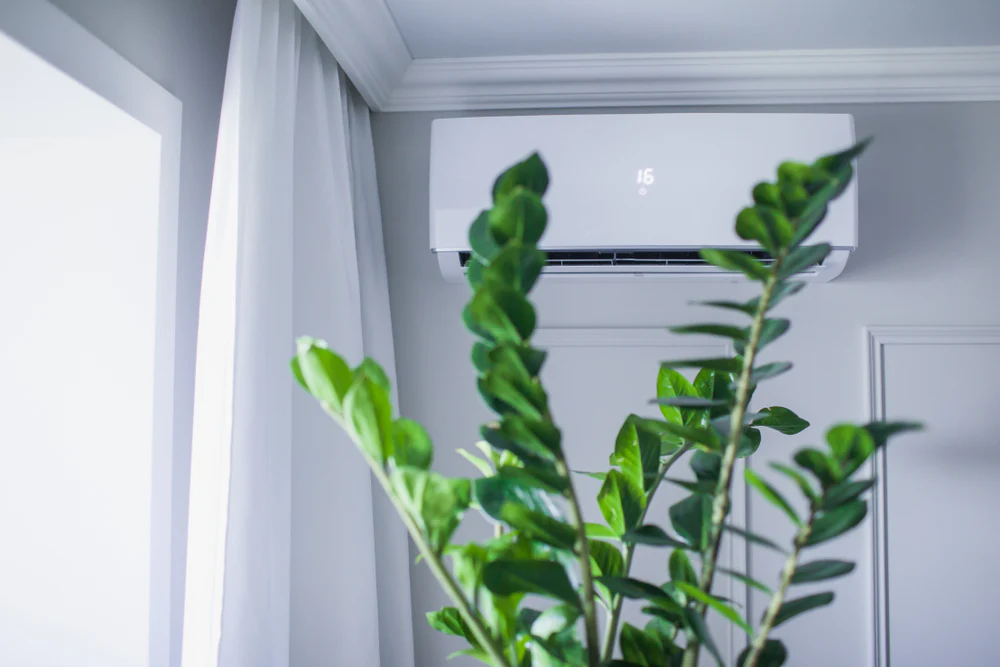
In caring for plants in AC, consider the challenges it poses. AC can strip moisture, affecting water absorption and plant growth. Signs of stress like dropping leaves indicate trouble. Combat this by misting plants regularly and managing humidity levels. Proper placement away from vents prevents damage. Shielding small plants with glass helps. Watch for signs of wilting, faded colors, or leaf damage. Monitor temperature changes and air quality. Ensure plants have proper care techniques to thrive. For a deeper understanding of caring for plants in AC, explore further on optimizing humidity levels and plant placements for healthier growth.
Effects of AC on Plant Health
Exposure to air conditioning can have detrimental effects on the health of indoor plants, impacting their growth and overall well-being. Air conditioning systems are designed to cool indoor environments by removing heat and moisture from the air. While this is beneficial for human comfort, it can create a challenging environment for indoor plants. The decrease in humidity levels caused by air conditioning can lead to water loss through transpiration at a higher rate than the plants can absorb moisture from the soil. As a result, plants may exhibit signs of distress such as dropping leaves, faded or yellowing foliage, browning leaf edges, and a lack of flowering. Furthermore, the lower temperatures induced by air conditioning can slow down or halt the growth of indoor plants. To mitigate these effects, it is essential to move plants away from direct vents and drafty areas, as well as maintain indoor humidity levels between 40-60% to support plant health in air-conditioned spaces.
Moisture Stripping by AC
Air conditioning systems can significantly impact indoor plants by stripping moisture, leading to wilting and stress in the plant tissues. When AC units run, they cool the air by removing moisture, resulting in low humidity levels that can be detrimental to plants. Plants rely on a certain level of humidity to thrive, and when this balance is disrupted by air conditioning, they can suffer from dry, faded leaves and reduced growth. Low humidity caused by AC can also lead to dehydration and damage to plant cells, especially if vents blow directly on the plants. To combat the effects of moisture stripping by AC, regular misting of plants can help replenish lost moisture. It is crucial to monitor humidity levels and take proactive measures to ensure that plants receive adequate moisture to maintain their health and vitality in air-conditioned environments.
Moving Plants Away From Vents
Positioning plants away from air conditioning vents is essential to prevent direct cold air exposure and subsequent damage to plant cells. Cold air from vents can lead to freezing of plant cells and dehydration, causing harm to your plants. It is crucial to shield your plants from low humidity levels that can result from the direct airflow of air conditioning systems. By relocating your plants away from air vents, you can protect them from the drying effects of the air and maintain a healthier environment for their growth. Consider using shields or deflectors to redirect the airflow and create a barrier between the vents and your plants. These shields can help mitigate the negative impact of air conditioning on your plants while still allowing them to receive the natural light they need. In this way, you can ensure that your plants thrive in an environment that is conducive to their well-being.
Regular Plant Misting
To maintain optimal health for your plants in air-conditioned environments, understanding their moisture needs is crucial. Regular misting should be done daily or as needed to prevent wilting, fading colors, and leaf damage. This practice helps create a microclimate that mimics natural conditions, promoting healthy growth despite the effects of air conditioning.
Moisture Needs
Regular misting of plants in air-conditioned environments is essential for maintaining proper moisture levels and preventing wilting. The dry air from air conditioning can deplete the humidity in the air, affecting the plants’ moisture needs. Misting provides a simple solution to counteract this effect, helping to restore lost moisture and create a more suitable environment for plant growth. Small plants, particularly those sensitive to cold air and temperature changes, benefit greatly from regular misting, as it aids in preventing stress and wilting. In low humidity environments, daily misting is recommended to ensure that the plants receive adequate moisture and remain healthy. Proper moisture levels are crucial for plant health, especially in air-conditioned spaces where the air can be particularly dry.
| Moisture Needs | Importance | Effects |
|---|---|---|
| Restoring moisture | Essential | Prevents wilting |
| Countering dry air | Crucial | Revives plants |
| Sensitive plants | Beneficial | Maintains health |
Mist Frequency
Maintaining proper mist frequency is crucial for plants in air-conditioned environments to combat the effects of dry air and preserve optimal hydration levels. When misting plants, consider the following:
- Regular Mistings: Help restore lost moisture in low humidity conditions caused by air conditioning, preventing wilting, fading, and leaf damage.
- Frequent Misting for Small Plants: Small plants are particularly prone to stress in low humidity levels, so misting them daily can help maintain their hydration levels and overall health.
- Morning Misting with Fine Droplets: Mist sensitive plants in the morning with fine droplets to mimic natural dew formation and create a humid microclimate that supports their growth.
Protecting Small Plants
Small plants, being more susceptible to cold air and temperature fluctuations induced by air conditioning systems, require special care to thrive. Shielding small plants with glass terrariums can effectively protect them from the adverse effects of air conditioning. Placing these delicate plants away from direct AC vents is crucial as it helps prevent the freezing of plant cells, which can lead to irreversible damage. Additionally, misting small plants daily is a beneficial practice to restore lost moisture and maintain their health, especially in environments with low humidity levels that are common in air-conditioned spaces. It is essential to monitor the health of small plants closely after implementing these protective measures to ensure optimal growth and well-being. By taking these precautions, you can create a more suitable environment for small plants to flourish despite the challenges posed by air conditioning systems.

Understanding Temperature Fluctuations
You must recognize that abrupt temperature shifts caused by air conditioning systems can harm your plants by inducing stress and physical damage. These fluctuations can lead to cellular freezing within your plants, jeopardizing their overall health. To prevent dehydration and other negative consequences, closely monitor temperature changes and adjust the positioning of your plants accordingly.
Impact of AC
Temperature fluctuations induced by AC systems pose a significant challenge for plant health and growth, impacting their cellular functions and overall well-being. The effects of air conditioning on plants can be detrimental due to the rapid changes in temperature and humidity levels they experience. Here’s how AC impacts your plants:
- Stress on Plant Cells: Sudden temperature shifts caused by AC can stress plant cells, leading to physiological disruptions that hinder growth.
- Visible Signs of Distress: Plants may exhibit visible signs of distress such as wilting or browning edges, indicating their struggle to adapt to fluctuating conditions.
- Importance of Monitoring: Understanding the impact of AC on temperature stability is crucial for ensuring the well-being of your indoor plants.
To maintain a healthy indoor garden, it is essential to monitor and regulate temperature fluctuations induced by AC systems, providing a stable environment for optimal plant growth and vitality.
Maintaining Ideal Conditions
Understanding the impact of air conditioning on plant temperature stability is vital for maintaining optimal growth conditions and preventing negative repercussions on plant health. Sudden temperature fluctuations caused by AC systems can stress plants, disrupting their growth cycles. Exposure to constant cold air from AC vents may even lead to the freezing of plant cells, causing damage. It is crucial to comprehend the temperature preferences of plants to create an environment conducive to their well-being. Monitoring indoor temperatures and adjusting AC settings can help establish a stable climate for plant health. Proper placement of plants away from direct airflow is essential to minimize temperature variations and maintain ideal growth conditions. By considering these factors, you can ensure that your plants are not adversely affected by the temperature fluctuations induced by air conditioning systems, thereby promoting their overall health and vitality.
Preventing Wilting Leaves
To prevent wilting leaves in plants affected by air conditioning, it is essential to carefully monitor and control the airflow from AC vents. Direct exposure to cold air can lead to moisture loss in plants, causing their leaves to wilt. Here are three key strategies to prevent this issue:
- Adjust Plant Placement: Move plants away from direct airflow from AC vents to reduce the impact of cold, dry air on their foliage.
- Regularly Check Moisture Levels: Monitor the soil moisture levels of plants more frequently when the AC is running to ensure they are adequately hydrated.
- Consider Using a Humidifier: Introducing a humidifier in the room can help counteract the drying effects of air conditioning, maintaining a more suitable environment for plant health.
Restoring Lost Humidity
Restoring lost humidity in plants affected by air conditioning is crucial for their overall health and well-being. Low humidity levels caused by AC can lead to wilted leaves and loss of flower buds. To combat the effects of reduced humidity, misting plants daily is a simple yet effective method. When misting, ensure the water droplets are fine, as large droplets can act as magnifying glasses under intense light and burn the leaves. Proper watering techniques are also vital; avoid overwatering to prevent mold and root rot. It’s essential to strike a balance to maintain optimal humidity levels for indoor plants. Monitoring humidity levels with a hygrometer can help determine if misting is required. By restoring lost moisture through misting and avoiding overwatering, you can help your plants thrive in an air-conditioned environment and promote their overall well-being.
Avoiding Cold Drafts
To prevent dehydration and freezing in plant cells, it is crucial to address the issue of cold drafts from air conditioning vents when caring for plants in an air-conditioned environment. Cold drafts can be detrimental to plant health, causing stress and potential damage. Here are some strategies to help you avoid cold drafts and protect your plants:
- Move plants away: Position your plants away from direct airflow from air conditioning vents to reduce the risk of dehydration and freezing. This simple step can significantly improve the well-being of your plants.
- Use shields or deflectors: Installing shields or deflectors around air conditioning vents can help redirect the cold airflow away from sensitive plants, providing them with a more stable environment.
- Consider glass terrariums: For small plants that are particularly sensitive to cold drafts, placing them in glass terrariums can offer protection while still allowing them to receive light and moisture.
Impact on Indoor Plant Growth
When exposed to air conditioning, indoor plants may suffer from decreased humidity levels, leading to dryness and stress. This can manifest as wilting, browning of leaf edges, and stunted growth in plants. Sudden temperature changes caused by air conditioning can also shock plants and impede their development.
AC and Plant Growth
Air conditioning can significantly affect the growth of indoor plants due to its impact on humidity levels and temperature regulation. When considering the effects of AC on indoor plants, it is crucial to understand the following:
- Reduced Humidity: Air conditioning systems often reduce the humidity levels in a room, leading to dry conditions that can stress plants and hinder their growth.
- Temperature Fluctuations: AC units can cause temperature fluctuations, which may not be ideal for certain plant species and can result in issues like wilting, leaf discoloration, and slowed growth.
- Drying Out Plants: The dry air produced by air conditioning can dehydrate plants, affecting their ability to absorb water and nutrients from the soil.
To counteract these negative effects, consider placing plants away from direct airflow, regularly misting them to increase humidity, monitoring their health closely, adjusting watering schedules, and ensuring they receive adequate humidity to thrive in an air-conditioned environment.
Temperature Effects
Air conditioning systems can significantly influence the growth of indoor plants by altering temperature conditions within a room. When exposed to air conditioning, indoor plants may experience temperature changes that can lead to decreased humidity levels. Lower temperatures and reduced humidity levels can have adverse effects on plant health, causing issues such as dropping leaves, faded or yellowing foliage, browning edges, and inhibited flowering. The growth of indoor plants may slow down or even halt in response to these unfavorable conditions imposed by air conditioning. It is crucial to closely monitor the well-being of indoor plants when using air conditioning to prevent potential damage. To counteract the negative impact of air conditioning on plants, consider adjusting their placement to minimize direct exposure to cold air, increasing humidity levels through methods like misting or using a humidifier, and ensuring plants receive adequate lighting to support their growth and vitality.
Humidity Considerations
Maintaining proper humidity levels is crucial for ensuring optimal growth and health of indoor plants. Humidity directly impacts transpiration rates and overall plant health. Here are some key considerations regarding humidity levels for indoor plants:
- Impact on Plant Health: High humidity levels can lead to mold growth on plants, potentially harming them. On the other hand, low humidity levels can cause wilting and dryness, affecting the plant’s overall well-being.
- Species-Specific Preferences: Different plant species have varying humidity preferences that must be taken into account. Understanding these preferences can help provide the best care for each plant.
- Signs of Improper Humidity: Keep an eye out for signs such as mold, rot, or dryness on plants. These indicators suggest that adjustments to the humidity levels may be necessary to maintain the plants’ health and vigor.
Monitoring and adjusting humidity levels accordingly are critical steps in nurturing healthy indoor plants.
Maintaining Indoor Plant Color
To ensure vibrant colors in your indoor plants, it is crucial to address the effects of reduced humidity caused by air conditioning. Air conditioning can significantly impact the color of your plants by lowering humidity levels, leading to issues such as wilting, faded leaves, and an overall lack of vibrancy. Maintaining optimal indoor humidity levels is key to preserving the natural colors of your plants. Signs of damage from air conditioning on plants may manifest as pale, yellowing, or browning leaves, indicating a need for intervention.
To combat the negative effects of low humidity from air conditioning, consider implementing measures such as misting your plants regularly or using humidifiers in the indoor environment. These practices can help to counteract the dryness caused by air conditioning and promote healthier, more colorful foliage. By taking proactive steps to address humidity levels, you can ensure that your indoor plants maintain their vibrancy and visual appeal despite the challenges posed by air conditioning.

Choosing Suitable Plant Locations
Placing indoor plants in appropriate locations is crucial for their health and longevity, especially in environments affected by air conditioning. When considering suitable plant locations in an air-conditioned space, it is essential to be mindful of factors such as humidity levels and sensitivity to cold air. To ensure optimal conditions for your plants, follow these guidelines:
- Avoid Direct Airflow: Placing plants near air conditioning vents can cause dehydration and stress on plant cells. Optimal plant locations include areas away from direct airflow to prevent moisture loss.
- Consider Humidity Requirements: Humidity-loving plants thrive in environments with higher moisture levels. Position these plants in rooms with naturally higher humidity levels, such as bathrooms or kitchens.
- Protect From Cold Air: Some plants are sensitive to cold drafts. Shielding plants from cold air by placing them in glass terrariums can offer protection and help maintain warmth, safeguarding them from potential harm. Remember, understanding and accommodating individual plant needs are essential for their well-being in air-conditioned settings.
Improving Indoor Air Quality
To enhance indoor air quality in your air-conditioned space, consider incorporating air-purifying plants such as peace lilies and spider plants. These plants can help reduce pollutants and create a healthier environment for your plants to thrive. Additionally, controlling humidity levels and ensuring proper ventilation are crucial steps to maintain a comfortable and pollutant-free indoor atmosphere for your green companions.
Air Purifying Plants
Air purifying plants play a crucial role in improving indoor air quality by effectively filtering out common indoor air pollutants. These plants, such as peace lilies, spider plants, and snake plants, have been identified by NASA’s Clean Air Study as powerful air purifiers. They release oxygen during photosynthesis while absorbing harmful gases like formaldehyde, benzene, and trichloroethylene, thereby enhancing the quality of the air you breathe indoors. By incorporating these air purifying plants in your air-conditioned spaces, you not only improve the air quality but also promote overall well-being. Consider adding these plants to your home or office to reduce respiratory issues and create a healthier indoor environment.
- Peace lilies, spider plants, and snake plants are effective air purifiers.
- NASA’s Clean Air Study recognizes these plants for their ability to filter out common indoor air pollutants.
- By releasing oxygen and absorbing harmful gases, air purifying plants contribute to a healthier indoor environment.
Humidity Control Tips
Maintaining optimal indoor humidity levels between 40-60% is essential for ensuring the health and vitality of plants in air-conditioned environments. Low humidity levels can lead to wilting, dryness, and browning of leaf edges in plants. To combat these effects, consider using humidifiers, pebble trays, or grouping plants together to create a more humid microclimate. Monitoring humidity levels with a hygrometer is vital; adjusting as needed can prevent issues such as mold growth and improve plant transpiration.
| Humidity Control Methods | Description |
|---|---|
| Humidifiers | Devices that add moisture to the air to increase humidity levels. |
| Pebble Trays | Trays filled with water and pebbles to create a humid environment around plants. |
| Grouping Plants Together | Placing plants close together to raise local humidity levels through transpiration. |
Natural Air Filtration
Indoor plants play a crucial role in enhancing air quality by naturally filtering and purifying indoor environments. Through a process known as phytoremediation, plants absorb harmful toxins and pollutants, releasing clean oxygen into the air. Specifically, certain houseplants like peace lilies, spider plants, and snake plants are renowned for their air-cleaning abilities. NASA’s Clean Air Study has identified the effectiveness of houseplants in removing indoor air pollutants, making them a valuable addition to any indoor space.
- Houseplants can naturally filter indoor air by removing toxins and pollutants.
- Certain plant species like peace lilies, spider plants, and snake plants are effective air purifiers.
- NASA’s Clean Air Study has recognized the air-cleaning abilities of houseplants, emphasizing their role in improving indoor air quality.
Proactive Plant Care Measures
To ensure the health and vitality of your plants in an air-conditioned environment, it is crucial to implement proactive care measures that address the impact of artificial climate control on plant growth. Positioning your plants away from air vents is essential to prevent dehydration and freezing of plant cells. Additionally, misting the leaves daily can help restore lost moisture in low humidity environments caused by air conditioning. Utilizing glass terrariums is another proactive measure to shield sensitive plants from cold air and maintain a warm, humid environment conducive to growth. Understanding individual plant needs and selecting hardier varieties with bigger leaves can enhance their tolerance to the effects of air conditioning. Lastly, monitoring your plant’s health post-adjustments is crucial to ensure optimal growth and make necessary care adjustments promptly.
| Proactive Plant Care Measures | ||
|---|---|---|
| 1. Position away from air vents | 2. Mist leaves daily | 3. Use glass terrariums |
| 4. Select hardier plant varieties | 5. Monitor plant health |