
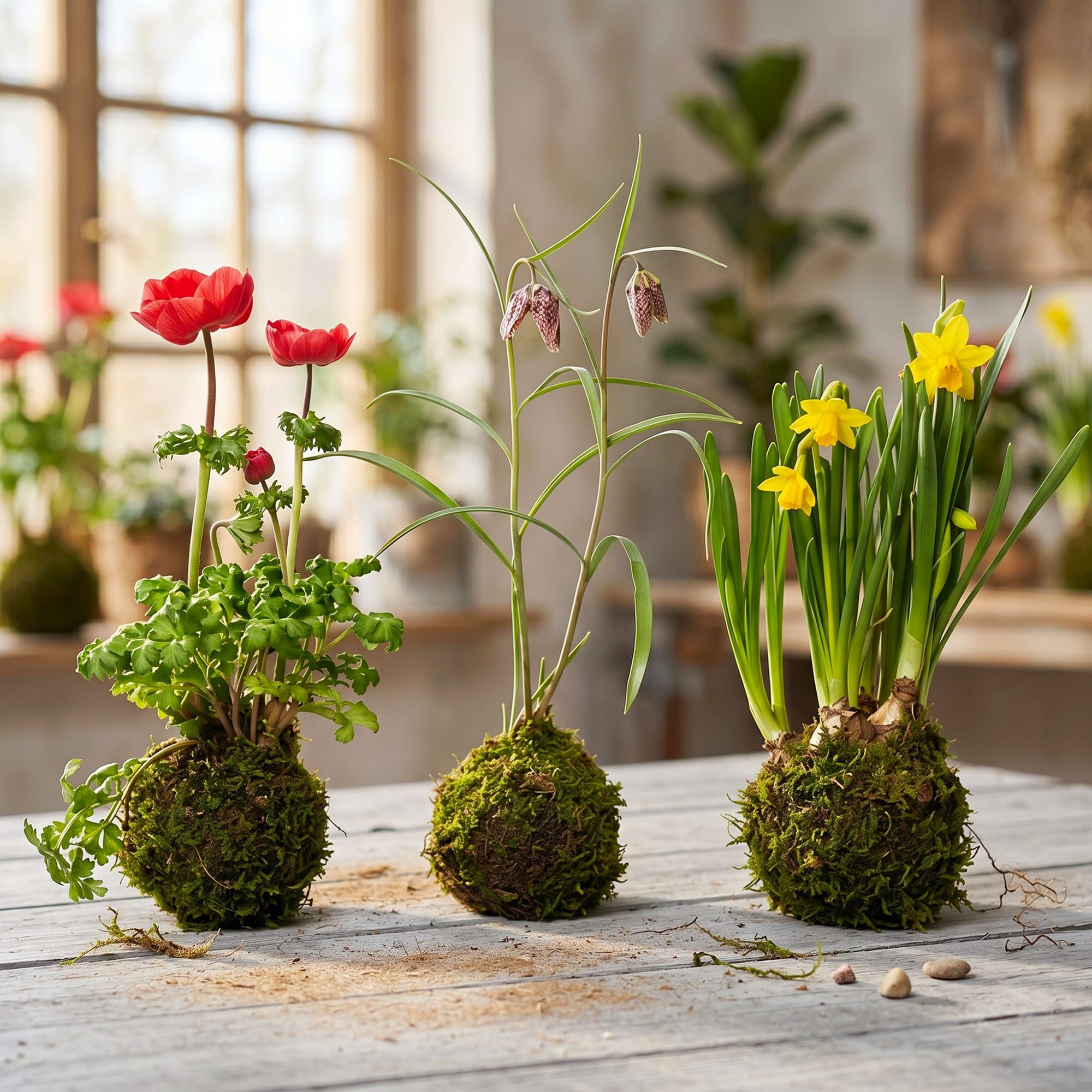
In sandy soil, plants can indeed grow successfully if you follow these steps. Choose plants like lavender, tickseed, and cacti which thrive in sandy conditions. Improve sand quality with compost and mulching to enhance nutrients and moisture. Implement water management strategies like drip irrigation and rainwater harvesting, and select water-wise plants. Use slow-release fertilizers and organic options to nourish the soil. Care for your plants by incorporating organic matter, choosing suitable species, and practicing efficient watering. With these tips, your plants can flourish in sandy environments.
Plant Selection for Sandy Soil
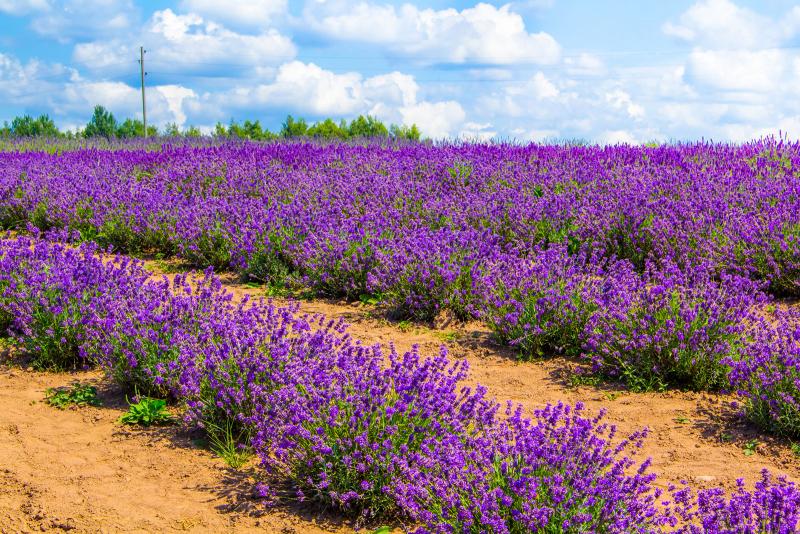
When selecting plants for sandy soil, opt for species such as lavender, tickseed, sedums, cacti, succulents, and yarrow that are well-suited to thrive in these conditions. Native plants and tough varieties are crucial for successful growth in sandy environments. These plants have adapted to store water in their leaves or require less watering, making them ideal choices for sandy soil. By choosing plant species that can withstand sandy conditions, you ensure easier gardening with minimal maintenance. Plants naturally suited to sandy soil not only thrive but also promote overall plant health by reducing the need for extensive care. Selecting the right plant species is key to establishing a vibrant garden in sandy soil. Through thoughtful plant selection, you can create a beautiful and sustainable garden that flourishes in challenging sandy conditions.
Improving Sand Quality
To enhance the quality of sandy soil, incorporating organic matter such as compost or manure is a practical method for improving nutrient levels and moisture retention. Organic matter plays a crucial role in fostering beneficial microbes that aid in breaking down nutrients for better plant uptake. Additionally, regular mulching not only helps retain moisture in sandy soil but also adds essential nutrients to support plant health. Plant selection is also paramount; opting for plants naturally suited to sandy conditions can significantly reduce maintenance efforts while promoting overall plant health.
- Incorporating organic matter like compost or manure enhances nutrient content and moisture retention.
- Organic matter encourages beneficial microbes that aid in nutrient breakdown for plants.
- Regular mulching helps maintain moisture levels and adds essential nutrients.
- Choosing plants suited to sandy conditions reduces maintenance efforts and supports plant health.
Water Management Strategies
In sandy soil environments, effective water management strategies are crucial for optimizing plant growth and health. To conserve water in sandy soil, consider implementing rainwater harvesting systems and underground cisterns. Prevent wind erosion by establishing vegetation and using mulch to protect plants. Choose plants adapted to dry conditions to minimize water usage in sandy soil gardens. Utilize water-efficient irrigation techniques such as drip irrigation and soaker hoses for effective water management. These methods help in adjusting watering frequency and amounts based on plant needs, optimizing water usage in sandy soil. By conserving water and preventing wind erosion, you can ensure the successful establishment of vegetation in sandy soil environments. Remember that mulch not only helps in conserving water but also aids in maintaining soil moisture. Employing these water management strategies will contribute to the health and growth of plants in sandy soil areas.
Fertilization Techniques
Effective fertilization techniques play a critical role in enhancing plant growth and nutrient uptake in sandy soil environments. To ensure optimal plant nutrition in such conditions, consider the following strategies:
- Utilize slow-release fertilizers: These help prevent nutrient leaching in sandy soils and provide a steady supply of nutrients to plants over time.
- Incorporate organic fertilizers: Enhance soil fertility by using compost or manure, which not only enrich the soil but also improve its nutrient content.
- Use liquid fertilizers: Opt for these to facilitate quick nutrient absorption by plants in sandy soil, ensuring they receive essential nutrients promptly.
- Choose balanced fertilizers: Select fertilizers containing essential nutrients like nitrogen, phosphorus, and potassium to promote optimal plant growth in sandy environments.
Remember to monitor your plants’ response to fertilization and adjust application rates accordingly based on individual plant requirements. By employing these techniques, you can support healthy plant growth and development in sandy soil.
Plant Care in Sandy Environments
Enhance the health and vitality of plants growing in sandy environments by implementing specialized care techniques tailored to their unique soil conditions. Sandy soil, known for its poor nutrient content and low moisture retention, requires specific plant care strategies. To improve the soil quality, incorporate organic matter such as compost or manure to boost nutrient levels and enhance moisture retention. Choose plants like lavender, sedums, and yarrow that thrive in sandy soil conditions and are adapted to dry environments, reducing the need for excessive watering. Implement water-wise irrigation methods like drip irrigation to efficiently deliver water to plants in sandy soils while conserving water resources. Additionally, regularly adding mulch around plants can help maintain moisture levels, suppress weeds, and provide essential nutrients. By selecting appropriate plants, enhancing soil quality, and practicing water-efficient techniques, you can ensure the successful growth and longevity of plants in sandy environments.