
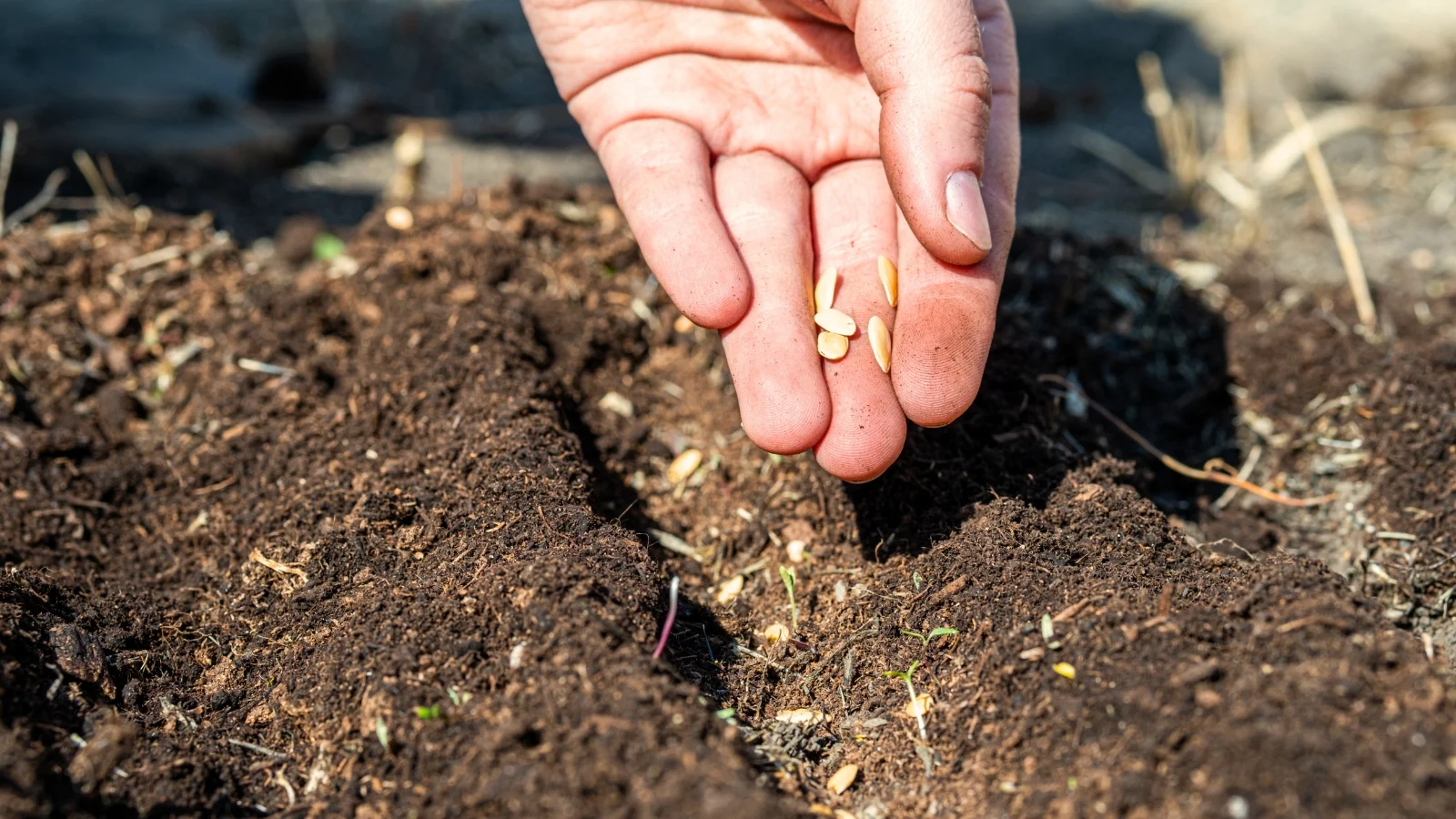
When planting fresh seeds, ensure success by soaking and separating them, hardening protective coats, and thorough drying. Proper seed prep maximizes germination and growth. Harvest ripe peppers, clean seeds well, and consider fermentation benefits for higher germination rates. For optimal results, focus on seed viability and suitable varieties for your climate. Fresh seeds offer control over taste and quality. Select ripe, healthy peppers for best results. Thoroughly dry seeds before planting to avoid mold. Understanding these seed prep techniques sets you up for success in your gardening endeavors.
Importance of Fresh Seeds
Fresh seeds play a vital role in ensuring successful germination and robust plant growth. When it comes to planting fresh seeds, those from fruits like tomatoes, peppers, and melons are excellent choices due to their viability and ease of germination. Proper seed preparation is essential for fresh seeds to thrive. This includes careful drying and separating to prevent mold or rot during storage. Additionally, some seeds may require a hardening period to enhance disease resistance before planting.
Understanding a seed’s germination requirements is crucial for successfully planting fresh seeds. Factors such as temperature, moisture, and light conditions must align with the specific needs of each seed variety to encourage optimal growth. By choosing fresh seeds and preparing them meticulously, you set the foundation for healthy plants with strong root systems and higher yields. Remember, the quality of the seed directly impacts the success of your gardening endeavors.
Harvesting Ripe Peppers
To ensure successful germination and robust plant growth, understanding the process of harvesting ripe peppers for fresh seeds is crucial. Ripe peppers are essential for obtaining high-quality seeds with a higher germination rate. When harvesting peppers for fresh seeds, it is important to select fully ripe peppers that are at their peak flavor. These peppers should be firm, vibrant in color, and show no signs of rot or disease.
The table below provides a simple guide on how to harvest ripe peppers for fresh seeds:
| Steps to Harvest Ripe Peppers for Fresh Seeds |
|---|
| 1. Select fully ripe peppers |
| 2. Cut the peppers open |
| 3. Remove the seeds and pulp |
| 4. Place seeds on a paper towel to dry |
| 5. Store dried seeds in a cool, dry place |
Rinsing and Cleaning Seeds
When preparing seeds for planting, rinsing them is crucial in removing any residual pulp or debris that could impede their germination process. Cleaning seeds before sowing not only minimizes the chances of mold or disease but also enhances seed viability and overall plant health. Ensuring that seeds are thoroughly dried post-rinsing is essential to prevent any potential rotting and to facilitate successful germination.
Seed Washing Process
Utilizing warm water to rinse and clean seeds is a crucial step in preparing them for optimal germination and plant health. Washing fresh seeds helps to remove any remaining pulp or residue that may inhibit germination. By cleaning the seeds before planting, you reduce the risk of diseases and fungal growth that could harm your plants. This washing process is not just for cleanliness; it can significantly improve seed viability and prevent issues like damping off in seedlings. Seeds that are properly cleaned have a higher chance of successful germination and robust plant growth. Ensuring that your fresh seeds are thoroughly washed sets the stage for favorable planting conditions, giving your seeds the best possible start for healthy development. Remember, a little time spent on seed washing can go a long way in promoting strong and vigorous plants in your garden.
Importance of Cleaning
Why is cleaning and rinsing seeds an essential step in seed preparation for optimal plant growth? Cleaning seeds before planting is crucial for several reasons. Firstly, rinsing seeds helps eliminate any remaining pulp or debris that may inhibit germination or harbor harmful pathogens. By cleaning seeds, you also enhance air circulation around them, reducing the likelihood of mold formation. Additionally, proper cleaning can significantly improve seed germination rates, leading to more successful plant growth.
Furthermore, cleaning seeds plays a vital role in preventing seed rot. By removing excess moisture and debris through the cleaning process, you reduce the risk of seeds succumbing to fungal infections or decay. This is especially important for maintaining seed viability and ensuring healthy seedlings once planted. In conclusion, cleaning seeds is an indispensable step in seed preparation that directly impacts the success of your planting endeavors.
Benefits of Fermentation
Fermentation of seeds plays a crucial role in breaking down the gelatinous coating, facilitating successful germination by improving access to essential nutrients. Additionally, this process helps to prevent diseases that can hinder the growth of young seedlings, promoting healthier plant development. By separating viable seeds from non-viable ones, fermentation ensures a higher germination rate, ultimately leading to more robust and thriving plants.
Fermentation for Seed Viability
Engage in the process of seed fermentation to enhance the viability and germination potential of your seeds. Fermentation of seeds, especially those from fruits and vegetables, offers several benefits that can significantly impact the success of your planting endeavors. Here’s why fermentation is crucial for seed viability:
- Breaks Down Coatings: Fermentation breaks down the gelatinous coatings that surround many seeds from fruits and vegetables. This breakdown makes it easier for the seeds to germinate successfully.
- Disease Prevention: By fermenting seeds, you can help prevent diseases that may otherwise affect the seedlings as they grow. This step contributes to healthier plants in the long run.
- Separates Viable Seeds: Through the fermentation process, viable seeds are separated from non-viable ones. This separation ensures that only the best seeds are planted, leading to a higher rate of successful germination.
Incorporating fermentation into your seed preparation routine can lead to improved germination rates and healthier plants overall.
Enhancing Seed Germination
To optimize the germination process and promote healthier seedlings, incorporating seed fermentation is a beneficial practice that aids in breaking down coatings and separating viable seeds for improved success rates. Fermenting plant seeds can break down gelatinous coatings, making it easier for seeds to sprout. Moreover, this process also helps in preventing diseases that could potentially harm the emerging seedlings. By fermenting the seeds, you are effectively separating the viable seeds from the non-viable ones, ensuring that only the healthiest seeds are planted, leading to higher germination rates.
—
| Benefits of Fermentation for Seed Germination |
|---|
| Breaks down gelatinous coatings |
| Helps prevent diseases affecting seedlings |
| Separates viable seeds for higher success rates |
| Recommended for maximum germination success |

Seed Coating Breakdown
Breaking down seed coatings through fermentation is a crucial step in improving germination rates and separating viable seeds from non-viable ones. Fermentation helps remove gelatinous coatings on seeds, aiding in the separation process. Here are some key aspects to consider when breaking down seed coatings:
- Enhanced Germination: The breakdown of the seed coat through fermentation allows water and oxygen to reach the embryo more easily, promoting germination.
- Viable Seed Separation: Fermentation helps distinguish viable seeds from non-viable ones by softening the seed coat of viable seeds, making them more likely to germinate successfully.
- Disease Prevention: This process not only enhances germination success but also helps prevent diseases that can harm the seedlings, ensuring healthier plant growth.
Separating Viable Seeds
Separating viable seeds involves carefully extracting them from pulpy fruits like tomatoes and gently eliminating any remaining pulp to ensure optimal seed quality for planting. This process is crucial as it helps in preventing mold growth and allows for better air circulation around the seeds. After extracting the seeds, some may require a hardening period to develop disease resistance before planting. Flowers and seed pods can be dried in a paper bag, which aids in the separation process for planting. Threshing and winnowing techniques are useful for removing plant matter from seeds, enhancing germination success rates. Proper seed preparation, including thorough drying and curing, is essential to increase the likelihood of successful germination when planting fresh seeds. By taking the time to separate viable seeds meticulously, you are setting the foundation for healthy seedlings and robust plants in your garden.
Thorough Drying Process
To ensure the proper moisture content in seeds, thorough drying is crucial. The length of the drying process is essential for achieving the desired moisture levels. Understanding these factors is key to preserving seed viability and promoting successful germination.
Proper Moisture Content
Thoroughly drying seeds is a critical step in ensuring optimal moisture content for successful germination. Proper moisture content is essential for seed viability and germination rates. Here are key points to consider for achieving the right moisture level:
- Complete Dryness: Seeds must be completely dry to prevent mold and rot. This helps maintain their viability and ensures healthy germination.
- Storage Longevity: The moisture content of seeds directly impacts their storage longevity. Properly dried seeds have a longer shelf life and remain viable for planting over an extended period.
- Air-Drying Process: Seeds should be air-dried in a well-ventilated area until they reach the ideal moisture level for planting. This process helps remove excess moisture and prepares the seeds for optimal germination conditions.
Maintaining the proper moisture content through thorough drying is crucial for the overall health and successful growth of your planted seeds.
Length of Drying
A crucial aspect of ensuring seed quality and viability is the thorough drying process, which plays a significant role in preventing mold and rot while preparing seeds for optimal germination conditions. Drying times are crucial in this process, as they can vary depending on the type of seed and its initial moisture content. Proper drying helps seeds reach their optimal storage condition, ensuring they are ready for successful planting.
Seeds should be dried thoroughly to prevent clumping together and to promote successful germination. In general, seeds with higher moisture content will require longer drying times compared to those with lower moisture levels. It is essential to allow seeds to dry adequately to avoid issues during storage and planting. Adequate drying not only prevents mold and rot but also helps maintain seed viability over time. By understanding the drying times required for different seeds, you can ensure that your seeds are prepared for optimal germination conditions and successful growth.
Selecting Suitable Varieties
When choosing pepper varieties for planting, consider your personal preferences for hot or sweet flavors to ensure a successful harvest. To aid you in making the best selection, follow these guidelines:
- Taste Preference: Determine whether you prefer hot or sweet peppers to narrow down your choices.
- Climate Suitability: Take into account your climate conditions as some pepper varieties thrive in specific environments.
- Seed Quality: Opt for ripe and healthy peppers to harvest seeds from, ensuring that they are thoroughly dried before planting to promote successful germination.
Post-Germination Care Tips
After germination, you should ensure consistent watering to support seedling growth. Place your seedlings in a location that receives adequate sunlight for optimal development. Monitor and adjust temperature levels to create a conducive environment for healthy plant growth.
Watering After Germination
Ensure seedlings are watered gently post-germination to prevent soil disturbance and promote healthy growth by maintaining consistent moisture levels without waterlogging. To water seedlings effectively:
- Adjust Watering Frequency: Monitor the soil moisture regularly and water as needed based on the plant’s requirements and the surrounding environment. Avoid letting the soil completely dry out between waterings to prevent stress on the seedlings.
- Avoid Overhead Watering: Direct water carefully to the base of the plants rather than overhead to reduce the risk of fungal diseases. This method also ensures that the water reaches the roots where it is needed the most.
- Use Appropriate Watering Tools: Employ a watering can fitted with a fine rose attachment or a gentle spray setting on a hose for precise watering. This helps in delivering the water directly to the soil around the seedlings without causing soil erosion or disrupting the delicate young plants.
Light Requirements Post-Germination
Seedlings require sufficient light post-germination to facilitate photosynthesis and foster robust stem and leaf development. Insufficient light can lead to leggy and weak seedlings that are more prone to diseases and pests. To ensure optimal growth, provide your seedlings with 12-16 hours of light daily, either through grow lights or natural sunlight. It’s crucial to rotate your seedlings regularly to promote even light exposure and prevent them from bending towards a light source, which can cause uneven growth. Monitoring your seedlings closely is essential; watch out for signs of stretching or yellowing, as these indicate a need for more light. By meeting the light requirements of your seedlings post-germination, you set the stage for healthy and vigorous growth, giving them the best chance to thrive and develop into strong, mature plants.
Temperature Management Tips
Maintain a consistent temperature range of 65-75°F to optimize post-germination care for your seeds. Temperature management is crucial during this phase to ensure the successful development of your seedlings. Here are some essential tips to help you manage the temperatures effectively:
- Avoid Fluctuations: Sudden temperature changes can stress germinating seeds. Keep the environment stable to support healthy growth.
- Ensure Ventilation: Adequate airflow around the seeds is important to prevent heat buildup, which can be detrimental to their development.
- Consider Heat Mats: In cases where maintaining consistent temperatures is challenging, using a seedling heat mat can be beneficial. These mats provide a controlled heat source to keep the soil at the desired temperature range.
Growing Peppers Successfully
To grow peppers successfully, harvesting seeds from ripe, healthy peppers is crucial for optimal plant development. Start by rinsing the pepper seeds in warm water to remove any remaining pulp. For improved germination rates and seedling health, consider fermenting the pepper seeds before planting. It’s important to note that pepper seeds can have a longer germination time, so patience and proper care are essential during this stage.
Once the pepper seedlings have developed true leaves, transplant them into well-draining soil to support their growth. Ensure the soil is rich in nutrients and that the plants receive adequate sunlight for optimal development. Regular watering is necessary, but be cautious not to overwater as peppers are susceptible to root rot.
Planting Fresh Produce Seeds
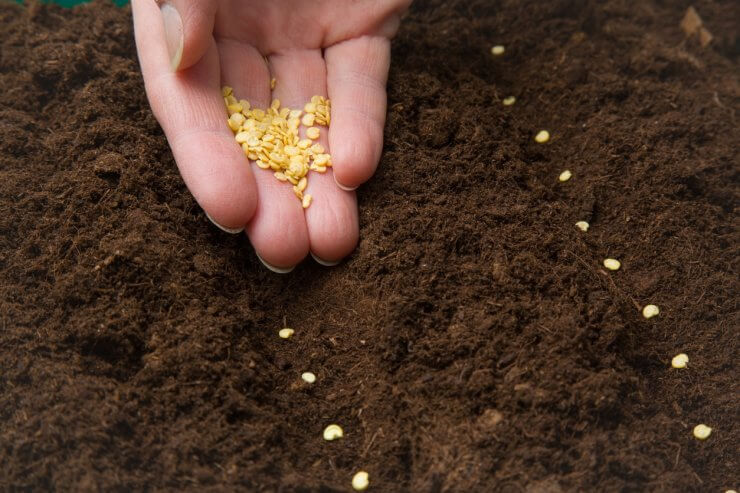
When planting fresh produce seeds, it is essential to properly collect, clean, and prepare them for optimal germination and plant growth. Here are three key steps to consider when planting fresh seeds:
- Collecting: Harvest seeds from ripe fruits of plants like tomatoes, peppers, and melons. Ensure seeds are fully mature to increase the chances of successful germination.
- Cleaning and Drying: After extraction, clean the seeds by removing any fruit residues. Allow the seeds to air dry thoroughly before storage or planting to prevent mold and rot.
- Soaking and Separating: Some seeds, such as those from tomatoes, may benefit from soaking in water before planting to soften the seed coat. Additionally, separating seeds from any gel-like substances surrounding them can aid in better germination rates.
Following these steps when planting fresh seeds can enhance the likelihood of successful germination and the growth of healthy plants.
Maximizing Seed Viability
Properly maximizing seed viability involves employing various seed preparation techniques to enhance germination rates and plant growth. One crucial aspect of maximizing seed viability is ensuring that the seeds are properly dried and cured. Threshing and winnowing are additional steps that can significantly improve seed viability by removing unwanted plant matter and debris, thus promoting better germination conditions. Soaking seeds in water can aid in removing wet vegetative matter and further enhance seed viability. Drying seeds after soaking or processing is essential as it stabilizes them for storage and planting, ultimately increasing their viability. Seed preparation techniques like drying not only help seeds ripen but also play a vital role in ensuring successful germination rates and plant establishment.
| Seed Preparation Techniques | Description | Impact on Seed Viability |
|---|---|---|
| Drying and Curing | Ensures moisture removal | Increases viability |
| Threshing and Winnowing | Removes plant matter | Enhances germination |
| Soaking | Eliminates wet vegetative matter | Improves seed viability |
Seed Preparation Techniques
Prepare seeds for planting by utilizing various techniques to enhance their viability and ensure successful germination and growth. When it comes to seed preparation, consider the following:
- Soaking and Separating: Start by soaking seeds and gently separating them from pulpy fruits like tomatoes. This process not only helps in removing the surrounding pulp but also aids in softening the seed coat for easier germination.
- Hardening Protective Coat: Some seeds require time for their protective coat to harden, enhancing disease resistance. Before planting, ensure these seeds have undergone the necessary hardening process to improve their chances of successful growth.
- Drying and Separating: Flowers and seed pods can be dried in a paper bag to facilitate seed preparation. After drying, separate the seeds vigorously to ensure they are ready for planting.
Fresh Pepper Seed Benefits
To maximize the benefits of fresh pepper seeds, understanding their advantages in controlling pepper varieties and taste quality is crucial for successful cultivation. Growing peppers from fresh seeds offers the opportunity to select specific varieties tailored to your preferences, ensuring a more diverse and flavorful harvest compared to store-bought peppers. Harvesting seeds from ripe, healthy peppers and fermenting them can enhance germination rates by breaking down the gelatinous seed coating, promoting successful seedling growth.
Selecting pepper varieties that thrive in your climate and align with your taste preferences is key. Drying the fresh seeds thoroughly before planting is essential to prevent mold and ensure optimal germination. Although fresh pepper seeds may require a longer germination time, transplanting seedlings into larger containers with well-draining soil and fertilizing with organic fertilizer will support healthy plant development.
For those looking to grow state-fair worthy peppers, resources are available to guide both novice and experienced gardeners on soil preparation, planting schedules, and fertilizer application for successful cultivation from fresh seeds.
Planting From Store-Bought Peppers
Harvesting fresh seeds from store-bought peppers is a cost-effective method for starting your pepper plants. When planting from store-bought peppers, follow these steps for successful seed preparation:
- Selecting Peppers: Choose ripe and healthy store-bought peppers to ensure viable seeds for planting. Opt for organic peppers to minimize the risk of seeds treated with chemicals.
- Seed Preparation: Rinse the seeds in warm water to remove any pulp or residue from the pepper. This step helps prevent mold growth during the drying process and ensures clean seeds for planting.
- Drying Process: After rinsing, dry the seeds thoroughly before sowing them in the soil. Proper drying prevents seed rot and improves germination rates. Store the dried seeds in a cool, dry place until you are ready to plant them.