
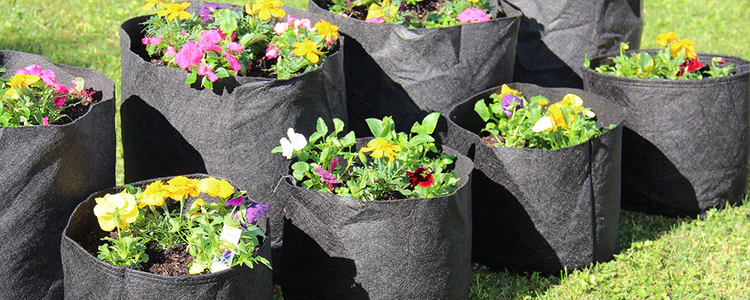
Fabric pots can last from a few years to up to five when properly cared for. Prevent mold growth by ensuring good drainage and regular inspections. Avoid overfilling to promote optimal root health. Watch out for sharp objects and tears. Clean with baking soda and vinegar mix, rinse thoroughly, and air dry. Store indoors in a cool, dry spot away from sunlight. Flush to prevent salt buildup. Use vinegar to dissolve mineral deposits. Implement long-term care for durability. By following these tips, you can extend the lifespan of fabric pots for healthier plants.
Fabric Pot Lifespan
To maximize the longevity of fabric pots, it’s essential to understand their expected lifespan and factors that influence it. Fabric pots have varying lifespans, typically lasting from a few years up to five years, depending on how they’re used and maintained.
One reason for their durability is their ability to prevent plants from becoming root-bound. Fabric pots promote air pruning, where roots are naturally pruned as they reach the pot’s edge, preventing them from encircling the pot and becoming root-bound. This process encourages the growth of a denser root system, leading to healthier plants.
Cleaning Fabric Pots
To effectively clean fabric pots, begin by utilizing a mixture of baking soda and vinegar to eliminate soil residue.
Ensure a thorough rinse with water post-cleaning to eliminate any leftover residue.
Remember to allow the fabric pots to air dry completely before storage to prevent mold growth.
Proper Washing Techniques
When cleaning fabric pots, start by preparing a mixture of baking soda and vinegar to effectively remove dirt and residue. This combination is gentle yet powerful, ensuring a thorough clean without damaging the fabric. Use a scrub brush or sponge to work the solution into the fabric, paying special attention to areas where dirt tends to accumulate, such as near the roots.
After scrubbing, rinse the fabric pots with clean water to remove any remaining cleaning solution. It’s crucial to ensure all traces of the mixture are gone to prevent any potential harm to your plants.
Once cleaned, allow the fabric pots to air dry completely before storing them. This step is essential to prevent mold or mildew growth, which can compromise the fabric and harm your plants.
Stain Removal Tips
For effective stain removal from fabric pots, consider utilizing a mixture of baking soda and water. Gently scrub the stained areas with a soft brush or sponge to avoid damaging the fabric. Rinse the fabric pot thoroughly with clean water after removing the stains. For tough stains, soak the fabric pot in a solution of vinegar and water before scrubbing. Air dry the fabric pot completely before reusing it to prevent mold or mildew growth.
| Stain Removal Tips for Fabric Pots | Benefits |
|---|---|
| Use baking soda and water mixture | Effective in removing stains |
| Gently scrub with a soft brush or sponge | Prevents damage to the fabric |
| Rinse thoroughly with clean water | Ensures removal of cleaning residues |
| Soak in vinegar and water solution | Ideal for tough and stubborn stains |
Proper Storage Tips
Store fabric pots indoors in a cool, dry place away from sunlight to prevent degradation. Sunlight and exposure to moisture can weaken the fabric material over time, shortening the lifespan of the pots.
Before storing, inspect fabric pots for any damage or signs of wear. Addressing these issues promptly can help maintain the integrity of the pots for future use.
Additionally, cleaning fabric pots with a mixture of baking soda and vinegar before storage can help prevent mold growth during periods of non-use.
It’s essential to empty the soil and plant matter from the fabric pots before storing them. This practice not only helps in maintaining the freshness of the pots but also prevents the growth of mold and pests.
Preventing Mold Growth
To prevent mold growth in fabric pots, ensure proper drainage by using well-draining soil mixes and allowing the top layer of soil to dry out between waterings.
Regularly inspect your fabric pots for any signs of mold, such as musty odors or fuzzy patches on the soil surface.
Improving air circulation around the pots can also help reduce humidity levels and discourage mold formation.
Mold Prevention Tips
Ensure fabric pots remain dry and clean to effectively prevent mold growth. Proper storage in a cool, dry location is crucial to inhibit mold development. Before storing, confirm that the fabric pots are completely dry to prevent any moisture buildup, which can encourage mold growth. Regularly inspect the fabric pots for any signs of mold, such as musty odors or visible spots, and address them promptly to prevent further spread. Additionally, cleaning fabric pots with a mixture of baking soda and vinegar can help deter mold formation. Avoid overwatering plants in fabric pots, as excess moisture can create an environment conducive to mold. By following these mold prevention tips, you can maintain the longevity of your fabric pots.
| Mold Prevention Tips | Description |
|---|---|
| Proper Storage | Store fabric pots in a cool, dry place to prevent mold growth. |
| Ensure Dryness Before Storage | Confirm fabric pots are completely dry before storing to avoid moisture buildup. |
| Cleaning Solution | Clean fabric pots with baking soda and vinegar to deter mold. |
| Avoid Overwatering | Refrain from overwatering plants in fabric pots to reduce mold risk. |
Cleaning Fabric Pots
Scrubbing fabric pots thoroughly with a mixture of baking soda and vinegar is essential to effectively prevent mold growth and maintain their longevity. Here are three steps to clean fabric pots and inhibit mold formation:
- Scrub Diligently:
Use a solution of equal parts baking soda and vinegar to scrub the interior and exterior of the fabric pots. This method helps eliminate dirt, residue, and any potential mold spores that may be present.
- Rinse Thoroughly:
After scrubbing, rinse the fabric pots with water to remove the cleaning solution and any loosened debris. Ensure the pots are rinsed well to prevent any residue that could attract mold.
- Air Dry Completely:
Allow the fabric pots to air dry completely before reusing them. Dampness can encourage mold growth, so ensuring the pots are dry is crucial in preventing mold formation.
Proper Moisture Control
Properly managing moisture levels is crucial in preventing mold growth in fabric pots. Excess water in fabric pots can create a conducive environment for mold and mildew to thrive, potentially harming plant health and root growth.
To mitigate mold risks, ensure that fabric pots have adequate drainage to prevent water from accumulating at the bottom. Overwatering should be avoided, as it can lead to waterlogged soil, increasing the chances of mold development.
Allow the soil in fabric pots to dry out slightly between watering sessions to maintain the right moisture balance. Regular monitoring of soil moisture levels is key to preventing mold growth; this can be done by inserting a finger into the soil or using a moisture meter.
Avoiding Overfilling Pots
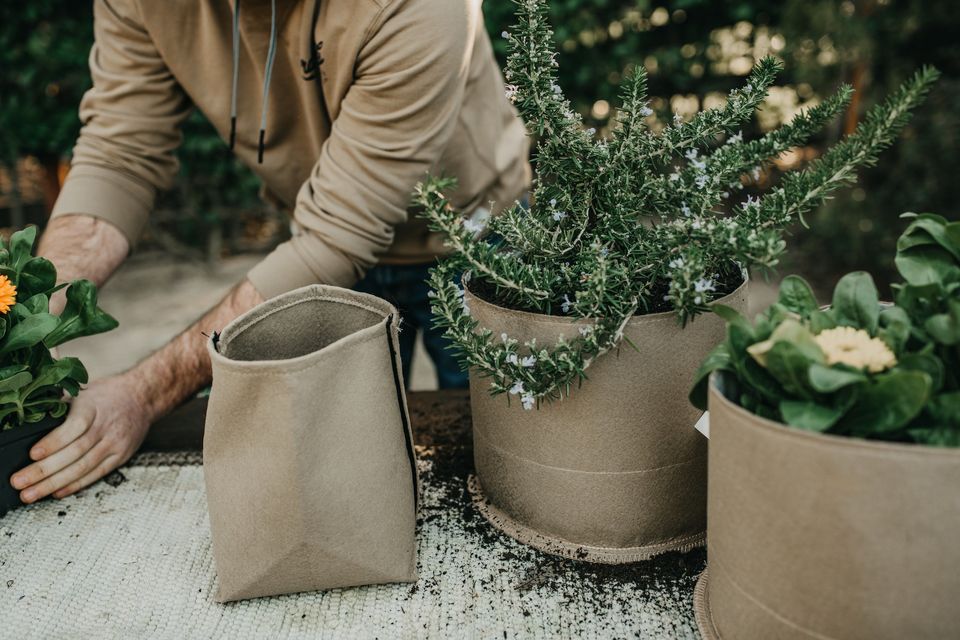
To prevent soil compaction and hindered root growth in fabric pots, avoid overfilling them beyond the recommended level. Overfilling fabric pots can lead to various issues, including restricted root development and poor plant health.
Here are three essential tips to help you avoid overfilling fabric pots:
- Maintain Soil Level:
Keep the soil level below the top edge of the fabric pot to prevent water runoff and nutrient loss. This practice ensures that the plant’s roots have ample space to grow and expand without being constrained by compacted soil.
- Allow for Air and Water:
Leaving space at the top of the fabric pot allows for proper watering and aeration for your plants. Adequate airflow and water penetration are crucial for root health and overall plant growth.
- Avoid Soil Compaction:
Avoid packing soil too tightly in fabric pots. Properly filled fabric pots ensure better drainage, aeration, and optimal root health for your plants. By maintaining the right soil level, you can promote healthy root development and thriving plants in fabric pots.
Watch Out for Sharp Objects
When positioning fabric pots in your gardening space, be vigilant in avoiding any proximity to sharp objects or surfaces to prevent potential tears and damage to the pot material. Sharp objects pose a significant threat to the lifespan of fabric pots, as even minor punctures can lead to reduced effectiveness and structural integrity. Regularly inspect the surroundings of your fabric pots to ensure that no sharp objects could accidentally come into contact with them. Below is a practical table illustrating examples of sharp objects to watch out for:
| Sharp Objects | Potential Risks |
|---|---|
| Garden Shears | Punctures or tears |
| Metal Edging | Abrasions and cuts |
| Pruning Scissors | Small punctures |
Regular Maintenance Practices
Regularly inspecting fabric pots for signs of wear, tear, or deterioration is essential to catch issues early and maintain their longevity. To ensure your fabric pots stay in top condition, follow these maintenance practices:
- Inspect Regularly: Check fabric pots for any tears, holes, or fraying along the seams. Addressing these issues promptly can prevent further damage to the fabric.
- Clean Between Uses: After each use, clean fabric pots to remove any lingering soil, debris, or residues. This helps prevent mold, bacterial growth, and mineral buildup that can degrade the fabric over time.
- Proper Storage: Store fabric pots in a cool, dry area away from direct sunlight. Excessive heat and UV exposure can weaken the fabric material, reducing the pot’s lifespan.
Extending Fabric Pot Longevity
By implementing proper care and maintenance practices, you can significantly extend the longevity of fabric pots, ensuring their durability for multiple uses. To make your fabric pots last longer, it’s crucial to use them correctly and pay attention to their condition regularly. Here are some practical tips to help you maximize the lifespan of your fabric pots:
| Tip for Extending Fabric Pot Longevity | Description |
|---|---|
| Use Fabric Pot Correctly | Ensure you are using the fabric pot for its intended purpose and following guidelines for planting. |
| Regularly Inspect Top Few Inches | Check the top few inches of the fabric pot for any signs of wear, tear, or damage, and address them promptly. |
| Avoid Direct Sunlight | Prevent prolonged exposure to direct sunlight to preserve the fabric quality and prevent premature degradation. |
| Proper Storage | Store fabric pots in a cool, dry place when not in use to prevent mold growth and maintain their integrity. |
Salt and Mineral Buildup Prevention
To prevent salt and mineral buildup in fabric pots, it’s essential to regularly flush them with water to remove excess salts and maintain plant health. Salt accumulation can be detrimental to plant roots and overall growth in fabric pots.
Here are three effective ways to prevent salt and mineral buildup:
- Flush Regularly: Ensure you flush your fabric pots with water consistently to prevent salts from accumulating in the root zone. This practice will help maintain proper soil pH levels and nutrient availability for your plants.
- Use Vinegar Solution: Cleaning fabric pots with a diluted vinegar solution can dissolve mineral deposits that may form over time. This method is gentle yet effective in preventing salt buildup while keeping the fabric pots in good condition.
- Avoid Harsh Chemicals: Refrain from using harsh chemical cleaners on fabric pots as they can harm the fabric material and impact plant health. Opt for natural cleaning solutions to protect both the fabric pots and your plants.
Effective Fabric Pot Care
For optimal longevity and performance of your fabric pots, implementing a comprehensive care routine is crucial. Fabric pots like Smart Pots and Root Pouch can last from a few years up to five with proper care.
Regularly inspect your fabric pots for any signs of wear and tear. By catching any issues early, you can prevent them from escalating and extend the lifespan of your pots.
When it’s time to clean your fabric pots, washing them with a mixture of baking soda and vinegar can effectively remove dirt, salt, and mineral buildup. This cleaning method not only keeps your pots looking fresh but also helps prevent mold and deterioration.
Furthermore, proper storage is key to maintaining the longevity of fabric pots. Store them indoors in a cool, dry area away from direct sunlight to prevent unnecessary wear and fading.
Following these care tips will ensure that your fabric pots remain in top condition for multiple plantings, reducing the need for frequent replacements.
Prolonging Fabric Pot Usage
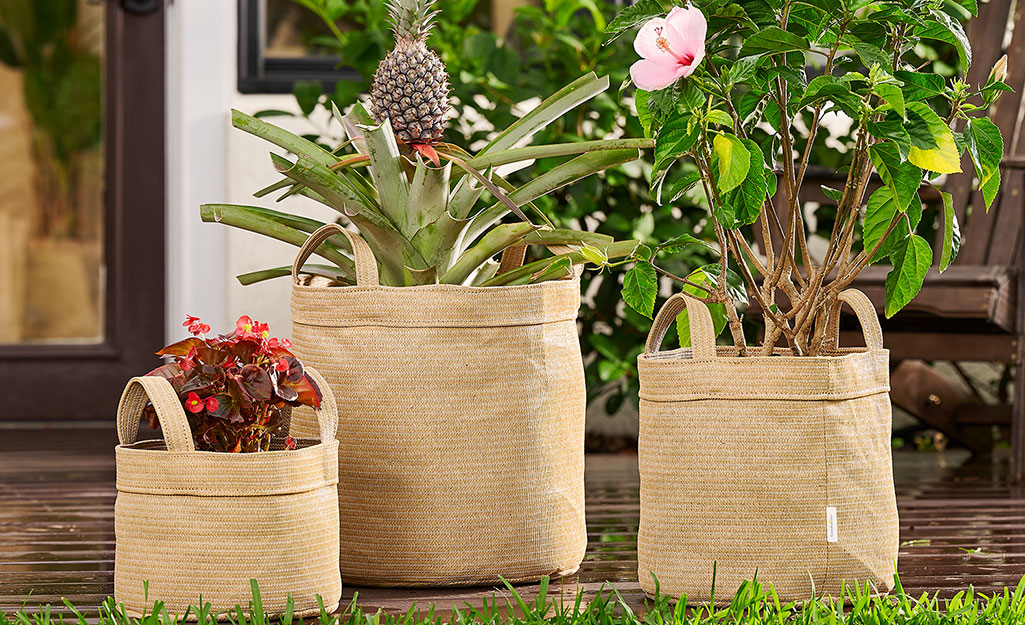
To prolong the usage of your fabric pots, regular maintenance is key. Check for any signs of wear and tear, and consider reusing them for multiple plantings to extend their lifespan.
When not in use, store fabric pots in a cool, dry place to help preserve their integrity over time.
Maintenance Tips
Ensure the longevity of your fabric pots by implementing proper maintenance techniques to keep them in optimal condition for extended use.
To maintain your fabric pots effectively, follow these practical tips:
- Clean Regularly: Wash your fabric pots using a mixture of baking soda and vinegar to eliminate any residue, preventing mold growth that could degrade the fabric over time. This cleaning routine will also help maintain the integrity of the potting soil and keep it free from harmful pathogens.
- Proper Storage: Store your fabric pots indoors in a cool, dry area away from direct sunlight. This will prevent the material from deteriorating prematurely and maintain the fabric’s flexibility and strength, ensuring prolonged use.
- Inspect and Repair: Regularly check your fabric pots for signs of wear or damage. Promptly repair any tears or weak spots to prevent further deterioration and extend the lifespan of your cloth pots.
Storage Considerations
Regularly storing fabric pots indoors in a cool, dry environment away from direct sunlight is crucial to prevent premature deterioration and maintain their longevity. Storing fabric pots in a suitable location allows the roots to remain healthy and undisturbed.
Before placing them in storage, inspect the fabric pots for any signs of damage or mineralization. Addressing these issues promptly can help prolong their usability.
To keep fabric pots clean and mold-free during storage, wash them with a solution of baking soda and vinegar. Ensure that the pots are completely dry before storing to prevent mold growth.
Remember to empty any soil and plant matter from the fabric pots before storage to avoid attracting pests and to maintain the integrity of the material.
Preserving Fabric Pot Quality
For optimal preservation of fabric pot quality, consistently implementing proper care practices is essential. To ensure your fabric pots last as long as possible, consider the following:
- Stain Prevention for Fabric Pot Longevity: Avoid allowing soil or fertilizer to remain on the fabric for extended periods. Clean any spills or stains promptly to prevent them from setting in and causing deterioration over time.
- Moisture Control for Mold Prevention: Proper moisture management is crucial for maintaining fabric pot quality. Ensure adequate drainage to prevent waterlogging, which can lead to mold growth. Avoid overwatering your plants to keep the fabric dry and mold-free.
- Sharp Object Protection and Maintenance Practices: Inspect your fabric pots regularly for any sharp objects that could puncture or tear the fabric. Implement gentle handling practices and store fabric pots away from potential hazards to prevent damage and prolong their lifespan.
Maximizing Fabric Pot Lifespan
How can you effectively extend the lifespan of your fabric pots and maximize their durability? To increase fabric pot longevity, consider implementing long-term care strategies. Regularly inspect your fabric pots for signs of wear and tear, such as fraying or holes, and promptly repair any damage to prevent it from worsening. By addressing issues early on, you can ensure that your fabric pots remain in good condition for an extended period.
Another way to increase the lifespan of your fabric pots is by reusing them for multiple plantings. This not only maximizes the value of your pots but also allows you to benefit from their durability over time.
Additionally, storing fabric pots in a cool, dry place when not in use can help prevent deterioration and maintain their quality for longer periods.
Ensuring Fabric Pot Durability
To ensure the durability of your fabric pots, focus on material strength maintenance by checking for tears or signs of wear regularly.
Utilize proper cleaning techniques to remove dirt and potential mold, preserving the fabric’s integrity.
Material Strength Maintenance
Inspecting fabric pots regularly for signs of wear, such as fraying or thinning material, is crucial for maintaining their material strength and ensuring long-term durability.
To enhance the durability and preserve the strength of fabric pots, consider the following strategies:
- Gentle Handling: Avoid dragging or mishandling fabric pots, as this can cause unnecessary stress on the fabric, leading to premature damage and weakening of the material structure.
- Regular Cleaning: Wash fabric pots with mild soap and water to remove dirt and debris that can accumulate over time. This helps prevent the fabric from becoming weakened due to the presence of contaminants.
- Proper Storage: Store fabric pots in a cool, dry place away from direct sunlight. Proper storage conditions can significantly contribute to prolonging the lifespan of fabric pots by minimizing exposure to environmental factors that may degrade the fabric.
Proper Cleaning Techniques
Regularly cleaning fabric pots using a solution of baking soda and vinegar is essential to prevent mold and mineral buildup, ensuring their durability and longevity.
To clean fabric pots effectively, begin by gently scrubbing the surfaces with a brush to remove any dirt or residue that has accumulated over time.
After scrubbing, thoroughly rinse the fabric pots with water to eliminate all traces of the cleaning solution. It’s crucial to ensure that no cleaning agents are left behind, as they could potentially damage the fabric material.
Once the rinsing is complete, allow the fabric pots to air dry completely before storing them. This step is vital in preventing mildew or odors from developing in the fabric pots.
Fabric Pot Longevity Tips
Ensuring proper storage conditions is crucial for maximizing the lifespan of fabric pots. Here are some tips to help you make your fabric pots last longer:
- Repairing Tears: Regularly check your fabric pots for any tears or damages. Repair them promptly using patch kits or sewing techniques to prevent further deterioration.
- UV Protection: Protect your fabric pots from prolonged exposure to direct sunlight. UV rays can accelerate the degradation of the fabric material. Consider placing your pots in shaded areas or using UV-protective coatings.
- Odor Control: To prevent unpleasant odors and bacterial growth, ensure your fabric pots are adequately cleaned and dried before storage. Proper ventilation and occasional washing with mild soap can help maintain freshness.
Conclusion
By following these tips and practices, you can ensure that your fabric pots last for many growing seasons, providing a sustainable and reliable option for your plants.
In conclusion, by properly cleaning, storing, and maintaining fabric pots, you can significantly extend their lifespan. Regular cleaning, preventing mold growth, avoiding overfilling, and proper storage techniques are key to preserving the quality and durability of fabric pots.