
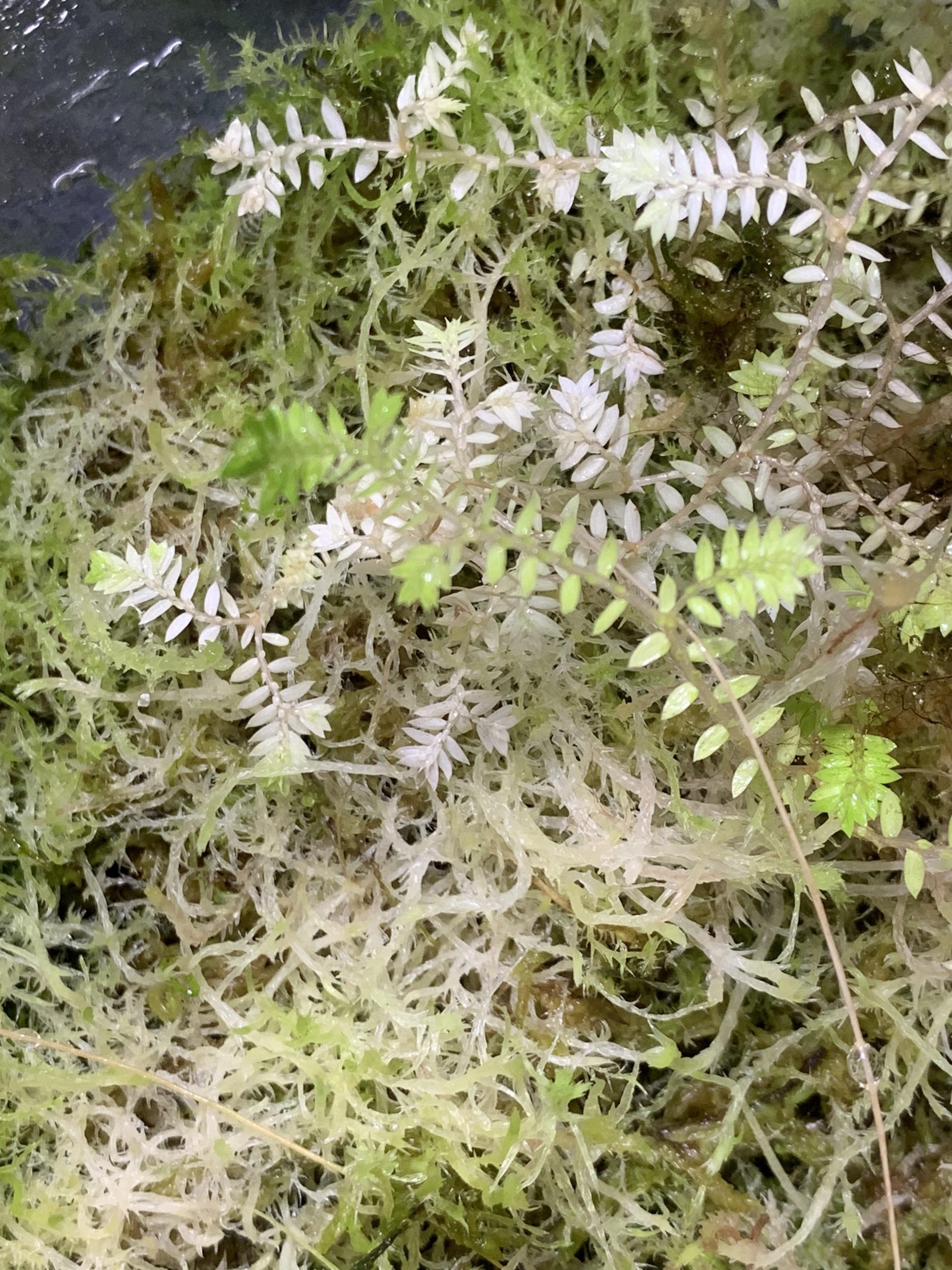
If your moss is turning white, it could be due to insufficient nutrients, fungal growth on driftwood, specific deficiencies like calcium, competition with fungus, or DIY CO2 systems. Tie moss to driftwood loosely, address fungus promptly, and optimize growth conditions. Test nutrient levels, use specialized fertilizers, monitor health for vibrant color, and manage nutrients properly. Clean driftwood, ensure water flow, maintain water parameters, and consider antifungal treatments. Adequate water flow supports nutrient distribution, prevents stagnant conditions, and avoids buildup. Understanding these causes and solutions is key to vibrant, healthy moss.
Common Causes of White Moss
Insufficient nutrients, fungal growth on driftwood, and specific deficiencies like calcium are common culprits behind white moss in aquariums. When your moss starts turning white, it could be a sign that it is not receiving an adequate supply of essential nutrients. Moss relies on nutrients in the water to thrive, and a lack of these can lead to discoloration and deterioration. Additionally, fungal growth on driftwood within the tank can contribute to the moss turning white. The fungus competes with the moss for nutrients and space, impacting its health.
Specific nutrient deficiencies, such as calcium, can also play a role in causing white moss. Calcium is crucial for moss health, and a shortage of it can lead to the moss losing its vibrant green color. Furthermore, DIY CO2 systems, if not properly regulated, can affect moss health and potentially cause it to turn white. It’s essential to monitor the CO2 levels in your tank to ensure they are within the optimal range for your moss’s well-being.
Effective Solutions for Moss Care
To promote optimal growth and vibrant color in your moss, implementing effective care solutions is crucial. Ensure adequate water flow around the moss to maintain hydration and prevent it from turning white due to drying out. Loosely tie the moss to driftwood to prevent constriction and promote healthy growth. Keep an eye out for any fungus issues on driftwood and address them promptly to prevent negative impacts on your moss’s health. Consider growing the moss separately in a controlled environment, where you can monitor and adjust nutrient dosing to provide the essential elements for its well-being. By creating a controlled environment, you can optimize the growth conditions for your moss and ensure that it thrives. Following these proper care tips will help you maintain a lush and healthy moss that adds beauty to your tank.
Proper Nutrient Management Tips
Maintaining a balanced supply of essential nutrients such as nitrogen, phosphorus, and potassium is crucial for promoting vibrant green moss growth and preventing discoloration and deterioration. It is essential to regularly test and adjust nutrient levels in the tank to prevent deficiencies that may cause moss to turn white. Consider using specialized liquid fertilizers or root tabs designed for aquatic plants to provide targeted nutrition for moss health. Monitoring and maintaining proper nutrient levels will help prevent moss from turning white and promote its overall well-being in the aquarium environment.
| Nutrient Management Tips | Description |
|---|---|
| Test Nutrient Levels | Regularly check and adjust levels to prevent deficiencies. |
| Use Specialized Fertilizers | Consider liquid fertilizers or root tabs for targeted nutrition. |
| Monitor Moss Health | Keep an eye on the moss to ensure it stays vibrant and green. |
| Prevent White Discoloration | Proper nutrient management can help avoid moss turning white. |

Preventing Fungus Growth on Driftwood
Properly cleaning and sterilizing driftwood before introducing it to your tank is essential to prevent fungus growth that can harm your moss. Fungus growing on driftwood can negatively impact the health of your moss, so it’s crucial to take preventive measures. Ensure there is adequate water flow around the driftwood as stagnant water can encourage fungus development. Additionally, maintaining optimal water parameters such as pH, temperature, and nutrient levels can help reduce the likelihood of fungus spreading to your moss. Regularly inspect the driftwood for any signs of fungus growth, and promptly remove affected areas to protect your moss from harm. Consider using antifungal treatments or additives in your tank as a proactive measure to prevent fungus from affecting both the driftwood and your moss. By staying vigilant and implementing these preventative strategies, you can effectively safeguard your moss from the detrimental effects of fungus growth on driftwood.
Importance of Adequate Water Flow
Ensure that water flow around your moss is sufficient to support optimal nutrient distribution and waste removal, playing a crucial role in maintaining its health and preventing potential issues like moss turning white. Adequate water flow is essential for preventing stagnant conditions that can hinder moss growth. Stagnant water can lead to a buildup of algae, debris, and other substances that may impact the health of your moss and cause it to turn white. By maintaining proper water flow, you can help prevent these issues and ensure that your moss receives the nutrients it needs to thrive.
Regularly monitor the water flow around your moss and adjust as needed to create an environment that supports healthy growth. By keeping a balance in water flow, you can help prevent discoloration and maintain the overall well-being of your moss. Remember that monitoring and adjusting water flow are key steps in addressing the potential causes of white moss and promoting a flourishing moss environment.