

Plants do not require humans for survival; they generate their energy via photosynthesis, turning carbon dioxide and water into glucose. They are self-sustaining, thriving independently. Plants benefit from humans in nutrient cycling and soil enrichment, important for growth. Carbon dioxide exchange is crucial for climate balance, humans impacting this by excess emissions. Symbiotic interactions exist, fostering plant health and ecosystem balance. Humans assist in pollination, essential for genetic diversity. Understanding these connections aids in conservation. Further information on plant and human interactions can provide deeper insight into the intricate balance of nature.
Energy Source
Do plants truly require humans as an energy source for their growth and survival? The answer lies in the remarkable energy independence of plants. Plants primarily rely on sunlight for energy through the process of photosynthesis. Sunlight provides the necessary energy for plants to convert carbon dioxide and water into glucose, their main energy source. Human involvement is unnecessary for this fundamental energy conversion process in plants.
In natural ecosystems, plants can thrive and grow without any direct contribution from humans. While humans may indirectly impact plant growth through activities like nutrient cycling, they are not a required energy source for plants. This highlights the plant-focused nature of energy acquisition and growth. By harnessing sunlight efficiently, plants have evolved to be self-sustaining entities, capable of meeting their energy needs without dependence on external sources like humans. Thus, the notion of plants needing humans as an energy source is dispelled, emphasizing the innate energy independence of plants.
Nutrient Cycling
Plants benefit significantly from the decomposition of human bodies, as it provides essential nutrients like carbon, nitrogen, and phosphorus. Soil enrichment and nutrient recycling play a vital role in sustaining plant growth. Decomposing organic matter, including human remains, releases nutrients back into the soil, supporting plant nutrition. This process involves the breakdown of complex organic compounds into simpler forms that plants can absorb and utilize for their development. Human activities, such as the use of organic-based fertilizers, contribute to nutrient cycling, ensuring a continuous supply of essential elements for plants. Maintaining soil fertility through nutrient cycling involving human bodies is crucial for plant productivity and ecosystem health. The table below illustrates the key nutrients released during the decomposition of organic matter, including human bodies, highlighting the significance of this process in supporting plant growth.
| Nutrient | Source | Role in Plants |
|---|---|---|
| Carbon | Human bodies | Essential for photosynthesis and plant structure |
| Nitrogen | Organic matter | Key component of proteins and chlorophyll |
| Phosphorus | Fertilizers | Vital for energy transfer and root development |
Carbon Dioxide Exchange
The exchange of carbon dioxide between human activities and plants plays a significant role in the carbon cycle, impacting the growth and development of both ecosystems. Here’s how this relationship affects you:
- Plants Absorb Carbon Dioxide: Plants rely on carbon dioxide absorption for photosynthesis, a critical process for their survival and growth.
- Human-Induced Carbon Emissions: Human activities like burning fossil fuels release excess carbon dioxide into the atmosphere, disrupting the natural balance.
- Crucial Role in Carbon Cycle: The exchange of carbon dioxide between humans and plants forms a vital part of the carbon cycle, influencing global climate patterns.
- Mutual Dependence: Humans depend on plants to absorb the excess carbon dioxide they produce, showcasing the interdependence between human activities and plant ecosystems.
Maintaining a healthy balance in carbon dioxide exchange is essential for the sustainability of both human and plant life, highlighting the intricate relationship and mutual reliance between the two.
Mutualistic Relationships
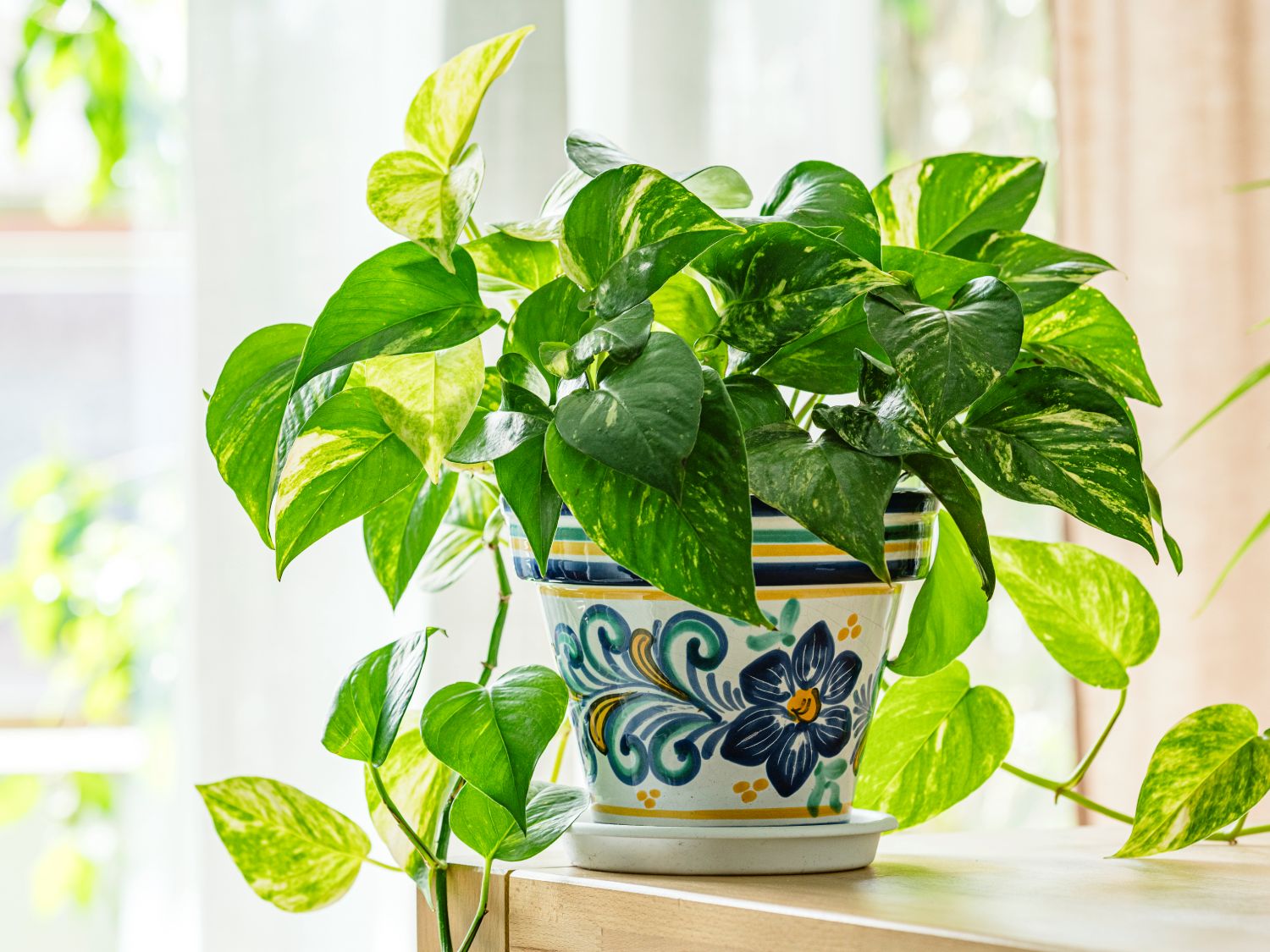
In mutualistic relationships, humans and plants intricately interact to support each other’s growth and ecological functions. Symbiotic relationships between humans and plants involve a complex web of interactions where both parties benefit. Human activities such as nutrient cycling and decomposition of organic matter play a crucial role in providing essential nutrients like carbon, nitrogen, and phosphorus for plant growth. For instance, decomposed human bodies contribute to soil fertility, increasing nutrient availability for plants. Additionally, humans indirectly support plant growth by maintaining ecosystem balance, ensuring a stable environment for plants to thrive. This interdependence highlights the interconnectedness between humans and plants within ecosystems, emphasizing the significance of mutualistic relationships. Understanding and acknowledging these ecological interactions can lead to a more holistic approach to conservation and sustainable practices that benefit both humans and plant communities.
Pollination Assistance
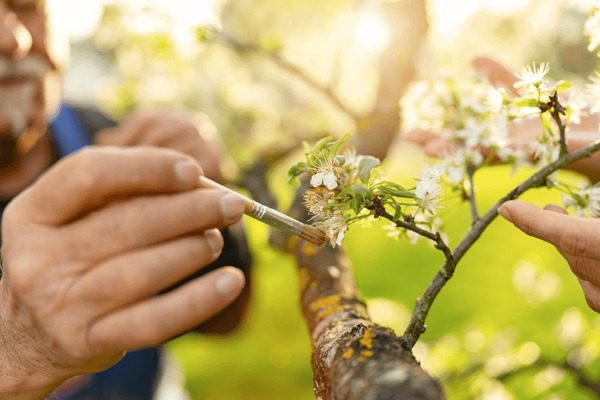
Humans play a crucial role in pollination assistance, especially in agricultural landscapes where natural pollinators may be lacking. By engaging in activities like beekeeping, humans can aid in the transfer of pollen between plants, ensuring successful reproduction. This intervention is essential for certain plant species to reproduce, maintain genetic diversity, and ultimately increase crop yields for food security.
Importance of Pollinators
Why are pollinators like bees, butterflies, and birds crucial for plant reproduction? The relationship between plants and pollinators is vital for the survival and diversity of plant species. Here’s why:
- Pollination Assistance: Pollinators help transfer pollen between flowers, enabling plants to produce fruits and seeds essential for their reproduction.
- Ensuring Plant Survival: Without pollinators, many plant species would struggle to reproduce, leading to a decline in their populations and overall biodiversity.
- Impact of Human Activities: Human actions, such as habitat destruction and pesticide use, have contributed to the decline in pollinator populations, disrupting plant pollinator relationships.
- Enhancing Genetic Diversity: Plants rely on pollinators to promote genetic diversity, which is crucial for their resilience to environmental changes and stresses.
Understanding the importance of pollinators is crucial for preserving plant species and maintaining ecosystem balance. By supporting pollinators, we ultimately support plant reproduction and ecosystem health.
Types of Pollination
Pollinators play a vital role in plant reproduction by facilitating the transfer of pollen between flowers, but in situations where natural pollinators are lacking or inefficient, human-assisted pollination methods come into play. Self-pollination, where pollen is transferred within the same flower or between flowers of the same plant, offers benefits such as reproductive assurance and conservation of desirable traits. On the other hand, cross-pollination, involving the transfer of pollen between flowers of different plants, can enhance genetic diversity and promote healthier offspring.
Natural pollination, carried out by insects, birds, or wind, is effective in many ecosystems but can be unreliable in agricultural settings. In such cases, artificial pollination techniques like hand pollination are employed to ensure successful fertilization and fruit set. Commercial agriculture often relies on human intervention to boost crop yields and quality, especially in regions experiencing a decline in natural pollinators like bees. Even in controlled environments such as greenhouses, some plants may require human assistance for pollination to guarantee reproductive success.
Impact on Plant Reproduction
Artificial pollination methods have significant implications for plant reproduction by supplementing natural pollination processes in various ecological and agricultural contexts. Human intervention plays a crucial role in ensuring the successful transfer of pollen between plants, thereby enhancing genetic diversity and supporting healthy plant populations. Here’s a list to emphasize the importance of human involvement in pollination:
- Enhanced Pollination Efficiency: Humans aid in increasing pollination efficiency, especially in agricultural settings where natural pollinators may be scarce.
- Improved Crop Yields: Controlled pollination by humans can lead to higher crop yields and better quality fruits, vegetables, and flowers.
- Mitigating Natural Pollinator Decline: Human assistance in pollination can help counteract the decline of natural pollinators, ensuring continued plant reproduction.
- Supporting Biodiversity: By actively participating in pollination, humans contribute to the preservation of biodiversity in plant ecosystems.
Human intervention in pollination not only benefits plant reproduction but also plays a vital role in sustaining agricultural productivity and ecosystem health.
Pest Control
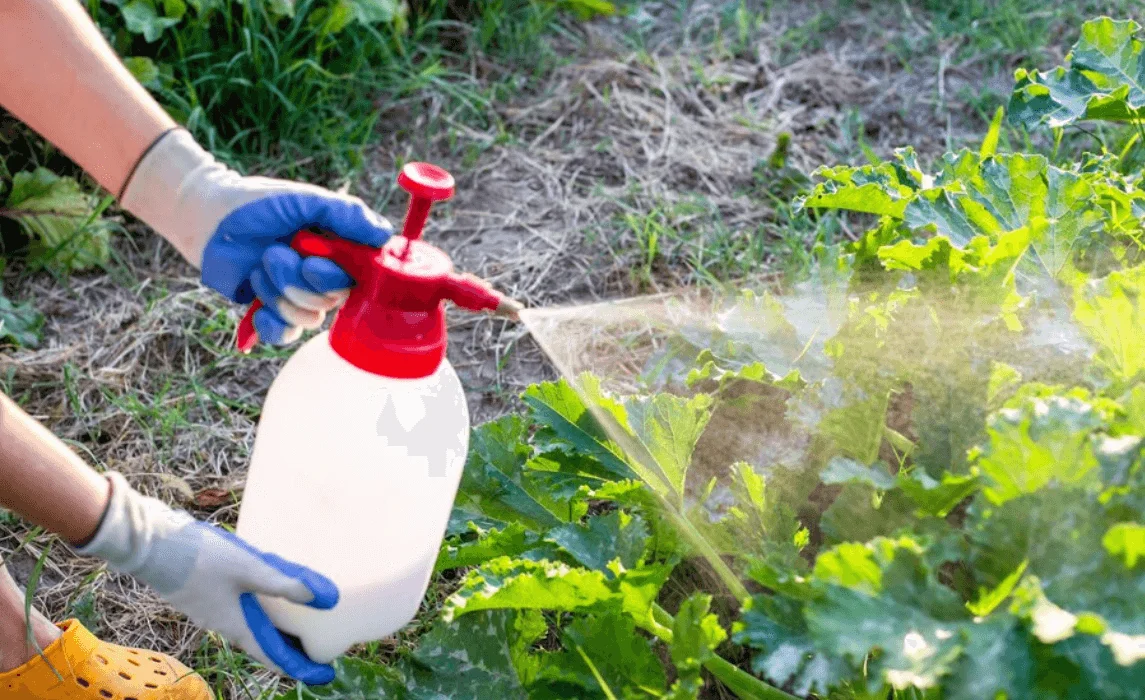
Humans play a vital role in pest control for plants by utilizing natural predators and plant defense mechanisms. Introducing beneficial insects like ladybugs or using companion planting techniques can enhance the plant’s ability to fend off pests. By assisting in maintaining a balanced ecosystem, humans can effectively protect plant populations from significant damage.
Natural Predators for Pests
Natural predators play a crucial role in maintaining pest populations in check for plants, providing a sustainable form of pest control without the need for human intervention. These predators are essential allies in the fight against pests, offering a natural and effective solution to keep plant ecosystems in balance. Here are some key points to consider:
- Diverse Predator Population: Having a variety of natural predators like ladybugs, lacewings, spiders, parasitic wasps, and predatory beetles ensures a robust defense mechanism against pests.
- Avian Assistance: Birds such as swallows and sparrows are valuable allies in pest management, preying on insects like caterpillars and aphids that can harm plants.
- Ecosystem Harmony: By attracting a range of beneficial predators through plant diversity, a natural equilibrium is established that aids in controlling pest populations organically.
- Integrated Pest Management: Strategies like Integrated Pest Management (IPM) focus on leveraging these natural predators and biological controls to maintain plant health and reduce reliance on human-made pesticides.
Plant Defense Mechanisms
Plants employ a variety of defense mechanisms to protect themselves against pests, utilizing both chemical and physical strategies to deter potential threats. Chemical warfare is a common tactic, where plants release compounds that either repel pests or attract predators to feed on them. For instance, some plants emit volatile organic compounds that signal predators to the presence of herbivores. Structural defenses, such as trichomes, thorns, and spines, act as physical barriers against herbivores, making it harder for them to feed on the plant. Additionally, some plants have evolved to produce toxic compounds that can harm or deter pests from consuming them. These toxic compounds can range from alkaloids to glycosides, each serving a specific defense purpose. Plant defense mechanisms against pests are diverse and dynamic, varying across species and influenced by environmental factors. By combining chemical warfare with structural defenses, plants have developed effective strategies to protect themselves from potential threats.
Beneficial Insects for Protection
Utilizing beneficial insects for pest control is a sustainable and effective method employed in agriculture to safeguard plants from harmful pests. These insects play a crucial role in maintaining a balance in the ecosystem and promoting plant health through biological control mechanisms. Here are some key points to consider:
- Insect Diversity: Beneficial insects contribute to the diversity of insect populations within agricultural systems, ensuring a more stable and resilient environment for plant growth.
- Plant Symbiosis: By forming symbiotic relationships with plants, beneficial insects aid in protecting crops from pests without causing harm to the plants themselves.
- Biological Control: The use of natural predators like ladybugs, lacewings, and parasitic wasps for pest management reduces the reliance on synthetic pesticides, promoting a more eco-friendly approach to crop protection.
- Crop Protection: Ladybugs, lacewings, and parasitic wasps exhibit specific behaviors that target harmful pests, offering an effective and sustainable solution for safeguarding crops against damage.
Seed Dispersal

Assisting in the distribution of plant seeds over greater distances than natural methods, humans play a crucial role in seed dispersal through activities like planting, gardening, and agriculture. Seed dispersal by humans aids in plant migration and establishment in new environments. By actively participating in dispersing seeds, humans enable plant populations to thrive in diverse habitats, contributing to the overall biodiversity of ecosystems. Human involvement in seed dispersal is essential for the survival and propagation of various plant species, especially in regions where natural dispersal mechanisms may be limited. This partnership between humans and plants highlights the intricate interconnectedness of ecosystems, showcasing how human assistance can positively impact the distribution and growth of plant populations. Through intentional seed dispersal efforts, humans not only support the expansion of plant species but also play a significant role in shaping the landscapes and vegetation patterns of different regions.
Shelter Provision
Human intervention in providing shelter for plants can significantly impact their growth and productivity by creating optimal growing conditions. While plants can survive in natural environments, human activities such as cultivating in gardens or greenhouses offer shelter benefits that enhance plant development. Here’s how shelter provision impacts plants:
- Protection from harsh weather: Shielding plants from extreme temperatures, wind, or heavy rain can prevent stress and damage, promoting healthier growth.
- Defense against pests and diseases: Providing a barrier against pests and diseases can reduce the risk of infestation, allowing plants to allocate more energy towards growth and reproduction.
- Optimized growing conditions: Creating artificial structures like trellises or shade covers regulates sunlight exposure and temperature, fostering ideal conditions for plant growth.
- Environmental impact: By sheltering plants, humans can manipulate the surrounding environment to mimic ideal conditions, potentially increasing plant yield and overall sustainability.

Genetic Diversity
Humans significantly impact genetic diversity in plants through selective breeding and genetic modification practices. This diversity is crucial for plant health as it enhances resilience against diseases, pests, and environmental changes. By understanding the importance of genetic diversity, humans can actively contribute to the survival and adaptability of plant species.
Importance of Genetic Diversity
Plant genetic diversity is crucial for their ability to adapt to environmental changes and combat diseases effectively.
- Enhanced Adaptation: Genetic diversity enables plants to evolve rapidly in response to shifting environmental conditions, such as climate change or soil quality variations.
- Resilience Against Diseases: A diverse gene pool offers plants a better chance of possessing genetic traits that confer resistance to pests and diseases, reducing the need for chemical interventions.
- Ecological Stability: Maintaining genetic diversity in plants supports the overall health of ecosystems by promoting biodiversity and ecosystem resilience.
- Sustainable Agriculture: Genetic diversity in crops ensures a stable food supply by safeguarding against crop failures due to pests, diseases, or environmental stressors.
Human intervention, through practices like selective breeding and conservation initiatives, plays a pivotal role in preserving and enhancing plant genetic diversity. By recognizing the importance of genetic preservation, humans can secure the future of agricultural productivity and ecological balance.
Impact on Plant Health
Maintaining high genetic diversity in plant populations is paramount for ensuring robust plant health and resilience in the face of environmental challenges. Human interference, particularly through activities like habitat destruction and fragmentation, poses a significant threat to genetic diversity in plants. These actions can lead to the loss of unique genetic traits crucial for plant resilience to environmental stressors and diseases.
Furthermore, human interventions such as selective breeding can inadvertently influence the genetic diversity of plant populations, potentially reducing their ability to adapt to changing conditions. Genetic diversity serves as a vital resource for plant species, enabling them to evolve and survive over time. Conservation efforts play a crucial role in preserving genetic diversity in plants that are at risk due to human activities.
Medicinal Uses
Utilizing the medicinal properties of various plants has been a practice dating back centuries, showcasing the profound impact of plant-based remedies on human health and wellness. Plants have played a vital role in the development of traditional medicine systems like Ayurveda and Traditional Chinese Medicine, where plant-based remedies hold cultural significance. In modern applications, herbal medicine continues to be a key component of healthcare, with many pharmaceutical drugs being derived from plant sources. Plants produce a diverse array of bioactive compounds that have proven effective in treating a wide range of ailments and diseases. Research into the medicinal uses of plants is ongoing, revealing new ways in which plants can contribute to human well-being.
- Plant-based remedies have been passed down through generations, reflecting the deep-rooted cultural significance of using plants for healing.
- Herbal medicine remains a relevant and effective form of treatment in modern healthcare practices.
- The discovery of pharmaceutical drugs derived from plants underscores the importance of botanical sources in medicine.
- Ongoing research into plant bioactive compounds highlights the potential for further advancements in plant-based medicine.
Aesthetic Appeal
Enhancing visual aesthetics within plant environments is a key aspect of human interaction with botanical settings. Humans contribute significantly to the aesthetic appeal of plant environments through garden design and landscaping practices. The strategic use of color combinations in gardens designed by humans plays a crucial role in creating visually pleasing plant displays. Human-designed gardens and parks are meticulously curated to enhance the beauty of plant settings, attracting individuals to interact with nature in a more visually engaging manner.
Garden design, a discipline where humans excel, involves careful consideration of plant placement, color schemes, and overall layout to create harmonious and aesthetically pleasing landscapes. The presence of humans in plant environments, particularly in human-inhabited areas like homes, offices, and public spaces, enhances the visual appeal of plant surroundings. These visually appealing plant arrangements, created by humans for recreational and decorative purposes, contribute to promoting a sense of tranquility and beauty within botanical settings.
Air Purification
Human presence in plant environments can indirectly influence air quality through activities that impact the plant population’s ability to purify the air. Plant adaptation plays a crucial role in maintaining ecological balance and sustaining air quality. Here are some key points to consider:
- Plants’ Self-Sufficiency: Plants do not rely on humans for air purification as they can extract carbon dioxide directly from the atmosphere for photosynthesis.
- Oxygen Production: Through photosynthesis, plants absorb carbon dioxide and release oxygen, contributing significantly to improving air quality.
- Human Impact: Activities like deforestation can reduce the number of plants available for air purification, thus affecting air quality and environmental sustainability.
- Maintaining Balance: Ensuring a healthy plant population is essential to sustain air quality and reduce greenhouse gas levels in the atmosphere, highlighting the importance of preserving plant ecosystems for overall environmental well-being.
Understanding the intricate relationship between plants and air purification is essential for promoting environmental sustainability and maintaining a healthy ecosystem.

Climate Regulation
Plants play a crucial role in regulating the climate by absorbing carbon dioxide and releasing oxygen through photosynthesis. However, human activities like deforestation and fossil fuel combustion have led to an increase in greenhouse gas emissions, altering the Earth’s climate. This shift in climate patterns can impact plant growth and biodiversity, highlighting the interconnected relationship between humans, plants, and the environment.
Human Impact on Climate
In the intricate web of Earth’s climate regulation, the impact of human activities on the delicate balance maintained by plants cannot be overstated. Human intervention has significantly altered the climate dynamics that plants rely on for survival. Here are four key points illustrating the human impact on climate and its repercussions on plant life:
- Excessive CO2 Emissions: Due to activities like deforestation and burning fossil fuels, there is a surge in CO2 levels, disrupting the natural equilibrium essential for plant growth.
- Global Warming Concerns: Rising CO2 emissions contribute to global warming, leading to shifts in temperature and weather patterns that challenge plant ecosystems worldwide.
- Climate Change Effects: The repercussions of climate change, such as extreme weather events and altered growing seasons, directly impact the ability of plants to thrive.
- Collaborative Solutions: Sustainable practices and environmental stewardship are crucial in mitigating climate change effects, preserving habitats for plants, and securing a sustainable future for both flora and humanity.
Plant Role in Ecosystem
Playing a crucial role in climate regulation, plant ecosystems actively participate in the absorption of carbon dioxide from the atmosphere through photosynthesis. This process helps mitigate climate change by storing carbon in their biomass and roots, effectively reducing greenhouse gas levels. Additionally, plants contribute to the balance of oxygen and carbon dioxide in the atmosphere, which is vital for supporting life on Earth. Forests, in particular, act as significant carbon sinks, absorbing and storing large amounts of carbon, thus playing a key role in maintaining climate stability.
Plant adaptation is essential for their survival in changing environmental conditions, ensuring their continued ability to act as regulators of the Earth’s climate. Furthermore, ecosystem resilience, which is closely tied to plant health and diversity, is crucial for maintaining the effectiveness of plants in climate regulation. Human activities that harm plant ecosystems can disrupt the natural balance of carbon cycling, ultimately impacting the planet’s ability to regulate climate effectively.
Ecosystem Stability
Human contribution to ecosystem stability is vital, as it involves providing essential nutrients crucial for plant growth and overall ecosystem balance. This contribution extends beyond just the direct provision of nutrients; human activities can significantly impact nutrient cycling in ecosystems, affecting plant growth and overall biodiversity. Here are four ways in which human involvement influences ecosystem stability:
- Nutrient Supply: Decomposed human bodies release valuable nutrients into the soil, supporting plant health and ecosystem balance.
- Nutrient Cycling: Understanding the role of humans in nutrient cycles is essential for maintaining healthy plant ecosystems.
- Impact on Biodiversity: Human activities can disrupt nutrient cycling processes, leading to imbalances that affect plant diversity and ecosystem health.
- Conservation Efforts: Conservation efforts play a crucial role in ensuring the sustainable relationship between humans and plants for long-term ecosystem stability.