
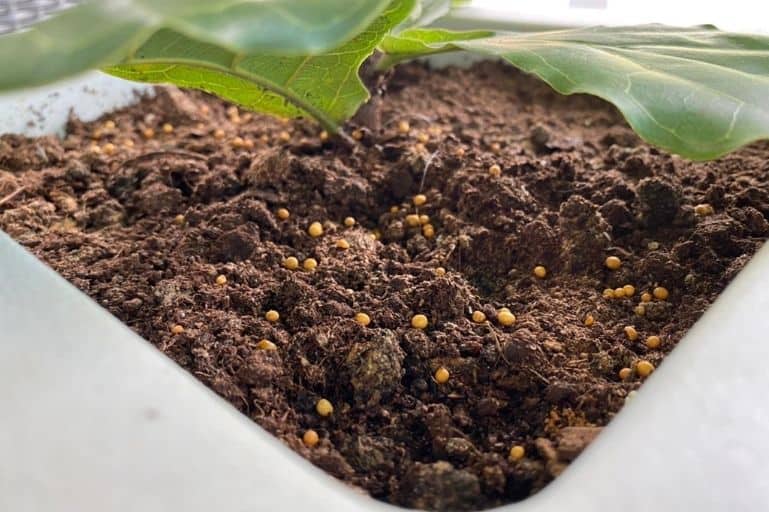
If you’re finding yellow or orange balls in your potting soil, those are likely slow-release fertilizer pellets meant to provide essential nutrients for your plants gradually. These pellets, like Osmocote, crack open and steadily release nutrients for optimal plant growth. They ensure a consistent nutrient supply, helping your plants thrive and preventing nutrient deficiency. Understanding the role of these pellets can enhance your gardening experience and promote healthy plant development. Knowing how to identify them correctly can prevent confusion and ensure your plants receive the necessary care. Understanding their benefits can lead to successful gardening practices.
Slow-Release Fertilizer Pellets
Slow-release fertilizer pellets, such as those from Osmocote, play a crucial role in providing plants with essential nutrients over an extended period. These fertilizer balls are often coated with resin to regulate the gradual release of nutrients necessary for robust plant growth. By incorporating these slow-release fertilizer pellets into potting soil mixes, gardeners ensure that their plants receive a steady supply of nutrients, promoting healthy development.
Osmocote fertilizer, a well-known brand in the gardening world, produces these innovative pellets that dissolve slowly, allowing for a continuous nutrient supply to the plants. The controlled disintegration of the fertilizer pellets ensures that the nutrients are released into the soil at a rate that the plants can effectively absorb, preventing wastage and nutrient runoff.
This gradual nutrient release mechanism is particularly beneficial for plants that require a consistent supply of nutrients over time for optimal growth and vitality.
Common Appearance of Pellets
When identifying pellets in your potting soil, understanding their common appearances is crucial.
Slow-release fertilizer pellets typically appear as yellow or orange balls that crack open to release nutrients.
Distinguishing these pellets from other soil additives or pests can help maintain a healthy growing environment.
Pellets in Potting Soil
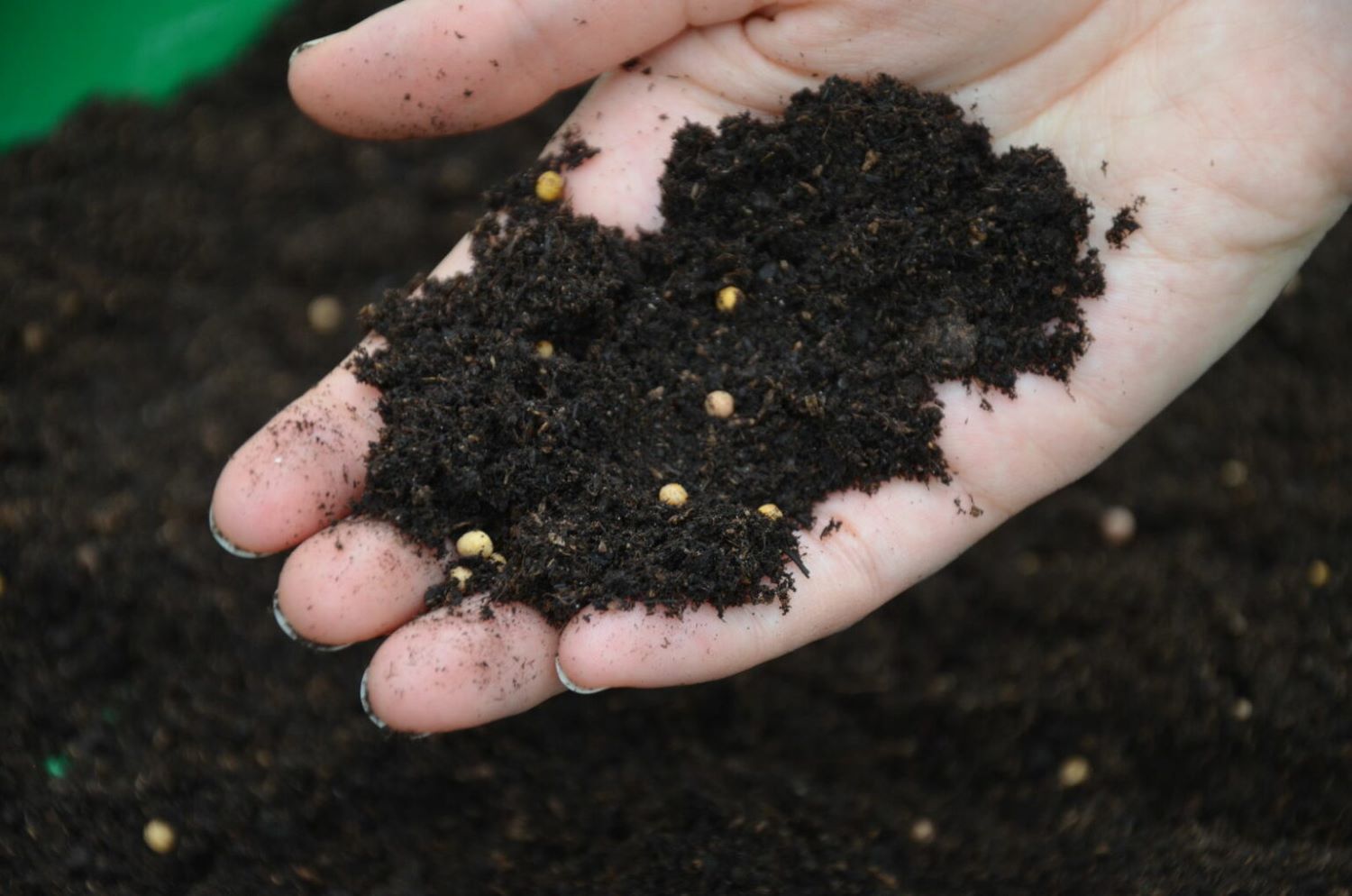
Typically embedded within potting soil, you’ll notice the presence of larger yellow or orange balls, which are commonly slow-release fertilizer pellets. These pellets serve as a source of nutrients for your plants over an extended period. Their larger size makes them easily distinguishable in the soil.
Slow-release fertilizer pellets are purposely designed to provide a steady and consistent supply of essential nutrients to your plants, promoting healthy growth without the risk of over-fertilization. It’s important to note that these pellets are a beneficial component of potting mixes, enhancing the soil’s nutrient content and supporting plant development.
The presence of these yellow or orange balls in your potting soil is a positive sign that your plants are receiving the necessary nutrients for optimal growth. Rest assured that these slow-release fertilizer pellets are plant-friendly and play a vital role in maintaining the health and vitality of your indoor or outdoor plants.
Yellow or Orange
Easily distinguishable by their vibrant hues, the yellow or orange balls commonly found in potting soil are likely slow-release fertilizer pellets. These pellets serve as a vital source of nutrients for your plants over an extended period, ensuring steady growth and health. When you come across these balls in your soil, here’s what you need to know:
- Nutrient-rich: The yellow or orange balls contain essential nutrients that plants require for optimal growth.
- Convenience: Slow-release fertilizer pellets offer a convenient way to provide a steady nutrient supply to your plants without frequent applications.
- Uniform distribution: The spherical balls are evenly spread throughout the soil, ensuring that all parts of the potting mix receive the necessary nutrients.
- Long-term benefits: The presence of these balls indicates a long-lasting source of nutrition for your plants, promoting sustained and healthy growth.
Understanding the purpose and benefits of these colorful balls will help you nurture your plants effectively.
Identification and Removal
The yellow or orange slow-release fertilizer pellets commonly found in potting soil exhibit a distinctive appearance that aids in their identification and removal. These pellets are typically larger in size compared to regular soil particles and are easily visible to the naked eye. Their round shape and vibrant color make them stand out in the potting mix.
When pressed or crushed, these pellets crack open, revealing their nutrient-rich content in liquid form. To remove them, simply pick them out by hand or use a small scoop to separate them from the soil.
Slow-release fertilizer pellets play a crucial role in providing essential nutrients for plant growth over an extended period. Their presence signifies a beneficial addition to the potting mix rather than indicating the presence of harmful insect eggs. By understanding their appearance and purpose, gardeners can effectively manage and utilize these pellets to promote healthy plant development.
Nutrient Release Mechanism
When it comes to understanding the nutrient release mechanism in potting soil, it’s crucial to grasp the process of nutrient absorption by plants.
The breakdown of slow-release fertilizer in the soil is another key aspect. This mechanism involves a gradual release of nutrients through the disintegration of the outer shell of fertilizer pellets.
This ensures a continuous supply of nourishment for optimal plant growth. The uptake of essential nutrients by plant roots is the final piece of the puzzle.
Nutrient Absorption Process
As the resin-coated shell of slow-release fertilizer pellets gradually breaks down with moisture, the nutrient absorption process begins, providing plants with a continuous and controlled supply of essential elements for optimal growth and health. This mechanism ensures that plants receive the necessary nutrients over an extended period, promoting steady growth and vibrant foliage.
The nutrient absorption process is crucial for plants to thrive, as it enables them to uptake essential elements efficiently. Here are some emotional aspects to consider regarding the nutrient absorption process:
- Reliable Nourishment: Plants rely on this steady nutrient supply for their well-being.
- Healthy Development: Ensuring plants receive essential elements consistently supports their healthy growth.
- Sustained Vitality: The continuous absorption of nutrients contributes to the overall vitality of plants.
- Nurturing Care: Implementing a controlled nutrient release mechanism demonstrates care for your plants’ health and prosperity.
Soil Fertilizer Breakdown
Within potting soil, the breakdown of slow-release fertilizer pellets plays a crucial role in providing plants with essential nutrients over an extended period. These fertilizer prills, such as Osmocote, are designed to release specific amounts of nitrogen, phosphorus, and potassium (NPK) gradually.
The slow-release mechanism of these pellets involves the disintegration of their resin-coated shells when exposed to moisture. As the shells break down, nutrients are released into the potting soil, ensuring a controlled and steady nutrient release for plant growth.
This controlled nutrient release not only sustains plant health but also helps prevent issues like over-fertilization and nutrient leaching. Factors such as temperature, moisture levels, and the specific nutrient requirements of plants influence the breakdown of these fertilizer pellets in the soil.
Understanding the nutrient release mechanism of slow-release fertilizers is essential for maintaining a healthy balance of essential nutrients for optimal plant growth.
Plant Nutrient Uptake
Slow-release fertilizer pellets employ a resin-coated shell to regulate the mechanism of nutrient release in plant roots. Brands like Osmocote are known for their slow-release properties, where the resin-coated shell disintegrates over time, ensuring a continuous supply of essential nutrients for plant growth. This mechanism provides a long-term solution for plant nutrient uptake, as the nutrients are gradually released into the soil as the shell breaks down.
Here are some key points to consider about slow-release fertilizers:
- The controlled release of nutrients promotes steady growth in plants, preventing nutrient deficiencies.
- Slow-release fertilizers reduce the risk of nutrient leaching, ensuring efficient nutrient utilization by plants.
- These fertilizers require less frequent applications, saving you time and effort in maintaining your plants.
- The gradual nutrient release mimics natural soil processes, promoting healthier root development and overall plant vigor.
Essential Elements for Plant Growth
For robust plant growth and development, essential elements such as nitrogen, phosphorus, and potassium (NPK) are vital components that play a significant role in sustaining healthy foliage, strong roots, and vibrant blooms. These nutrients, commonly found in slow-release fertilizers like Osmocote, are essential for promoting healthy plant development and overall growth.
When integrated into potting soil in the form of fertilizer balls, these essential elements provide a balanced blend of nutrients tailored to meet the specific needs of plants for optimal nutrition.
Nitrogen is crucial for leafy green growth, phosphorus supports root development and flower production, while potassium aids in overall plant health and disease resistance. By ensuring a proper balance of these essential elements in the potting soil, you can help your plants thrive and flourish.
Harmlessness of the Pellets
The yellow or orange balls present in potting soil pose no harm to your plants, serving as beneficial slow-release fertilizer pellets designed to provide essential nutrients gradually. These pellets are harmless and have several advantages:
- Consistent Nutrition: Slow-release pellets ensure a steady supply of nutrients, preventing nutrient deficiencies and promoting healthy plant growth.
- Low Maintenance: Once incorporated into the soil, these pellets require minimal effort as they release nutrients slowly over an extended period.
- Environmental Friendly: The gradual nutrient release reduces the risk of nutrient leaching into the environment, making them an eco-friendly choice.
- Long-Term Benefits: By providing nutrients over time, these pellets support sustained plant development, leading to stronger, more resilient plants.
Role in Supporting Plant Development
Enhancing plant development, the yellow or orange balls found in potting soil play a crucial role in providing essential nutrients gradually for sustained growth.
These slow-release fertilizer prills are specifically designed to support plants by releasing nutrients slowly over time. Coated with resin for controlled release, they ensure a steady supply of vital NPK nutrients like Ammonium Nitrate and Calcium Phosphate.
The spherical shape of the fertilizer balls helps them remain intact in the soil until they dissolve with water absorption, offering plants a continuous source of nourishment.
Brands like Osmocote use this technology to provide a balanced nutrient supply, promoting plant health without the risk of nutrient leaching.
Avoiding Confusion in Potting Mixes
To prevent confusion when working with potting mixes, it’s important to differentiate between slow-release fertilizer pellets and potential insect eggs by noting their distinct characteristics. Slow-release fertilizer pellets are the yellow or orange balls commonly found in potting soil.
Here are some tips to help you distinguish between these pellets and gnat eggs:
- Look for size differences: Slow-release fertilizer pellets are larger and more visible compared to the smaller, soft gnat eggs.
- Examine the shape: Fertilizer pellets are typically round and hard, while gnat eggs are elongated and clustered.
- Consider the texture: Pellets will feel solid and firm, unlike the soft and delicate gnat eggs.
- Note the color: Fertilizer pellets maintain a consistent yellow or orange hue, whereas gnat eggs may vary in color and transparency.
Identifying Materials in Potting Mixes
When examining potting mixes, it’s important to be able to identify various materials present, such as slow-release fertilizer pellets, perlite pellets, and potential insect eggs, to ensure the health of your plants.
Slow-release fertilizer pellets are often yellow or orange balls found in the soil. These pellets are designed to slowly release essential nutrients to your plants over time. They’re distinguishable from perlite pellets, which serve to aerate the soil and improve drainage.
To differentiate between slow-release fertilizer pellets and potential insect eggs, note that the fertilizer balls are larger and more visible. Fungus gnat eggs, for example, are tiny and usually found in clusters near the soil’s surface.
By understanding the characteristics of these materials, you can effectively manage your potting mix and prevent issues like nutrient deficiency or pest infestations.
Regularly inspecting your soil for these distinctive features will help you maintain a healthy environment for your plants to thrive.
Understanding Slow-Release Fertilizers
Slow-release fertilizers, such as Osmocote, play a crucial role in providing controlled and long-lasting nutrient support for plant growth in potting mixes. These fertilizers have a resin-coated shell that controls the release of nutrients over time, ensuring a steady supply for your plants.
Here are some key points to understand about slow-release fertilizers:
- The resin-coated shell of these fertilizers helps regulate the nutrient release, preventing nutrient leaching and ensuring your plants receive a consistent supply of essential elements.
- Introduced in the 1960s, slow-release fertilizers like Osmocote have revolutionized plant care by providing a convenient and effective way to nourish plants over extended periods.
- The hard, spherical prills of slow-release fertilizers are designed to disintegrate gradually, releasing nutrients into the soil as needed by the plants.
- Available in various colors, such as white, green, orange, and yellow, these fertilizers are easy to identify in potting mixes and offer long-term benefits for plant health and growth.
Differentiating Foreign Objects From Pellets
You can differentiate foreign objects from pellets by carefully observing their size, texture, and reaction when manipulated. Fertilizer pellets, like the yellow balls found in potting soil, are typically larger and easily visible. When cracked open, they release liquid, indicating their slow-release fertilizer nature.
In contrast, tiny white balls resembling eggs may be present, which could be perlite pellets designed to enhance soil porosity. If you come across similar-looking objects that are softer and smaller, they might be slug or snail eggs, distinct from fertilizer pellets.
Understanding these differences is crucial for effective plant care. By brushing up on your botany knowledge, you can accurately identify and distinguish between foreign objects and slow-release fertilizer pellets in your potting soil. Stay observant and mindful of the characteristics mentioned to ensure your plants receive the care they need.
Importance of Plant Care Knowledge
Understanding the importance of plant care knowledge is fundamental for fostering healthy and thriving plants in potting soil. Here are some key points to consider when delving into the significance of plant care knowledge:
- Proper plant care knowledge is essential for identifying and addressing issues like the presence of yellow or orange balls in potting soil.
- Recognizing the difference between slow-release fertilizer pellets and potential insect eggs is crucial for maintaining plant health.
- Being well-informed about plant care can prevent misinterpretations that may harm your potted plants.
- Plant care knowledge enables you to implement effective pest control measures and promotes the successful growth and maintenance of your plants.
Recognizing Harmless Yellow/Orange Balls
To identify harmless yellow or orange balls in potting soil, it’s important to understand their characteristics and distinguish them from other potential soil contaminants. These yellow pellets are typically slow-release fertilizer pellets used to provide essential nutrients for plants. They’re larger in size, hard, and easily visible in the soil.
Unlike fungus gnat eggs or other pests’ eggs, these balls are coated with resin for controlled release and can crack open when pressed to release liquid fertilizer. The presence of these balls indicates a beneficial addition to the soil rather than a harmful contaminant.
Slow-release fertilizer pellets vary in color, size, and formulation based on the specific needs of the plants being grown. Therefore, if you come across these yellow or orange balls in your potting soil, rest assured that they’re serving the purpose of nourishing your plants for long-term growth without causing any harm.

Impact on Plant Health
When yellow or orange balls are present in potting soil, they play a crucial role in enhancing plant health. These slow-release fertilizer prills gradually release essential nutrients like nitrogen, phosphorus, and potassium, promoting robust plant growth.
Plant Growth Effects
The presence of yellow or orange balls in potting soil positively impacts plant health by providing a gradual and continuous release of essential nutrients for optimal growth. These slow-release fertilizer pellets are designed to enhance plant growth and development in a controlled manner.
Here are some effects of these pellets on plant growth:
- Sustained Nutrition: The slow-release nature of the fertilizer pellets ensures that plants receive a steady supply of nutrients over an extended period, promoting healthy growth.
- Root Development: Continuous nutrient availability encourages robust root development, aiding plants in better nutrient absorption and overall stability.
- Flowering and Fruiting: The gradual release of essential nutrients supports prolific flowering and fruiting, leading to a bountiful harvest.
- Disease Resistance: Proper nutrition from the slow-release pellets boosts plant immunity, making them more resilient to diseases and environmental stressors.
Understanding the impact of these fertilizer pellets on plant growth can help gardeners optimize their soil conditions for thriving plants.
Soil Nutrient Depletion
Yellow or orange balls in potting soil play a significant role in combating soil nutrient depletion, thus influencing plant health positively by providing essential nutrients gradually. The slow-release fertilizer pellets, often mistaken for insect eggs by inexperienced gardeners, are coated with resin to control the release of nutrients. This controlled release helps prevent nutrient depletion in the soil, ensuring a steady supply of NPK nutrients crucial for plant growth. The spherical shape and firm texture of these pellets distinguish them from harmful contaminants like fungus gnats.
To emphasize the importance of slow-release fertilizers in combating nutrient depletion and promoting plant health, consider the following table:
| Benefits of Slow-Release Fertilizers |
|---|
| Gradual Nutrient Release |
| Prevention of Soil Nutrient Depletion |
| Enhanced Plant Growth |
Gardeners’ Familiarity With Potting Mix Components
Exploring gardeners’ knowledge of potting mix components reveals the depth of expertise required for successful plant cultivation. Understanding the composition of your potting soil can significantly impact the health and growth of your plants.
Here are a few key points to consider:
- Time-Release Nutrients: Familiarize yourself with slow-release fertilizer prills that contain a liquid inside, providing continuous nourishment to your plants over an extended period.
- Nutrient Distribution: Ensure the even distribution of fertilizer balls throughout the potting mix to guarantee all plants receive the necessary nutrients for optimal growth.
- Color Variations: Recognize that slow-release fertilizer pellets come in various colors like white, green, orange, and yellow, each serving a specific nutritional purpose for your plants.
- Long-Term Benefits: Embrace the presence of these colored balls in your potting soil as a long-term investment in the health and vitality of your indoor and outdoor plants.
Ensuring Optimal Plant Care
To ensure optimal plant care, consider the essential factors of soil moisture management, light exposure needs, and fertilization requirements.
Properly watering your plants, providing adequate sunlight, and using the right fertilizers are crucial for their health and growth.
Soil Moisture Management
Effective soil moisture management is a critical component of ensuring optimal plant care and promoting healthy growth. To help you achieve this, here are some key tips to consider:
- Choose the right soil mix: Selecting a well-draining soil mix tailored to your plant’s needs can prevent waterlogging and root rot.
- Let the soil dry between waterings: Allowing the soil to dry slightly between waterings helps prevent overwatering, which can harm your plants.
- Use neem-based products: Neem oil is a natural remedy that can help control pests like fungus gnats, which thrive in damp soil conditions.
- Monitor moisture levels: Regularly check the soil moisture levels by feeling the soil or using a moisture meter to ensure you’re providing adequate hydration without overdoing it.
Light Exposure Needs
For optimal plant care, understanding the light exposure needs of your plants is essential to promote healthy growth and development. Light exposure plays a crucial role in photosynthesis, providing plants with the energy needed for their metabolic processes.
Different plants have varying light requirements, with some needing direct sunlight for several hours a day, while others thrive in indirect or low light conditions. Insufficient light exposure can result in leggy growth, weak stems, and yellowing of leaves due to a lack of chlorophyll production.
To ensure your plants receive adequate light, monitor light levels in their environment and adjust their placement accordingly. Consider factors such as the direction of natural light sources, available artificial lighting options, and the specific light preferences of each plant species.
Fertilization Requirements
Ensuring optimal plant care involves understanding the fertilization requirements necessary for providing essential nutrients to support healthy growth and development. When it comes to fertilization, here are some key points to consider:
- Use white fertilizer granules: White fertilizer granules often contain a balanced mix of nutrients essential for plant health.
- Consider liquid fertilizers: Liquid fertilizers are quick-acting and can provide a rapid nutrient boost to plants when needed.
- Mix fertilizers for comprehensive nutrition: Mixing different types of fertilizers can ensure a well-rounded nutrient supply for your plants.
- Monitor plant response to fertilization: Regularly observe how your plants react to fertilization to adjust the nutrient levels accordingly for optimal growth.
Conclusion
In conclusion, when you come across yellow or orange balls in your potting soil, don’t panic. These are likely slow-release fertilizer pellets, which provide essential nutrients for plant growth.
Recognizing these harmless pellets and understanding their benefits can help you ensure optimal care for your plants.
By familiarizing yourself with the components of your potting mix and the impact they’ve on plant health, you can confidently continue your gardening journey.