
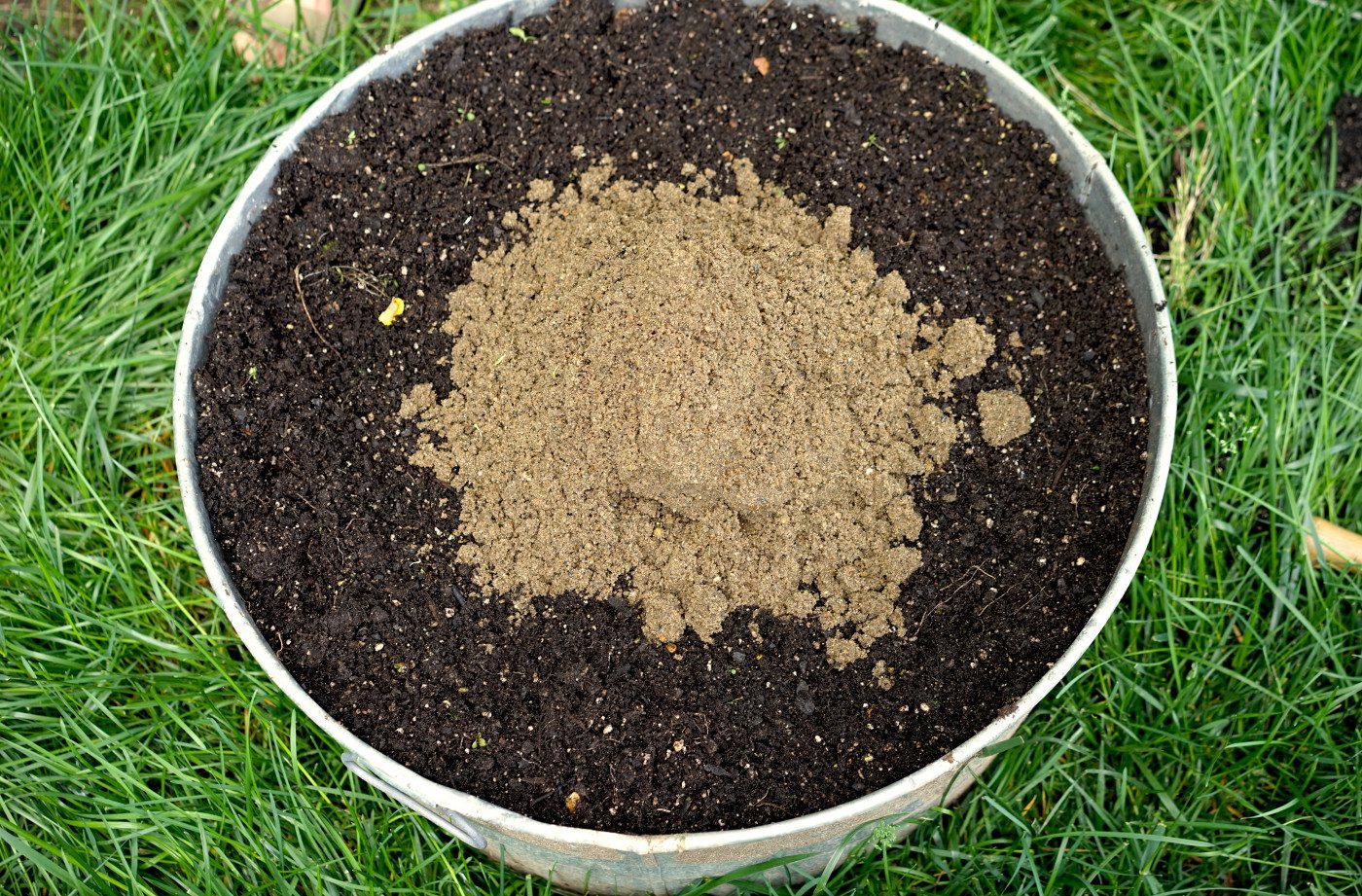
Using sand as mulch offers numerous benefits: it fosters native plant growth, regulates soil temperature, conserves water, deters pests, and endorsed by experts. Sand allows water to penetrate quickly, though consider plants’ moisture needs. It inhibits weed growth by blocking sunlight and reduces herbicide use. Sand enhances soil structure by aiding drainage and root growth, benefiting lettuce, carrots, and more. It prevents root rot, encourages healthier roots, and pairs well with compost-rich soil. Ideal for arid climates, sand conserves water, prevents erosion, and sustains plant life. Sand mulch is a practical, cost-effective, and aesthetically pleasing choice for gardening.
Benefits of Using Sand as Mulch
Using sand as mulch offers several advantages that can benefit your garden in various ways. When it comes to native plants, sand mulch provides an ideal environment for their growth. The unique properties of sand help to regulate soil temperature, preventing overheating in hot climates where native plants often thrive. Additionally, sand as mulch stops evaporation and aids in water penetration, which is particularly beneficial for native plants that may have adapted to more arid conditions.
Moreover, the use of sand as mulch acts as a natural deterrent against pests like slugs, snails, and pill bugs that could potentially harm native plant species. Seeds of native plants can easily penetrate through the sandy mulch, allowing for deeper planting and facilitating germination. The endorsement of the University of Arizona’s College of Agriculture and Life Sciences further solidifies the benefits of using sand as mulch for native plants in your garden.
Retaining Moisture in Soil
Sand mulch is less effective at retaining moisture in the soil compared to organic mulches such as compost or bark. The main reason for this is that sand, being a mineral material, allows water to quickly penetrate through to lower soil layers, reducing the overall moisture retention capacity. This characteristic of sand mulch can lead to the soil drying out faster as compared to organic mulches, which act as a barrier to water evaporation and help maintain adequate moisture levels in the soil. It is essential to consider the moisture needs of your plants when choosing mulch, as sand mulch may not be suitable for areas requiring consistent soil moisture retention for optimal plant growth. In such cases, opting for organic mulches that excel in retaining moisture, like compost or bark, would be a more beneficial choice to support the health and vitality of your plants.
Weed Prevention With Sand Mulch
Sand mulch serves as a proficient natural weed barrier in gardening and landscaping practices. When using sand as mulch, you benefit from its weed prevention properties due to the following reasons:
- Prevents Weed Seeds Germination: The presence of sand mulch creates an inhospitable environment for weed seeds to germinate and grow, reducing weed proliferation.
- Limits Sunlight Penetration: The fine texture of sand forms a dense layer that restricts sunlight from reaching weed seeds, hindering their growth and development.
- Reduces Herbicide Usage: By effectively suppressing weed growth, sand mulch decreases the need for chemical herbicides, promoting a more environmentally friendly gardening approach.
- Maintains Tidy Landscaping: With its weed control abilities, sand mulch helps in keeping landscaping beds clean and well-maintained, enhancing the overall aesthetic appeal of the garden.
Incorporating sand as mulch not only aids in preventing weed growth but also contributes to a visually pleasing and low-maintenance landscaping environment.
Improving Soil Structure With Sand
Enhancing soil structure through the incorporation of sand in mulching practices can significantly benefit plant growth and overall plant health. Sand mulch aids in improving soil structure by creating spaces for better drainage and aeration, preventing soil compaction, and facilitating root penetration. Moreover, it helps break up clay-heavy soil, making it more conducive for plants with delicate roots. By enhancing soil structure, sand mulch promotes healthier plant growth and reduces the risk of root rot. Plants such as lettuce, carrots, brassicas, and potatoes, which thrive in well-draining soil, can particularly benefit from the improved soil conditions brought about by sand mulch.
| Benefits of Sand Mulch for Soil Structure |
|---|
| Creates air pockets for better drainage |
| Prevents soil compaction for root penetration |
| Aids in breaking up clay-heavy soil |
Enhancing Plant Health and Growth
Improving plant health and growth can be effectively achieved by incorporating sand mulch into your gardening practices. Sand as mulch plays a crucial role in enhancing plant vitality through its ability to improve soil drainage and aeration. Here’s how it can benefit your plants:
- Preventing Root Rot: Sand creates air pockets in the soil, reducing the risk of root rot and fostering healthier root development.
- Ideal for Specific Plants: Plants like lettuce, carrots, brassicas, and potatoes thrive in well-drained soil, making sand mulch a suitable choice for their growth.
- Aiding with Compaction: Sand is particularly beneficial for soils with fine wiry roots, assisting in avoiding compaction issues that can hinder plant growth.
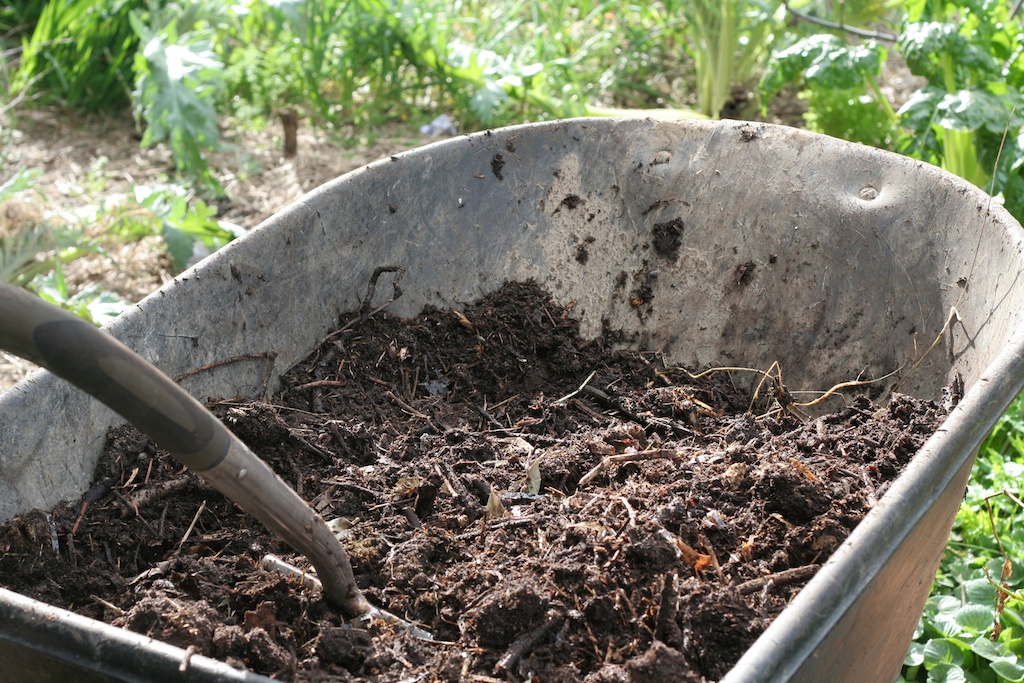
- Complementing Compost-Rich Soil: Incorporating sand into compost-rich soil can significantly boost plant health and growth by improving soil structure and drainage.
Low-Maintenance Gardening Solution
Sand mulch offers a low-maintenance gardening solution by aiding in water conservation, preventing weed growth, and improving soil aeration. This option requires minimal upkeep and provides a clean garden appearance without the need for frequent replacement. University research confirms its effectiveness in promoting plant health and reducing the need for constant watering.
Water Conservation Benefits
Conserving water in your garden becomes more efficient with sand mulch due to its ability to reduce evaporation and promote deeper soil penetration. Sand mulch helps retain moisture, allowing water to reach plant roots effectively, thus supporting plant hydration and growth. Here are some key benefits of using sand as mulch for water conservation:
- Reduced Evaporation: Sand mulch acts as a barrier, minimizing water loss through evaporation from the soil surface.
- Deeper Soil Penetration: By creating a permeable layer, sand mulch enables water to penetrate deeper into the soil, encouraging roots to grow deeper for better nutrient absorption.
- Low-Maintenance Solution: Sand mulch efficiently retains moisture, reducing the frequency of watering needed for your garden.
- Supports Water Conservation Efforts: The use of sand mulch contributes to sustainable gardening practices by conserving water and maintaining soil moisture levels to promote plant health.
Weed Prevention Method
With its ability to act as a natural barrier against weed growth, sand mulch serves as an efficient and low-maintenance weed prevention method in gardening. Sand mulch functions by creating a physical barrier that inhibits the growth of weeds, reducing the need for constant weeding in your garden. This method works effectively by suppressing weed seeds from germinating, primarily by blocking out sunlight and creating a dry environment that is unfavorable for weed growth. By incorporating sand mulch as a weed prevention strategy, you can save time and effort typically spent on weed management, resulting in a cleaner and more visually appealing landscape with minimal weed intrusion. This practical solution not only helps in maintaining a tidy garden but also contributes to a more sustainable and low-maintenance gardening approach. Consider using sand mulch to enjoy a weed-free garden while minimizing the labor-intensive task of weed control.
Soil Aeration Improvement
Enhancing soil aeration through the integration of appropriate mulching materials is essential for promoting optimal plant growth and health in low-maintenance gardening practices. When using sand as mulch, you can significantly improve soil aeration, benefiting your plants in various ways:
- Creation of Air Pockets: Sand mulch helps create air pockets in the soil, enhancing oxygen flow to plant roots.
- Loosening Compacted Soil: The use of sand mulch aids in loosening compacted soil, allowing for better root penetration and nutrient absorption.
- Prevention of Root Rot: Improved soil aeration from sand mulch can prevent root rot, promoting healthier plant growth.
- Suitable for Fine Rooted Plants: Sand mulch is particularly beneficial for plants like lettuce, carrots, brassicas, and potatoes, which have fine roots.
Incorporating sand mulch into your gardening routine can play a crucial role in enhancing soil aeration, ultimately impacting the overall health and success of your garden.

Cost-Effective Mulching Option
Sand mulch stands out as a cost-effective option for those seeking an affordable and long-lasting solution for their garden beds. Compared to organic mulches like bark or compost, sand mulch proves to be a budget-friendly alternative. Playground sand, easily obtainable and cost-effective, is particularly suitable for urban gardeners looking to save on expenses. The longevity and low maintenance requirements of sand mulch make it a wise investment, ultimately saving money in the long term. For individuals with large garden areas to mulch, beach sand emerges as a practical and economical choice. Its cost-effectiveness extends beyond just the financial aspect; sand mulch also offers a clean and uniform appearance to garden beds, enhancing the overall aesthetic appeal. By opting for sand mulch, you not only make a sensible financial decision but also ensure a visually pleasing and low-maintenance landscaping solution.
Ideal for Arid Climates
Sand mulch is an excellent choice for arid climates, offering a drought-resistant landscaping option that aids in water conservation and prevents soil erosion. By using sand as mulch, you can create a moisture-retaining barrier that helps plants thrive in dry conditions while deterring pests that thrive in damp environments. This practical solution not only supports plant growth but also helps maintain soil moisture levels in gardens located in arid regions.
Drought-Resistant Landscaping Option
In regions characterized by low precipitation levels, utilizing sand mulch as a landscaping option can significantly enhance water conservation efforts and promote plant survival during dry spells. Sand mulch serves as a drought-resistant landscaping option ideal for arid climates due to its ability to prevent water evaporation and facilitate efficient water penetration into the soil. Here are some key points to consider:
- Moisture Retention: Sand mulch aids in retaining moisture in the soil, crucial for plant survival during dry periods.
- Water Conservation: Effective in reducing water usage, sand mulch is a sustainable choice for regions facing water scarcity.
- Reduction of Water Runoff: Sand mulch minimizes water runoff, contributing to water conservation efforts.
- Enhanced Root Growth: By promoting deeper root growth for plants, sand mulch supports their resilience in arid climates.
Water Conservation Benefits
Utilizing sand mulch for water conservation in arid climates offers a practical solution to reduce evaporation rates and promote efficient water absorption for plant roots. In regions with low rainfall, water conservation is paramount for maintaining healthy gardens and landscapes. Sand mulch acts as a protective layer, minimizing evaporation by creating a barrier that helps retain moisture in the soil. This reduction in evaporation rates ensures that the available water is utilized effectively by the plants, leading to improved water efficiency.
One of the key advantages of using sand as mulch is its ability to allow water to quickly penetrate through the soil, reaching the roots of plants more efficiently than traditional mulching materials. By facilitating rapid water infiltration, sand mulch aids in preventing water loss through surface runoff and enhances the overall water retention capacity of the soil. Therefore, incorporating sand mulch in arid climates can significantly reduce water usage while promoting sustainable water conservation practices in landscaping and gardening.
Soil Erosion Prevention
To effectively combat soil erosion in arid climates, implementing appropriate mulching techniques is crucial for maintaining the integrity of the landscape. Using sand mulch can be particularly beneficial in preventing soil erosion in these challenging environments. Here’s how sand mulch helps in soil erosion prevention:
- Protective Barrier: Sand mulch creates a barrier that shields the soil from wind and water erosion, which are common in arid regions.
- Weight and Texture: The weight and texture of sand mulch help anchor the soil in place, reducing the risk of erosion caused by heavy rainfall or strong winds.
- Water Regulation: Sand mulch minimizes water runoff and encourages infiltration, allowing moisture to penetrate the soil and prevent erosion.
- Moisture Retention: In water-scarce arid climates, sand mulch aids in retaining moisture in the soil, decreasing the chances of erosion due to dry conditions.