
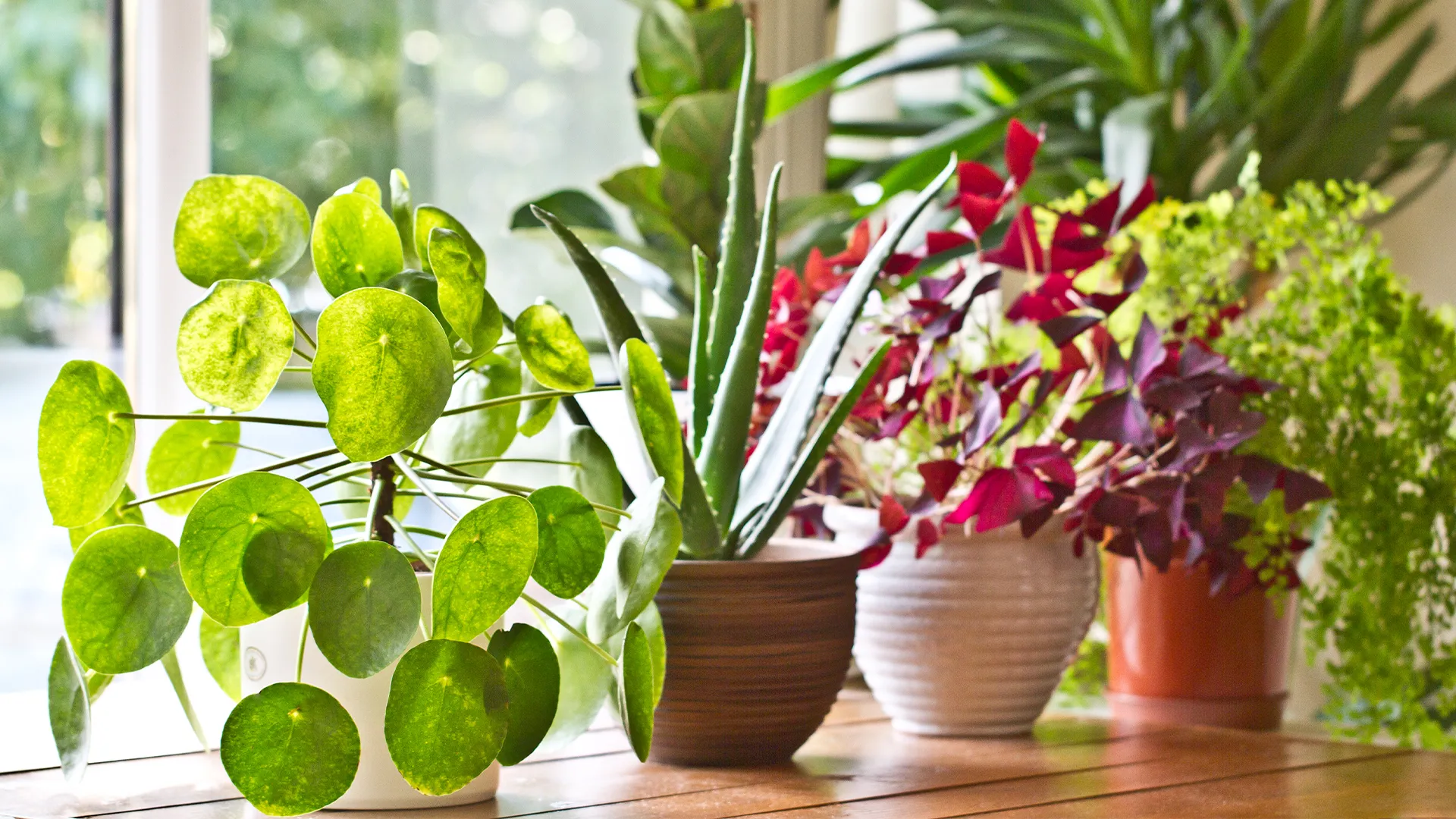
Improper fan placement can stress plants by disrupting their transpiration rates and photosynthesis efficiency. The increased air circulation can lead to wind burn, impacting plant health. By adjusting fan settings and positioning, you can prevent stress and damage to your plants. Ensuring proper airflow direction is crucial for maintaining plant health. Enhancing plant resilience gradually and monitoring their response to fan stress is key. Find the balance in fan usage to promote healthy growth and prevent issues like bud rot. By understanding these impacts, you can cultivate thriving plants in your environment.
Impacts on Transpiration Rate
Fans can significantly influence the transpiration rate of plants by enhancing air circulation around their leaves. The rate of transpiration, which is the process by which plants lose water through their leaves, can be increased by up to 50% with higher fan speeds.
This acceleration in transpiration directly impacts the plant’s water loss and overall water balance. Proper placement of fans is essential in regulating transpiration rates to prevent excessive water loss, as too much stress from fan movement can lead to negative consequences such as wilting, stomatal closure, and further increased transpiration.
Monitoring how plants respond to fan-induced air circulation is crucial in maintaining optimal transpiration levels and avoiding stress. Therefore, controlling the impact of fans on the rate of transpiration is a delicate balance that requires careful observation and adjustment to ensure the well-being of the plants.
Effects on Photosynthesis Process
When subjected to the airflow from fans, plants experience disruptions in their photosynthesis process, affecting their efficiency in converting light energy into chemical energy.
The speed at which the fan operates plays a crucial role in determining the extent of the impact on photosynthesis, as higher speeds can lead to more severe disturbances.
Understanding how fan speed influences photosynthesis is key to mitigating stress on plants and ensuring optimal growth conditions.
Photosynthesis Efficiency Impact
During the photosynthesis process in plants, the distribution of carbon dioxide, water, and light can be disrupted by the movement of fans, potentially impacting the efficiency of photosynthesis. Photosynthesis efficiency is crucial for plant growth and development, and fan stress can impede this vital process.
Excessive fan movement can lead to a reduction in photosynthetic efficiency, hindering the plant’s ability to produce energy and vital nutrients. Proper ventilation and fan settings are essential to maintain optimal conditions for photosynthesis.
When fans cause insufficient carbon dioxide intake, the photosynthesis process is compromised, directly affecting plant health. Monitoring fan placement and intensity is key to preventing stress on plants and ensuring efficient photosynthesis.
Fan Speed Influence
Optimizing the speed of air circulation devices plays a crucial role in influencing the efficiency of the photosynthesis process in plants. The fan speed directly impacts the rate at which photosynthesis occurs in plants.
High fan speeds can disrupt the photosynthesis process by altering air movement around the plant. Excessive airflow from fans may result in stomatal closure, reducing the plant’s ability to intake carbon dioxide (CO2) essential for photosynthesis. It’s imperative to find the right balance in fan speed to ensure that plants receive adequate air circulation without causing stress.
Adjusting the fan speed can help regulate the amount of air surrounding the plant, thereby maintaining optimal conditions for photosynthesis and promoting healthy plant growth. By controlling the airflow, you can prevent disturbances in gas exchange and minimize the risk of stomatal closure due to excessive air movement.
Risks of Wind Burn on Plants
Excessive fan movement can lead to wind burn on your plants, causing damage to their leaves.
Signs of stress, like wilting, drying out, or curling, may become apparent due to this phenomenon.
To prevent wind burn and maintain plant health, proper fan placement and intensity adjustments are essential.
Wind Burn Effects
Wind burn effects on plants can result in under-curling leaves and damage caused by excessive airflow. When fans generate strong winds, plants may suffer from wind burn, leading to wilted or scorched leaves.
The direct impact of excessive airflow can impede the plant’s ability to photosynthesize effectively, hindering its growth and overall health. If plants are consistently exposed to high-speed winds from fans, the risk of damage increases significantly. Leaves may dry out, turn brown, or even die off due to the stress caused by wind burn.
Monitoring plants for signs of wind burn is crucial to intervene promptly and prevent further harm. By understanding the detrimental effects of wind burn, gardeners can adjust fan placement and intensity to safeguard their plants from unnecessary stress.
Protecting plants from the negative consequences of wind burn is essential for promoting their well-being and ensuring optimal growth.
Prevention Strategies
To minimize the risks of wind burn on plants, it’s essential to strategically adjust the placement and intensity of fans. Direct exposure to fans blowing at high speeds can lead to stress and damage in plants, affecting their proper growth. By carefully positioning fans to create gentle airflow and avoiding direct blasts on the plants, you can prevent under-curling leaves and visible damage that hinder their development.
Monitoring how your plants respond to the fan movement is crucial; if you notice signs of stress like wilting or browning, consider reducing the fan’s intensity or repositioning it to provide a more uniform airflow. Proper ventilation and airflow management play a key role in mitigating the risks associated with fan-induced stress on plants.
Plant Recovery Tips
Misting foliage with water can be an effective method to aid in the recovery of plants from wind burn. When plants experience wind burn due to factors like fan blowing or excessive wind exposure, their leaves can show signs of stress such as curling or browning.
To help plants recover, consider misting the foliage regularly to increase humidity levels and reduce the impact of wind burn. Additionally, applying a balanced fertilizer can provide essential nutrients that promote growth and repair damaged tissues caused by wind burn.
It is crucial to address the root cause of wind burn, such as adjusting fan settings or repositioning stationary fans to minimize direct airflow on the plants. Fast gusts of air can exacerbate the damage, leading to further stress on the foliage.
Adjusting Fan Settings for Plants
Adjust the fan settings carefully to ensure gentle airflow that avoids causing stress on your plants. When using an oscillating fan, opt for the lowest setting to prevent exposing your plants to excessive wind, which can lead to dehydration and physical damage. Proper positioning is crucial; place the fan at an appropriate distance from your plants to allow for a gentle swaying motion rather than intense agitation.
Monitoring your plants’ response to the fan’s movement is essential. Watch for signs of stress such as wilting or browning of leaves. If you notice any negative effects, adjust the fan settings accordingly to create a more favorable environment for growth.
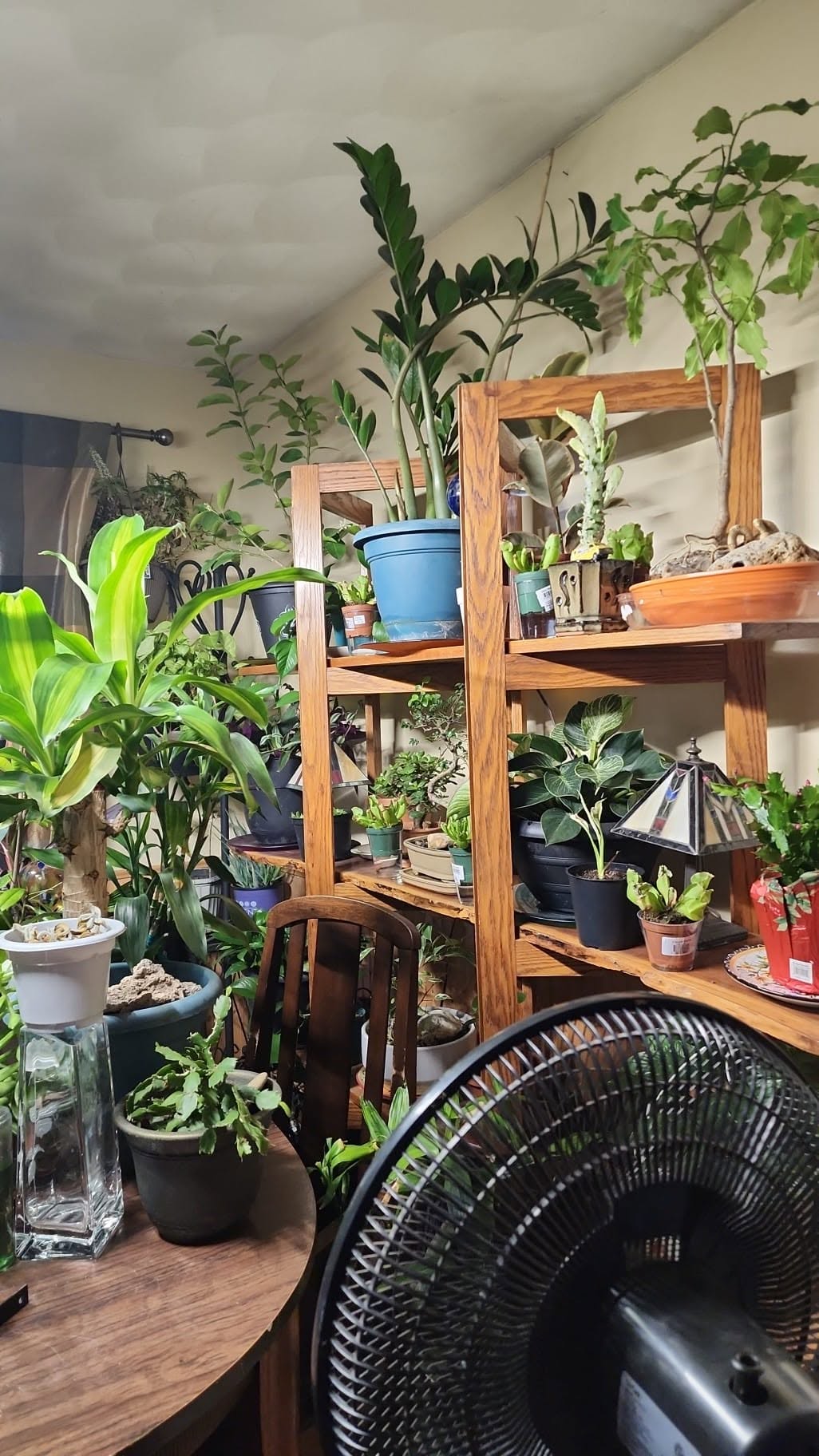
Changing Fan Direction for Plant Health
Changing the direction of the fan can significantly impact the health and well-being of your plants. When it comes to air movement, fan direction plays a crucial role in maintaining optimal conditions for plant growth. By adjusting the fan direction, you can prevent direct wind stress on plants, especially delicate ones, and ensure that airflow is distributed evenly across the leaves. This helps in avoiding issues like windburn and damage to plant tissues.
Proper fan direction also promotes healthy air circulation without causing stress to the plants, creating an environment where they can thrive. Additionally, altering the fan direction can protect plants from excessive drying out or moisture loss, contributing to their overall health. Therefore, paying attention to the fan direction is essential for maintaining a balanced and favorable atmosphere for your plants, allowing them to flourish without unnecessary stress.
Benefits of Small Oscillating Fans
Small oscillating fans can provide gentle air circulation to prevent plant stress, especially considering the benefits they offer in maintaining consistent airflow without overwhelming delicate plants. These fans are particularly advantageous for indoor gardens with limited space and plants that are sensitive to strong air currents.
By creating a gentle breeze that oscillates, these fans help prevent stagnant air pockets around plants, promoting overall plant health.
The controlled airflow produced by small oscillating fans ensures that plants receive adequate ventilation without experiencing the negative effects of direct, strong winds. This gentle circulation helps in regulating temperature, humidity, and carbon dioxide levels around the plants, which are essential for their growth and well-being.
Additionally, the subtle movement of air provided by these fans can help in strengthening plant stems and preventing the buildup of moisture on leaves, reducing the risk of fungal diseases.
Relocating Plants or Fans
When relocating plants or fans, consider the effects of fan placement on plant stress.
Adjusting the fan direction and intensity can impact plant health and growth.
Monitoring plant response to fan positioning is crucial in preventing stress-related issues.
Fan Placement Effects
Relocating either the plants or the fans can be a strategic approach to minimize direct wind exposure and alleviate stress on the plants. By adjusting the placement of fans, you can effectively control the air movement around your plants.
Moving fans to different locations allows you to optimize air circulation without subjecting the plants to excessive airflow. Proper fan positioning is crucial as it can promote healthy growth and prevent potential damage caused by intense airflow.
Ensuring that fans aren’t directly hitting the plants by strategic relocation is essential to maintaining optimal growing conditions. By strategically placing fans, you can create a more balanced airflow that provides adequate ventilation without overwhelming the plants.
This careful adjustment of fan placement can significantly impact the overall well-being of your plants, contributing to their health and productivity. Remember, thoughtful consideration of fan placement is key to maximizing the benefits of air movement while minimizing stress on your plants.
Plant Response Considerations
To prevent stress on your plants and optimize their growth, consider the plant response considerations when relocating either the plants or the fans to adjust the airflow distance and angle effectively.
Plants respond to the air around them, and proper placement of fans is crucial for ensuring they receive gentle and beneficial air circulation. By changing the direction of fans, you can avoid direct wind exposure on plants, ultimately reducing stress.
It’s important to adjust fan settings to provide a gentle airflow that helps prevent plant stress and damage. Monitoring your plant’s response to fan movement is key; this way, you can observe how they react and adjust the placement of fans accordingly to maintain optimal plant health.
Managing Plant Stress From Fans
Effective management of plant stress caused by fans involves careful adjustment of fan settings and strategic placement to prevent direct airflow stress on plants.
When dealing with oscillating fans, ensure they’re set at a low or medium speed to avoid excessive wind that can lead to wind burn and leaf damage.
Position fans so that the airflow is indirect, gently circulating around the plants rather than hitting them directly.
It’s crucial to monitor how your plants respond to the fan movement; if you notice signs of stress like under-curling leaves, consider repositioning the fan or reducing its intensity.
Proper ventilation and air circulation are key to preventing stress from fans on plants. Remember to use fans in moderation and at suitable settings to promote healthy growth without causing harm.
Preventing Wind Damage to Plants
To prevent wind damage to your plants, consider implementing windbreaks to shield them from strong gusts.
Utilize proper staking techniques to secure plants in place, reducing the risk of damage from excessive wind exposure.
Additionally, opt for sturdy plant varieties that are less susceptible to wind stress and can withstand turbulent conditions.
Windbreaks for Plant Protection
Windbreaks serve as physical barriers protecting plants from strong winds, thus preventing wind damage and promoting healthy growth. These structures, whether natural like shrubs and trees or man-made such as fences and walls, play a crucial role in shielding plants from the detrimental effects of blowing winds.
By reducing wind speed, turbulence, and wind chill, windbreaks create a more favorable microclimate that’s conducive to optimal plant development. Properly placed windbreaks are vital for safeguarding plants from wind stress, consequently lowering the risk of windburn and dehydration. Delicate plants, in particular, benefit significantly from the protective nature of windbreaks, as these structures help maintain a stable environment essential for their growth and overall well-being.
Proper Staking Techniques
Staking plants is a practical method to prevent wind damage by providing structural support to their stems and branches. Proper staking techniques involve using materials such as bamboo stakes or plant ties to secure plants firmly in place. By staking plants, you can decrease their susceptibility to breakage or bending caused by strong winds. This method not only enhances the aesthetics of the plant but also promotes healthy growth by reducing stress on its structure. Securely staked plants are better equipped to withstand windy conditions and thrive in outdoor settings.
When plants are staked correctly, they’re less likely to suffer damage from wind stress. Wind can disturb a plant’s natural growth pattern and lead to physical harm. Staking helps anchor the plant, increasing its stability and allowing it to remain upright in fresh air, which can improve the rate of photosynthesis and overall plant health. Proper staking techniques are essential for ensuring your plants remain healthy and resilient in the face of windy conditions.
Selecting Sturdy Plant Varieties
Select plant varieties that possess sturdy characteristics, such as succulents, cacti, or bamboo, to effectively minimize the impact of wind stress on your plants. These plants typically have thicker leaves and stems, making them more resistant to damage from fans or strong airflow. By choosing wind-resistant species, you can prevent stress and potential harm caused by much air movement. Avoid delicate plants with thin leaves and flowers if you anticipate exposure to strong winds, as they are more susceptible to damage.
To aid in your selection process, consider the following table showcasing different plant varieties known for their sturdy characteristics:
| Plant Variety | Sturdy Characteristic | Wind-Resistance Level |
|---|---|---|
| Succulents | Thick leaves | High |
| Cacti | Thick stems | High |
| Bamboo | Strong flexible stems | High |
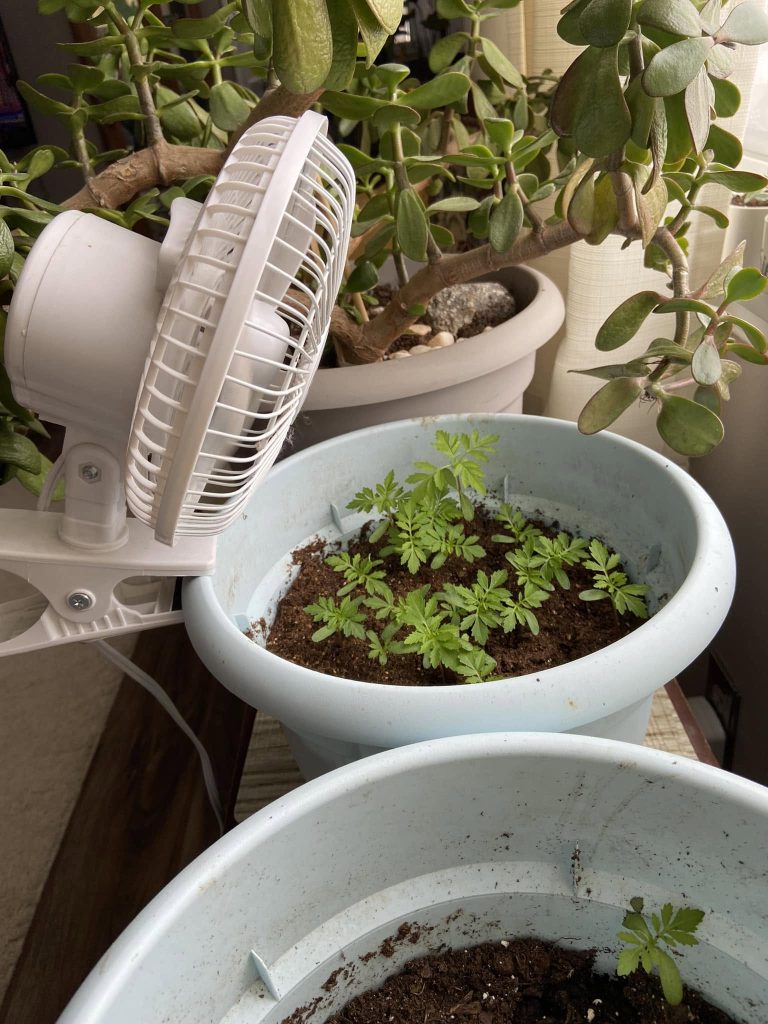
Improving Air Circulation for Growth
Enhancing air circulation through the strategic placement of fans is a crucial factor in promoting robust growth and overall health in plants. Improving air circulation around plants helps strengthen their stalks and branches, making them more resilient to environmental stressors.
By preventing stagnant air pockets, fans reduce the likelihood of mold and mildew growth, which can compromise plant health. Controlled fan movement plays a significant role in enabling plants to access additional carbon dioxide, a vital element for photosynthesis. It’s essential to adjust fan settings according to the plant’s growth stage to optimize airflow without causing undue stress.
Furthermore, continuous, gentle airflow provided by fans can enhance transpiration rates and nutrient uptake in plants, leading to improved growth and development. Proper air circulation facilitated by fans is a simple yet effective way to create an optimal environment for plant growth, ensuring that they thrive and reach their full potential.
Understanding Plant Response to Fans
Understanding how plants respond to airflow from fans is essential for ensuring their optimal growth and health. When plants are subjected to excessive or direct airflow, they can experience what’s known as fan stress. This stress can present itself in various ways, such as wind burn, wilting, or damage to the leaves.
To prevent fan stress and promote proper growth, it’s crucial to carefully consider the placement and intensity of fans in relation to your plants. By monitoring how your plants react to the movement of air from fans, you can make adjustments to avoid stress and potential damage.
As your plants grow, it’s important to continuously assess and modify fan settings to maintain a healthy environment for them. By understanding and responding to your plants’ needs in relation to fan airflow, you can create an optimal growing environment that supports their growth and overall well-being.
Enhancing Plant Resilience to Fans
Properly acclimating plants to fan movement is essential for enhancing their resilience and overall health. When aiming to enhance plant resilience to fans, it’s crucial to carefully adjust fan settings to provide a gentle and consistent airflow.
Utilizing oscillating fans can be particularly advantageous as they help distribute air more evenly, preventing direct and continuous strong airflow on plants which could lead to stress. By gradually exposing plants to the movement of these fans, you can help them adapt and build resistance to potential stressors.
Monitoring plant response to fan stress is vital in this process. Regular observations allow you to assess how plants are coping with the airflow and make any necessary adjustments in fan placement or settings. Additionally, maintaining adequate humidity levels in the plant environment is crucial to counteract any potential stress induced by fan movement.
Minimizing Fan-Induced Stress
Positioning fans at an appropriate distance is crucial for providing gentle airflow to plants without inducing stress. Direct strong wind can harm plants by causing desiccation of the foliage and disrupting their natural processes.
To minimize fan-induced stress, it’s essential to adjust fan settings to prevent direct wind exposure on plant foliage. Small oscillating fans are a great choice as they help create a more uniform air circulation around the plants, reducing the risk of localized stress.
Monitor how your plants respond to the fan movement and adjust the placement accordingly to ensure that all plants receive adequate airflow without being overwhelmed. Avoid using high-speed fans as they can lead to wind burn and damage the overall health of your plants.
Promoting Healthy Plant Growth
Promoting healthy plant growth involves optimizing air circulation through the strategic placement and monitoring of fans to enhance plant vigor and resilience. Proper growth is facilitated by fans that can cause increased airflow, which strengthens stems and improves overall plant health.
By monitoring fan settings and placement, you can prevent stress on plants and ensure optimal air movement. Fans play a critical role in preventing issues like bud rot by promoting airflow and reducing excess moisture around plants.
Adjusting fan strength according to the plant growth stage is essential to prevent damage and promote sturdy plant structures. Regularly checking plants for signs of stress or damage caused by fans is crucial for maintaining plant health and vitality.
With the right fan placement and monitoring techniques, you can effectively support healthy plant growth and development.
Strategies for Fan Usage With Plants
To effectively utilize fans with plants, adjust their strength according to the specific growth stage to prevent stress and damage. Plants need proper air circulation to thrive, but excessive fan force can lead to negative impacts. It is crucial to find a balance in fan usage to promote healthy growth without causing harm. Here are some strategies for fan usage with plants:
| Fan Strategy | Description |
|---|---|
| Adjust Strength | Tailor fan strength based on growth stage to avoid stress and damage. |
| Monitor Closely | Keep a close eye on plants for any signs of stress or damage caused by fan movement. |
| Alternate Exposure | Alternate between gentle and direct fan exposure to maintain plant health effectively. |
Conclusion
In conclusion, fans can indeed stress plants if not used properly. By understanding the impacts on transpiration rate, photosynthesis process, and risks of wind burn, gardeners can adjust fan settings and direction to promote healthy plant growth.
Enhancing plant resilience to fans and minimizing fan-induced stress are key strategies for maintaining plant health. With careful consideration and proper management, fans can be a valuable tool in supporting optimal plant growth and development.