
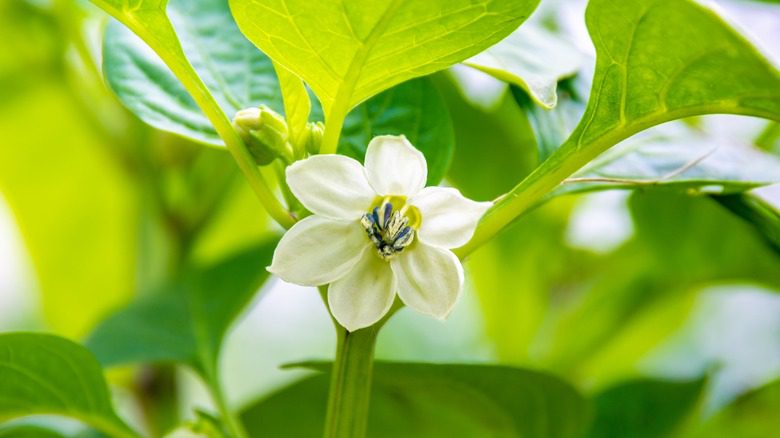
If your bell pepper plants are flowering early, high temperatures, over-fertilization, or genetic factors may be the cause. Excessive heat diverts resources towards premature blooming, affecting fruit formation. Overdoing nitrogen fertilization hinders flower growth, impacting productivity. Water consistently to avoid flowering stress. Pruning redirects energy for better flower production. Genetic predisposition can also trigger early flowering, affecting fruit quality. Adjust nitrogen levels and choose plant varieties wisely for optimal growth. For more on mitigating early flowering and fostering healthy bell pepper plants, explore factors like shading techniques and ideal watering practices.
High Temperatures Impact on Flowering
High temperatures can significantly influence the timing of flowering in bell pepper plants, potentially leading to premature blooming. When bell pepper plants experience heat stress, they may exhibit early flowering as a response to the environmental conditions. This premature blooming occurs because the high temperatures prompt the plant to divert its resources towards flower production at the expense of normal vegetative growth. As a result, the plant’s natural growth cycle is disrupted, affecting its overall development.
Furthermore, early flowering induced by excessive heat exposure can have adverse effects on fruit set in bell pepper plants. The diversion of energy towards flowering may lead to decreased fruit set and smaller pepper size, ultimately impacting the plant’s productivity. Prolonged periods of high temperatures can exacerbate these issues, affecting the health and yield of bell pepper plants. To mitigate the negative impact of high temperatures on early flowering, providing shade and regulating the temperature in the plant’s environment can be beneficial.
Effects of Over-Fertilization on Flowering
Over-fertilizing bell pepper plants can hinder flower production by promoting excessive vegetative growth. This can be caused by high nitrogen levels, which lead to lush foliage but inhibit flower initiation and development. To encourage healthy flower formation, it is crucial to correct imbalanced nutrient levels resulting from over-fertilization and adjust fertilizer application accordingly.
Fertilization Impact on Blooms
Excessive fertilization can negatively impact bell pepper plants’ bloom production by directing resources towards vegetative growth rather than flowering. When fertilizing bell pepper plants, it is crucial to strike a balance to ensure optimal flower development. Here are some key points to consider regarding the impact of fertilization on blooms:
- Energy Allocation: Over-fertilization can lead to the allocation of excess energy towards foliage growth, hindering the plant’s ability to produce flowers.
- Nutrient Imbalance: Imbalanced fertilization can disrupt the nutrient levels needed for proper flower formation, resulting in decreased flower production.
- Premature Blooms: High nitrogen levels from excessive fertilization may trigger premature blooming, affecting the overall flowering cycle of bell pepper plants.
- Foliage Dominance: Too much fertilizer can cause an overabundance of leaves at the expense of flowers, impacting the plant’s reproductive capacity.
Careful management of fertilization practices is essential to avoid early blooming and encourage healthy flower production in bell pepper plants.
Timing for Best Results
Imbalanced nutrient uptake resulting from improper fertilization practices can significantly influence the timing of flowering in bell pepper plants. Over-fertilization can disrupt the delicate balance of nutrients necessary for optimal growth, leading to early flowering in bell pepper plants. Excessive nitrogen, a common consequence of over-fertilization, can stimulate premature blooming. Conversely, deficiencies in phosphorus and potassium, caused by excessive fertilizer application, may also contribute to untimely flowering in bell pepper plants.
The timing and quantity of fertilizer application are crucial factors that determine when bell pepper plants will begin to flower. Monitoring the plant’s response to fertilization is essential for adjusting nutrient levels accordingly to optimize flowering timing. By carefully managing fertilizer application and ensuring a balanced nutrient uptake, you can help regulate the flowering process of bell pepper plants, promoting healthy growth and maximizing yield potential. Be attentive to the plant’s signals and adjust fertilizer practices as needed to achieve the best results in terms of flowering timing.
Adjusting Fertilizer Application
To optimize flowering timing in bell pepper plants, adjusting the application of fertilizers is crucial in maintaining a balanced nutrient uptake. Over-fertilization with nitrogen-rich fertilizer can disrupt the delicate equilibrium required for proper flowering in bell pepper plants. Excessive nitrogen levels tend to favor vegetative growth at the expense of flower production, leading to premature flowering. Proper nutrient management plays a pivotal role in controlling the flowering patterns of bell pepper plants. Here are some key considerations for adjusting fertilizer application to avoid premature flowering:
- Monitor Nitrogen Levels: Regularly check the nitrogen content in the soil to ensure it remains within the optimal range for bell pepper flowering.
- Use Balanced Fertilizers: Choose fertilizers with a balanced nutrient composition to promote healthy growth without encouraging premature flowering.
- Adjust Application Rates: Tailor the amount of fertilizer applied based on the specific needs of bell pepper plants at different growth stages.
- Consider Slow-Release Formulas: Utilize slow-release fertilizers to provide a steady nutrient supply and prevent sudden spikes in nitrogen levels that can disrupt flowering.
Importance of Consistent Watering for Flowering
Consistent watering plays a crucial role in maintaining plant health and promoting proper flower development in bell peppers. Adequate moisture levels are essential for supporting root growth, nutrient absorption, and overall plant stability, all of which contribute to optimal flowering. Proper watering practices help prevent water stress, which can disrupt the plant’s growth cycle, leading to premature flowering and decreased fruit production. To ensure healthy bell pepper plants, it is vital to monitor soil moisture levels regularly and provide even watering. Inconsistent watering patterns can result in fluctuations in soil moisture, causing stress to the plant and affecting its ability to set fruit successfully. By maintaining consistent watering habits, you can create a stable environment for your bell peppers, allowing them to focus on healthy growth and robust flower development. Remember, a well-watered plant is better equipped to thrive and produce abundant, high-quality peppers.
Role of Pruning in Flowering
When it comes to managing early flowering in bell peppers, pruning plays a crucial role. By selectively removing branches and flowers, you can steer plant energy towards growth rather than premature blooming. Understanding the optimal timing and techniques for pruning is essential in promoting robust plant development and fruit production.
Pruning for Optimal Growth
Pruning plays a crucial role in optimizing growth and flowering in bell pepper plants by redirecting energy towards vegetative development and enhancing overall plant health. Proper pruning techniques can promote optimal air circulation and sunlight exposure, leading to healthy plant development. By removing early flower buds through pruning, the plant can focus on establishing a robust root system and foliage, vital for sustained growth. Additionally, pruning encourages lateral growth, fostering more flower production and increasing the potential for fruit set in bell pepper plants. Regular pruning is essential to prevent overcrowding, ensuring each plant receives adequate nutrients and resources for robust growth.
- Redirects energy towards vegetative growth
- Promotes optimal air circulation and sunlight exposure
- Encourages lateral growth for enhanced flower production
- Prevents overcrowding, allowing for better nutrient distribution
Timing of Pruning
Timing plays a crucial role in optimizing flowering through pruning in bell pepper plants. Proper timing of pruning can significantly impact the balance between vegetative growth and flowering, ultimately influencing the overall plant development. By understanding the relationship between pruning and the plant’s growth stages, you can effectively manage the timing of pruning to prevent early flowering and promote healthy vegetative growth in bell pepper plants.
To help you visualize the importance of timing in pruning bell pepper plants, take a look at the table below:
| Growth Stage | Optimal Timing for Pruning | Effect on Flowering |
|---|---|---|
| Early Development | Delay pruning | Prevents early flowering, promotes root development |
| Vegetative Growth | Prune lightly | Encourages leaf and stem growth, delays flowering |
| Flower Formation | Avoid heavy pruning | Supports flower development, prevents stunted growth |
| Fruit Production | Minimal pruning | Ensures energy for fruiting, maintains plant health |
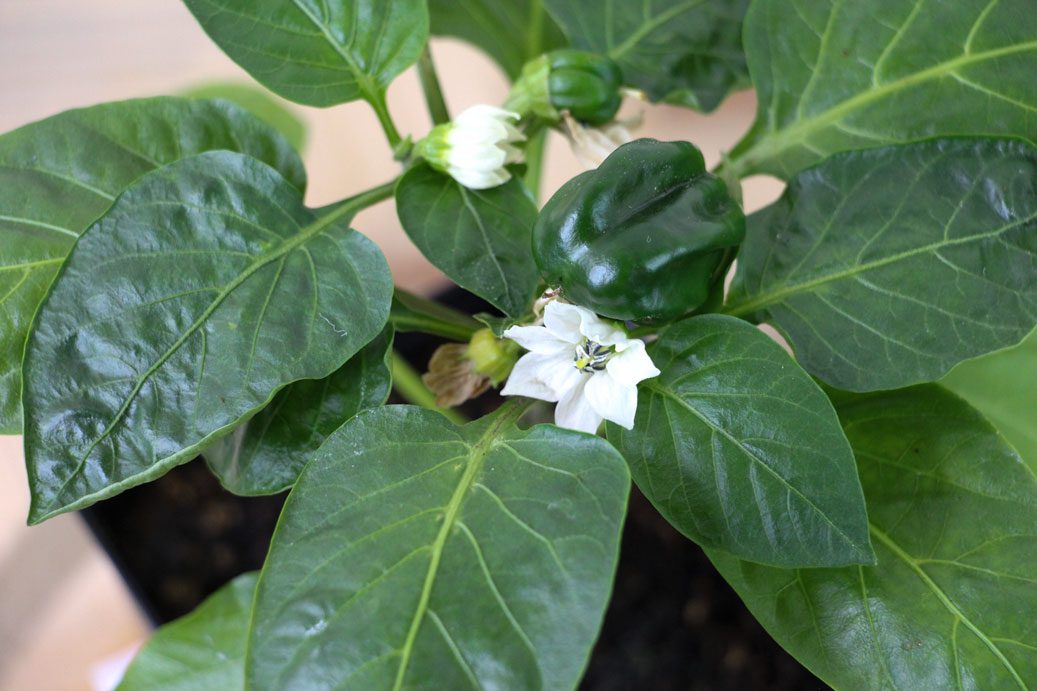
Genetic Factors in Early Flowering
Genetic factors significantly influence the early flowering behavior observed in bell pepper plants. Understanding the genetic predisposition of bell peppers is crucial in managing early flowering occurrences. Here are some key points to consider:
- Certain bell pepper varieties may have a genetic predisposition for early flowering.
- Breeders focus on developing varieties with specific flowering traits to control flowering times.
- The genetic makeup of bell pepper plants plays a significant role in their flowering behavior.
- Early flowering occurrences can be predicted and managed by studying the genetic factors at play.
Providing Shade to Delay Flowering
To effectively manage early flowering in bell pepper plants, consider providing shade as a practical solution to delay blooming and regulate plant temperature. High temperatures often trigger premature blooming in bell peppers, causing stress and potentially reducing yield. By implementing shade, you can shield the plants from excessive sunlight and maintain a more stable temperature, mitigating the risk of premature flowering. Using shade cloth or positioning taller crops nearby can help create a shaded environment that protects the bell pepper plants during the hottest parts of the day. Consistent shading, especially during peak sunlight hours, is crucial for ensuring optimal growing conditions and delaying the onset of flowering. Strategically placing shade structures allows growers to control the amount of light exposure the plants receive, which can significantly impact the timing of flowering. By providing adequate shade, you can effectively manage early flowering in bell pepper plants and promote healthier growth.
Adjusting Fertilization for Flowering Control
Adjusting nitrogen levels in fertilization plays a crucial role in controlling the flowering of bell pepper plants. When managing fertilization for flowering control, it is essential to maintain a proper balance of nitrogen throughout the plant’s growth stages. Here are some key points to consider:
- Monitor Nitrogen Levels: Regularly check the nitrogen levels in the soil to ensure they are within the optimal range for bell pepper plants.
- Adjust Based on Growth Stage: Modify the nitrogen content in the fertilizer according to the specific growth stage of the bell pepper plants to prevent premature blooming.
- Prevent Excessive Nitrogen: Avoid overfertilization with nitrogen, as it can lead to early flowering in bell peppers.
- Follow a Consistent Schedule: Establish and adhere to a consistent fertilization schedule to provide the plants with the necessary nutrients at the right times, aiding in regulating flowering timing.
Maintaining Consistent Watering Practices
Consistent watering practices are essential for maintaining the health and growth of bell pepper plants and preventing premature flowering. To ensure your bell pepper plants thrive, it is crucial to establish a consistent watering routine. Inconsistent watering can stress the plants, leading to early flowering. Proper watering practices help regulate soil moisture levels, which are vital for the plant’s development.
Monitoring soil moisture levels is key to understanding your plant’s water needs. Overwatering or underwatering can disrupt the growth cycle and trigger premature blooming. Adjusting the frequency of watering based on the soil moisture content is crucial. Watering schedules should be consistent to avoid sudden fluctuations that can induce early flowering.
Choosing Less Prone Varieties
Selecting bell pepper varieties less prone to early flowering is crucial for ensuring successful plant growth and fruit development. When choosing the right bell pepper cultivars, consider the following options to mitigate the risk of premature blooming:
- Resistant Varieties: Opt for bell pepper varieties like California Wonder or Chocolate Beauty that are known for their resistance to early flowering.
- Heirloom Varieties: Consider heirloom varieties such as Bull’s Horn or Jimmy Nardello’s, which tend to exhibit stable growth patterns and delayed flowering.
- Hybrid Varieties: Choose hybrid bell pepper varieties like Yolo Wonder or Gypsy, as they are bred to have controlled flowering tendencies, reducing the chances of early blooming.
- Compact Varieties: Select compact bell pepper varieties like Mini Bell or Lunchbox, which are designed to have reduced likelihood of premature flowering, ensuring a more extended growth period before setting fruits.
Strategies for Mitigating Early Flowering
To delay flowering in bell pepper plants, consider pruning to encourage vegetative growth and divert energy from premature blooming. Adjusting your watering schedule to maintain consistent moisture levels can help alleviate stress and prevent early flowering. By implementing these strategies, you can promote healthier growth and prolong the vegetative phase of your bell pepper plants.
Delaying Flowering With Pruning
Pruning bell pepper plants early in the growing season can effectively delay flowering, allowing for focused energy on vegetative growth and optimal fruit production. Proper pruning techniques play a crucial role in redirecting the plant’s energy towards developing a robust vegetative structure, which is essential for the overall health and productivity of bell pepper plants. Here are some key strategies for delaying flowering through pruning:
- Remove Early Flower Buds: By carefully removing early flower buds, you can prevent the plant from setting fruit prematurely, encouraging it to invest more energy in vegetative growth.
- Promote Healthier Plants: Pruning not only delays flowering but also promotes plant health, leading to better resistance against diseases and pests.
- Enhance Air Circulation: Improved air circulation through pruning helps reduce the chances of early flowering by creating an environment that discourages premature blooming.
- Maintain Plant Balance: Regular pruning helps maintain the balance of the plant, ensuring continuous growth and development before transitioning to the fruiting phase.
Adjusting Watering Schedule
Adjusting your watering schedule plays a crucial role in mitigating early flowering in bell pepper plants. Consistent watering schedules are vital to reduce stress on the plants and prevent premature blooming. Implementing proper watering techniques, such as deep watering to promote robust root development, can help deter early flowering. It is essential to monitor soil moisture levels regularly and adjust your watering frequency accordingly to meet the plant’s specific requirements. Over-watering should be avoided as it can lead to early flowering, highlighting the importance of maintaining a balanced watering regimen to prevent waterlogged conditions. Mulching around the plants can aid in retaining soil moisture, regulating water availability, and fostering stable growth, which all contribute to reducing the likelihood of early flowering. By carefully managing your watering practices and ensuring optimal soil moisture levels, you can effectively mitigate the risk of early flowering in your bell pepper plants.