

When moving plants, time it right by avoiding active growth periods. Winter is best for dormant plant transplanting. Match root size to top growth, tease out roots if root bound, and trim woody parts. Consider specific plant root needs for successful relocating. Understanding root systems is crucial; match similar roots to reduce competition. Optimal root care minimizes transplant shock. Match root ball size with above-ground structure. Different plants have unique root structures, affecting relocation success. Consider adaptability of plants to minimize recovery time. Remember, roots anchor, absorb water, and store nutrients, crucial for plant health.
Timing Considerations
When planning to move plants, it is crucial to consider the timing carefully to ensure successful transplantation and minimize stress on the plants. The best times for moving trees and bushes are after leaves fall or before spring budding. This timing allows for the plants to be dormant, reducing the shock of transplantation. It is important to avoid moving plants during their active growth period to minimize stress on their systems. For dormant plants, winter is the ideal time for transplantation as it further reduces stress and promotes successful relocation. Seedlings should be transplanted when they have two cotyledons and the first real leaf to ensure their survival. In the case of shrubby magnolias, March has been identified as the optimal time for moving to guarantee a successful transplant. By adhering to these timing considerations, you can significantly increase the chances of your plants thriving post-relocation.
Root System Matching
To successfully match root systems when transplanting plants, ensure the root system size corresponds to the plant’s above-ground structure. Tease out roots of root-bound plants to prevent circulatory problems. Prior to relocating plants, trim down above-ground woody growth to align with the root structure for optimal transplant success.
Root System Compatibility
Matching the root systems of plants when moving them is essential for ensuring successful transplantation. Root system compatibility plays a significant role in minimizing transplant shock and promoting overall plant health. Different plant species possess unique root structures, including variations in depth, spread, and density. Understanding these differences is crucial for making informed decisions when relocating plants.
When considering root system compatibility, it is important to assess the specific requirements of each plant. Some plants have shallow root systems that spread wide, while others have deep roots that penetrate the soil intensely. Matching plants with similar root structures can help reduce competition for nutrients and water, leading to better growth outcomes post-transplantation.
Assessing Plant Roots
Understanding plant roots is fundamental to ensuring successful transplantation, particularly in matching root systems for optimal growth outcomes. When assessing plant roots for transplantation, it is crucial to consider the size of the root ball in relation to the plant’s above-ground structure. Plants with extensive root systems may require root pruning to prevent stress and encourage healthy growth post-transplantation. Prior to moving root-bound plants, it is beneficial to gently tease out the roots to prevent constriction and enhance nutrient absorption capabilities.
Additionally, plants with shallow root systems are more prone to disturbance during transplantation and necessitate extra care to minimize shock. By comprehensively understanding the root structure of plants, you can determine the most suitable timing and technique for moving them, ensuring minimal disruption and promoting optimal growth. Matching the root system size with the plant’s overall health and growth requirements is essential for a successful transplanting process.
Proper Root Care
Ensuring proper root care through matching the size of the root system to the plant is essential for successful transplanting outcomes. When you move plants, paying attention to their root care can significantly impact their health and growth. Transplanting a plant with a smaller root system than its size can lead to stress and stunted development. On the other hand, root-bound plants, with roots circling the container, require delicate handling to prevent transplant shock. Carefully teasing out the roots before replanting can help alleviate this issue, promoting better establishment post-transplant.
To better understand the importance of root care in plant movement, consider the following comparison table:
| Plant Size | Ideal Root System Size | Transplant Outcome |
|---|---|---|
| Small | Matching | Healthy growth |
| Medium | Adequate | Minimal stress, good growth |
| Large | Well-developed | Strong establishment |
Matching the root system to the plant size ensures that your plants have the necessary support for thriving in their new environment.
Reducing Woody Vegetation
Before moving plants, it is crucial to reduce woody vegetation to align with the root system, ensuring a successful transplant. Pruning back woody growth not only minimizes plant stress but also aids in water conservation. Selecting the appropriate tree species and managing woody vegetation are key steps in preparing plants for relocation.
Woody Vegetation Management
To facilitate successful transplantation, it is imperative to carefully manage woody vegetation by reducing its growth. Woody vegetation management plays a vital role in preparing plants for relocation, especially during winter transplanting. By trimming back above-ground growth, you help the plant allocate energy towards root development, aiding in the adjustment process post-transplant. This practice aligns the root structure with the reduced foliage, minimizing water loss and stress on the plant. Root-bound plants benefit from gentle teasing out of the root structure before transplantation to ensure proper establishment in the new location. During winter transplanting, focusing on reducing above-ground growth is crucial for supporting root health, as the plant’s resources are directed towards root growth and establishment. By managing woody vegetation effectively, you increase the chances of successful plant relocation and ensure the long-term health and viability of your botanical specimens.
Pruning for Health
Pruning woody vegetation is essential for optimizing plant health and successful transplantation by reducing water loss and plant stress. Trimming back above-ground growth to align with the root structure is crucial in ensuring the overall well-being of the plant. This practice aids in maintaining a balance between the root system’s capacity and the above-ground portion, facilitating the plant’s ability to recover post-transplanting. Teasing out roots of root-bound plants before transplantation is also vital as it helps prevent potential issues that may arise from constrained root growth. Winter serves as an ideal time to engage in pruning and reduce woody growth before moving plants, as the dormant season minimizes stress on the plant. Properly preparing plants through the reduction of woody vegetation guarantees a successful and healthy transplant, setting the groundwork for continued growth and development in their new environment.
Tree Species Selection
When considering tree species selection for transplantation, it is crucial to prioritize those with minimal woody vegetation to enhance transplant success. Reducing woody vegetation helps match the root structure of the plant, facilitating water and nutrient uptake post-transplantation. For root-bound plants, teasing out the root structure before transplanting is essential to ensure successful establishment in the new location. Additionally, moving plants during their dormant period can minimize stress and promote healthy growth, increasing their chances of survival.
Selecting tree species like magnolias for transplanting in March can optimize their survival and establishment due to favorable environmental conditions during this period. Proper plant selection and timing play significant roles in the success of winter transplanting efforts. By choosing tree species with minimal woody vegetation and transplanting them during their dormant phase, you can improve the overall health and longevity of the transplanted plants.
Moving Dormant Plants
During the winter months, it is recommended to transplant dormant plants to minimize stress and promote healthy growth. Moving dormant plants during their dormant stage offers several advantages. Firstly, it reduces the risk of transplant shock, as dormant plants are less sensitive to changes in their environment. Their slowed growth means they are less likely to suffer damage during relocation. Winter, with its cooler temperatures and shorter days, is an ideal time for moving dormant plants as they require fewer resources and energy. This period allows them to acclimate gradually to their new surroundings before the active growing season. Transplanting dormant plants in winter also gives them the opportunity to establish strong root systems, setting a solid foundation for robust growth once spring arrives. Overall, relocating dormant plants during winter is a strategic practice that supports their health and development.
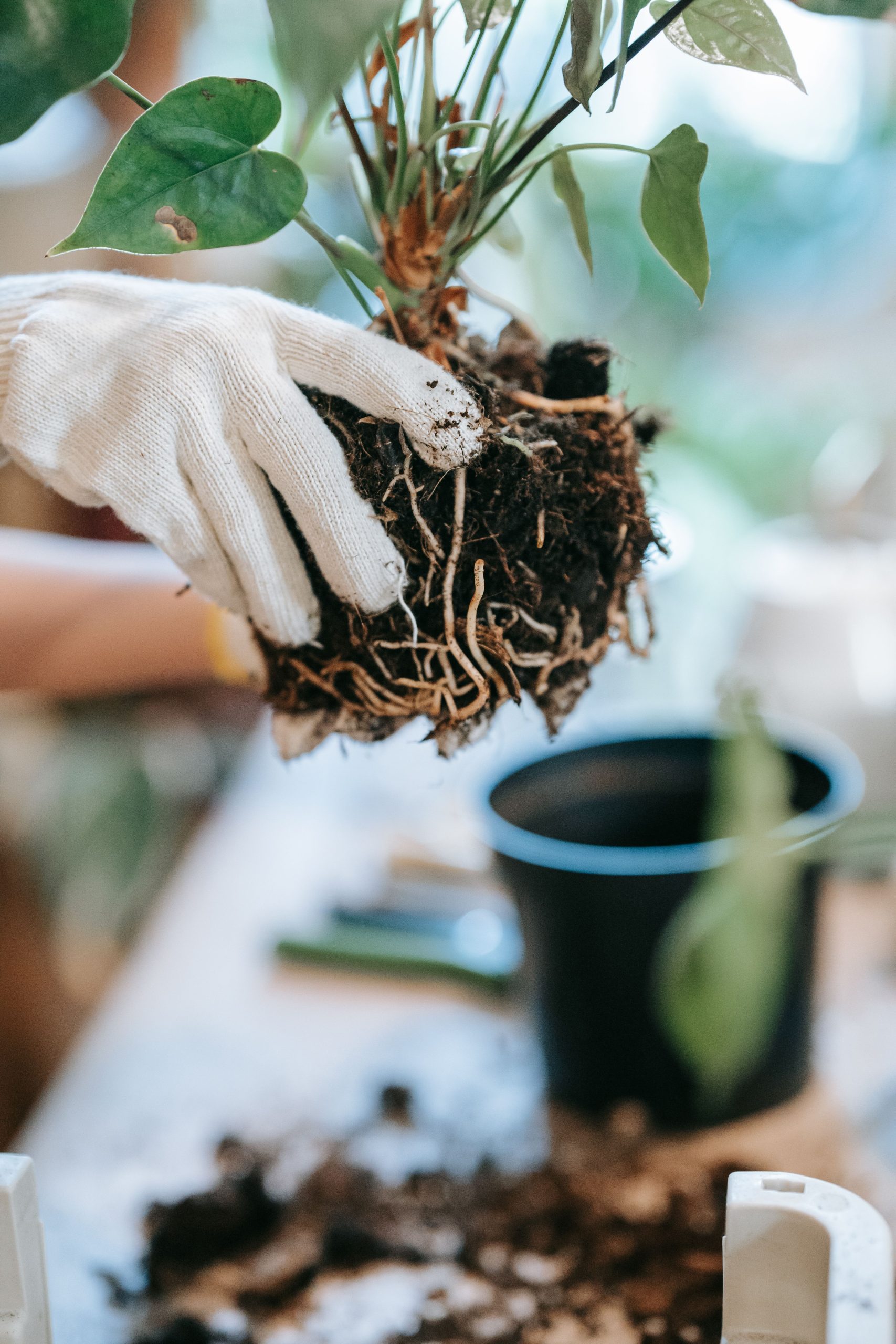
Teasing Out Root-Bound Plants
When dealing with root-bound plants, it’s crucial to gently tease out the roots to prevent issues like root circling and poor nutrient absorption. Signs of root-bound plants include slow growth, water drainage problems, and roots peeking out from the pot’s bottom. By carefully untangling the roots before repotting, you can promote healthy root development and enhance the plant’s overall growth potential.
Signs of Root-Bound
To identify root-bound plants, observe for roots encircling the container, protruding from drainage holes, or experiencing rapid soil dryness. When roots outgrow their current container, they start to encircle the root ball, indicating a potential root-bound situation. Additionally, if roots are visibly emerging from the drainage holes at the bottom of the pot, it suggests that the plant has outgrown its current space. Another sign of a root-bound plant is when the soil dries out unusually quickly, as the densely packed roots absorb moisture faster than the plant can take it up.
| Signs of Root-Bound Plants |
|---|
| Roots circling the container |
| Roots protruding from drainage holes |
| Rapid soil dryness |
Identifying these signs early on can help prevent issues such as slowed growth and yellowing leaves. Teasing out root-bound plants during repotting is crucial to promote healthy root development and ensure the plant’s overall well-being.
How to Untangle Roots
Untangling roots in root-bound plants involves gently separating and loosening the tightly wrapped root system to promote proper nutrient absorption and healthy growth. When roots become tightly packed and start encircling the container, it’s crucial to tease them out before relocating the plant to its new home. This process aids in preventing the roots from continuing to grow in a circular pattern, which can hinder the plant’s overall health.
To tease out the roots, you can use a tool like a fork or simply your fingers. Carefully work your way through the root ball, gently pulling apart the roots and releasing them from their tangled state. By doing this, you encourage the roots to grow outward into the new soil, ensuring better nutrient uptake and water distribution. This method is essential preparation before repotting, as it sets the stage for the plant to thrive in its new container. Remember, patience and gentleness are key when untangling roots to support the plant’s growth and development.
Repotting for Growth
Gently loosening and untangling compacted roots in root-bound plants plays a crucial role in promoting growth and revitalizing their overall health. When roots become root-bound, they wrap around the pot, restricting expansion and nutrient absorption. This constriction can lead to root girdling, where roots encircle the plant, hindering proper growth. Repotting root-bound plants is essential to rejuvenate their development. Teasing out the roots before repotting is vital as it prevents root girdling, allowing for better nutrient uptake and healthier plant growth. During repotting, carefully loosen the roots and trim any that are circling the root ball. This process encourages the roots to grow outwards into the new soil, promoting a stronger root system. By repotting root-bound plants and teasing out their roots, you are providing them with the opportunity to thrive and reach their full potential.

Thorough Watering Before Moving
Before moving plants, ensure they are thoroughly hydrated to minimize stress during transit and increase their chances of survival. Hydration is crucial for the well-being of plants during relocation. Here are four key points to consider:
- Night Before Moving: Water your plants the night before the move to ensure they are adequately hydrated. This preparation will help reduce the shock of being uprooted and transferred.
- Survival Rate: Properly watered plants have a higher chance of surviving the stressful process of moving. Water acts as a buffer, providing essential nutrients and hydration during the transition.
- Soil Health: Hydrated soil is vital for plants to maintain their health and resilience during the move. Moist soil helps the roots stay intact and supports the plant in adjusting to its new environment.
- Preventing Wilting: Well-watered plants are less likely to wilt or suffer from shock after relocation. Watering thoroughly before moving ensures that the plants stay turgid and vibrant throughout the process.
Utilizing Botanical Gardens
Botanical gardens play a crucial role in assessing plant viability under specific environmental conditions, aiding in the identification of species that excel or struggle in varying settings. When considering whether to move plants around, utilizing botanical gardens can provide valuable insights into the success of different species in diverse environments. By observing how plants thrive in botanical gardens, you can gather essential information on which plants are more likely to adapt well to new locations and which may struggle with changes.
These gardens serve as living laboratories where plant biology is studied meticulously, offering a wealth of knowledge on optimal growing conditions. Before deciding to move plants, it is beneficial to research and visit botanical gardens to see firsthand how various species respond to different climates and care practices. By understanding the successes and failures of plants in these controlled environments, you can make more informed decisions about the plants you choose to move and the conditions they need to thrive in their new homes.
Testing Plant Viability
To assess plant viability in varying conditions effectively, exploring plant biology and conducting thorough testing are essential steps in determining the adaptability of different species. When testing plant viability, consider the following:
- Utilize Botanical Gardens: Botanical gardens are valuable resources for testing plant viability in diverse conditions, providing insights into how different species fare in varying environments.
- Consider Environmental Specificity: Some plants excel in specific environments while others struggle, underscoring the importance of testing plant viability to match species with suitable conditions.
- Consult Plant Sales and Catalogs: Plant sales and catalogs often showcase species that have undergone viability testing in different regions, aiding in selecting plants suited for specific climates.
- Understand Plant Biology: Knowledge of plant biology is crucial in determining the optimal time for transplanting based on viability testing results, ensuring the successful acclimatization of plants to new conditions.
Identifying Suitable Varieties
When identifying suitable varieties for relocation, it is crucial to consider the adaptability of plant species to ensure successful transitions. Some plants, like philodendrons and snake plants, are more flexible and can handle being moved more frequently. However, certain species such as fiddle leaf figs may experience leaf loss due to the stress of relocation. Older plants, with more established root systems, might need additional time to recover after being moved to a new location. It is essential to monitor and observe how plants react to being moved to understand their preferences and needs better.
| Plant Variety | Adaptability to Relocation | Recovery Time Needed |
|---|---|---|
| Philodendrons | High | Minimal |
| Snake Plants | High | Minimal |
| Fiddle Leaf Figs | Moderate | Longer |
Considering these factors can help you make informed decisions when selecting plant varieties for relocation, ensuring a smoother transition and promoting the overall health of your plants.
Insights Into Plant Biology
Understanding the intricacies of plant biology involves delving into the processes of photosynthesis, respiration, and growth that govern the life and development of plants. Here are some key insights into plant biology to consider when moving plants to a new environment:
- Specialized Tissues: Plants possess specialized tissues like xylem and phloem, which are responsible for transporting water, nutrients, and sugars throughout the plant.
- Environmental Requirements: Different plant species have specific light, water, and temperature requirements for optimal growth and health. When moving plants to a new environment, it’s crucial to ensure these conditions are met.
- Plant Hormones: Plant hormones regulate various processes such as growth, flowering, and responses to environmental stimuli. Changes in environment can impact hormone levels and plant development.
- Root Systems: The root system of a plant plays a vital role in anchoring the plant, absorbing water and nutrients, and storing reserves. Moving plants can disrupt root systems, leading to stress and potential symptoms like damaged leaves.