
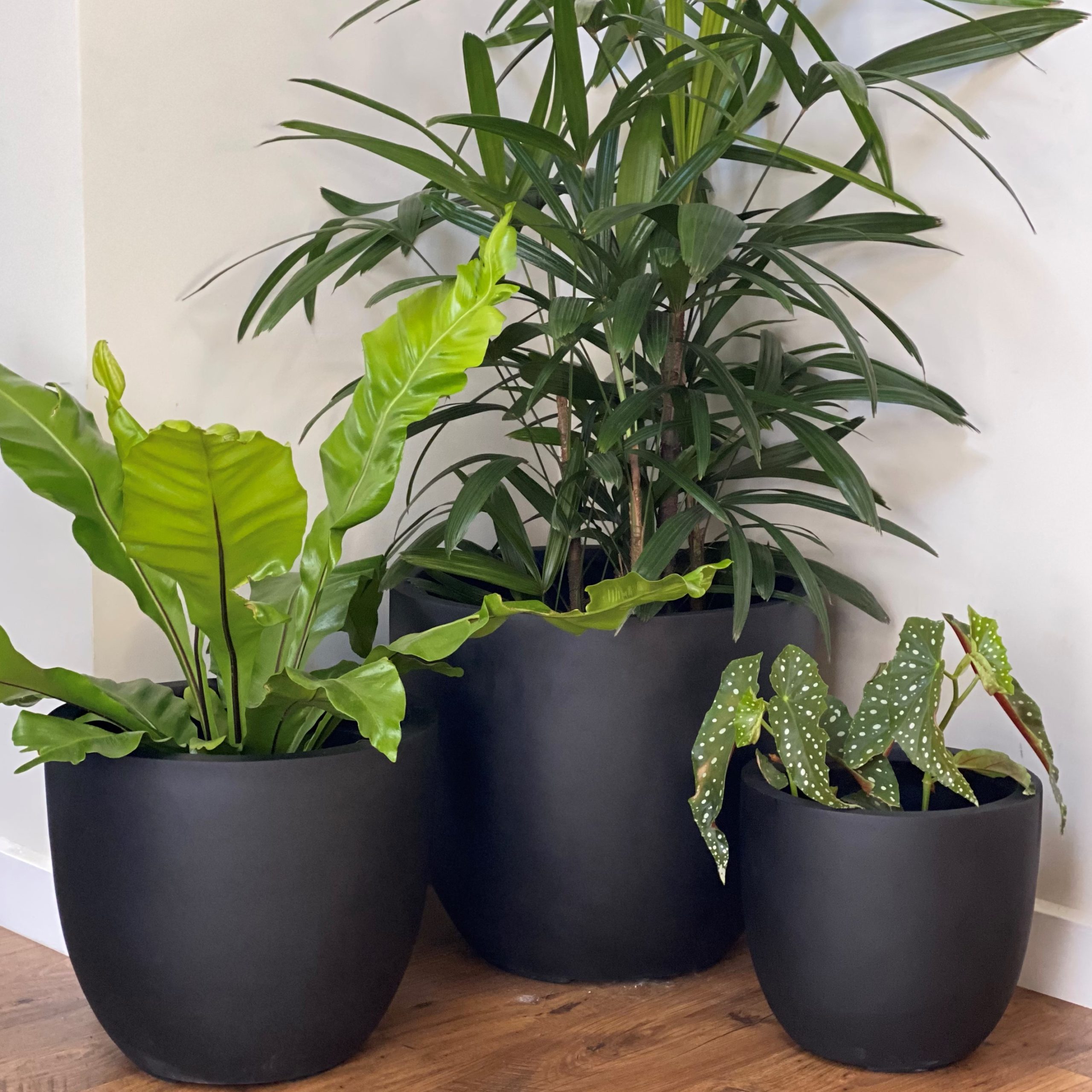
When deciding between square and round pots for your plants, consider this: square pots prevent root circling, promote healthier roots, and optimize space efficiently. Round pots evenly distribute moisture, suit deep-rooted plants, and are easier to handle. Square pots offer modern aesthetics and structured design, while round pots provide a traditional look and enhance aeration. Each shape impacts plant growth differently. To choose the best pot, match the shape to your plant’s needs and growth habits. Understanding these nuances will help you support optimal plant health and growth effectively.
Root Growth Considerations
Square pots offer significant advantages over round pots when considering root growth for plants. One key benefit is the prevention of root circling, a common issue in round pots where roots grow in circles, potentially becoming root-bound and restricting nutrient uptake. In square pots, roots tend to grow downward, promoting a healthier root system with more even distribution. The ridges present in square pots play a crucial role in influencing root direction and growth patterns, further enhancing root health.
Research indicates that the efficient use of space in square pots optimizes floor space usage, making them ideal for greenhouse setups where maximizing space is essential. By utilizing square pots, you not only promote better root growth but also ensure that your plants have ample room to develop without the risk of becoming root-bound. Therefore, when considering the best pot shape for your plants, opting for square pots can significantly impact root health and overall plant growth.
Space Optimization Strategies
Square pots offer a practical solution for maximizing space efficiency in your garden or indoor plant setup. Their straight edges allow for a snug fit when placing multiple pots side by side, optimizing every inch of available surface. Consider the layout of your space and the number of plants you wish to accommodate to determine if square pots would be the ideal choice for your gardening needs.
Shape Impact on Growth
When considering the impact of pot shape on plant growth, it is essential to analyze how space optimization strategies can influence the overall development and health of your plants. The surface area of a pot plays a crucial role in plant growth. Square pots offer a larger surface area compared to round pots, allowing for better root development and nutrient absorption. This increased surface area promotes healthier root systems, reducing the risk of root-bound plants commonly seen in round pots. The efficient use of space in square pots also prevents root circling, ensuring that roots grow outward, leading to stronger and more stable plants.
Furthermore, the additional soil volume per footprint in square pots provides plants with more room to establish themselves and access essential resources. By maximizing the surface area available for root growth, square pots create an environment conducive to optimal plant development. Consider choosing square pots for your plants to harness the benefits of increased surface area and promote healthy growth.
Efficient Use of Space
Efficient space utilization is a critical factor to consider when selecting pots for your plants, as it can significantly impact their growth and overall health. Square pots have been shown to optimize floor space in greenhouses and gardens, maximizing the number of plants that can be accommodated. Their design also reduces the likelihood of root circling, which can hinder plant development in round pots. Additionally, square pots offer efficient stacking capabilities, making them ideal for storage and organization, especially in limited spaces like grow rooms and nurseries.
Advantages of Square Pots
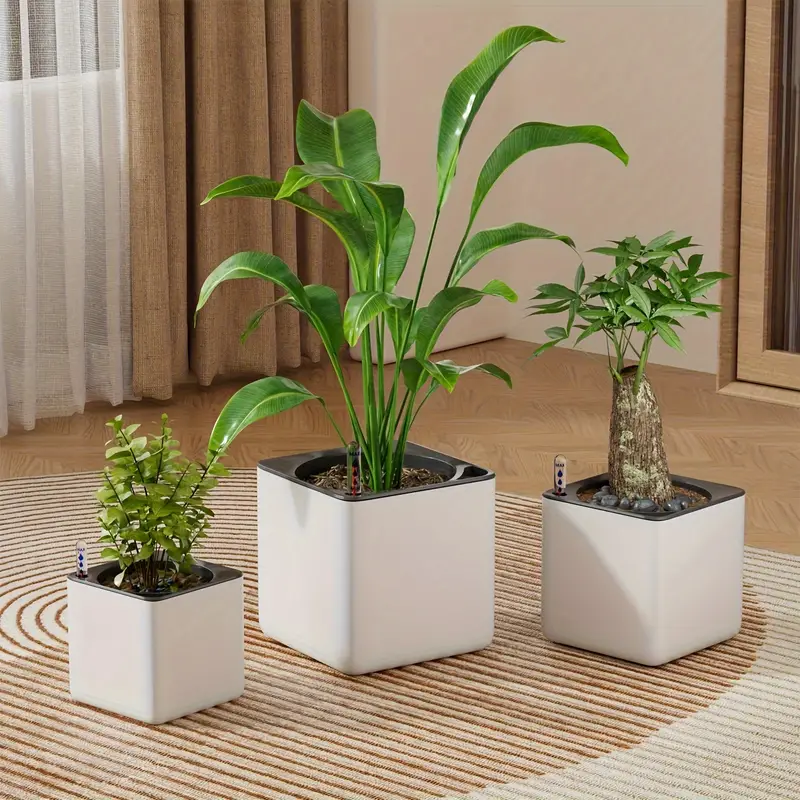
Square pots offer a space-saving design that maximizes your growing area by efficiently utilizing available space. Their shape promotes enhanced root development, preventing circling and encouraging a healthier root system for your plants. Consider using square pots to optimize your gardening setup and provide stability and growth benefits to your plants.
Space-Saving Design
Optimizing floor space and promoting healthier root systems, square pots offer a practical and efficient solution for maximizing plant arrangements in limited areas. Their structured symmetry and space-saving design make them a preferred choice for those looking to make the most of their gardening space. Here is a comparison table highlighting the space-saving advantages of square pots:
| Space-Saving Features | Square Pots |
|---|---|
| Optimizes floor space | ✔ |
| Easy to stack and store | ✔ |
| Prevents root circling | ✔ |
| Enhances organization | ✔ |
| Practical and stable design | ✔ |
Square pots not only allow for more plants in a given space but also ensure that each plant has ample room for healthy root development. With their efficient use of space and promotion of better root systems, square pots are an excellent choice for those looking to maximize their gardening area while maintaining plant health.
Enhanced Root Development
To foster robust root systems and healthier plant growth, square pots provide a conducive environment that actively prevents root circling and guides roots to establish efficiently downwards. The square shape of these pots plays a crucial role in promoting enhanced root development. By eliminating the circular pattern that roots tend to follow in round pots, square pots prevent root circling and encourage roots to grow straight down. The ridges and corners in square pots act as guides, directing roots to extend vertically and horizontally, optimizing the root structure for better nutrient absorption. Moreover, square pots offer a more efficient use of space, allowing for maximum soil volume utilization by roots. This prevents roots from becoming pot-bound, ultimately supporting the overall health and vigor of the plant. The structured environment provided by square pots facilitates root establishment, leading to stronger, healthier plants with improved growth potential.
Advantages of Round Pots
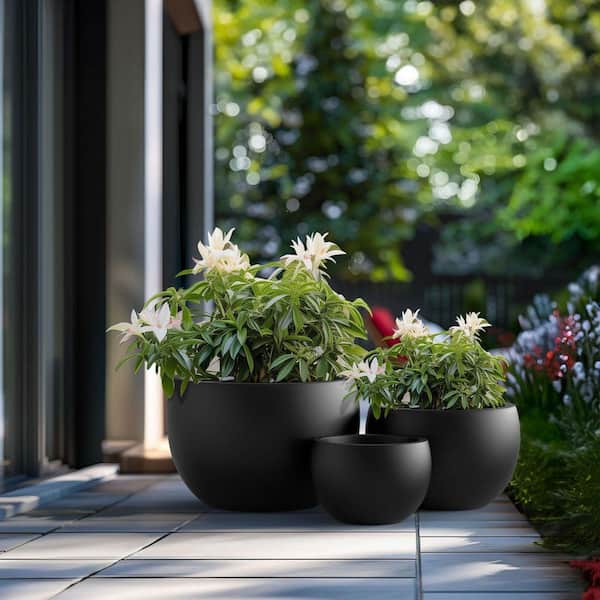
When considering pot shapes for your plants, round pots offer several advantages that can significantly benefit plant growth and maintenance. Round planters excel in distributing moisture and nutrients evenly throughout the soil, ensuring each part of the root system receives essential elements for healthy development. They are particularly suited for plants with deep root systems that require ample space to grow unrestricted. The rounded shape of these pots also enhances aeration for roots, promoting optimal air circulation and reducing the risk of root rot.
Moreover, round pots are easier to handle and move, making plant maintenance and repositioning a breeze. Their curved design minimizes the chances of damaging roots during transplanting compared to square pots, safeguarding the plant’s overall health and reducing stress during the transplantation process. In summary, choosing round pots can provide your plants with a conducive environment for robust growth and easier care.
Handling and Maintenance Differences
Round pots and square pots exhibit distinct differences in handling and maintenance that can impact plant growth and care significantly. Round pots are easier to handle and move around, making them a practical choice for plants that require frequent repositioning. Their smooth edges and lack of corners make them more user-friendly during tasks like repotting or transporting plants. However, when it comes to maintenance, round pots might be slightly trickier than square pots. Square pots, with their straight sides and corners, are easier to stack and store, optimizing space efficiency. Additionally, square pots help prevent root circling, promoting healthier root systems due to the more even distribution of moisture and nutrients. This feature also offers more soil volume per footprint compared to round pots. Therefore, when considering the handling and maintenance aspects, round pots excel in ease of movement, while square pots provide stability, space efficiency, and promote better root health.
Impact on Plant Health
Square pots offer a practical solution for promoting healthier root systems and maximizing soil volume, thus significantly impacting plant health and growth. When considering the impact on plant health, square planters have distinct advantages over round pots:
- Prevention of Root Circling: Square pots may prevent root circling, which is common in round pots and can hinder plant growth.
- Ample Space for Growth: Square pots offer more soil volume per footprint, providing plants with the necessary space for healthy root development.
- Even Distribution of Moisture and Nutrients: Round pots distribute moisture and nutrients more evenly, benefiting plants with deep root systems. However, square pots can still provide adequate moisture distribution with proper watering techniques.
- Enhanced Root System: The shape of square planters promotes healthier root systems by allowing roots to grow more uniformly and efficiently compared to the potential constriction in round pots.
Considering these factors, square planters are a practical choice for promoting overall plant health and growth.
Aesthetics and Design Factors
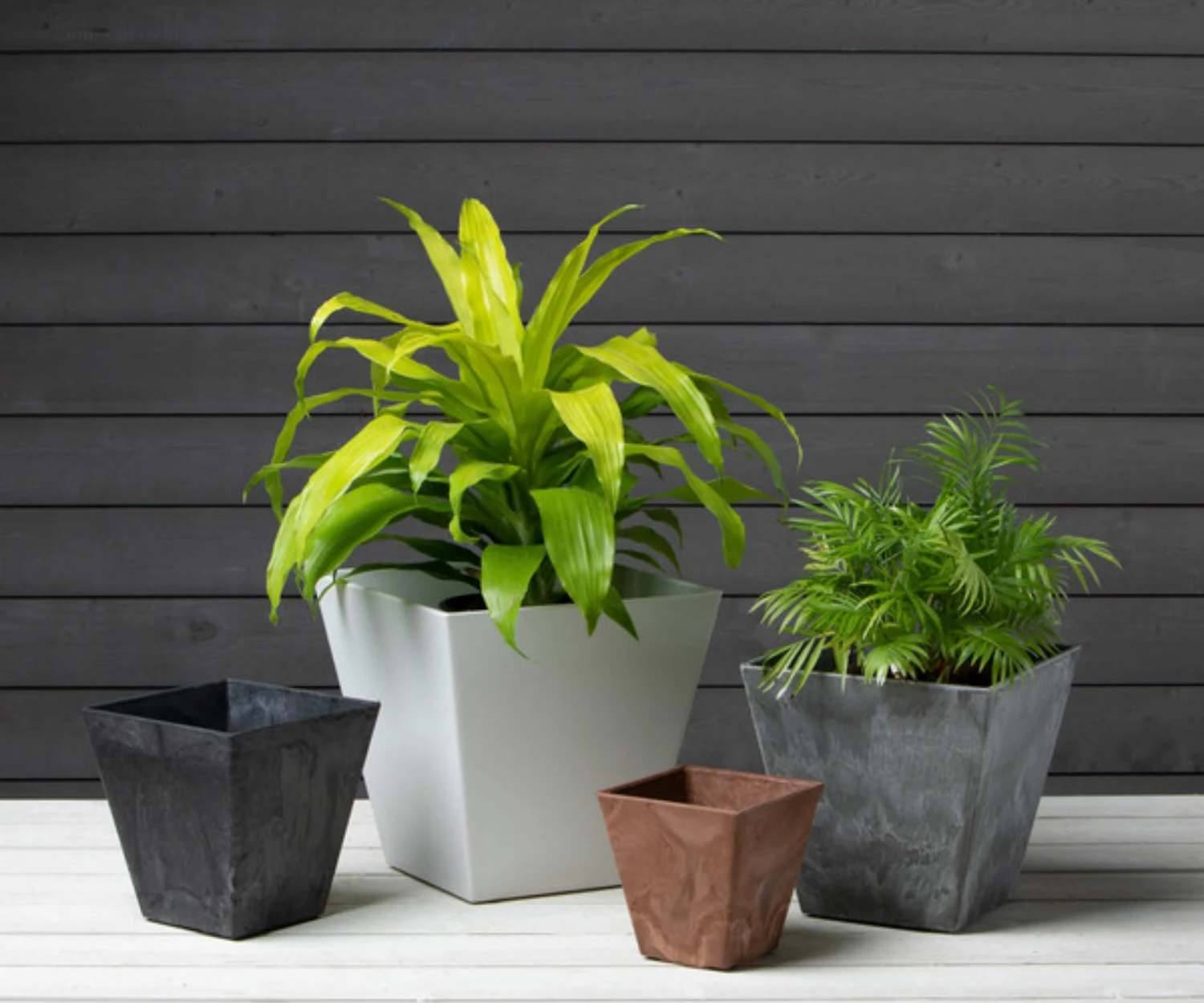
The visual appeal of plant containers plays a crucial role in shaping the overall ambiance and design coherence of a space. When considering aesthetics and design factors, round pots offer a softer and more traditional look compared to the modern and structured aesthetic of square pots. Round pots provide a touch of elegance and simplicity, bringing a sense of natural harmony and fluidity to garden settings and smaller spaces. These containers are ideal for creating a more relaxed and organic atmosphere, blending well with various decor styles. In contrast, square pots lend themselves to a contemporary feel with clean lines, offering a structured and organized design scheme for both indoor and outdoor spaces. The choice between round and square pots often boils down to personal style preferences and the overarching design objectives of the area where they will be placed. Ultimately, whether you opt for the softer curves of round pots or the sharp angles of square pots, both shapes can beautifully complement your plants and enhance the visual appeal of your space.
Watering Efficiency Comparison
Efficient watering techniques play a crucial role in maintaining plant health and growth, particularly when comparing the watering efficiency of round and square pots. When considering the watering frequency, it’s important to understand how the shape and design of the pots influence moisture distribution and retention. Here are some key points to consider:
- Round pots distribute moisture and nutrients more evenly, potentially requiring more frequent watering sessions.
- Square pots, despite offering more soil volume per footprint, may retain water longer due to their design, impacting watering frequency.
- Watering round pots may need to be more frequent to ensure consistent moisture levels throughout the soil.
- Proper watering techniques are essential for both round and square pots to prevent issues like overwatering or underwatering, which can adversely affect plant health and growth.
Making the Best Choice
To make the best choice between square and round pots for your plants, consider the specific needs of your plant species and growth habits. If you have plants that require ample floor space and benefit from healthy root systems, using square pots would be advantageous. Square pots optimize floor space usage, prevent root circling, and promote healthier root development. They offer more soil volume per footprint, making them ideal for maximizing space efficiency while ensuring robust root growth. On the other hand, if your plants have deep root systems and require even moisture and nutrient distribution, round pots may be more suitable. Round pots distribute moisture and nutrients evenly, catering to the needs of plants with deep roots. When deciding between square and round pots, remember that the shape of the pot can significantly impact plant growth, root development, and overall plant care considerations. By understanding your plant’s specific requirements, you can choose the most appropriate pot shape to support optimal plant health and growth.