

When buying garden pruning shears, you’ll want to choose a type that suits your needs: bypass for green wood, anvil for dry wood, or ratchet for extra force. Opt for blades made of high-carbon steel for sharpness or titanium-coated blades to reduce friction. Ensure the handles are ergonomic to prevent strain, with adjustable widths and soft grips to enhance comfort. Consider shears with a cutting capacity that matches the thickness of your branches, and prioritize safety features like durable locks. Reputable brands offer reliable warranties, and always check reviews for user satisfaction. Exploring more, you’ll find the perfect match for your gardening tasks.
Types of Pruning Shears
To effectively meet your garden’s pruning needs, it’s essential to select the right type of pruning shears, as each is tailored for specific tasks and wood types. Bypass pruners, for example, are designed specifically for making clean cuts on green wood and flexible stems. The sharp, curved blade of bypass pruners slices past a thick base, ensuring a precise cut without crushing the delicate plant tissue. This makes them ideal for ensuring the health of your growing plants.
On the other hand, anvil pruners are better suited for tackling dry or dead wood. These shears feature a single straight blade that comes down on a flat surface—the anvil—delivering the force needed to slice through tougher materials. The design of anvil pruners focuses on maximizing leverage, which is crucial for cutting through denser, less forgiving wood types without excessive effort.
For even more challenging pruning tasks, ratchet pruners offer an advanced mechanism that multiplies your hand strength through a series of clicks. Each squeeze of the handles progressively increases the force applied, enabling you to cut through tough stems and branches more easily and with less hand fatigue. This feature is particularly beneficial if you’re dealing with thick, hard branches or have limited hand strength.
Blade Material and Quality
While selecting the right type of pruning shears is important, you should also consider the material and quality of the blades to ensure optimal performance and durability.
High-carbon steel is a top choice for blade material due to its superior strength and long-lasting sharpness. This type of steel ensures that your shears will endure through many pruning sessions without the need for frequent sharpening.
Stainless steel blades are also beneficial, particularly for their resistance to rust and corrosion, which can be crucial if you often work in damp conditions. To further enhance the durability and efficacy of the blades, look for those that are coated with titanium. This coating not only protects the steel beneath from corrosion but also reduces friction when cutting, facilitating smoother, cleaner cuts that are healthier for your plants.
Moreover, consider pruning shears with replaceable parts. Blades that can be replaced extend the life of the shears significantly, proving to be a cost-effective solution in the long run.
Avoid opting for shears with blades made from inferior materials like aluminum or plastic, as these are less durable and may not perform well for heavy-duty pruning tasks. Always prioritize blade quality to maintain the health and beauty of your garden.
Handle Design and Comfort
When selecting garden pruning shears, you’ll find that ergonomic grip features are crucial for reducing hand strain during extended use.
The adjustable handle width accommodates your hand size, ensuring a secure and comfortable fit.
These design elements not only enhance comfort but also improve your control and efficiency in pruning tasks.
Ergonomic Grip Features
Ergonomic handles on pruning shears are essential for ensuring comfort and efficiency during extended periods of garden work. When selecting a pair, it’s crucial to look for features that promise ease and comfort for prolonged sessions. The design of ergonomic handles is specifically tailored to fit the natural curvature of your hand, minimizing stress on your joints and muscles. This design detail is vital for reducing the risk of fatigue and repetitive strain injuries, which can be a significant concern for avid gardeners.
Opt for shears with soft grip handles. These not only provide a comfortable hold but also enhance your grip security, preventing the tool from slipping even when your hands are wet or sweaty. This feature is particularly important as it directly affects your safety while cutting through tough branches and stems.
Adjustable Handle Width
Building on the importance of ergonomic features, consider pruning shears with adjustable handle width to better suit individual hand sizes and grip preferences. This feature not only enhances comfort but also ensures that you can maintain efficiency in your gardening tasks without unnecessary strain. Here’s what you should know about adjustable handle widths:
- Customizable Fit: Adjustable handle widths allow you to modify the tool to fit your hand precisely, leading to a decrease in hand fatigue and an increase in control. This personal adjustment helps in achieving a more natural hand position while cutting.
- Reduced Strain: By adapting the handle width to your specific grip size, you reduce the risk of overexerting your hand muscles, which can prevent cramps and injuries associated with repetitive tasks.
- Increased Comfort: A handle that fits well in your hand is less likely to slip and provides a more comfortable grip, allowing for longer periods of use without discomfort.
- Enhanced Ergonomic Benefits: Properly adjusted handles can significantly improve the ergonomic posture of your hand and wrist, leading to a healthier pruning experience and potentially reducing the likelihood of developing long-term musculoskeletal issues.
When you’re selecting pruning shears, prioritize ones that offer adjustable handle widths to maximize comfort and ergonomic benefits while tackling your garden maintenance.
Cutting Capacity Requirements
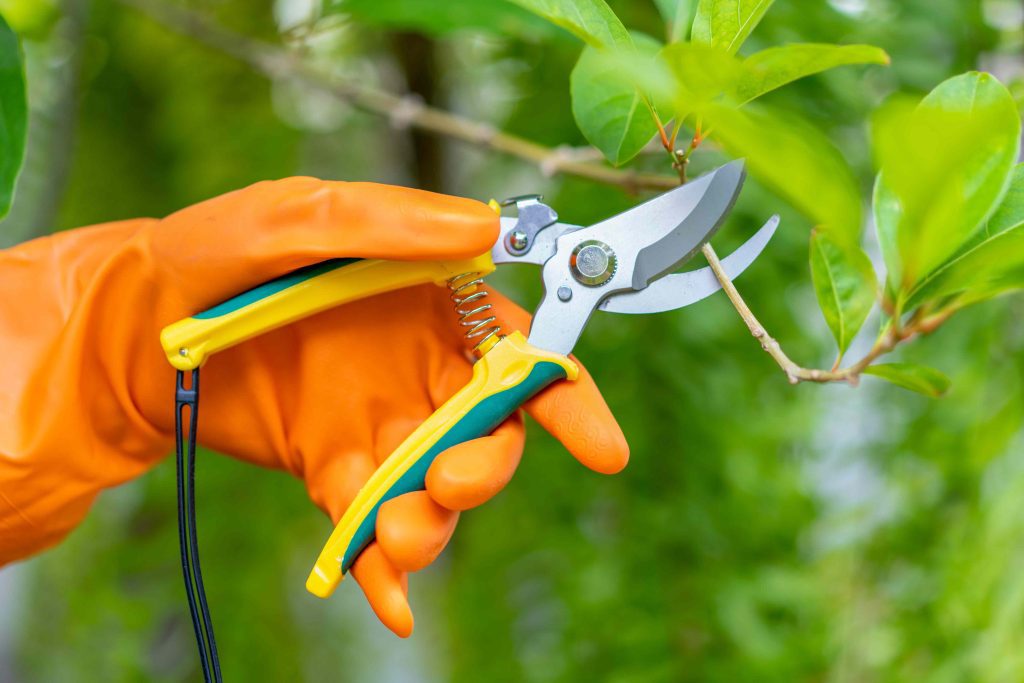
To ensure efficient and effective trimming, you should select pruning shears with a cutting capacity that matches the typical branch thickness in your garden. Standard pruning shears are equipped to handle branches up to 3/4 inches thick, which suffices for most light to moderate pruning tasks.
However, for thicker branches or more demanding pruning projects, opting for shears with a larger cutting capacity is advisable. You’ll find that having shears designed for specific branch sizes greatly enhances your pruning efficiency. This tailored approach prevents damage to both the plant and the shears, ensuring clean cuts that promote healthy plant growth.
When evaluating shears, consider the maximum diameter they can cut, as this directly impacts their suitability for your garden’s needs. Additionally, possessing a range of shears with varying cutting capacities allows you to tackle different types of plants and branches with precision. This versatility is crucial, especially in gardens with a diverse array of plant species.
Safety Features
When selecting garden pruning shears, it’s crucial you consider the lock mechanism design, which ensures the blades remain securely closed when not in active use.
Comfortable grip options are essential; they prevent fatigue and enhance your control over the tool, reducing the likelihood of accidents.
Additionally, the availability of a blade guard offers vital protection, safeguarding both the blades and yourself from unintentional contact and injury.
Lock Mechanism Design
Ensure your pruning shears are equipped with a robust locking mechanism to securely keep the blades closed when not in use, safeguarding against accidental cuts or injuries. A secure locking mechanism is essential not only for blade safety but also to enhance overall handling security. When selecting shears, consider a lock that combines ease of use with reliable performance.
- Ease of Operation: The lock mechanism should be simple to engage and disengage. This ensures that you can quickly secure the shears when needed, without struggling, which could lead to frustration or mishandling.
- Durability: Opt for locks made from high-quality materials to withstand repeated use and exposure to various environmental conditions without failing.
- Visibility: A well-designed lock is easily visible and accessible. This feature allows you to ensure that the lock is fully engaged before storing or carrying the shears.
- Integration: The lock mechanism should be seamlessly integrated into the design of the shears, maintaining the tool’s ergonomic features without adding unnecessary bulk or complexity.
A well-chosen lock mechanism not only prevents the blades from opening accidentally but also contributes to the longevity of the shears by protecting the sharp edges from damage when not in use. Prioritize this feature to enhance safety and functionality in your gardening tools.
Comfortable Grip Options
Selecting pruning shears with ergonomic handles is crucial, as they provide a comfortable grip that reduces hand strain and fatigue during prolonged gardening activities.
When you’re browsing for the right tool, prioritize models featuring non-slip grips. These are essential for maintaining control and precision, especially in damp or slippery conditions. The presence of a non-slip surface ensures that the shears remain securely in your hand, preventing any unexpected slips that could lead to mishaps or subpar pruning results.
Furthermore, look for shears with cushioned or rubberized grips. These materials not only enhance comfort but also absorb some of the shock during the cutting process, which can be particularly beneficial if you’re dealing with tough branches or extensive pruning sessions. This added layer of cushioning helps in reducing the pressure on your joints and muscles, thereby enabling a more enjoyable and less strenuous gardening experience.
Additionally, consider adjustable handles. These allow you to customize the fit according to your hand size and grip preference, offering a truly personalized tool that adapts to your specific needs. This adjustability is invaluable, as it caters to a wide range of physical requirements and ensures that everyone can handle their gardening tasks with ease and efficiency.
Blade Guard Availability
Consider pruning shears equipped with a blade guard to enhance safety and protect the blades when not actively in use. Blade guards are a crucial safety feature designed to minimize the risk of accidental cuts and preserve the integrity of the blades during storage and transport. Investing in shears with a reliable blade guard ensures that you’re not only safeguarding yourself but also maintaining the tool’s effectiveness and longevity.
Here’s why you should prioritize blade guard availability in your selection:
- Protection from Accidental Cuts: A robust blade guard prevents injuries by covering sharp edges when the shears aren’t in operation.
- Preservation of Blade Sharpness: By shielding the blades from environmental factors and contact with other objects, the guard helps maintain sharpness and performance.
- Enhanced Durability: Protecting the blades from physical damage when stored or moved enhances the overall durability of the shears.
- Safe Storage: A secure blade guard facilitates safer storage, reducing the risk of the shears damaging other items or being accidentally activated.
Opting for a model with these safety features ensures you’re equipped with a tool that meets both your gardening needs and safety standards, making your pruning experience safer and more efficient.
Maintenance and Care
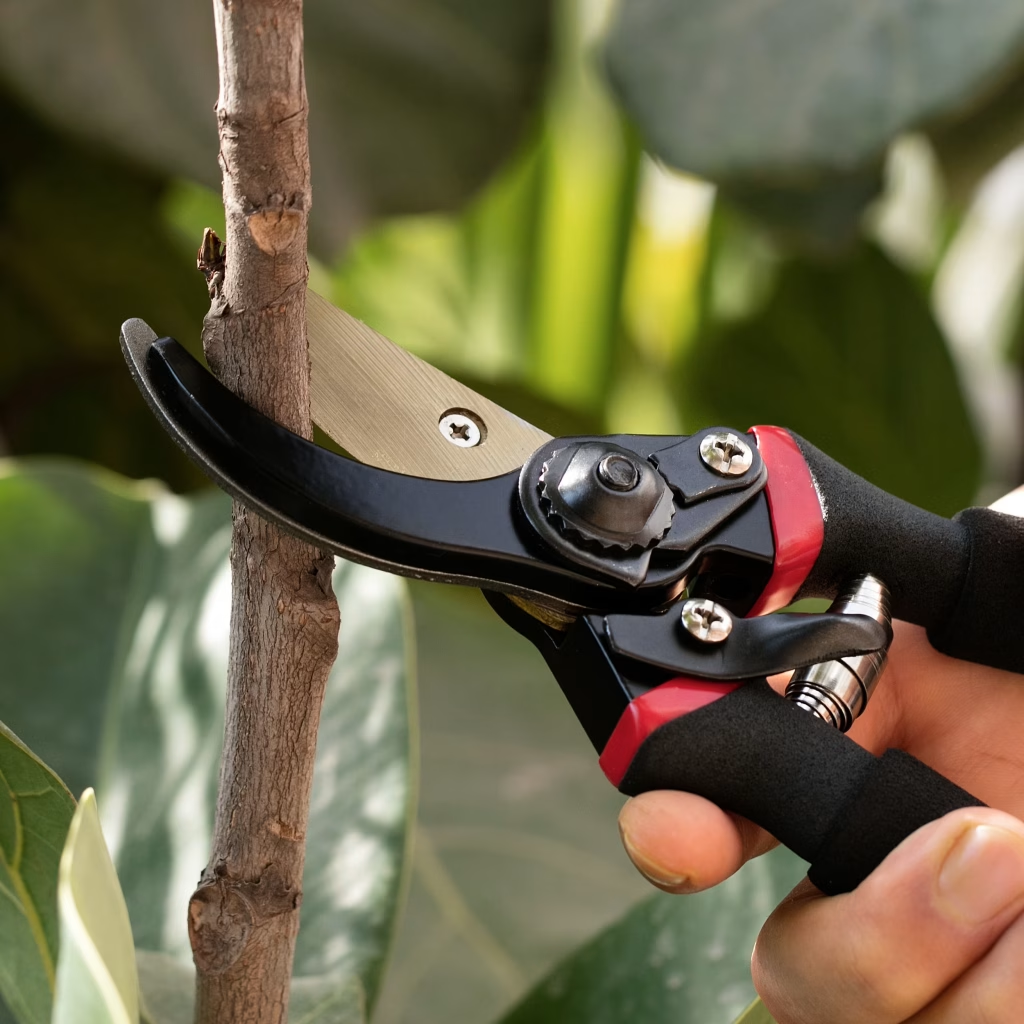
By regularly cleaning your garden pruning shears, you prevent rust and debris buildup, thereby prolonging their lifespan. It’s crucial to disassemble the shears periodically to ensure every component is thoroughly cleaned.
Start by separating the blades from the handle, taking care to note the assembly order for easy reassembly later. Use a soft brush and soapy water to scrub away any dirt or plant residue from the blades and handles. For tougher grime, consider using a specialized cleaning solution designed for metal tools.
Ensure that you rinse all parts thoroughly to remove any soap residue before drying them completely with a clean cloth. This avoids any moisture-related damage, such as rusting. Sharpening the blades is another essential aspect of maintenance. A dull blade can damage your plants and make your work harder.
Use a fine file or a whetstone, maintaining the original angle of the blade edge for optimal sharpness. Test the sharpness by making a few practice cuts on a scrap piece of wood or paper. Regular sharpening ensures that your cuts remain clean and precise, significantly enhancing your shears’ performance and your overall gardening efficiency.
Brand and Warranty Considerations
After ensuring your garden pruning shears are well-maintained, it’s important to choose a brand and warranty that support long-term durability and performance. The right choice can greatly impact the effectiveness and lifespan of your pruners, ensuring they remain a reliable tool in your gardening arsenal.
When selecting pruning shears, consider these critical aspects:
- Reputable Brands: Opt for well-known brands like Felco, Fiskars, Bahco, and Wolf-Garten. These brands are celebrated for their robust construction and cutting precision, making them leaders in the garden tool industry.
- Warranty Coverage: Always check the warranty offered by the manufacturer. A good warranty covers defects in materials and workmanship and reflects the company’s confidence in their product. This is crucial for protecting your investment against potential flaws.
- Availability of Replacement Parts: Brands such as Felco provide replacement parts for their pruning shears, which is a key factor in ensuring the longevity and maintenance of your tool.
- Customer Reviews and Ratings: Research customer feedback to gauge the overall satisfaction with the pruners’ performance and durability. Positive reviews are often indicative of a product’s reliability and quality.
Investing in a reputable brand with a comprehensive warranty is essential for ensuring your pruning shears are a lasting, valuable asset for your gardening needs.
Price and Value
When evaluating garden pruning shears, it’s crucial to weigh their price against the value they offer, especially in terms of durability, cutting capacity, and user comfort. You’ll find that shears range from $20 to $100, with the higher-priced options often featuring advanced elements such as replaceable blades and ergonomic handles. These features not only enhance user comfort but also extend the lifespan of the shears, providing long-term value.
Assessing the durability is paramount. Opt for shears made with high-quality materials like hardened steel, which can maintain sharpness and resist wear over time. The presence of replaceable blades is a significant advantage, as it allows you to refresh the cutting edge without replacing the entire tool, potentially saving you money in the long run.
Furthermore, don’t overlook the cutting capacity. Ensure the shears you select can handle the typical branch thickness in your garden without causing strain or injury.
Comparing different models within your budget range will help you identify the best combination of price and value. It’s advisable to invest in a slightly more expensive model if it offers notable enhancements in these key areas, as it could reduce the need for frequent replacements or upgrades.