
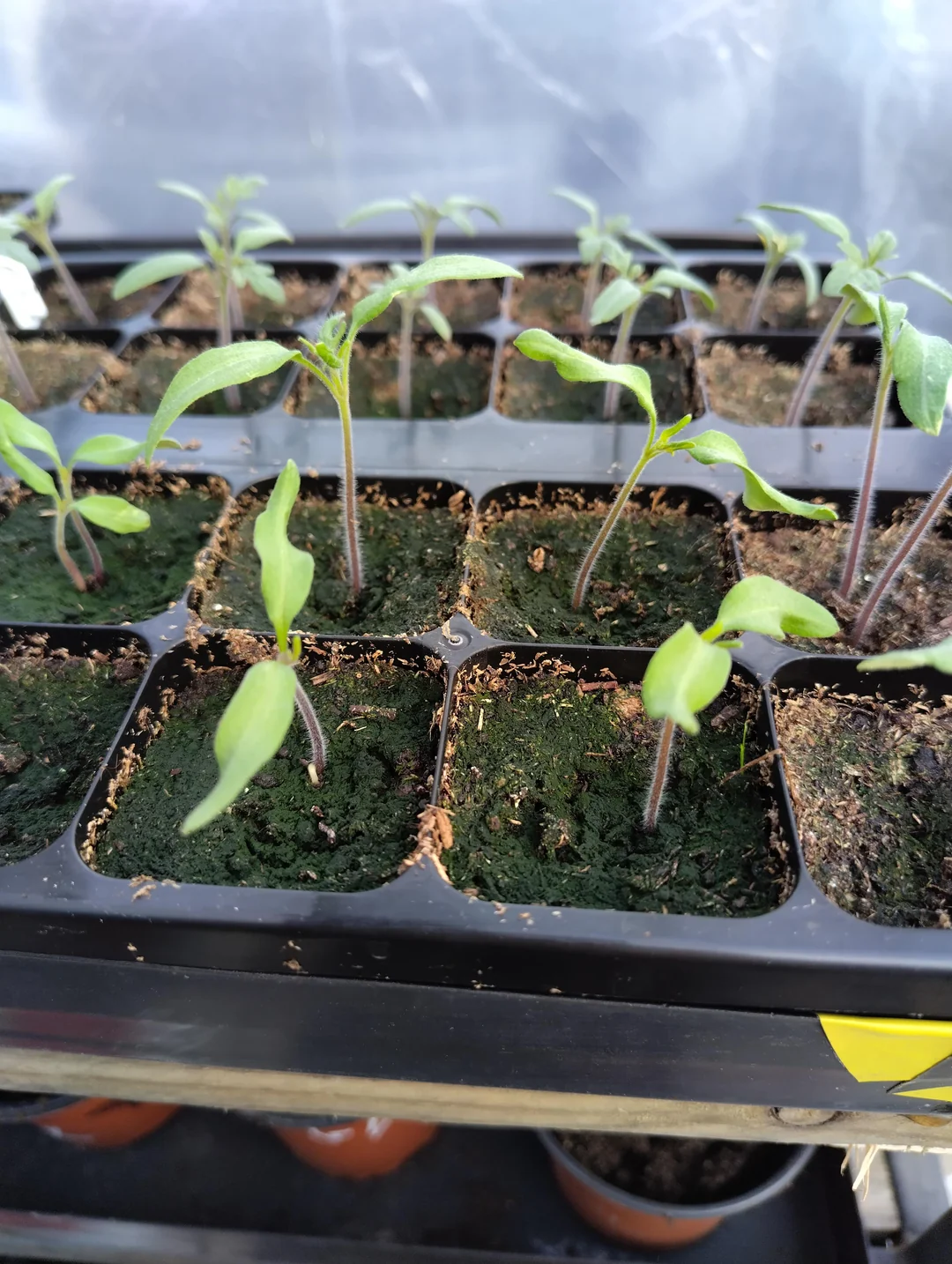
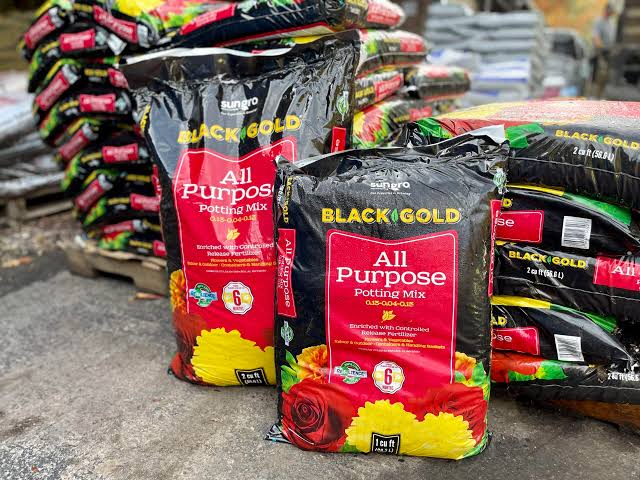
If you’ve noticed green soil, it’s likely algae growth due to excess moisture, poor drainage, or high nutrients. This can harm seedlings and signal dampness. To combat this, ensure top soil dries between watering, use quality pots with drainage holes, and maintain proper ventilation. Monitoring soil moisture and using bottom watering can prevent overwatering. Opt for well-draining soil mixes like Black Gold All Purpose. Capillary mats help water plants from below, reducing algae. Letting the top soil dry deprives algae of light. Your soil’s green hue can be helped by following these guidelines.
Causes of Green Soil
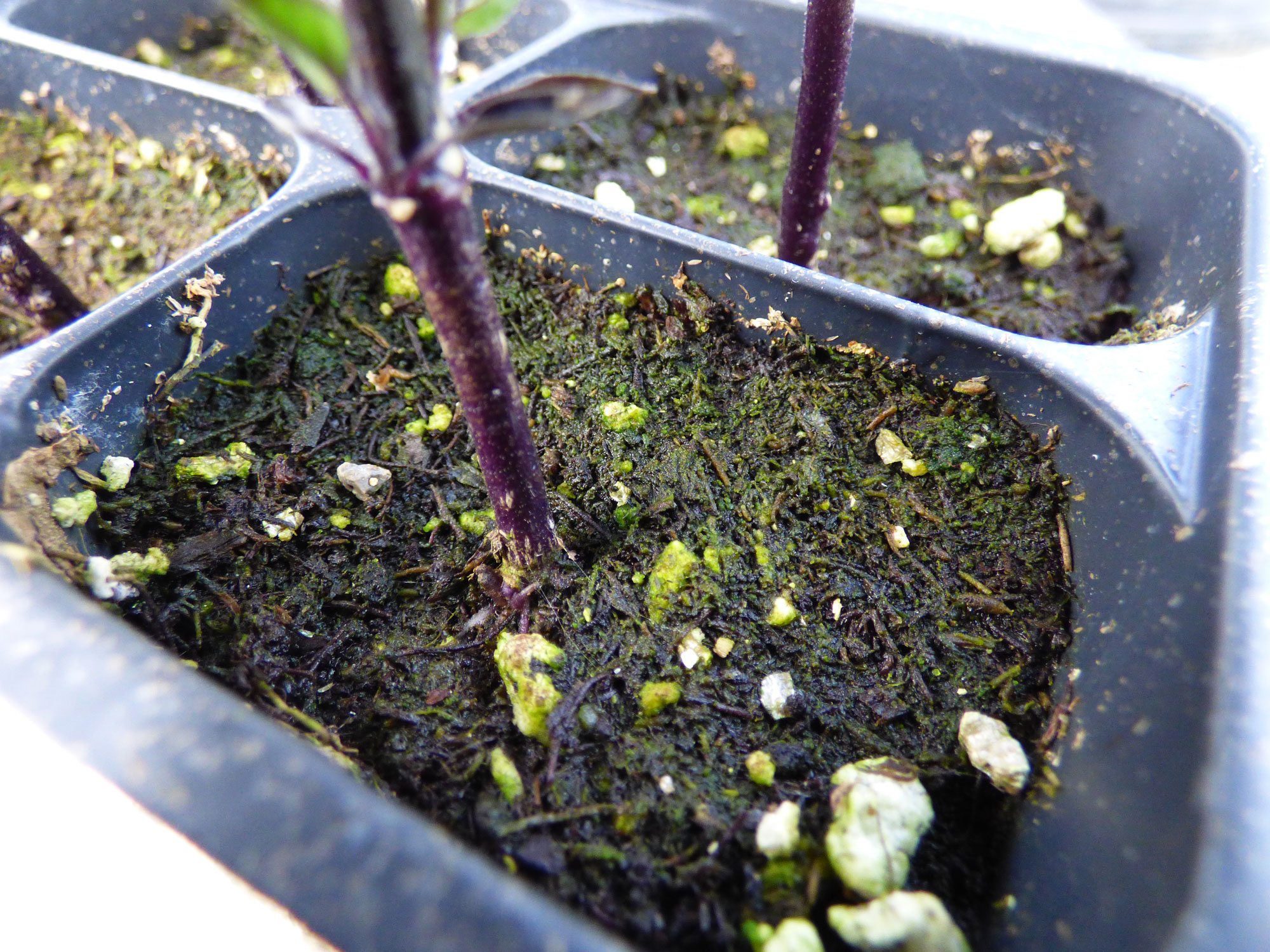
Algae growth on the soil surface is the primary cause of green soil, thriving in moist and nutrient-rich environments. When soil contains excess moisture, has poor drainage, or undergoes organic matter decomposition, these conditions can foster the development of algae. Additionally, soil mixes with high nutrient levels, such as some commercial potting mixes, create a favorable environment for algae to flourish. The presence of algae on the soil surface is more commonly observed in containers and pots where water tends to accumulate, providing the ideal conditions for algae growth.
Algae, being photosynthetic organisms, utilize sunlight to produce energy, and the green coloration seen on the soil is due to the pigments in these organisms. While green soil is primarily a cosmetic issue and typically does not harm plants directly, it serves as an indicator of underlying problems such as poor drainage and excessive moisture levels. Addressing these root causes can help mitigate algae growth and promote healthier soil conditions for optimal plant growth.
Effects on Seedlings
The presence of green algae growth on seedling soil can have detrimental effects on the development and health of young plants. Algae growth on the soil surface may indicate excess moisture levels, leading to issues like damping off in seedlings. This excessive growth competes with seedlings for essential resources such as nutrients, water, and sunlight, hindering their growth and nutrient uptake. Furthermore, an abundance of algae on seedling soil could be a sign of poor drainage, overwatering, or high nutrient content in the soil mix, all of which can negatively impact the health of the plants. In addition, the presence of algae signifies a lack of proper ventilation and airflow around the seedlings, which are crucial for their development. Monitoring and controlling algae growth on seedling soil is vital to ensure the optimal health and growth of young plants, preventing potential setbacks in their early stages of life.
Prevention Through Watering
To prevent soil from turning green due to algae growth, ensure the top 2 inches of soil dry out between waterings. Water plants only when necessary from the bottom saucer to prevent excessive moisture accumulation. Maintaining appropriate soil moisture levels is key in preventing algal proliferation and promoting plant health.
Proper Watering Frequency
Maintain proper soil moisture levels by watering plants only when the top 2 inches of soil are dry to prevent excess moisture that can lead to algae growth. Algae thrive in moist environments, and by following proper watering practices, you can effectively hinder their development. Here’s how you can adjust your watering frequency to prevent algae and mold:
- Check Soil Moisture: Regularly assess the moisture levels in the top layer of soil before deciding to water your plants.
- Use Bottom Watering: Opt for bottom watering from saucers to control water intake and minimize the risk of algae forming on the soil surface.
- Monitor Drying Time: Allow the soil to dry out adequately between waterings to discourage algae growth and maintain a healthy environment for your plants.
- Establish a Watering Schedule: Implement a consistent watering routine and avoid overwatering to significantly reduce the likelihood of algae thriving in the soil.
Watering Techniques for Soil
Effective watering techniques play a crucial role in preventing soil from turning green due to algae growth. To maintain optimal soil conditions, allow the top 2 inches of soil to dry between waterings. This practice helps deter algae by reducing excess moisture, which is conducive to its growth. When watering, it is advisable to water plants from the bottom saucer only when necessary, as this prevents water from stagnating at the top of the soil, where algae thrive. By following best practices for plant watering, such as mindful watering frequency and techniques, you can significantly decrease the likelihood of algae developing in your soil. Proper soil moisture management is essential for controlling algae growth, making it imperative to maintain a balance that supports plant health while deterring unwanted organisms. Using bottom saucers for watering and ensuring pots have adequate drainage are additional measures that can help regulate moisture levels and inhibit algae proliferation in the soil.
Importance of Soil Moisture
Proper management of soil moisture plays a critical role in ensuring optimal conditions for plant growth and preventing the proliferation of algae. When there is too much water in the soil, it creates a damp environment that promotes algae growth on top of the soil. Algae not only competes with plants for nutrients but can also block sunlight and hinder photosynthesis. Conversely, insufficient watering can lead to dry soil, affecting the health and growth of plants negatively.
To maintain a healthy balance and prevent algae buildup, it is essential to follow appropriate watering practices. Consistent monitoring of soil moisture levels and adjusting watering frequency accordingly can help achieve this balance. Remember, the goal is to keep the soil consistently moist but not waterlogged.
- Proper soil moisture levels are crucial for plant health and growth.
- Overwatering can lead to excessive soil moisture, promoting algae growth.
- Underwatering can cause soil to dry out, affecting plant health negatively.
- Maintaining a balance in soil moisture helps prevent algae buildup.
Importance of Drainage
To prevent soil from turning green with algae, ensuring adequate drainage is essential in creating an environment unfavorable for algae growth. Proper drainage in the soil mix is crucial as it prevents water from stagnating, which can lead to excess moisture – a primary factor that promotes algae development. When water is allowed to move efficiently through the soil, the risk of algae formation on the surface is significantly reduced. Good drainage not only controls moisture levels but also facilitates oxygen circulation within the soil, creating an inhospitable environment for algae to thrive.
To improve drainage and discourage algae growth, it is recommended to use pots with adequate drainage holes and high-quality potting mix that promotes water movement. By enhancing the drainage capacity of your planting containers, you can help maintain a healthy balance of moisture and oxygen in the soil, effectively deterring the proliferation of algae.
Benefits of Ventilation
Improving ventilation in the soil environment is key to maintaining optimal conditions for plant growth and deterring the growth of unwanted organisms like algae. Adequate airflow offers several benefits:
- Prevents Excess Moisture: Proper ventilation helps prevent excess moisture buildup in the soil, reducing the risk of algae growth.
- Optimal Soil Conditions: Good airflow aids in maintaining optimal soil conditions for plant growth and health.
- Regulates Temperature and Humidity: Adequate ventilation can help regulate temperature and humidity levels in the soil, promoting better root development.
- Discourages Mold and Fungus: Improved air circulation discourages the formation of mold and fungus on the soil surface.
Ventilation plays a crucial role in preventing stagnant air pockets that can lead to soil compaction and nutrient deficiencies. By ensuring sufficient airflow in the soil, you create a healthier environment for your plants to thrive.

Maintaining Soil Moisture Levels
Maintaining optimal soil moisture levels is essential for ensuring healthy plant growth and preventing the proliferation of algae. Proper moisture facilitates nutrient uptake and root health while excess water can lead to standing water, creating an environment conducive to algae growth. To prevent these issues, consider using bottom watering techniques where water is added to the tray under the plant, allowing the soil to absorb moisture from the bottom up. This method helps maintain consistent moisture levels throughout the soil, reducing the risk of overwatering and minimizing the likelihood of algae buildup.
Monitoring the moisture content of the soil is crucial; it should feel moist but not waterlogged. Overwatering can lead to root rot and other plant diseases, while underwatering can cause stress and hinder growth. By utilizing bottom watering and keeping a close eye on soil moisture levels, you can effectively manage moisture content, promoting healthy plant development and preventing the spread of algae.
Choosing the Right Soil Mix
How can the choice of soil mix impact the growth of algae in your plants? Selecting the right soil mix is crucial in preventing algae growth. Here are some key points to consider when choosing a soil mix:
- Choosing a well-draining soil mix like Black Gold All Purpose Potting Mix can help prevent algae growth.
- Soil mixes high in organic matter and nutrients may promote algae growth.
- Avoid soil mixes that retain excess moisture, as they can contribute to algae development.
- Opt for seed-starting mixes with good drainage properties to discourage algae growth.
Using Capillary Mats for Watering
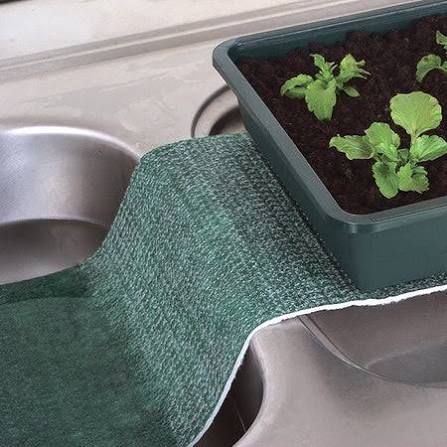
Selecting the appropriate watering method can significantly impact the overall health and growth of your plants, with capillary mats offering a beneficial solution for maintaining optimal moisture levels. Capillary mats work by delivering water to plants from the bottom up, stimulating healthy root development. They play a crucial role in ensuring consistent moisture levels in the soil, which is particularly advantageous for seed starting. By preventing overwatering and minimizing the risk of algae growth, these mats provide a top choice for those who prefer bottom watering methods. The absorbent materials of capillary mats utilize capillary action to draw water upwards, guaranteeing that plants receive moisture as required without wastage through evaporation or runoff. Furthermore, using capillary mats can aid in reducing the transmission of diseases caused by fungi and bacteria in the soil, contributing to the overall well-being of your plants.
Ensuring Proper Drying Between Watering
To prevent algae growth and maintain optimal soil conditions, it is essential to ensure proper drying between watering by allowing the top 2 inches of soil to dry out. Algae thrives in moist environments, so ensuring the soil dries out slightly is crucial. Consistent drying between waterings helps reduce excess moisture in the soil, creating a healthy balance. Here are some key points to remember:
- Green stuff alert: Algae loves moisture, so dry soil can help prevent that unwanted green layer.
- Light is key: Algae, like other plants, need light to grow. Drying the soil deprives them of this essential element.
- Balancing act: Proper drying keeps your soil from being excessively wet, which can harm your plants.
- Stay vigilant: Regularly monitoring soil moisture levels allows you to adjust watering habits effectively.