
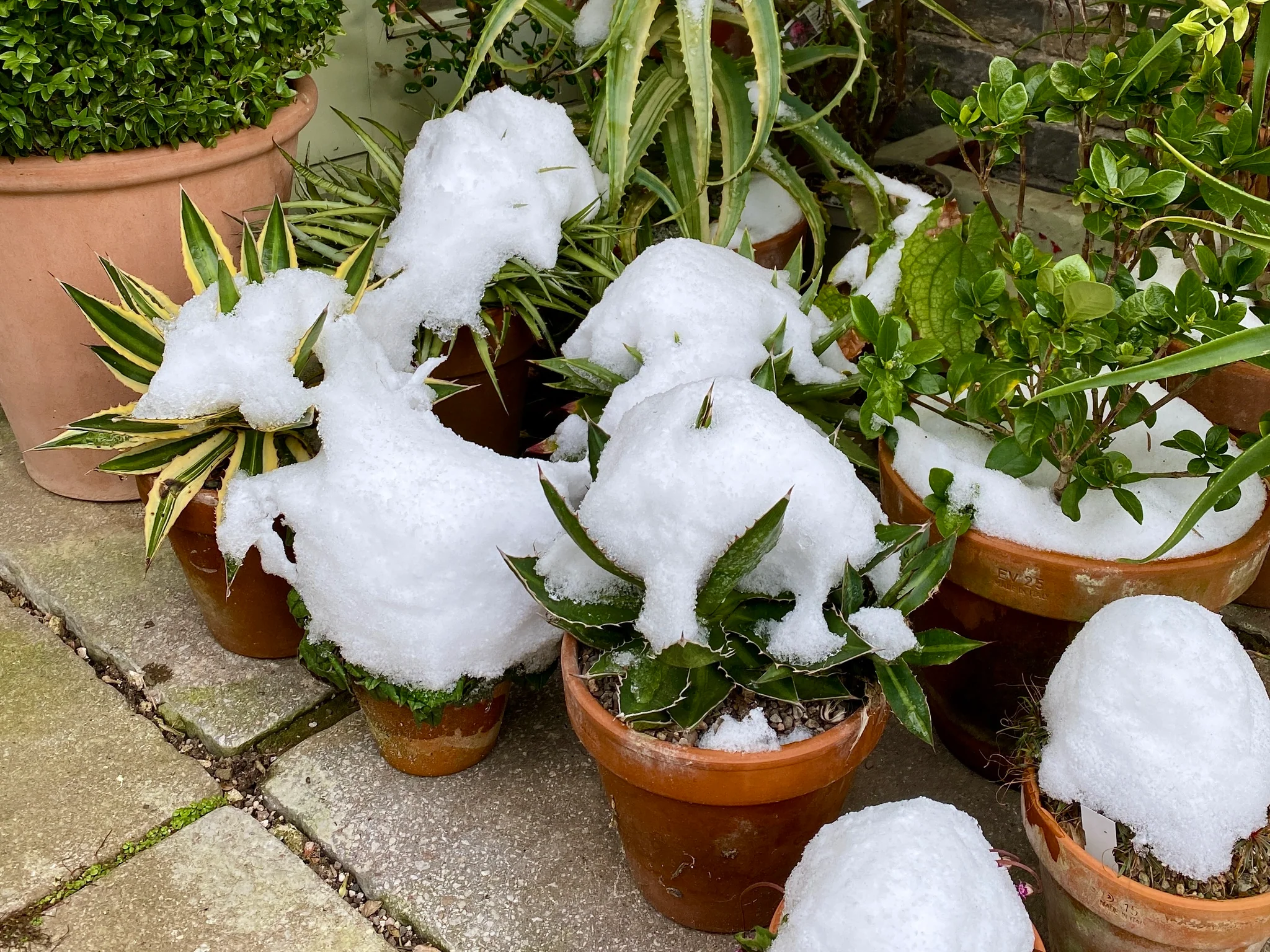
Using snow to water your plants can offer numerous benefits. It acts as a natural fertilizer, enhancing growth and resilience. To collect and melt snow effectively, ensure it’s from clean areas, fully melted indoors at room temperature. This snowwater is free from chlorine and harmful chemicals, providing cost-effective watering that supports plant health. Snowwater is rich in nitric oxide which helps with seed germination and root development. It also balances soil acidity and improves nutrient absorption for succulents. By utilizing snow water, you’re providing your plants with essential nutrients in an environmentally friendly way, leading to healthier and thriving plants.
Benefits of Snow Watering for Plants
By utilizing snow water for watering your plants, you can provide them with natural fertilization containing nitric oxide, enhancing their overall health and resilience. Snow water acts as a fantastic natural fertilizer, feeding houseplants and promoting their growth. The nitric oxide present in snow water aids in improving plant resistance to diseases and enhances their ability to withstand periods of drought. Additionally, this natural fertilizer can accelerate the flowering process in plants, leading to more vibrant blooms.
Melted snow is a great alternative to tap water as it is free from chlorine and other potentially harmful chemicals. Using snow water to hydrate your plants is not only cost-effective but also ensures that your plants are not exposed to any unwanted substances. This chemical-free watering option is not only beneficial for your plants but also for the environment. Incorporating snow water into your plant care routine can significantly contribute to the overall health and vitality of your houseplants.
Proper Collection and Melting Techniques
Effective collection and melting techniques are crucial for ensuring the quality of snow water used to hydrate your plants. To make the most out of using snow as a water source for your plants, follow these practical steps:
- Collect from Clean Areas: Ensure you collect snow from areas free of contaminants to guarantee the water’s safety for your plants.
- Indoor Melting at Room Temperature: Store the collected snow in a sturdy bucket and melt it indoors at room temperature. This method helps prevent any impurities from contaminating the water.
- Ensure Full Melting: Make sure the snow is completely melted before using it to water your plants. This step is essential to avoid shocking the plant roots with cold water and to ensure that the water is ready for optimal absorption.
:max_bytes(150000):strip_icc()/GettyImages-1362989055-bbe784e8337a4f1f935f953663d44261.jpg)
Nutrients in Snow Water for Plants
Snow water presents a natural source of nutrients beneficial for plant growth and development. Nitric oxide found in snow water acts as a natural fertilizer, promoting seed germination and enhancing root development in plants. This compound also boosts plant resistance to diseases and improves drought tolerance. Additionally, using melted snow water can accelerate the flowering process in plants, leading to earlier blooms and more abundant flowers. Compared to tap water, melted snow water is free from chlorine and other chemicals, making it a healthier option for plant irrigation.
To better understand the benefits of nutrients in snow water, let’s explore the table below:
| Nutrient | Function | Benefit |
|---|---|---|
| Nitric Oxide | Acts as a natural fertilizer | Stimulates seed germination |
| Enhances root development | ||
| Improves plant disease resistance | ||
| Enhances drought tolerance | ||
| Speeds up flowering process |
Maintaining Soil Acidity With Snow Water
Maintaining optimal soil acidity levels for succulents can be effectively achieved by utilizing melted snow as a soft, mineral-free watering source. When it comes to succulents, soil acidity plays a crucial role in their growth and overall health. Here’s how you can ensure your succulents thrive with the help of snow water:
- pH Balance: Melted snow tends to be slightly acidic, which can help in balancing the pH levels of the soil for succulents that thrive in slightly acidic conditions.
- Nutrient Absorption: The purity of snow water makes it an ideal source for watering succulents, allowing them to efficiently absorb essential nutrients without the risk of mineral buildup that can alter soil acidity.
- Root Health: Bottom-watering succulents with melted snow can aid in maintaining proper soil moisture levels while preventing overwatering issues that could lead to root damage, ensuring the health of your plants.
Enhancing Plant Growth With Snow Water
Utilizing snow water for watering your plants can significantly enhance their growth and overall health due to the presence of nitric oxide, a natural fertilizer that promotes various beneficial effects on plant development. When melted snow is used to water plants, the nitric oxide present acts as a stimulant for seed germination and root development. This leads to stronger, healthier plants with improved resistance to diseases and better tolerance to drought conditions.
Moreover, snow water accelerates the flowering process in plants, resulting in quicker and more abundant blooms. By providing plants with this natural source of hydration, you are ensuring that they receive essential nutrients without the harmful chemicals often found in tap water, such as chlorine. This purity in water leads to overall improved plant health and vitality, allowing for robust growth and development. In summary, incorporating melted snow into your plant watering routine can lead to significant enhancements in plant growth and well-being.
Eco-Friendly Benefits of Snow Watering
Implementing snow water for plant irrigation offers numerous eco-friendly advantages, particularly for houseplants and succulents. When considering the eco-friendly benefits of using melted snow for watering plants, you can enjoy the following advantages:
- Chemical-Free Water: Melted snow provides a soft, chemical-free water source for your plants, avoiding the chlorine and harmful substances often found in tap water.
- Natural Fertilizer: The nitric oxide present in melted snow acts as a natural fertilizer, supporting seed germination, root development, and overall plant growth.
- Enhanced Plant Health: Using melted snow for watering can boost plant resistance to diseases, improve drought tolerance, and accelerate the flowering process. This eco-friendly approach not only benefits the environment but also contributes to better plant care practices. By harnessing the power of snow water, you can nurture your plants with a cost-effective, chemical-free, and natural fertilizer solution.