
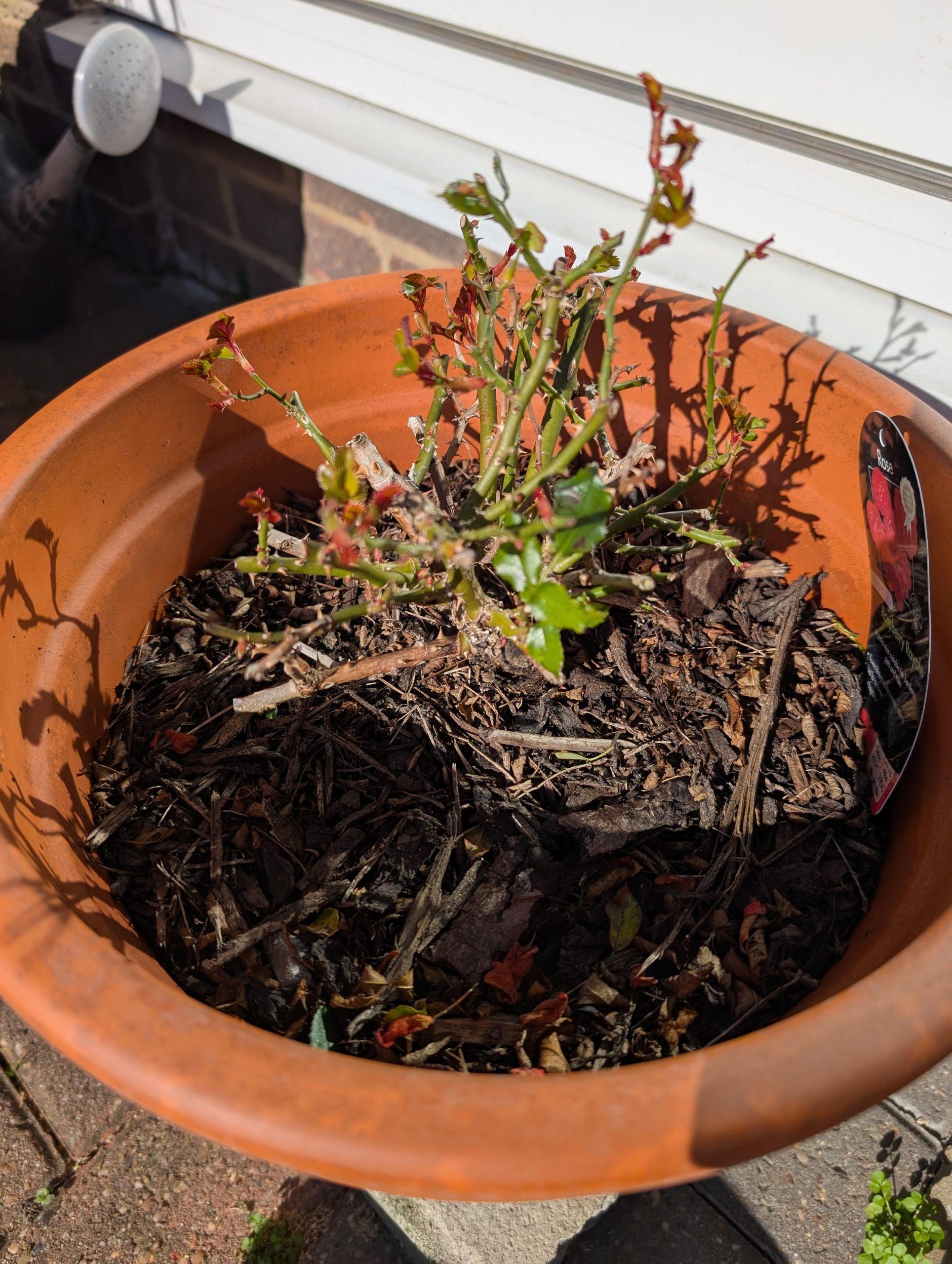
If your potted plants are sinking in soil, it could be due to soil compaction from overwatering, lack of aeration, or poor soil mix. Signs include hard soil, slow drainage, and stunted growth. Compacted soil suffocates roots, leading to stress and nutrient issues. To fix this, consider repotting with well-draining soil, aerating with a stick, or using chunky soil mixes. Proper repotting techniques and top dressing can enhance plant health and prevent future compaction. Maintaining a healthy balance of air and water exchange in your soil is crucial. Remember, healthy roots are the key to thriving plants.
Common Causes of Sinking Soil
Sinking soil in potted plants commonly occurs due to factors such as the breakdown of organic materials, overwatering, and poor soil aeration. When organic matter decomposes in the soil mix, it can lead to compaction, reducing the volume available for roots to grow and causing the soil to settle. Overwatering exacerbates this issue by promoting root rot, which weakens the root system, further contributing to soil compaction and settling. Additionally, inadequate soil aeration hinders root respiration and can result in soil compaction, making it harder for plants to thrive.
To combat sinking soil, it is crucial to choose a soil mix with a higher proportion of inorganic materials like perlite. These materials help maintain proper drainage and aeration levels, preventing compaction and settling. By addressing these common causes of sinking soil, you can ensure your potted plants have the stable and healthy environment they need to flourish.
Signs of Compacted Soil
When checking for signs of compacted soil in your potted plants, be on the lookout for soil hardening, root-bound symptoms, and water drainage issues. Feel the soil for hardness and resistance when inserting your finger as it can indicate compaction. Keep an eye out for slow drainage and plants with roots circling the pot, which are common indicators of compacted soil.
Soil Hardening Signs
Visible cracks or a hardened crust on the soil’s surface are key indicators of compacted soil in potted plants. When you notice these signs, it’s likely that the soil has become hard and dense, making it challenging to insert your finger into the soil. Due to this hardness, water may pool on the surface instead of being absorbed properly by the roots of your plants. This lack of water absorption can lead to root rot or stunted plant growth, as compacted soil restricts oxygen flow to the roots. Additionally, reduced drainage due to soil compaction can result in waterlogged conditions, further exacerbating the issue. To address soil hardening, consider aerating the soil by gently loosening it with a small garden fork or chopstick. Mixing in some organic matter like compost can also help improve soil structure and promote better drainage. By recognizing and taking action against soil hardening, you can ensure optimal growth conditions for your potted plants.
Root Bound Symptoms
What are the key indicators of root bound symptoms in potted plants that signify compacted soil? When examining your house plants, pay close attention to the base of the plant. Root bound symptoms often manifest as roots circling the pot, emerging from drainage holes, or visibly compacted soil that resists water absorption. In addition, plants need proper soil aeration for healthy growth. Signs of compacted soil include stunted growth, yellowing leaves, and decreased water retention. These issues can lead to nutrient deficiencies, root rot, and overall stress on the plant. If your plant appears to be wilting even with sufficient watering, it may be suffering from being root bound. Early identification of these symptoms is crucial to prevent long-term damage. Ensuring that the roots have space to grow and access to oxygen is essential for maintaining the health of your potted plants.
Water Drainage Issues
Check for signs of compacted soil in your potted plants by observing water drainage issues, which can indicate underlying problems with air and water exchange. If you notice water pooling on the soil surface or slow drainage after watering, these could be signs of compacted soil affecting your plant’s health. Additionally, roots struggling to penetrate the soil due to compaction may further confirm this issue. Next time you water your plants, pay attention to how the water drains; if it takes an unusually long time or if the water sits on top without seeping in, you need to look into addressing the soil compaction. Compacted soil can lead to decreased oxygen levels, creating conditions unsuitable for healthy root growth. To remedy this, consider repotting your plant with a well-draining soil mix and ensuring proper aeration to enhance the overall health of your sinking potted plants.
Impact on Plant Health
When the soil in your potted plants sinks, roots can struggle to access oxygen, leading to suffocation. Nutrient absorption becomes impaired as compacted soil limits the movement of water and essential minerals. Keep an eye out for stunted growth and yellowing leaves, as these are signs that sinking soil may be causing growth stagnation in your plants.
Root Suffocation Effects
Root suffocation effects on plant health can be detrimental, leading to stress, stunted growth, and reduced vigor in potted plants. When compacted soil limits oxygen exchange, root regeneration is hindered, impacting the plant’s resilience. Oxygen exchange is crucial for root respiration and nutrient absorption; without it, roots may struggle to access essential nutrients, resulting in symptoms like yellowing leaves and wilting. As oxygen-deprived roots in compacted soil are unable to function optimally, the overall health and growth of the plant are compromised. Sinking soil in pots can worsen root suffocation issues as the soil settles and compresses around the roots, exacerbating the problem. To address root suffocation, consider repotting the plant with a well-aerated soil mix. This promotes healthy root development, alleviates stress on the plant, and improves its ability to absorb nutrients efficiently, aiding overall plant health and vitality.
Nutrient Absorption Impairment
Compacted soil poses a significant challenge to plants’ nutrient absorption, impacting their overall health and growth. When soil is compacted, plant roots struggle to access essential nutrients like nitrogen, phosphorus, and potassium, increasing the risk of nutrient deficiencies. The lack of oxygen in compacted soil further exacerbates the issue, hindering the plant’s ability to absorb these vital elements. This nutrient imbalance can lead to stunted growth, yellowing leaves, and overall poor plant health.
To address impaired nutrient absorption due to compacted soil, employing aeration methods is crucial. Aerating the soil can help improve oxygen levels, allowing the roots to uptake nutrients more efficiently. Additionally, enhancing root health through practices like repotting or loosening compacted soil can promote better nutrient absorption. By remedying compacted soil, you can mitigate nutrient deficiency risks and create an environment that supports healthier plant growth.
Growth Stagnation Concerns
Sinking soil in potted plants not only impedes nutrient absorption but also hampers root expansion and overall growth, leading to concerns of stagnated development and compromised plant health. Growth stagnation can be worrisome as it may indicate underlying issues affecting the plant’s vitality. To counteract this, employing growth stimulation methods is crucial. These methods include aerating the soil to improve oxygen penetration, promoting root system rejuvenation through gentle repotting, and ensuring adequate drainage to prevent waterlogging. Ignoring growth stagnation risks exacerbating nutrient deficiency, as compacted soil limits the plant’s access to essential elements. Nutrient deficiency risks further weaken the plant, making it vulnerable to pests and diseases. Therefore, addressing sinking soil promptly is essential to maintain plant health and vigor. By implementing strategies to facilitate root growth and nutrient uptake, you can help your potted plants overcome stagnation and thrive.
Importance of Aeration
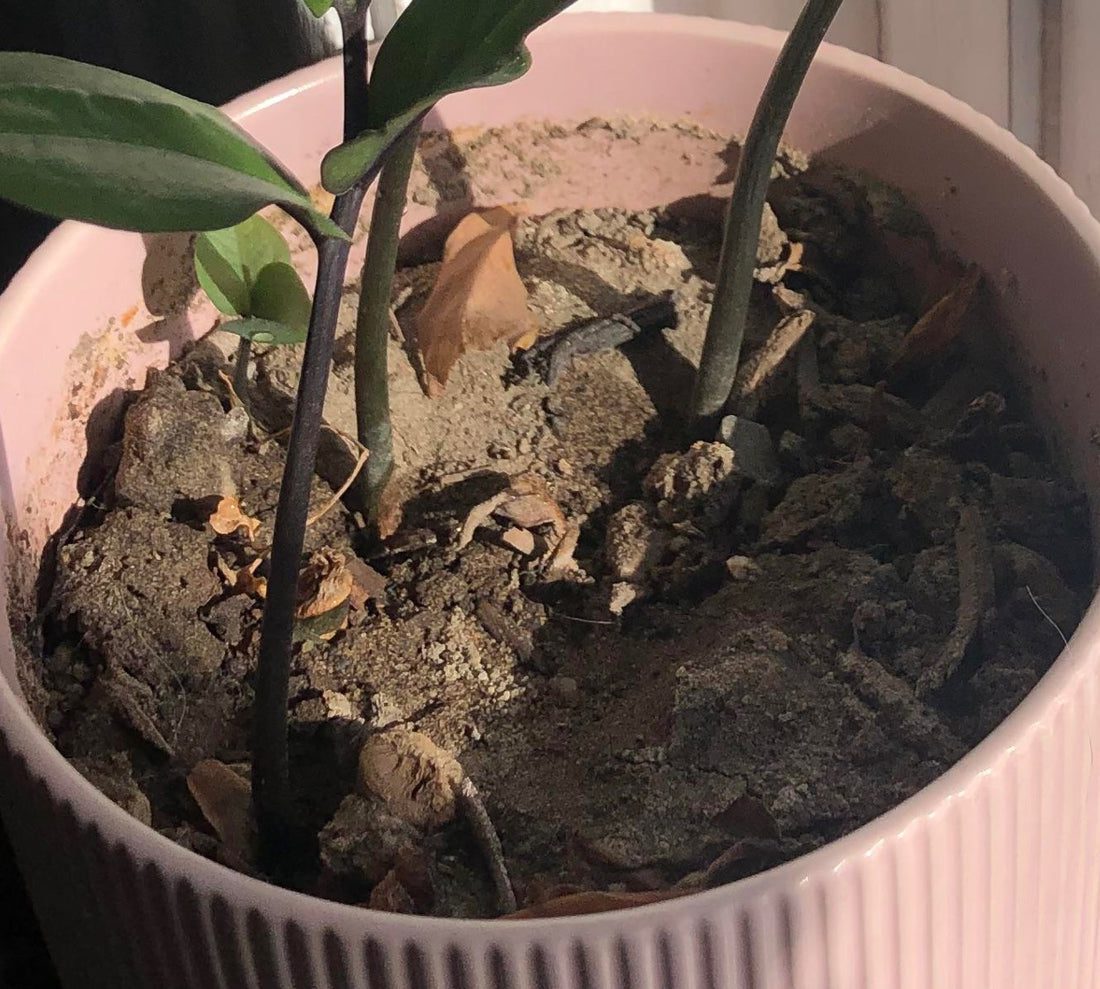
Enhancing the aeration in potted plants is crucial for fostering healthy root development and maximizing nutrient absorption. Soil aeration benefits the plant by allowing oxygen to penetrate the soil, which is essential for root respiration. When soil is compacted, roots struggle to uptake oxygen, leading to stunted growth and poor nutrient absorption. Adequate aeration also helps prevent waterlogging, which can cause root rot and nutrient deficiencies in potted plants. To improve aeration, consider repotting with well-draining soil mixes that allow for better airflow. Additionally, aerating the soil using a stick can create air channels, promoting gas exchange and nutrient movement. Avoid over-watering your plants to prevent soil compaction, ensuring that roots have access to the oxygen they need to thrive. By prioritizing soil aeration, you can support healthy root systems and overall plant vitality.
Solutions for Compacted Soil
To address the issue of soil compaction in potted plants, consider implementing various solutions that promote healthy root growth and overall plant well-being. One effective method is to use a chunky soil mix containing materials like perlite or bark. These additives help break up compacted soil, improving soil aeration and water absorption while promoting plant stability. Compacting the soil slightly after repotting can also provide stability while maintaining proper drainage and aeration.
Additionally, layered watering techniques can aid in combating compacted soil. By adding water in intervals, allowing time for absorption and reducing soil density, you can help improve the condition of compacted soil. To prevent water pooling and contributing to soil compaction, leave a small gap between the soil and the top of the pot. Understanding the importance of soil composition and root health is crucial for effectively addressing and preventing compacted soil issues in your potted plants.
Repotting Techniques
Consider implementing proper repotting techniques to ensure optimal plant health and growth in your potted plants. When it comes to repotting, paying attention to details can make a significant difference in the well-being of your plants. Here are some key tips to keep in mind:
- Root positioning, growth promotion: During repotting, be sure to position the roots carefully to encourage healthy growth and development.
- Soil teasing, aeration benefits: Gently massaging the plant base and teasing out the roots can promote new growth and improve soil aeration, benefiting the plant’s overall health.
- Repotting tips, healthy roots: Different plant species may require specific repotting techniques tailored to their root structures. Research the best practices for your specific plants to ensure healthy roots.
- Proper soil mix: When repotting, ensure the soil mix is well-aerated to prevent the formation of a perched water table, promoting better drainage and root health.
Top Dressing Benefits
Adding a fresh layer of soil to your potted plants, known as top dressing, provides numerous benefits for the health and vitality of your green companions. By enriching the soil, top dressing supports plant vitality and promotes root health. The new layer of soil enhances nutrient retention, ensuring that your plants have access to essential nutrients for optimal growth. Additionally, top dressing aids in the prevention of a perched water table, reducing the risk of root rot and waterlogging.
Not only does top dressing benefit the plant’s health, but it also contributes to the aesthetic improvement of your potted plants. The fresh layer of soil gives your plants a tidy and rejuvenated appearance, enhancing the overall look of your indoor or outdoor greenery. Regularly top dressing your plants can help maintain their health and vitality over time, providing growth promotion and ensuring they thrive in their environment.
Preventing Soil Compaction
Prevent soil compaction in your potted plants by ensuring you use a well-draining soil mix containing components like perlite and coconut coir. To maintain soil aeration and promote root health, consider the following tips:
- Incorporate organic material: Including organic material in your soil mix helps create a healthy balance of macro and micro pores, facilitating proper air and water exchange within the soil.
- Regularly aerate the soil: Gentle aeration by loosening the soil structure can prevent compaction over time, ensuring optimal conditions for root growth.
- Choose the right container size: Selecting an appropriate container size for your plant allows ample space for root expansion, preventing the soil from becoming densely packed and reducing the risk of compaction.
- Avoid overwatering: Excess moisture can lead to soil compaction in potted plants, so water your plants judiciously to maintain soil structure and prevent issues related to compaction.