
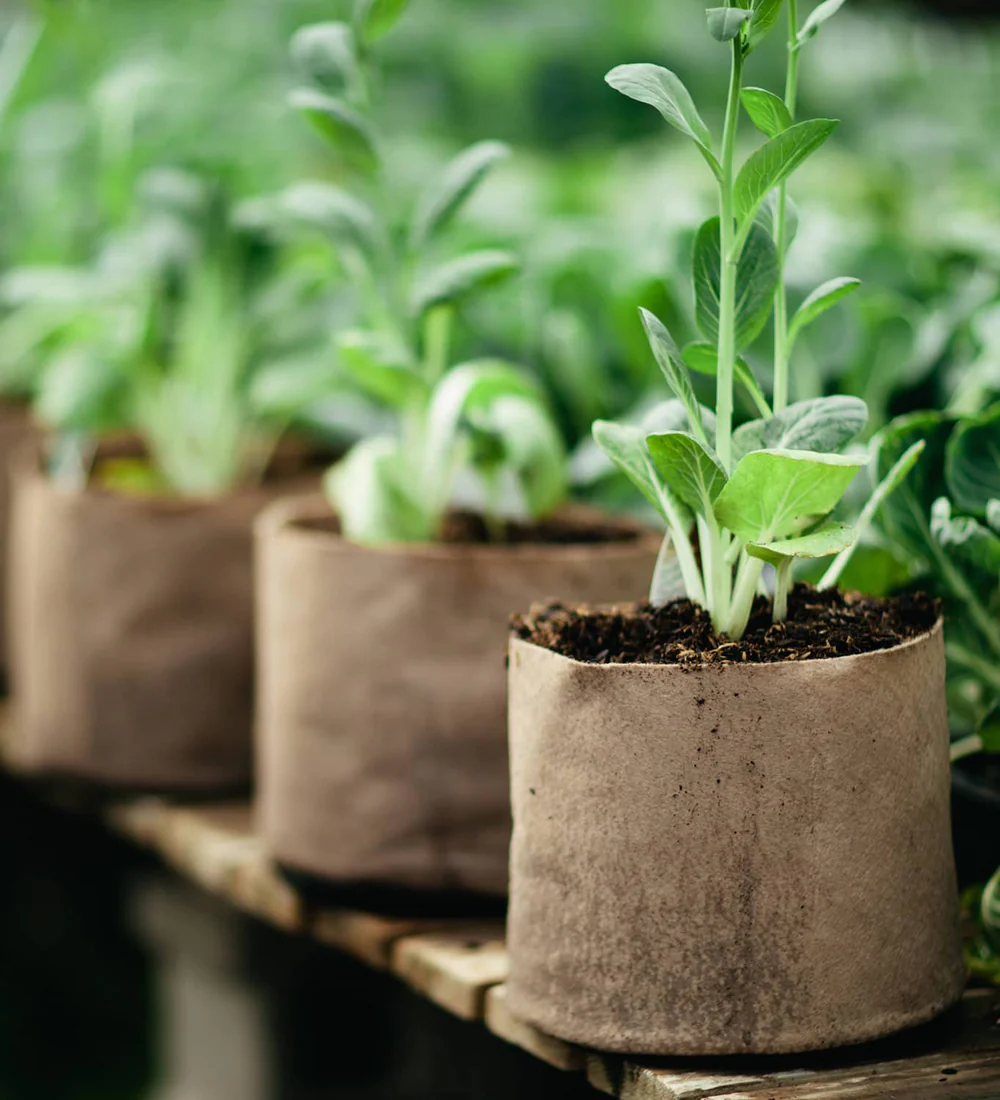
To water plants in fabric pots effectively, aim for watering every 2-3 days, adjusting as needed for plant size and growth stage. Check pot weight for watering cues and allow slight soil dryness between waterings. This maintains optimal moisture levels crucial for root health. Slow watering aids absorption, while bottom watering encourages deep root growth. Be cautious not to overwater to prevent root rot. Elevate pots for proper drainage and airflow. For more precise watering, monitor plant responses to fine-tune your routine and keep your plants thriving.
Proper Watering Frequency for Fabric Pots
To maintain optimal moisture levels in fabric pots, water them every 2-3 days, adjusting the frequency based on plant size, growth stage, and environmental conditions. Properly watering your plants is crucial for their health and growth. One effective method to determine if your fabric pot needs watering is by checking the pot’s weight. Lift the pot when it’s dry and then again after watering; this will give you a sense of how heavy it should be when adequately hydrated. Additionally, observe the soil’s surface – if the top layer is dry to the touch, it’s usually time to water again. Overwatering can lead to root rot and other issues, so it’s essential to let the soil slightly dry out between waterings. Consistent, moderate watering helps prevent water runoff and encourages robust root development, ensuring your plants thrive in their fabric pots. Remember, each plant’s water needs can vary, so always monitor and adjust your watering schedule accordingly.
Importance of Moisture Levels in Fabric Pots
Maintaining optimal moisture levels in fabric pots is essential for fostering healthy root growth and ensuring efficient nutrient absorption in plants. Water plays a crucial role in plant development, as it aids in the transport of nutrients from the soil to the roots. In fabric pots, proper moisture levels help prevent soil compaction, allowing for adequate aeration that is vital for root respiration. It is important to note that inconsistent moisture levels can lead to plant stress, wilting, and deficiencies. Overwatering fabric pots can lead to root rot, while underwatering can stunt growth and cause nutrient imbalances. Monitoring and adjusting moisture levels based on factors like plant size, environmental conditions, and pot type are essential for successful cultivation. By maintaining the right moisture balance, you can support robust root systems, promote nutrient uptake, and ensure the overall health and vitality of your plants in fabric pots.
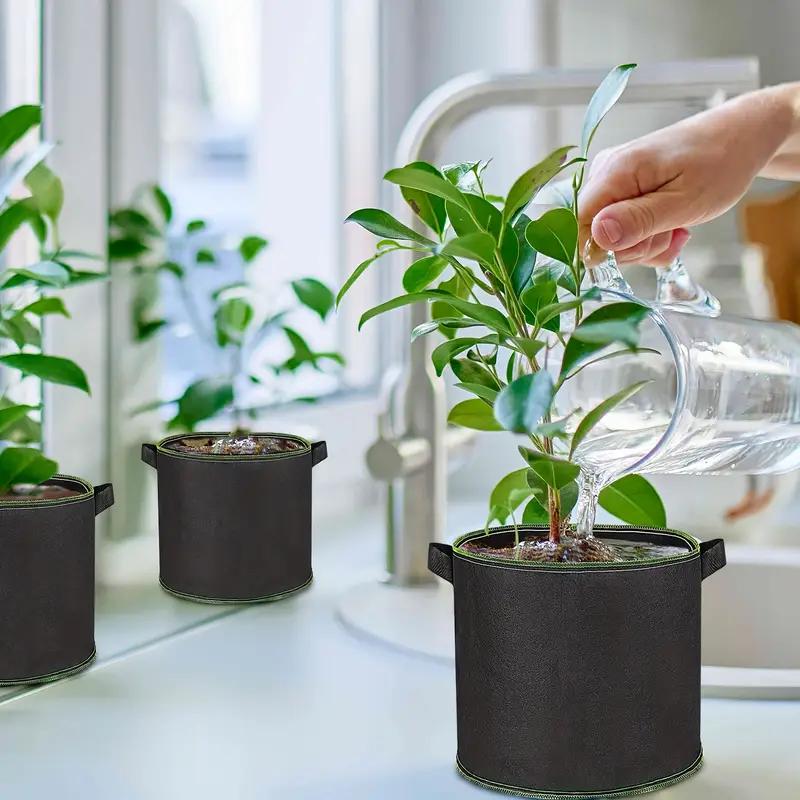
Techniques for Watering Fabric Pots Effectively
Water fabric pots slowly to ensure proper absorption and prevent excessive runoff, promoting healthy root development and optimal plant growth. Bottom watering is an effective technique for fabric pots as it allows water to be drawn up from the roots, encouraging them to grow deeper into the soil. When watering, it’s essential to water a little at a time, allowing the fabric to absorb the moisture gradually without overwhelming the plant. Remember, roots need both water and oxygen to thrive, so avoid waterlogging by elevating fabric pots for better drainage and airflow. Adjust your watering frequency compared to plastic pots since fabric pots have increased drainage capabilities. Monitor your plant’s response to watering to gauge the ideal moisture level and prevent underwatering or overwatering. Consider using trays or saucers beneath fabric pots to catch any runoff, aiding in water absorption and preventing damage to surfaces. By mastering these techniques, you can ensure your plants in fabric pots receive the perfect amount of water for healthy growth.
Using Wetting Agents in Fabric Pots
Consider incorporating wetting agents like yucca or aloe to enhance water absorption in fabric pots. Wetting agents play a crucial role in improving the overall water distribution within the soil, ensuring that your plants receive adequate hydration. Here’s why you should use wetting agents in fabric pots:
- Improved Water Penetration: Wetting agents help water penetrate compacted soil more effectively, reaching the roots where it’s needed the most.
- Reduced Hydrophobia: They reduce the likelihood of hydrophobia on the edges of fabric pots, ensuring water is absorbed evenly throughout the soil.
- Preventing Runoff: Using wetting agents can prevent water runoff issues in fabric pots, allowing the soil to retain moisture for longer periods.
Maintaining Soil Moisture in Fabric Pots
To prevent rapid soil moisture loss in fabric pots, it is essential to implement strategies that promote water retention and hydration for your plants. Fabric pots, known for their excellent drainage properties, require more frequent watering to maintain adequate soil moisture levels. The porous nature of fabric pots allows for increased airflow, resulting in quicker evaporation of moisture from the soil. To combat this, consider incorporating mulch or a moisture-retaining soil mix into your fabric pots to prevent soil from drying out too quickly.
Regularly monitoring soil moisture levels is crucial when using fabric pots to avoid the pitfalls of both underwatering and overwatering. Adjust your watering frequency based on environmental conditions and the growth stages of your plants to ensure optimal soil moisture levels are maintained. By being attentive to the moisture needs of your plants and employing these strategies, you can effectively maintain soil moisture in fabric pots and promote healthy plant growth.