
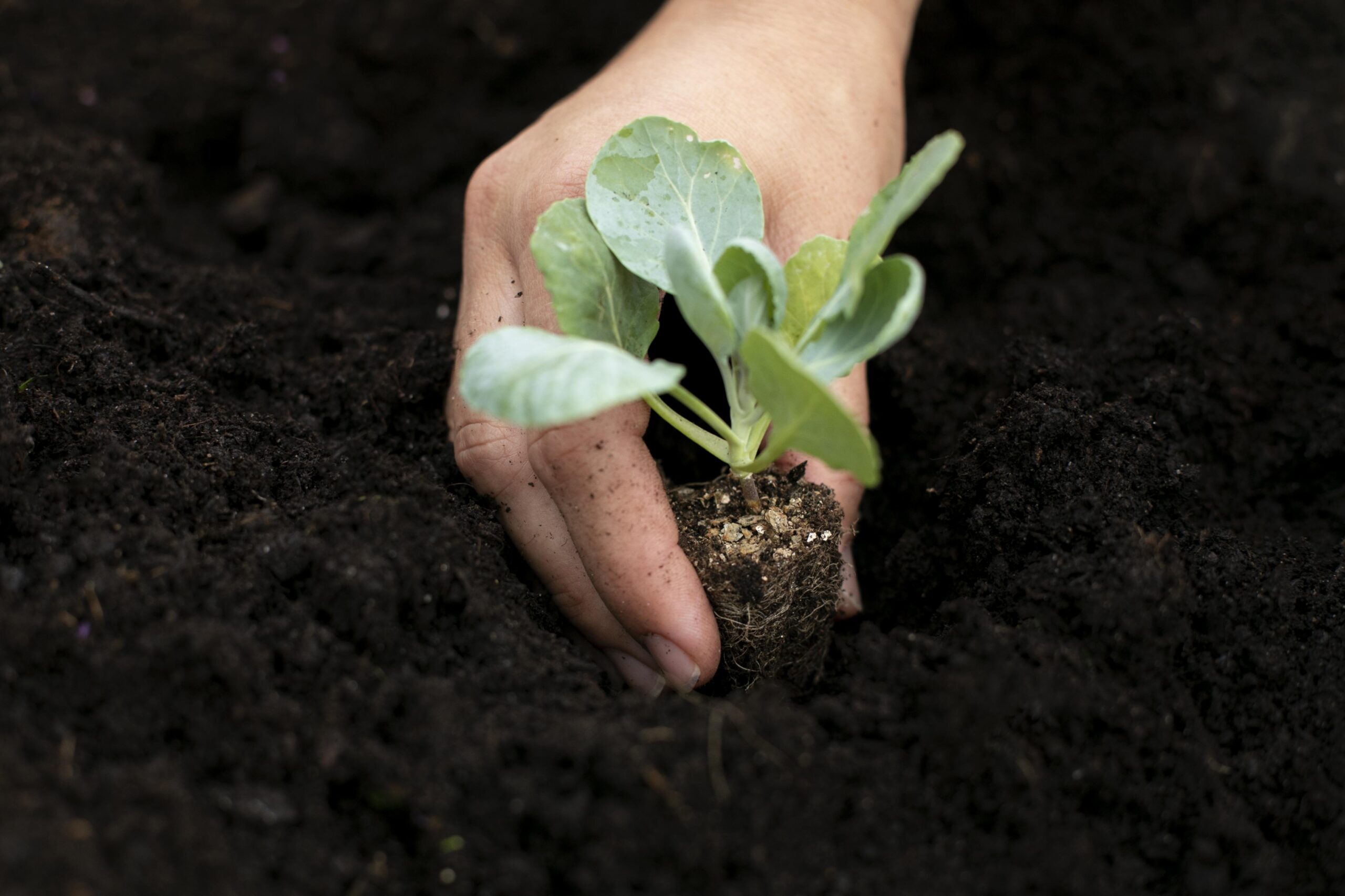
For optimal plant growth, position roots for soil contact without covering the growing point. Ensure stability and growth by adjusting depth based on soil type. Optimal depth varies by plant type, impacting nutrient access and resilience. Avoid common mistakes like planting too shallow, hindering root strength. Successful transplantation tips include positioning 1 inch deeper, using raised beds for drainage, and firming the plug for root-soil contact. Understanding factors like root structure and soil composition aids in determining the correct planting depth. Mastering this crucial step ensures healthy root development, stability, and resilience for your plants.
Importance of Planting Depth
For optimal growth of plants, understanding the importance of planting depth is crucial. The depth at which a plant is placed in the soil directly impacts root development and overall plant health. Shallow root systems are more susceptible to environmental stressors and can lead to weakened plants. When a plant is too shallowly planted, it may struggle to access essential nutrients and water, hindering its growth potential. On the other hand, deep planting can provide stability for tall or leggy transplants, aiding in stronger growth and resilience against adverse conditions.
The depth at which a plant is placed in the soil is critical for establishing a strong foundation for growth. Proper planting depth allows roots to penetrate the soil effectively, promoting nutrient uptake and water absorption. It is essential to ensure that plants are placed at the correct depth to optimize their growth potential and avoid issues such as weak root systems and decreased yields. By paying close attention to planting depth, you can set your plants up for success and promote healthy, thriving growth.
Factors Affecting Transplant Depth
Factors influencing the appropriate depth for transplanting include the root structure of the transplant and the specific planting requirements of the plant species. The root structure plays a crucial role in determining how deep a plant should be transplanted. Understanding the root system’s depth and spread helps in placing the transplant at an optimal depth for proper anchorage and nutrient uptake. Soil composition also affects transplant depth, as different soil types have varying drainage capacities and nutrient availability. Plants with deep roots may require deeper planting to access nutrients, while those with shallow roots may thrive with a shallower planting depth.
Additionally, considering the growth habits of the plant species is vital. Some plants develop new roots along their stems, which may impact the transplant depth. Oxygen flow to the roots is another critical factor to consider. Planting too deep can limit oxygen availability, leading to root suffocation, while planting too shallow may expose the roots to excess moisture, causing root rot. By carefully assessing root structure, soil composition, nutrient availability, growth habits, and oxygen flow, you can determine the optimal depth for transplanting to promote healthy root development and overall plant growth.
How to Determine Correct Depth
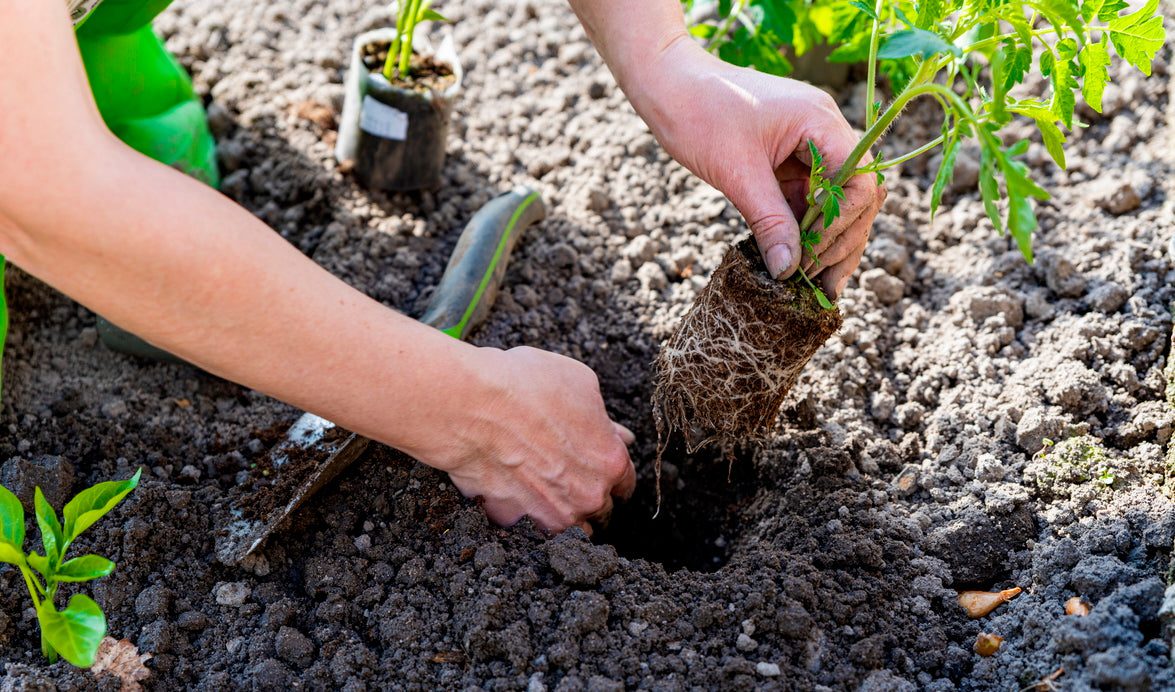
To establish the correct depth for transplanting, carefully assess the transplant plug’s placement in relation to the bed surface and the first branch, ensuring optimal root development and stability. When determining the correct depth for transplanting, take into consideration the following:
- Plant Roots: Ensure the roots of the transplant are positioned at a depth that allows for good soil contact without covering the growing point. This will provide a solid foundation for the plant to establish itself and thrive.
- Depth Based on Soil Conditions: Adjust the planting depth based on the type of soil present. In loose or sandy soil, plant slightly deeper to provide additional support for plants with deeper roots. In heavy clay soil, plant at a shallower depth to prevent waterlogging and root suffocation.
- Good Soil for Optimal Growth: Choose an area with well-draining, nutrient-rich soil to promote healthy root development. Good soil conditions will encourage the roots to grow deeply and establish a strong network to support the plant’s growth.
Common Mistakes to Avoid
Incorrect planting depths can significantly impact the health and growth of transplants, leading to weakened root systems and potential issues like root rot. When planting, avoid the common mistakes detailed below to ensure optimal growth for your plants:
| Common Mistakes to Avoid | Description |
|---|---|
| Planting too shallow | Weak root development and instability can ensue. |
| Planting too deep | Oxygen intake hinders, leading to potential root rot. |
| Wrong soil depth | Inappropriate depth can impede growth and development. |
| Burying growing point | Hinders growth and development of the plant. |
| Incorrect hole size | Roots may struggle to establish and thrive properly. |
When purchasing plants, ensure you are aware of the correct planting depth required for each specific plant type. Whether you are planting in raised beds or directly into the ground, following the proper guidelines will provide the best environment for your plants to flourish.
Tips for Successful Transplantation
For successful transplantation of plants, ensure that transplants are positioned 1 inch deeper than the bed surface for optimal growth. When transplanting, follow these tips to maximize plant growth and root development:
- Raised Beds: Consider using raised beds for transplantation as they provide better drainage and warmer soil, promoting root growth.
- Soil Preparation: Prepare the soil for raised beds by mixing in compost or organic matter to improve soil structure and nutrient content, aiding in the establishment of transplanted plants.
- Transplant Care: After placing the transplant in the soil, press the plug firmly to ensure good root-to-soil contact. Breaking a few roots during the process can stimulate new root growth. Additionally, remember to water the plant thoroughly post-transplantation, soaking it 2-3 times to help establish strong roots. By following these tips, you can increase the chances of successful transplantation and promote healthy plant growth in your garden.