
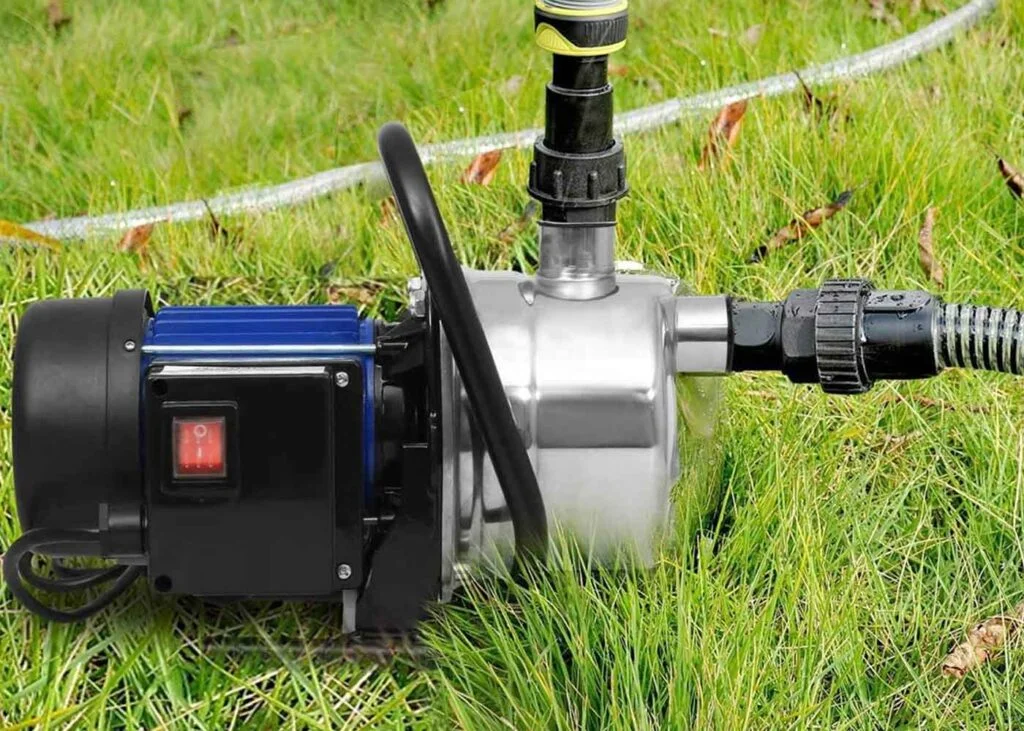
When picking the best water pump for your aquaponics, size matters. Calculate flow rate based on system size and aim for at least two water turnovers hourly. Check for energy-efficient pumps to reduce costs by 50%. Select durable materials like stainless steel for longevity. Seek pumps with low noise levels for quiet operation near living spaces. Ensure the pump aligns with your system’s needs for proper circulation and compatibility. Don’t forget maintenance, lubrication, and manufacturer recommendations to prevent issues. Extras like adjustable flow rates, thermal protection, and energy-saving features can boost efficiency. These factors all play a role in maximizing your aquaponics system.
1. System Size and Flow Rate Considerations
When selecting the best water pump for your aquaponics system, the first step is to carefully consider the system size and flow rate requirements. Calculate the necessary flow rate based on the system size, aiming for a water turnover of at least twice an hour. For larger systems exceeding 200 liters, pond pumps with longer power cables are beneficial as they ensure efficient water circulation throughout the system. Systems over 500 liters may require dirty water pond pumps to manage higher flow rates and maintain system balance effectively.
Ensure that the pump size aligns with both the water volume and grow bed requirements to guarantee optimal nutrient distribution within the system. Additionally, it is crucial to consider potential system expansion when selecting the pump size. By planning for future growth and increased water circulation needs, you can avoid the hassle of replacing the pump prematurely. This foresight will allow for seamless integration of new components as your aquaponics system evolves.
2. Energy Efficiency and Operating Costs
When selecting a water pump for your aquaponics system, focusing on energy efficiency is crucial. Opting for energy-efficient pumps can significantly reduce your electricity costs by up to 50% compared to standard pumps. Consider the long-term benefits of investing in a pump with energy-saving features for a more cost-effective operation.
Energy-Saving Features
Selecting a water pump with energy-saving features such as high energy efficiency ratings can significantly impact your aquaponics system’s operating costs in the long term. Energy-efficient pumps are designed to reduce power consumption, aligning with your budget and sustainability goals. When considering a pump, look for high energy efficiency ratings to ensure optimal electricity consumption. Additionally, pumps with variable speed settings can further optimize energy usage, providing significant savings over time. Investing in an energy-efficient pump not only benefits the environment but also your wallet, as it can lead to reduced operating costs and increased efficiency within your aquaponics system. By prioritizing energy-saving features, you can create a more sustainable and cost-effective operation for your aquaponics setup.
Cost-Effective Operation
Investing in energy-efficient water pumps for your aquaponics system can lead to substantial savings in operating costs over time, particularly through reduced electricity consumption and increased efficiency. When considering the cost-effective operation of your aquaponics system, it’s crucial to focus on energy efficiency and operating costs. Here are some key points to keep in mind:
- Energy-efficient pumps can save up to 50% in operating costs compared to standard pumps.
- Consider pumps with low power consumption to reduce electricity bills over time.
- Energy-efficient pumps often have higher upfront costs but offer long-term savings.
- Proper pump sizing can optimize energy use and reduce operating expenses.
To ensure cost-effective operation, look for water pumps with Energy Star ratings, as they guarantee energy efficiency. By making informed choices and prioritizing energy efficiency, you can significantly reduce your aquaponics system’s operating costs while maintaining optimal performance.
3. Pump Durability and Longevity
Choosing a water pump with exceptional durability and longevity is crucial for maintaining the efficiency and reliability of your aquaponics system. When considering pump options, prioritize those made from durable materials like stainless steel or high-quality plastics. Look for models with reliable seals and connections to prevent leaks and ensure long-term performance. Opt for pumps with efficient cooling mechanisms to prevent overheating and extend their lifespan. Additionally, selecting water pumps with a proven track record of durability and longevity in aquaponics systems can provide peace of mind. Remember that regular maintenance, including cleaning, lubricating, and inspecting, is key to prolonging the durability of your water pump. By investing in a pump that offers both durability and longevity, you are setting your aquaponics system up for success in the long run.
| Key Factors | Considerations |
|---|---|
| Durability | Choose pumps made from durable materials like stainless steel or high-quality plastics. |
| Reliable Seals & Connections | Opt for pumps with reliable seals and connections to prevent leaks. |
| Efficient Cooling | Look for pumps with efficient cooling mechanisms to prevent overheating. |
4. Noise Level and Operational Environment
When evaluating water pumps for your aquaponics system, it is essential to consider the noise level and operational environment to ensure a harmonious setup. Here are some key factors to keep in mind:
- Consider the noise level: Evaluate how loud the water pump operates, especially if your aquaponics system is situated near living spaces where disruptive noise can be a concern.
- Check decibel ratings: Opt for a pump with low decibel ratings to prevent disturbances in the operational environment and maintain a peaceful atmosphere.
- Look for quiet operation: Choose pumps that are specifically designed for quiet operation to enhance the overall experience of your aquaponics system.
- Check for noise reduction features: Prioritize water pumps that come equipped with noise reduction features to create a harmonious environment conducive to the growth of your aquaponics setup.
5. Compatibility With Aquaponics System Needs
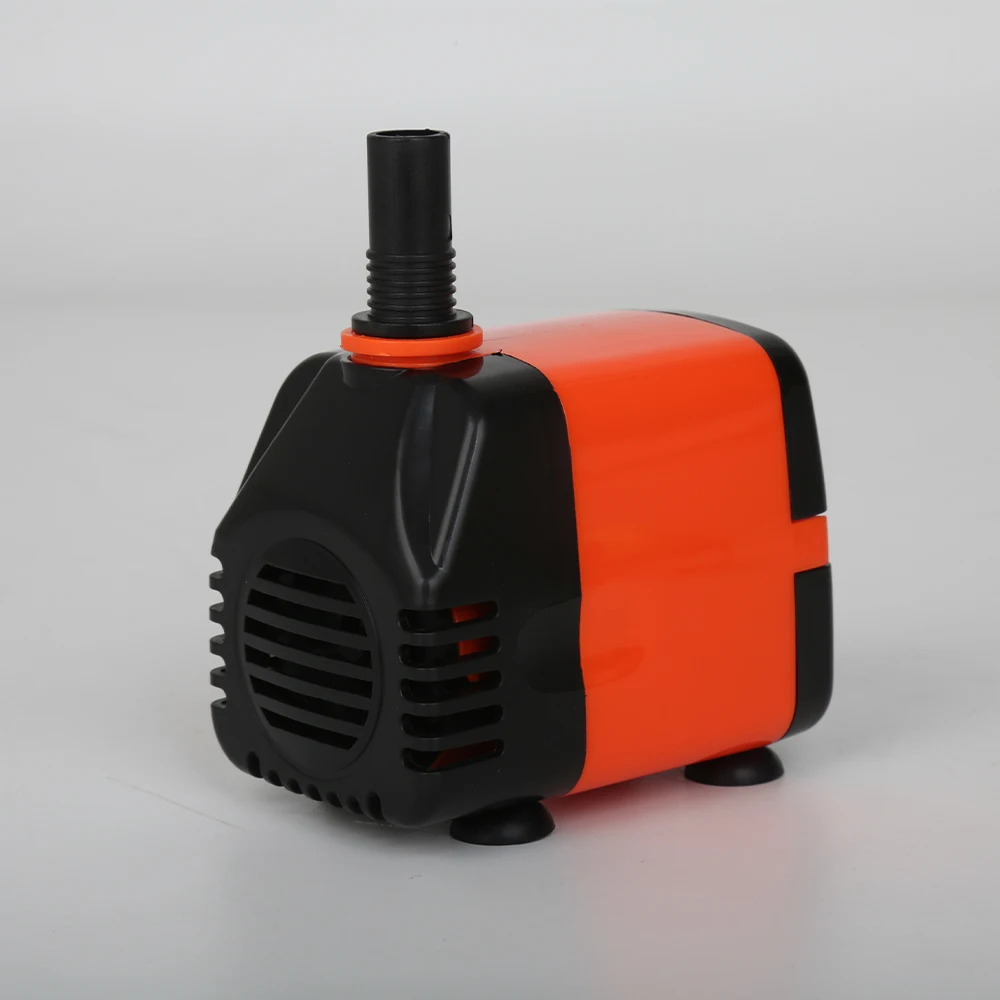
Assess your aquaponics system requirements meticulously to determine the necessary flow rate and head height for optimal performance. Ensure the water pump’s functionality aligns with the specific setup of your aquaponics system to avoid operational issues. Consider the long-term impact of the chosen water pump on the overall health and productivity of your aquaponics system to make a sustainable investment.
System Requirements Analysis
Evaluate your aquaponics system’s specific requirements to determine the compatibility of a water pump with its needs. When analyzing your system, consider factors such as flow rate, head height, power requirements, water volume, grow bed specifications, water circulation, aeration, and nutrient distribution. To ensure optimal performance, follow these guidelines:
- Analyze System Size and Requirements: Assess the dimensions of your aquaponics setup, including the water volume needed for proper circulation.
- Evaluate Grow Bed Compatibility: Consider the flood and drain cycles of your grow beds to select a pump that meets these requirements.
- Check Water Circulation and Aeration: Ensure the pump can maintain adequate water circulation and provide sufficient aeration for both plants and fish.
- Assess Nutrient Distribution: Choose a pump that can effectively distribute nutrients throughout the system to support plant growth and fish health.
Functionality in Setup
To ensure the optimal functionality of your aquaponics system, it is imperative to select a water pump that aligns with the specific needs and requirements of your setup. Consider the flow rate and head height necessary for your aquaponics setup to operate efficiently. The water pump plays a crucial role in system compatibility by ensuring proper water circulation, essential for nutrient distribution and oxygenation within the system. A well-chosen pump will facilitate the movement of water through both the fish tank and grow beds, promoting a balanced ecosystem conducive to healthy plant and fish growth. By meeting the specific needs of your aquaponics setup, the water pump becomes a vital component in maintaining the overall functionality and productivity of your system. Make sure to select a pump that is not only capable of meeting the technical requirements but also enhances the long-term sustainability of your aquaponics system.
Long-Term System Impact
Consider how the long-term compatibility of your aquaponics system is directly impacted by selecting a water pump that meets the specific needs and requirements of your setup. To ensure a successful operation and balanced ecosystem, focus on the following aspects:
- Optimal Nutrient Distribution: A suitable water pump will help distribute essential nutrients evenly throughout your aquaponics system, promoting healthy plant growth.
- Oxygenation: Proper oxygen levels are crucial for the well-being of both plants and fish. Choose a pump that aids in oxygenation to prevent issues like nutrient deficiencies.
- Plant and Fish Compatibility: The right water pump will contribute to creating a harmonious environment where both plants and fish can thrive together.
- System Compatibility: Selecting a pump designed for aquaponics ensures that your system operates efficiently, leading to sustainable long-term success.
6. Maintenance Requirements and Ease
Maintaining your water pump is essential for ensuring optimal performance and longevity in your aquaponics system. Regular maintenance requirements include tasks such as cleaning intake filters and inspecting the impeller. These simple actions can go a long way in preventing issues like clogging, leaks, or reduced performance. Additionally, lubricating the pump as needed is crucial for prolonging its lifespan and preventing malfunctions. By following manufacturer recommendations for upkeep, you can avoid costly repairs and ensure optimal system function. The ease of maintenance can vary depending on the pump model, so it’s essential to consider this aspect when choosing a water pump for your aquaponics system. Investing time in proper maintenance will not only keep your pump running smoothly but also contribute to the overall health and productivity of your aquaponics setup.
7. Additional Pump Features and Accessories
When selecting a water pump for your aquaponics system, it is important to consider additional features and accessories that can enhance its performance and efficiency. Here are some key aspects to keep in mind:
- Adjustable Flow Rates: Opt for pumps that offer adjustable flow rates to cater to varying system requirements.
- Thermal Overload Protection: Ensure the pump has built-in thermal overload protection for safety measures.
- Durable Impellers: Look for pumps equipped with durable impellers capable of handling debris and sediment effectively.
- Energy-Saving Features: Explore pumps with energy-saving features such as variable speed settings to improve energy efficiency.
Considering these features can significantly impact the overall effectiveness and longevity of your aquaponics system. Additionally, pumps with easy-to-access filters can streamline maintenance tasks, making it more convenient for you to upkeep the system. Prioritizing built-in safety features will also provide peace of mind while optimizing the pump’s performance.