
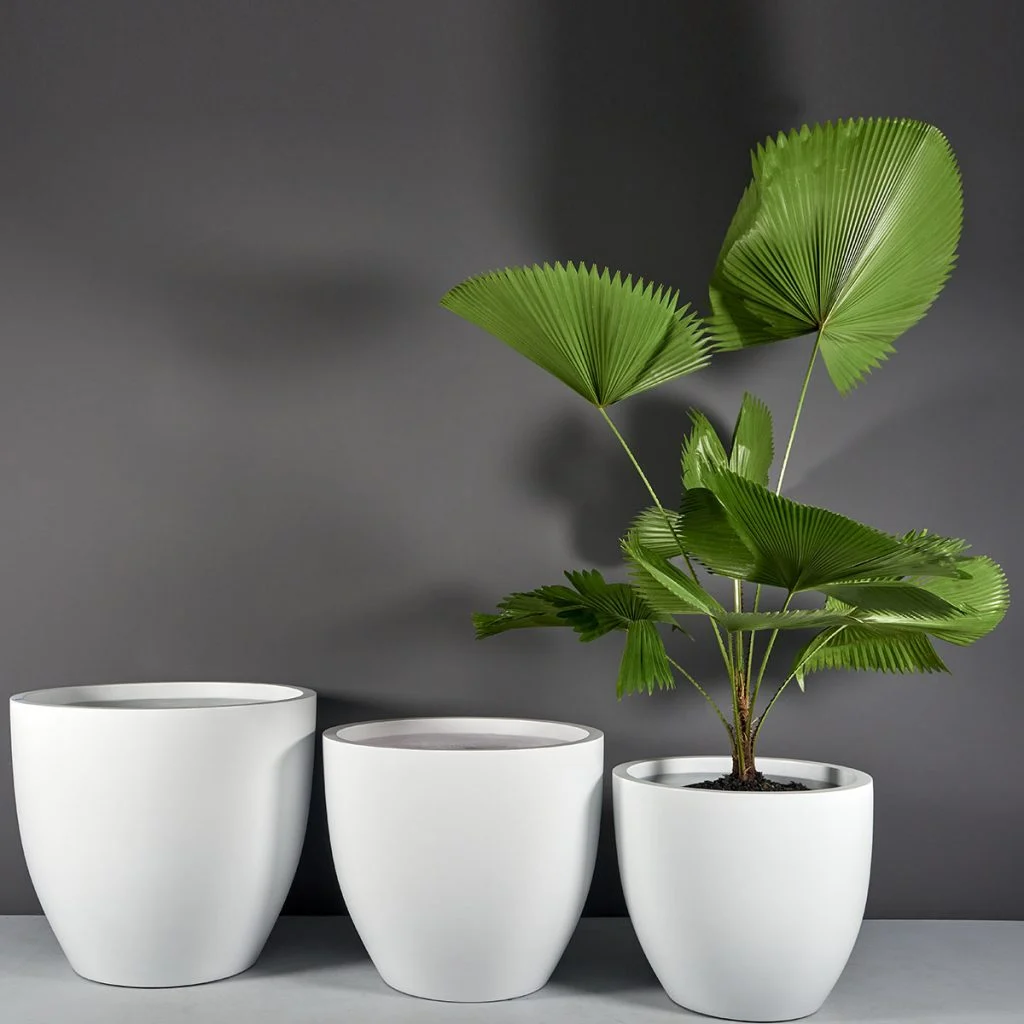
Using bigger pots can result in larger and healthier plants. The size of the pot significantly impacts root expansion, nutrient uptake, and growth patterns. Research even shows up to a 43% increase in plant growth by doubling pot size. Larger pots allow roots to spread out for better absorption of nutrients, leading to robust and healthier plants. Adequate pot size is crucial for supporting optimal root growth and overall plant vitality. So, if you want to see your plants thrive and reach their full potential, choosing larger pots is a practical step towards achieving that goal.
Pot Size and Plant Growth
Larger pots significantly impact plant growth, as evidenced by research showing up to a 43% increase in growth by doubling the pot size. The size of the pot plays a crucial role in the development of plants. When placed in larger pots, plants have more room for root expansion, allowing for better nutrient uptake and overall growth. In 3-D MRI scans, plant roots were observed extending quickly towards the pot walls, emphasizing the influence of pot size on root development.
Plants have been found to sense pot size through their roots, which in turn affects their growth patterns. Studies have shown that plants in larger pots exhibit enhanced photosynthesis rates compared to those in smaller pots, leading to increased growth. The relationship between pot size and plant growth is clear, with over 65 studies supporting the notion that bigger pots result in larger and healthier plants. Therefore, selecting an appropriate pot size is essential for promoting optimal plant growth and development.
Root Development and Nutrient Absorption
When plants are grown in larger pots, their roots have the opportunity to expand and grow more extensively, which is essential for optimal nutrient absorption. With increased root development, plants can efficiently uptake essential nutrients and water, promoting healthier growth and vigor. Providing enough space for roots to spread out in bigger pots prevents issues like root circling, ensuring a robust root system for improved nutrient uptake efficiency.
Root Growth Importance
To optimize plant health and nutrient intake, ensuring robust root development is essential. Roots are the foundation of a plant’s ability to absorb essential nutrients and water from the soil. A well-established root system is crucial for supporting overall plant health and growth. When roots have enough space to grow, such as in larger pots, they can spread out more freely and access a greater volume of soil, leading to increased nutrient absorption.
Root growth is closely linked to nutrient absorption efficiency. Healthy root systems have the capacity to take up vital nutrients like nitrogen, phosphorus, and potassium, which are essential for plant growth. Additionally, roots play a critical role in sensing the size of the pot they are in and adjusting the plant’s growth accordingly. Adequate root development ensures that plants can access the nutrients they need to thrive, resulting in larger, healthier plants overall. Therefore, fostering optimal root growth is key to promoting robust plant health and maximizing nutrient absorption.
Nutrient Uptake Efficiency
For optimal plant growth and health, maximizing nutrient uptake efficiency through robust root development is essential. When plants are placed in larger pots, they have the opportunity to develop more extensive root systems. This increased root mass allows for better nutrient absorption, which directly impacts overall plant growth. The larger pots provide plants with greater access to essential nutrients, resulting in more vigorous growth and development.
Proper root development in larger pots plays a crucial role in enhancing nutrient uptake efficiency. The size of the pot significantly influences the root system’s capacity to absorb the necessary nutrients for sustained plant growth. Bigger pots support healthy root growth, optimizing nutrient absorption efficiency. As a result, plants in larger pots tend to exhibit larger sizes and better overall health due to their enhanced ability to take up nutrients effectively. Therefore, investing in larger pots can contribute to the prosperity and vitality of your plants.
Factors Influencing Plant Size
Larger pots significantly influence the size of plants by facilitating increased root growth and nutrient absorption, essential for robust plant development. When plants have ample space for root expansion, they can access more nutrients from the soil, promoting healthier and larger growth. In larger pots, proper light exposure is crucial for photosynthesis, which fuels plant growth. Adequate air quality, free from pollutants, ensures that plants can respire efficiently and utilize nutrients effectively. Additionally, maintaining appropriate temperatures within larger pots is essential for enzymatic reactions that drive plant growth processes.
Organic growing practices further enhance nutrient absorption in larger pots by providing plants with well-amended soil rich in essential nutrients. Implementing nutrient delivery methods, like liquid fertilizers, sustains the nutrient levels necessary for robust plant development in bigger containers. Root pruning pots offer a solution to prevent root-bound issues, allowing for dense root balls that support the thriving of larger plants even in smaller containers. By attentively managing these factors, you can optimize plant size in larger pots for healthy and flourishing vegetation.
Impact of Light Exposure
When cultivating plants in larger pots, it’s essential to understand how light impacts their growth. The amount of light your plants receive directly affects their development, size, and overall health. Ensuring optimal light duration and quality in larger pots is crucial for maximizing your plants’ growth potential.
Light Affects Plant Growth
Light exposure significantly influences plant growth and development, directly impacting their overall health and productivity. Plants rely on light for photosynthesis, a process crucial for their growth. Inadequate light exposure can lead to stunted growth and reduced productivity. The quality and intensity of light are essential factors in determining plant size and vigor. Adequate light exposure not only supports photosynthesis but also promotes robust root development, which is vital for the plant’s overall health.
Different plant species have varying light requirements, making it important to provide tailored light exposure for optimal growth. Understanding the specific needs of your plants regarding light is key to ensuring their well-being and maximizing their potential. Consider factors like light quality, intensity, and duration to create an environment that fosters healthy growth and development. By providing the right amount of light, you can encourage strong root systems, robust growth, and ultimately larger, more productive plants.
Light Duration Is Crucial
Sufficient duration of light exposure is essential for maximizing plant growth in larger containers. Longer light exposure promotes larger plant growth in bigger pots by aiding in photosynthesis and energy production. Adequate light duration is crucial for maximizing plant size potential in larger containers. Insufficient light exposure can limit growth potential even in larger pots, affecting overall plant size and health. Plants in bigger pots benefit from extended light periods, contributing to increased biomass and better overall development. Optimal light duration plays a significant role in determining whether bigger pots lead to bigger plants by supporting healthy growth and metabolic processes. Ensuring that your plants receive the right amount of light for an optimal duration is key to unlocking their full growth potential in larger containers. Remember, light duration directly impacts the metabolic processes within the plants, influencing their size and overall health.
Light Quality Influences Plants
To optimize plant growth in larger containers, understanding how light quality influences plants is paramount. Light quality plays a crucial role in determining the success of your plants. High-quality light exposure enhances photosynthesis, the process through which plants convert light into energy, leading to improved growth rates and overall plant health. Adequate light exposure results in plants with stronger stems, larger leaves, and increased fruit production. On the contrary, insufficient light can hinder growth, resulting in stunted plants with leggy stems and reduced flowering or fruiting. It is essential to recognize that different plant species have varying light requirements. By providing the right light exposure tailored to your specific plants, you can ensure optimal growth in bigger pots. Therefore, paying attention to the quality of light your plants receive is key to fostering their development and maximizing their potential in larger containers.

Air Quality and Temperature Regulation
Maintaining optimal air quality and regulating temperature levels are crucial for promoting maximum plant growth in larger pots. Adequate air quality in bigger containers facilitates nutrient uptake and photosynthesis, while proper temperature regulation ensures efficient metabolic processes for plant growth. Here’s why these factors are essential:
- Nutrient Uptake: Good air quality in larger pots allows plants to absorb nutrients effectively, supporting their growth and development.
- Photosynthesis: Proper air circulation is vital for photosynthesis, the process through which plants convert light energy into chemical energy, enabling them to grow and thrive.
- Metabolic Processes: Temperature regulation in bigger pots is key to ensuring plants can carry out essential metabolic functions, such as respiration and transpiration, required for optimal growth.
Role of Nutrient Availability
In larger pots, the role of nutrient availability becomes pivotal for fostering robust plant growth and development. The increased soil volume in larger pots offers more space for roots to grow, enhancing nutrient absorption essential for overall plant health. Nutrient availability is crucial as it provides the necessary elements for photosynthesis and metabolism, ultimately supporting bigger plant growth. To ensure optimal nutrient delivery, using liquid fertilizers in water can effectively promote plant development in larger pots. Additionally, the presence of nutrient-rich soil in these pots significantly contributes to the size of the plants, highlighting the direct correlation between nutrient availability and plant growth. By maintaining a suitable nutrient balance in larger pots, you can create an environment conducive to the flourishing of your plants, enabling them to reach their full potential in size and health.
Health and Size of Plants
Ensuring the optimal health and size of your plants begins with selecting the right pot size to promote deep root growth and overall plant vitality. Proper pot sizing is crucial for fostering robust root systems, which in turn support plant health and growth. When considering the health and size of your plants, keep in mind the following:
- Deep Root Growth: Matching plant size to pot size is essential for preventing issues like root circling, which can lead to poor nutrient uptake and stunted growth.
- Plant Health Maintenance: Large pots may create unsuitable soil conditions for small plants, affecting their overall health. It is crucial to provide the right environment for proper growth.
- Root-to-Canopy Balance: Gradually increasing pot size as the plant grows ensures healthy root development and maintains a balance between root and canopy growth, promoting overall plant vigor.
Considerations for Successful Growth
Selecting the appropriate pot size is fundamental for maximizing the growth potential of your plants and ensuring their successful development. When considering pot size, it is crucial to prevent root-bound conditions that hinder plant growth. Larger pots support elaborate root growth, allowing roots to spread and absorb nutrients efficiently, promoting overall plant health and vigor. Gradually increasing pot size as the plant grows prevents root constriction and encourages healthy root distribution, leading to stronger and more productive plants. Moreover, large pots are essential for accommodating the extensive root systems of trees, preventing instability and top-heaviness. Ensuring that your plants have adequate room for root development is key to optimizing plant growth and yield. Below is a table summarizing the main considerations for successful growth in relation to pot size:
| Considerations for Successful Growth |
|---|
| Preventing root-bound conditions |
| Supporting elaborate root growth |
| Promoting healthy root distribution |
| Accommodating tree roots |
| Optimizing plant growth and yield |
Pot Size and Plant Health Optimization
Proper selection of pot size plays a crucial role in optimizing the health of your plants by supporting deep root growth for increased drought tolerance. When considering pot size and plant health optimization, keep in mind that matching the pot size to the plant’s needs is essential. This practice prevents excess water retention, reducing the risk of root rot and ensuring a healthy root system. Additionally, gradual increases in pot size as the plant grows promote the development of a large root mass, aiding in nutrient absorption and overall plant vigor.