
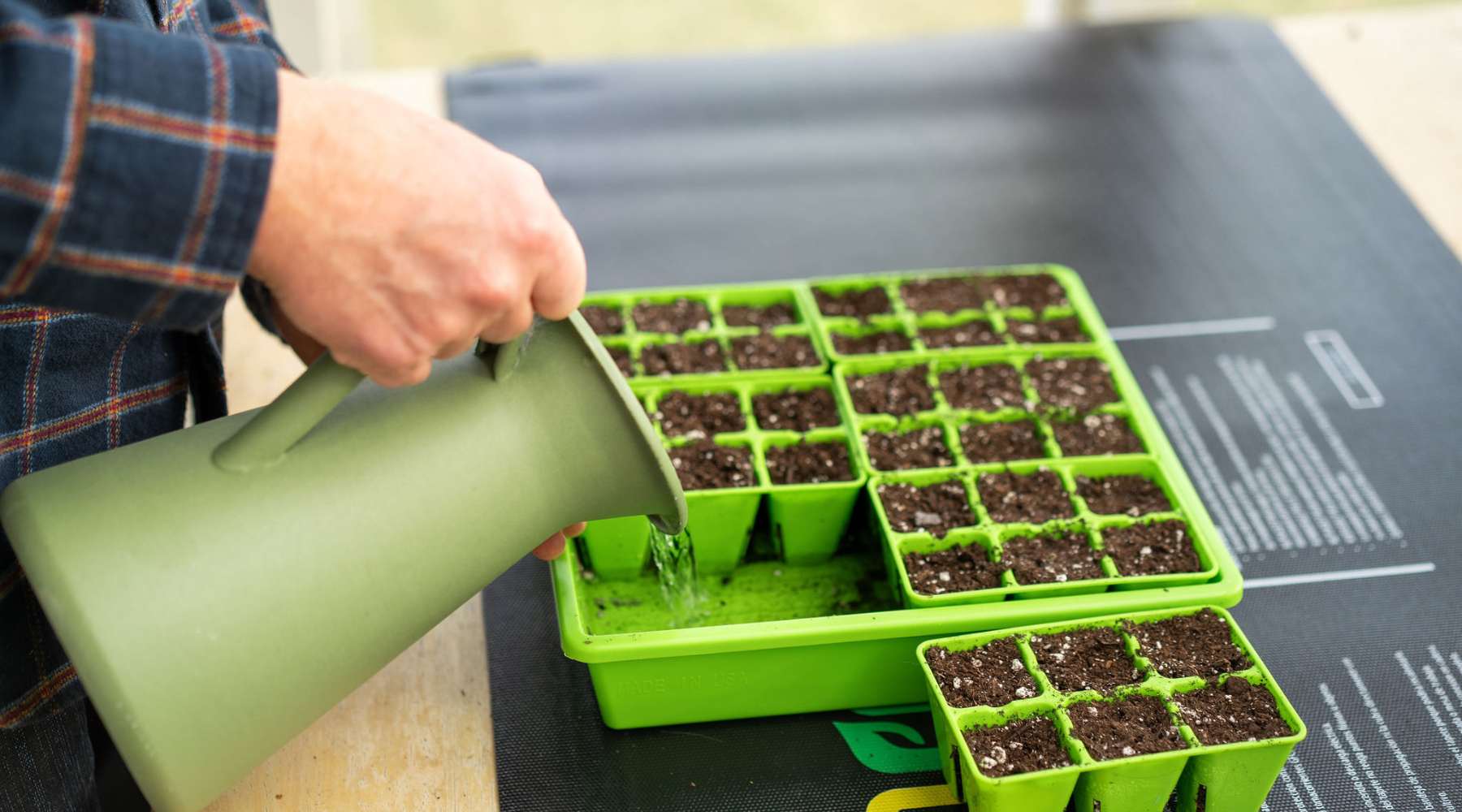
When nurturing seedlings, opt for bottom watering to foster robust roots, prevent diseases, and achieve uniform moisture. Fill a tray with water for roots to absorb efficiently, promoting healthy growth and warding off fungal issues. Draining excess water prevents root rot, maintaining ideal moisture levels. Equip yourself with seed trays, a larger watering tray, room temperature water, covers, and a baster for removal. Choose containers wisely, ensuring proper drainage for optimal growth. Monitor moisture levels closely by touch and weight, adjusting watering frequency accordingly. Avoid common mistakes like overfilling trays and stagnant water, critical for healthy plant development.
Benefits of Bottom Watering
Bottom watering provides numerous benefits for plants, such as promoting strong root growth and minimizing the risk of diseases. This technique is especially advantageous for seedlings, as it allows roots to grow deeper into the soil, establishing a strong foundation for healthy plant development. By watering from the bottom up, moisture distribution is more even, ensuring that all parts of the root system receive adequate hydration. This method also helps in disease prevention by avoiding moist foliage, which can attract harmful fungi and pathogens.
For container plants, including indoor varieties, bottom watering is vital for maintaining plant health. Delicate roots are less disturbed compared to top watering, reducing stress on the plant. Moreover, this watering method contributes to water conservation by preventing excess water loss through evaporation. It also helps prevent issues like nutrient runoff and salt build-up in the soil, ensuring that your plants receive the essential nutrients they need to thrive.
Proper Technique for Seedlings
When bottom watering seedlings, ensure the tray beneath the containers is filled with water, allowing the soil to absorb moisture upwards. This technique promotes healthy root development by mimicking natural water uptake processes, reducing the chances of fungal diseases and overwatering. Remember to let the soil soak up water adequately before draining excess to prevent root rot and maintain optimal moisture levels for successful seedling growth.
Seedling Moisture Control
Maintaining the proper moisture levels for your seedlings is essential for their successful germination and growth. When it comes to seedling moisture control, it’s crucial to strike a balance. Overwatering can lead to root rot, while underwatering may cause stunted growth. Bottom watering is a recommended technique for providing seedlings with adequate water without risking root damage. This method involves placing seedling trays in a shallow container filled with water and allowing the soil to absorb moisture from the bottom up.
To ensure your seedlings receive the right amount of water, monitor the soil’s moisture level regularly. You can do this by touching the soil to assess its dampness and lifting the trays to gauge their weight. If the soil feels dry or light, it’s time to water your seedlings. Consistent moisture levels are key to promoting healthy root development and robust growth during the seed starting process.
Benefits of Bottom Watering
To ensure optimal growth and health for your seedlings, employing the proper bottom watering technique is crucial. Bottom watering offers numerous benefits that contribute to the overall success of your seedlings. Firstly, it promotes strong root growth by encouraging roots to grow downward in search of moisture, resulting in healthier and more robust plants. Additionally, this method helps prevent disease and fungus by avoiding wet foliage, which is a common issue with top watering.
Conserving water is another significant advantage of bottom watering. By directly delivering water to the roots where it is needed most, this technique ensures efficient water usage, benefiting both your plants and the environment. Moreover, bottom watering facilitates even moisture distribution, allowing your seedlings to grow uniformly and thrive.
Furthermore, this approach minimizes disturbance to seeds and seedlings, enabling them to establish roots without disruption, leading to healthier and more stable plants in the long run. Overall, bottom watering is a practical and effective way to promote strong root development, prevent diseases, conserve water, and support the establishment of your seedlings.
Equipment Needed for Bottom Watering
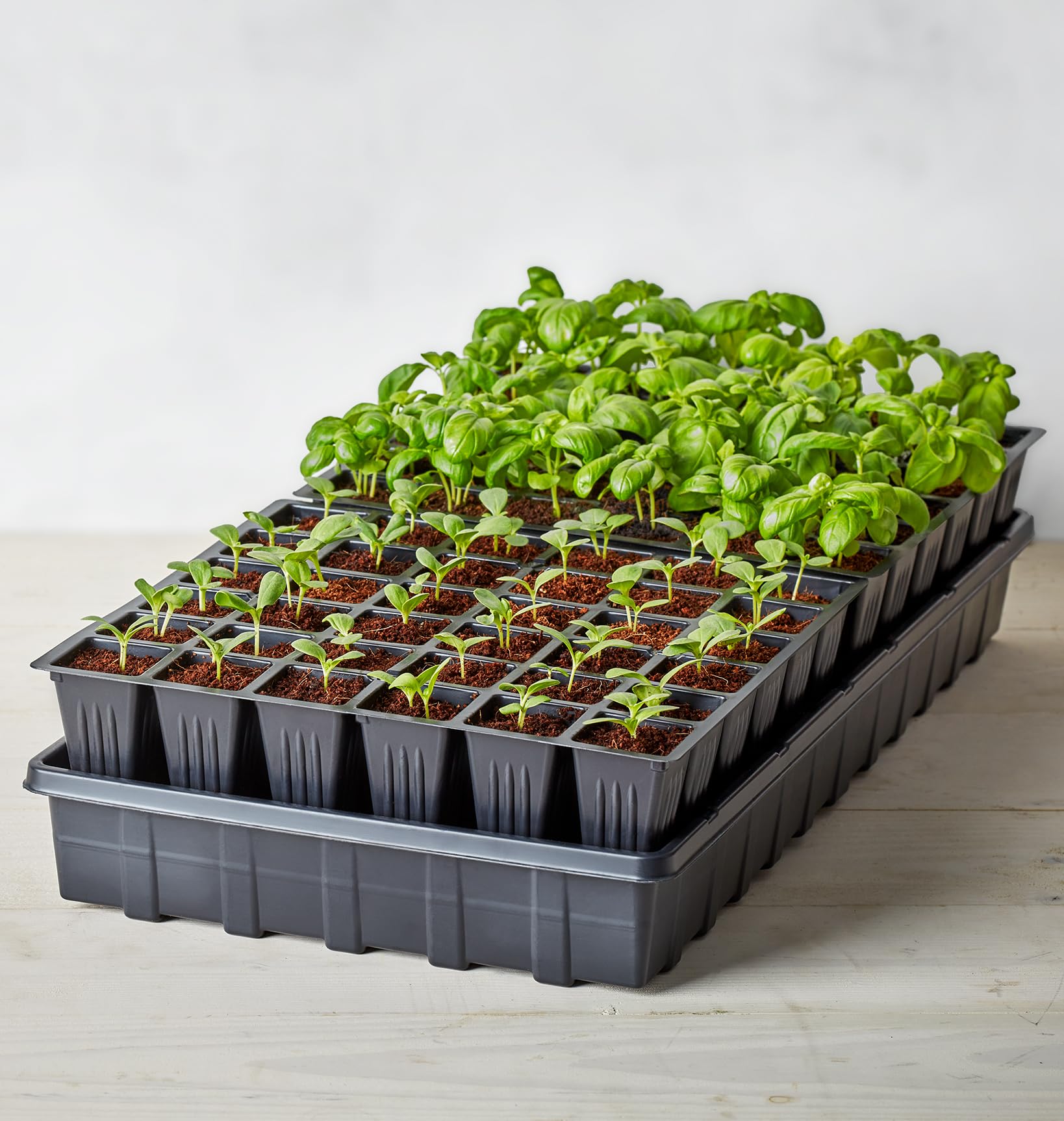
For successful bottom watering, you will need specific equipment that includes seed trays, a larger watering tray, and room temperature water. When selecting seed trays, opt for ones with proper drainage holes to facilitate bottom watering. Fill these trays with a seed starting mix that contains moisture-retaining components like peat moss or coconut coir to ensure adequate water absorption. To maintain optimal humidity levels during the germination process, consider using transparent covers or humidity domes over the seed trays.
Having a larger watering tray allows for the bottom watering method to be executed efficiently. This tray should be able to accommodate several seed trays at once to streamline the watering process. Additionally, a turkey baster can be a useful tool for removing excess water from the trays, preventing waterlogging and potential issues like mold growth. Remember, consistent monitoring of the water levels in the trays is crucial for successful bottom watering. Adjust water levels as needed to provide a conducive environment for seed starts to thrive.
Steps to Bottom Water Seed Starts
When bottom watering seed starts, ensure you select containers with drainage holes to prevent waterlogging. This step is crucial for proper root development and prevents water accumulation, which can lead to root rot. By choosing containers that facilitate efficient water absorption, you set the stage for healthy and robust seedling growth.
Proper Container Selection
Consider the depth and drainage capabilities of your containers when selecting the appropriate ones for bottom watering your seed starts. Containers with drainage holes are essential to prevent waterlogging, ensuring that excess water can escape and roots do not become waterlogged. The depth of the containers is also crucial to allow the roots of your seedlings to access water from the bottom effectively.
When choosing containers for bottom watering, opt for sturdy trays or pots that can securely hold water without leaking. This not only prevents mess but also ensures that your seedlings receive adequate hydration. Additionally, consider the size of the containers based on the number of seedlings you plan to grow, making sure they have ample space to develop.
To promote sustainability in your gardening practices, choose reusable containers. By reducing waste and reusing containers for multiple growing seasons, you contribute positively to the environment. Selecting the right containers for bottom watering your seedlings is a vital step in fostering healthy plant growth and sustainable gardening habits.
Water Absorption Efficiency
To ensure optimal water absorption efficiency when bottom watering your seed starts, follow these straightforward steps for promoting healthy root development and seedling growth. Bottom watering seedlings is a method that utilizes capillary action and gravity to encourage deep root growth and even moisture distribution. By allowing the soil to absorb water from the bottom up, you can minimize the risk of root disturbance and ensure efficient water absorption. This process mimics natural conditions, reducing the chances of disease and promoting strong root development. To bottom water effectively, fill a larger tray with water and let the soil soak for 10-30 minutes. Drain any excess water to prevent root rot and maintain proper soil moisture levels. By following these steps, you can create an ideal environment for healthy seedlings to thrive.
| Steps to Bottom Water Seed Starts | Benefits |
|---|---|
| Fill tray with water | Mimics natural water absorption |
| Let soil absorb for 10-30 minutes | Promotes deep root growth |
| Drain excess water | Prevents root rot |
Monitoring Seedling Moisture Levels
For effective monitoring of seedling moisture levels, tactile assessment methods can provide valuable insights. When checking the moisture content of your seed trays, gently touch the soil surface to judge if it feels dry or damp. Lift the starting trays to assess their weight; heavier trays indicate sufficient moisture, while lighter ones may require watering. Overwatering can lead to issues like root rot, so it’s essential to consistently monitor and adjust your watering frequency based on the soil moisture levels. To accurately determine the moisture content of the seedling medium, consider using a soil moisture meter for more precise readings. Dehydration can also be a concern if moisture levels are not adequately maintained. Remember that consistent monitoring of seedling moisture levels is crucial for healthy plant development and to prevent potential problems down the line.
Common Mistakes to Avoid in Bottom Watering
When bottom watering seedlings, it is important to be mindful of common mistakes that can hinder the growth and health of your plants. One of the key errors to avoid is overfilling the bottom tray, as this can lead to stagnant water, creating a breeding ground for harmful bacteria that can harm your delicate seedlings. Instead, ensure you only add enough water to be absorbed by the soil without leaving excess standing water.
Another mistake to steer clear of is misjudging moisture levels. Using the weight of the container as a guide is a reliable method for determining when it’s time to water your seedlings from the bottom. This prevents both under and overwatering, promoting healthy growth.
To make this information more accessible, let’s break down the common mistakes in a table:
| Common Mistakes in Bottom Watering | How to Avoid Them |
|---|---|
| Overfilling the bottom tray | Only add enough water for absorption, avoid standing water |
| Misjudging moisture levels | Use the weight of the container as a guide for proper watering |