

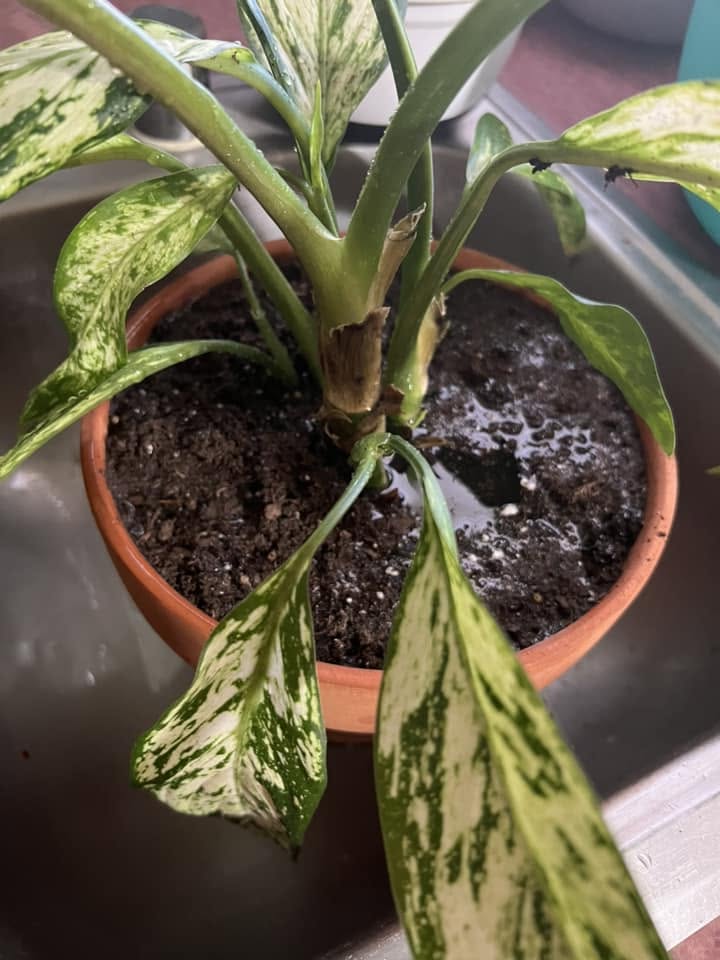
Water sits atop soil due to overwatering, leading to root rot. Poor drainage causes waterlogging, starving roots of oxygen. Soil compaction reduces pore spaces and hinders water flow, affecting nutrient absorption. Excessive rainfall can drown roots and stunt plant growth. Clay soil’s fine particles hinder drainage, while sloping terrain affects water movement. Impermeable layers block drainage and stunt root growth. High water tables risk contamination and require specialized drainage systems. Prolonged heavy rainfall saturates soil, causing runoff and erosion. Check for irrigation system issues. Understanding these factors can help prevent water accumulation issues in your soil.
1. Overwatering
Overwatering saturates the soil, leading to the accumulation of water on its surface due to the soil’s reduced capacity to absorb the excess moisture. When you water your plants excessively, the soil becomes waterlogged, forming a film of water on top. This excess water displaces essential oxygen in the soil, suffocating plant roots and hindering their growth. The presence of water on the soil surface serves as a warning sign of overwatering, potentially causing root rot and fungal diseases.
To avoid this issue, ensure you water your plants according to their specific needs. Adjust the watering frequency based on factors like plant type, soil type, and environmental conditions. Allowing the soil to dry out between waterings can help prevent water accumulation on the surface. By maintaining a balanced watering schedule and monitoring the soil’s moisture levels, you can promote healthier plant growth and prevent the negative consequences of overwatering.

2. Poor Drainage
Poor drainage in soil can result in waterlogging, leading to negative effects on plant roots such as suffocation and rotting. Compacted soil, the absence of drainage holes, or using containers without proper drainage can all contribute to water accumulation issues. Excessive rainfall can further exacerbate poor drainage conditions, saturating the soil and creating an environment ripe for root diseases and nutrient deficiencies.
Waterlogging Causes Issues
Waterlogging in soil due to inadequate drainage can significantly impact the health and growth of plants. When water accumulates on top of the soil, oxygen is unable to reach the plant roots, leading to oxygen deprivation and root rot. This lack of oxygen hinders nutrient uptake, stunts growth, and makes plants more susceptible to diseases. Poor drainage, whether caused by compacted soil, insufficient drainage holes, or improper soil composition, can exacerbate waterlogging issues. The excess moisture in waterlogged soil creates a favorable environment for mold, mildew, and harmful bacteria to thrive, further endangering plant health. To mitigate these issues, it is crucial to ensure adequate drainage by using well-draining soil, pots with proper drainage holes, and avoiding overwatering. By addressing poor drainage and preventing waterlogging, you can promote healthier plant growth and overall soil health.
Soil Compaction Hinders Drainage
Compacted soil restricts water drainage by diminishing the soil’s pore spaces, impeding the downward flow of water and leading to surface water accumulation. When soil is compacted, the spaces between soil particles become compressed, creating barriers that prevent water from infiltrating the soil effectively. This lack of pore spaces hinders the movement of water downwards, causing it to pool on the surface. The water that accumulates on top of compacted soil can suffocate roots, depriving them of oxygen and essential nutrients. Without proper drainage, plants struggle to thrive, and their health can deteriorate rapidly. Addressing soil compaction is crucial to avoid these issues. By implementing practices such as aeration to loosen the soil, adding organic matter to improve soil structure, and adopting proper soil management techniques, you can enhance drainage and prevent water from sitting on top of the soil. Prioritizing soil health is essential for the well-being of every single plant in your garden or landscape.
Excessive Rainfall Saturates Soil
Excessive rainfall can result in the saturation of soil, leading to water accumulation on the surface due to drainage inadequacies. When soil becomes oversaturated, its ability to absorb more water diminishes, causing water to pool on top. This excess water can drown plant roots, depriving them of oxygen and essential nutrients, stunting their growth. Moreover, saturated soil creates a perfect environment for pests and diseases to thrive, further jeopardizing plant health. To illustrate the impact of poor drainage, consider the following table:
| Effects of Excessive Rainfall on Soil |
|---|
| Drowned plant roots |
| Stunted plant growth |
| Increased pest and disease risk |
Improving soil drainage is crucial for maintaining a really healthy garden. By amending the soil composition or implementing proper landscaping techniques, you can avoid waterlogging issues. Next time you notice water sitting on top of your soil, take action to enhance drainage – yeah, I know, it’s essential for plant vitality.
3. Compacted Soil
When soil becomes compacted, it hinders water infiltration, impacting the soil’s ability to absorb moisture effectively. This compaction can lead to the degradation of soil structure over time, affecting plant root growth and nutrient uptake. Addressing soil compaction is crucial to prevent water from sitting on top of the soil, ensuring proper drainage and optimal plant health.
Impact of Compaction
Improving soil aeration and porosity is crucial in preventing water accumulation on the surface due to compaction. When soil becomes compacted, it negatively impacts its ability to absorb water properly, leading to detrimental consequences for plant growth. The effects of soil compaction are far-reaching and can significantly hinder the health of your plants. Here’s how compaction can impact your soil:
- Soil compaction effects: Compacted soil restricts the movement of air and water, essential for the roots to thrive.
- Root suffocation risks: Water sitting on compacted soil can lead to root suffocation, root rot, and ultimately, plant decline.
- Water retention problems: Compacted soil hinders proper drainage, causing water to pool on the surface instead of infiltrating down to the roots.
To prevent these issues, it’s essential to address soil compaction through methods like aeration or loosening to promote healthier soil and plant growth.
Water Infiltration Issues
Compacted soil poses significant challenges to water infiltration, leading to water accumulation on the soil surface. This impediment restricts the movement of water into the root zone, affecting root development and nutrient uptake, ultimately impacting plant health. Soil compaction, caused by factors like heavy foot traffic and poor soil structure, inhibits root growth by limiting access to water and essential nutrients. To address water infiltration challenges and promote healthy root systems, employing soil aeration techniques is crucial. Methods such as cultivation, incorporating organic matter, or utilizing specialized aeration tools can enhance soil structure, allowing water to penetrate deeper into the ground. By improving soil aeration, plants can access the necessary nutrients for optimal growth and development. Addressing compacted soil not only improves water infiltration but also fosters better root development, nutrient uptake, and overall plant health.
Soil Structure Degradation
Soil structure degradation, resulting from compaction, significantly impedes proper water drainage, leading to the accumulation of water on the soil surface. Compacted soil reduces pore space, limiting water infiltration and causing surface runoff. This compaction also restricts root growth and oxygen exchange, negatively affecting plant health. Water pooling on compacted soil creates anaerobic conditions, fostering root rot and disease development.
- Soil aeration techniques
- Aerating the soil can help alleviate compaction by introducing small holes that allow air, water, and nutrients to penetrate deeper into the soil.
- Root oxygenation methods
- Implementing practices like vertical mulching or installing aeration tubes can help oxygenate the root zone, promoting healthier root growth and overall plant vitality.
- Compacted soil solutions
- Solutions for compacted soil include mechanical methods like tilling or using specialized equipment to break up compacted layers, as well as incorporating organic matter to improve soil structure and drainage.
4. Clay Soil Composition
Comprised of densely packed, fine particles, clay soil exhibits characteristics that significantly impact water drainage and retention. The properties of clay soil’s soil structure contribute to its unique behavior. Due to the small particle size and close arrangement, clay soil has poor drainage capabilities. Water struggles to infiltrate the soil, leading to pooling on the surface. This is a result of the compact nature of clay soil, which hinders water from percolating downwards. One of the defining features of clay soil is its high water retention capacity. The fine particles have a strong affinity for water molecules, causing them to cling onto the soil particles rather than drain away. This high water retention can result in waterlogging and suffocate plant roots by limiting oxygen availability. To address these issues, amending clay soil with organic matter is recommended, as it can enhance drainage and prevent water from accumulating on the surface.
5. Sloping Terrain
Water pooling on sloping terrain can be a common issue that impacts soil health and stability. The angle of the slope plays a crucial role in determining how water flows and accumulates on the surface. Excessive water pooling on sloping soil can result in erosion and the loss of essential nutrients, affecting plant growth. To address this issue, consider implementing the following strategies:
- Terracing benefits: Creating terraces on sloping terrain can help to reduce the speed of water flow, allowing it to infiltrate the soil more effectively and minimizing erosion risks.
- Water diversion methods: Installing water diversion channels such as swales or contour trenches can redirect excess water away from vulnerable areas, preventing water from pooling on the surface.
- Slope angle impacts: The steepness of the slope directly influences how water moves across the terrain. Managing the slope angle appropriately is crucial to controlling water flow and minimizing pooling issues. Proper management of water flow on sloping terrain is essential for maintaining soil stability and promoting healthy plant growth.
6. Impermeable Layers Below
Impermeable layers beneath the soil surface can impede proper water drainage, leading to water accumulation above the soil. These layers, often composed of hard clay or compacted soil, restrict water movement downwards, causing water to pool on the surface. The presence of impermeable layers not only affects soil aeration but also hinders root development by limiting the depth roots can penetrate into the soil. This can result in poor plant health and susceptibility to root diseases like rot due to excess moisture. To improve drainage in areas with impermeable layers, breaking up compacted soil, incorporating organic matter, or using raised beds can help enhance soil structure and allow water to flow more freely. Proper soil preparation and maintenance are crucial in ensuring that water does not sit on top of the soil, promoting healthy root growth and overall plant vitality.
| Root development | Soil aeration | Drainage solutions |
|---|---|---|
| Hindered by | Impacted by | Breaking up |
| Impermeable layers | Impermeable layers | Compacted soil |
| Limits depth growth | Affects | Incorporating |
| Susceptible to rot | Restricted by | Organic matter |
| Raised beds |
7. High Water Table
The presence of a high water table near the soil surface can lead to water accumulation above the soil, affecting drainage and potentially causing root rot in plants. This phenomenon can have various implications on the surrounding environment and agricultural practices.
- Wetland ecosystems: High water tables are often essential for the formation and sustainability of wetland ecosystems, providing a habitat for unique flora and fauna that thrive in waterlogged conditions.
- Groundwater contamination: High water tables increase the risk of groundwater contamination as excess water can carry pollutants and chemicals from the soil surface into the groundwater, impacting water quality.
- Agricultural practices: Farmers in areas with a high water table face challenges in crop cultivation. Excess water can hinder plant growth, limit nutrient uptake, and increase the likelihood of diseases, necessitating the implementation of specialized drainage systems and farming techniques to mitigate these issues.
8. Prolonged Heavy Rainfall
Saturated soil resulting from extended periods of heavy rainfall can lead to the accumulation of water on the soil surface, impeding normal drainage processes. The excess water can overwhelm the soil’s ability to absorb it, resulting in waterlogging. This saturation creates a barrier that hinders water from infiltrating deeper into the soil, increasing the risk of surface runoff and soil erosion. To combat these issues, erosion control measures are crucial to mitigate the flooding risk associated with prolonged heavy rainfall. Implementing proper drainage systems can help prevent water from sitting on top of the soil, safeguarding against potential soil erosion and preserving soil health. Additionally, promoting water conservation practices, such as rainwater harvesting, can aid in maintaining soil structure and supporting plant growth by preventing water stagnation. Prioritizing soil health through effective water management strategies is essential for sustainable agricultural practices.
| Soil erosion | Surface runoff | Erosion control |
|---|---|---|
| Risk of erosion due to water saturation | Excessive water flowing over the soil surface | Implementing measures to prevent soil loss |
9. Irrigation System Issues
When inadequately designed or maintained, irrigation systems can lead to water accumulation on the surface of the soil. Several issues within the irrigation system can contribute to water sitting on top of the soil:
- Clogged Irrigation Lines: Blockages in drip system lines or emitters can hinder the proper flow of water, causing it to pool on the soil surface rather than being distributed evenly.
- Misaligned Sprinkler Heads: Incorrect positioning of sprinkler heads can lead to water being sprayed inefficiently, missing the intended areas for absorption and resulting in water accumulation on the soil.
- Neglected Valve Maintenance: Failure to regularly inspect and maintain valves in the irrigation system can lead to leaks or malfunctions, affecting the proper distribution of water and potentially causing water to sit on top of the soil. Regular maintenance and checks of the irrigation system, including the drip system, sprinkler heads, and valve maintenance, are crucial to avoid water pooling on the soil surface.