
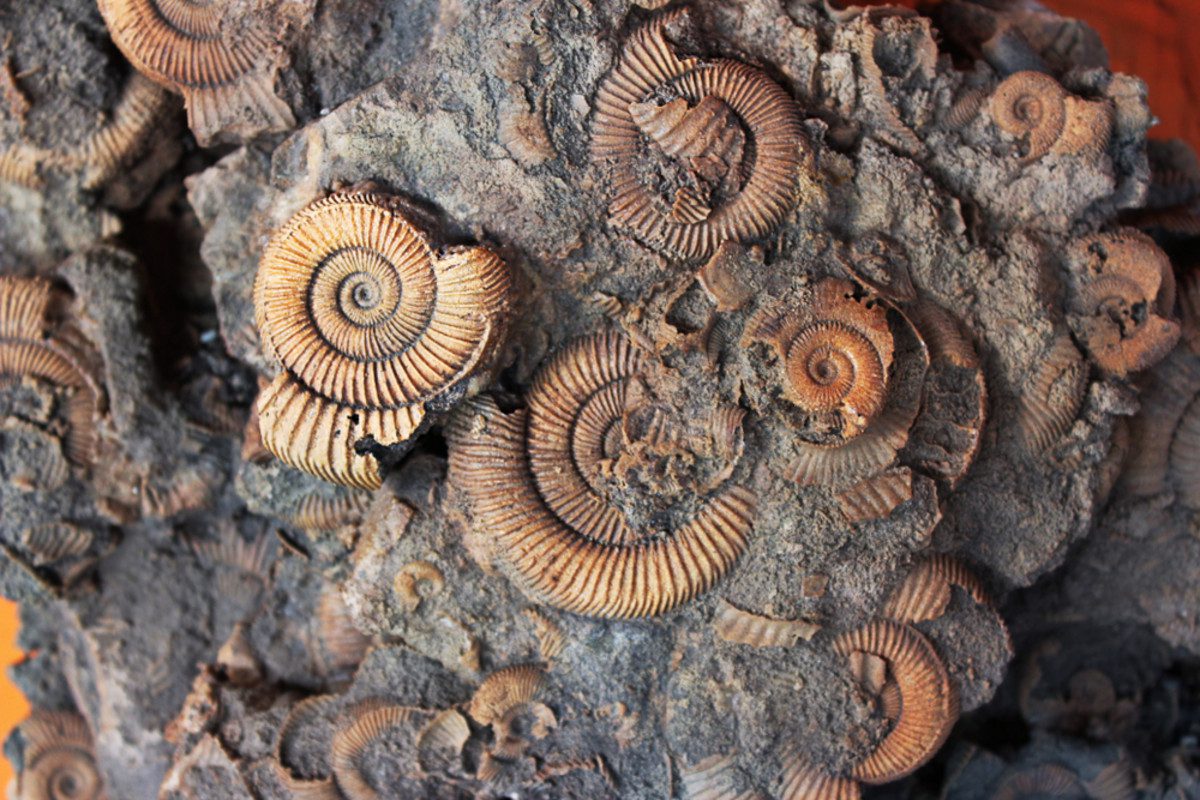
Fossil rocks can indeed be valuable, but their worth depends on several factors including rarity, size, quality, and preservation. If you possess a rare specimen that’s well-preserved, showing fine, intricate details, and minimal restoration, you’re likely holding a high-value piece. Larger, complete fossils generally fetch more in the market due to their impressive appearance and rarity. The value also increases if the fossil displays vibrant colors or unique characteristics linked to its geographic origin. Intrigued by the intricacies of fossil valuation? Discovering more could greatly enhance your understanding and appreciation of these ancient relics.
Factors Influencing Fossil Value
The value of fossils hinges on factors such as rarity, size, quality, and preservation state. When you assess a fossil’s worth, you’re not just looking at its age but also the condition it’s in.
Well-preserved specimens where delicate structures like skin, feathers, or even colors are retained fetch higher prices. The completeness of a fossil also drastically enhances its value; a fully articulated skeleton is far more desirable than fragmented remains.
Size plays a critical role too. Larger fossils, such as those of dinosaurs, often have a higher market value due to their impressive appearance and the sheer rarity of finding such complete large specimens. However, even smaller fossils can be extremely valuable if they represent a unique or scientifically significant species.
The quality of the fossil is paramount. High-quality fossils show fine details and have undergone minimal restoration. Excessive repair or modification can diminish a fossil’s worth, as authenticity is a key factor in its valuation.
You’ll find that the market demand fluctuates, influenced by scientific discoveries and prevailing trends, which can temporarily heighten interest and value in certain types of fossils. Thus, understanding the interplay of these elements is crucial when determining a fossil’s market worth.
Rarity and Its Impact
When evaluating fossil rocks, their rarity often directly correlates with their market value, reflecting their scarcity and unique characteristics. You’ve likely noticed how much a rare fossil can command on the market. This is because rarity not only suggests fewer examples are available but also that each specimen represents a unique snapshot of life millions of years ago. As collectors and museums vie to showcase these rare pieces, their willingness to pay premium prices increases significantly.
Here’s a quick look at factors that influence the financial value due to rarity:
| Factor | Description | Impact on Value |
|---|---|---|
| Scarcity | Fewer examples available | Increases value |
| Unique Characteristics | Distinct features not found in more common specimens | Increases value |
| Geographic Origin | Specimens from less-explored regions | Increases value |
This table highlights how rarity impacts value. For example, a fossil rock from a region that hasn’t been much explored might fetch a higher price due to its scarce nature. As a collector or investor, understanding these nuances can help you make informed decisions about which fossil rocks might represent a worthwhile addition to your collection or portfolio.
Size and Quality Considerations
As you assess fossil rocks, consider that size and quality are critical determinants of their market value. Larger specimens, such as a well-defined Trilobite Fossil, often fetch higher prices due to their visual impact and rarity. Size not only affects the aesthetic appeal but also the practicality of display and study, making larger fossils particularly sought after by institutions and collectors alike.
Quality, characterized by the level of detail and integrity of the fossil, significantly influences valuation. For instance, a fossil fish that retains fine, intricate details such as scales and fin rays exemplifies high quality and can command premium prices. These details are crucial for scientific study and enhance the specimen’s value as they contribute to a more accurate understanding of the species and its environment.
Collectors and scientists alike prize fossil rocks that not only display considerable size but also boast exceptional preservation. The market demand for such specimens can drive their worth substantially.
When you’re evaluating fossil rocks, remember that unique characteristics tied to both size and quality can greatly elevate their market value, making them highly desirable acquisitions in the competitive field of paleontological collectibles.
Preservation and Condition
In evaluating the monetary worth of fossil rocks, you’ll find that their preservation and condition play a pivotal, often decisive, role. When you consider purchasing a fossil, it’s crucial to assess how well it has been preserved. Fossils that showcase minimal damage or alteration from their original state tend to fetch higher prices in the market. This is because they provide a clearer window into the past, making them more valuable to both researchers and collectors.
A well-preserved fossil, displaying vibrant colors and distinct anatomical features, can command premium prices. Such specimens are rare, and their exceptional condition increases their monetary value significantly. When assessing a fossil, pay close attention to the level of detail visible. Fossils in pristine condition, with intricate details clearly preserved, are highly sought after.
They often require minimal restoration, which is a crucial factor for most collectors who prefer specimens that are as close to their natural state as possible.
Fossil Market Trends
Fossil market trends currently indicate a rising demand for unique and rare specimens, impacting prices and collector interest significantly. You’ll find that in the United States, this surge is particularly pronounced, where fossil specimens aren’t just collected for their aesthetic value but also for their scientific significance. As a collector, you must understand that the market dynamics are heavily influenced by factors such as rarity, quality, and the type of species these fossils represent.
The speculative nature of the fossil market means that you might encounter inflated prices for certain specimens. This volatility is due to the limited availability and the exceptional preservation of some fossils, which can attract a premium at auctions.
It’s crucial to stay informed about the current trends and to develop an eye for spotting specimens that not only hold great value now but are also likely to appreciate in the future.
Notable High-Value Fossils
In examining the notable high-value fossils, you’ll find that record-breaking auction sales often reflect both the rarity and the impeccable preservation of these specimens.
Celebrity-owned fossils further elevate market values, as their provenance adds a layer of prestige and public interest.
For instance, when a T-Rex skeleton named Sue fetched $8.36 million in 1997, it underscored the significant market demand for well-documented and exceptional paleontological finds.
Record-Breaking Auction Sales
Occasionally, fossil auctions capture global attention by setting record-breaking sales figures, such as Sue the T-Rex, which sold for $8.4 million. This iconic specimen, unearthed in 1990, dates back approximately 67 million years, providing invaluable insights into the late Cretaceous period. The sale not only set a benchmark for paleontological auctions but also highlighted the immense scientific value embedded in these ancient relics.
Similarly, the ‘Dueling Dinosaurs’ fossil, featuring a T-Rex and a Triceratops locked in mortal combat, fetched $6 million. This unique find offers a rare snapshot of predatory behavior and interspecies interaction from millions of years ago, making it a prized piece for both scientific study and private collectors.
In another notable auction, Trix the T-Rex, excavated in Montana, was sold for $6.65 million. The well-preserved skeleton provides critical data on the morphology and possible pathologies of the species, further enriching our understanding of these formidable predators.
The auction of the ‘Zhucheng Tyrannosaurus’ skeleton for $1.1 million and the controversial sale of the Tyrannosaurus bataar, ‘Tarbosaurus,’ for $1.05 million, underscore the ongoing demand for well-preserved specimens that can both educate and inspire. These sales not only reflect the monetary value of fossils but also their profound contributions to paleontological science.
Celebrity-Owned Specimens
Given the high profile of record-breaking fossil sales, it’s not surprising that celebrities like Nicolas Cage and Leonardo DiCaprio have joined the fray, acquiring rare fossils that further fuel the market’s dynamics. The allure of these celebrity-owned specimens not only captivates public interest but also significantly impacts the valuation of these high-value fossils.
Here are key examples of celebrity involvement in fossil collecting:
- Nicolas Cage: Outbid Leonardo DiCaprio for a Mongolian dinosaur skull at a Beverly Hills auction, which underscores the competitive nature of acquiring notable fossils among celebrities.
- Leonardo DiCaprio: Known for his passion for paleontology, DiCaprio has collected various significant fossils, influencing both market interest and scientific value perceptions.
- Russell Crowe: Auctioned his collection, including a dinosaur skull previously owned by DiCaprio, demonstrating the high resale value and collector interest in celebrity-associated fossils.
- Eric Clapton: His collection featured a 65-million-year-old fish skull sold for over $80,000, highlighting the broad spectrum of fossils that attract celebrity attention and investment.
These instances exemplify how celebrity acquisitions can shape the market dynamics, often driving prices upwards due to their provenance. As you consider investing in fossils, remember that celebrity-owned specimens can offer not just scientific but also substantial monetary value.
Collecting Fossils Ethically
To collect fossils ethically, you must adhere to legal regulations and demonstrate respect for both the environment and the scientific importance of the specimens. While some individuals are willing to pay hefty sums for unique or rare fossils, prioritizing their monetary value can undermine their scientific value. Responsible fossil collecting involves a commitment to enhancing scientific understanding, rather than merely profiting from these ancient treasures.
Responsible collectors always obtain necessary permits and follow strict guidelines when extracting fossils from both public and private lands. This ensures that the removal process doesn’t harm the surrounding ecosystem or the integrity of the fossil itself. By adhering to these legal frameworks, you contribute to the conservation of invaluable paleontological sites.
Moreover, ethical fossil collecting extends beyond legal compliance. Engaging with paleontologists and contributing findings to museums and academic institutions are crucial. Such collaborations can lead to significant scientific discoveries and help in preserving the fossils for future research and educational purposes. By fostering a culture of respect and cooperation, you ensure that fossil collecting remains a sustainable practice that enriches our understanding of Earth’s geological and biological history.