
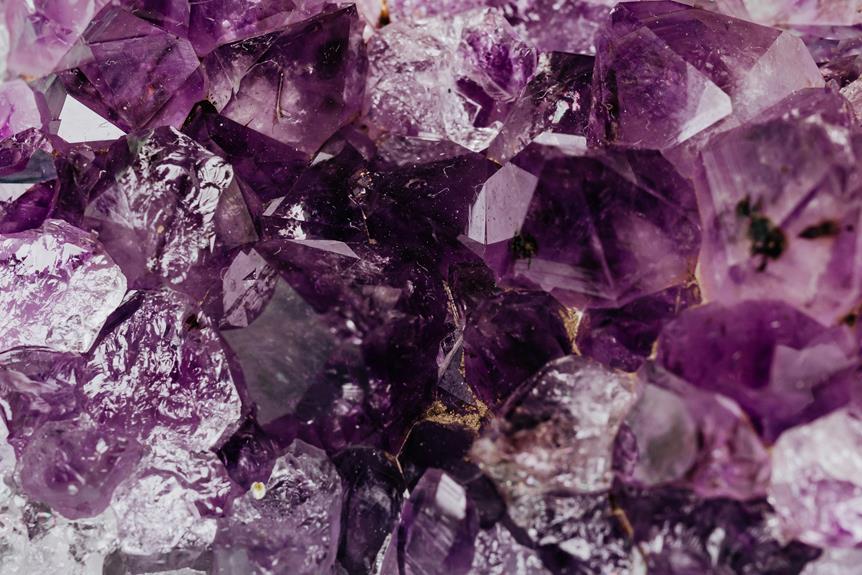
Quartz rocks can indeed hold significant value, depending on several factors like type, rarity, and aesthetic qualities. If you’re considering their worth, you’ll find that rare types like amethyst or citrine generally fetch higher prices. Quality plays a pivotal role; clarity, color intensity, and unique characteristics such as inclusions can dramatically enhance a specimen’s value. Larger stones also tend to be more valuable due to their rarity and the greater visual impact. Market value adjusts with these attributes in play, subtly shaped by supply and demand dynamics. Understanding these nuances offers a deeper appreciation of quartz’s potential worth in various contexts.
Understanding Quartz Value
Quartz rocks can vary significantly in value based on factors like type, size, quality, and rarity. When you’re diving into the world of quartz, it’s crucial to grasp the nuances of quartz value and market value. These terms aren’t just buzzwords; they’re pivotal in determining how much you’ll invest or earn from these minerals.
The market value of quartz can differ widely. Each variety, from clear common quartz to rare amethyst, has its own price tag. You’ll find that rare quartz types, due to their uniqueness and demand, often fetch higher prices. Understanding these distinctions is vital for any collector or investor.
You must also consider how external market dynamics influence quartz prices. For example, a surge in demand for a particular type of quartz in jewelry or technology can temporarily hike its market value. Conversely, an oversupply, even of rare quartz, might depress its price.
Keeping abreast of these market trends is indispensable. It’s not just about knowing what’s available; it’s about predicting future market behaviors. Being informed helps you make savvy decisions, whether you’re buying for your collection or investing for profit. By staying informed, you’re better equipped to navigate the sometimes volatile quartz market.
Factors Influencing Price
Several factors significantly impact the price of quartz rocks, including clarity, color, size, and condition. Beyond these, the rarity and origin of a quartz specimen are crucial. Rare quartz, found only in specific locations, often carries a premium due to its limited availability. If you’re considering a purchase, check where the quartz was mined. Specimens from renowned deposits often command higher prices due to their documented quality and uniqueness.
Market demand also shapes the value. Popular trends can drive up prices temporarily. For instance, when interior design trends favor natural elements, the demand for larger, aesthetically appealing quartz pieces might spike, inflating their price.
Furthermore, unique features such as special inclusions or peculiar crystal formations can elevate a quartz rock’s worth. Collectors and enthusiasts often seek out these unique characteristics, which means they’re willing to pay more for such distinctiveness. Understanding these aspects of quartz can help you better assess its value in the market.
Always consider these factors in combination. A large, color-rich, and flawless quartz from a coveted location with unique features will likely be the most valuable. Keep an eye on market trends and collector interests to make informed buying or selling decisions.
Clarity and Its Impact
You’ll find that the clarity of quartz rocks, defined by their transparency and internal inclusions, plays a pivotal role in determining their market value. When assessing quartz, the clarity levels are scrutinized for any imperfections that may detract from its overall appeal. High clarity in quartz indicates minimal to no visible flaws and a pristine transparency that enhances light reflection, making these specimens highly desirable and more valuable.
Inclusions, on the other hand, present a fascinating aspect of quartz clarity. While generally, increased cloudiness and visible imperfections can reduce a rock’s value, certain inclusions like rainbows or phantoms are exceptions. These can actually increase the quartz’s worth by adding a unique aesthetic. Collectors often seek out these peculiarities for their distinctive characteristics.
The technical process of evaluating quartz involves a detailed examination of both its internal and external characteristics. Any signs of cloudiness or flaws are noted as these can significantly impact the perceived purity and quality of the rock. It’s crucial to consider how these factors interact, as a quartz rock with perfect transparency but significant inclusions might still be highly valued for its uniqueness, balancing the scales in terms of market pricing.
The Role of Color
The color of quartz significantly influences its market value, with rare hues like deep purple or vivid red typically commanding higher prices. As you delve deeper into the realm of quartz, you’ll find that these rare varieties aren’t just visually appealing but are also markers of scarcity that drive up their worth.
For instance, amethyst, known for its rich purple shade, is highly prized among collectors and jewelry makers alike. Color variations in quartz, such as the yellow hue of citrine, also play a pivotal role in determining the gemstone’s appeal and, consequently, its market price.
The intensity and saturation of these colors are crucial; a deeply saturated amethyst is far more valuable than one with a lighter, less vivid coloration. This is because deeper and more intense colors in quartz are often rarer and considered more desirable.
Furthermore, unusual or unique color combinations can elevate the value of quartz rocks significantly. When you encounter a quartz specimen exhibiting an extraordinary mix of colors, it’s not just a visual treat—its uniqueness makes it a coveted piece in collections and can fetch a premium in the market.
Understanding these aspects of color in quartz can aid you in recognizing and appreciating their true value in the market.

Rarity and Quartz Worth
As you explore the concept of quartz rarity, it’s essential to understand that quartz value often hinges on its scarcity and unique characteristics.
When assessing quartz rocks, factors such as the prevalence of specific colors or formations play a critical role in determining their market worth.
Thus, recognizing the levels of rarity within quartz types can provide key insights into their potential value.
Quartz Rarity Levels
Why does the rarity of quartz significantly influence its market value? Well, as you delve into the gemstone market, you’ll find that rarity levels and scarcity are key factors that dictate the worth of quartz varieties. Rare types of quartz, such as Dumortierite quartz, aren’t as abundant as their common counterparts. This scarcity means they’re often highly sought after by collectors and gem enthusiasts, which drives up their prices.
Common quartz types, though still appealing, don’t share the same level of scarcity and thus generally fetch lower prices in the market. The rarity of a quartz specimen is pivotal in understanding its value. It’s not just about the beauty or the size, but how seldom the quartz type is found in nature.
For instance, the limited availability of certain colors or patterns in quartz can elevate their status to that of a collector’s item, thereby increasing their monetary worth.
Understanding these rarity levels involves recognizing the various factors that contribute to a quartz’s scarcity. It’s this scarcity, shaped by unique geological formations and limited distributions, that enhances the value of rarer quartz types in the eyes of collectors and traders alike.
Determining Quartz Value
How do you determine the value of a quartz rock when factors like rarity, color, and clarity play pivotal roles? Understanding the value of quartz begins with analyzing these essential characteristics.
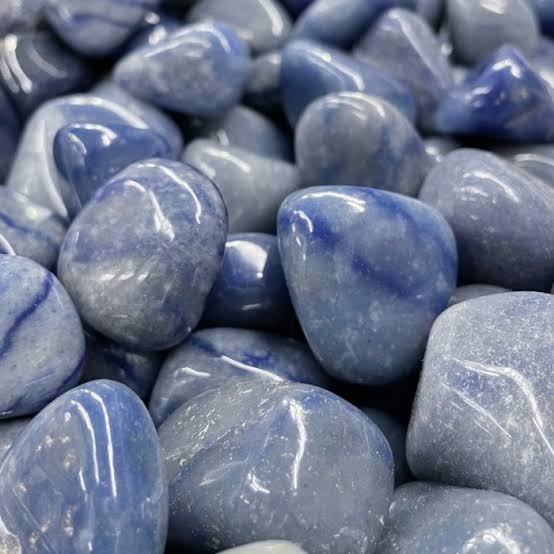
Rarity, for instance, significantly enhances a specimen’s worth. The less common the quartz type, such as the vibrantly colored ametrine or the elusive blue quartz, the higher the price it can fetch. You’ll need to research market demand, which fluctuates based on collector interest and current trends in gemstone and mineral use.
Color and clarity also critically influence quartz’s value. Clear, flawless quartz crystals are highly sought after, often used in jewelry and ornamental designs, thereby increasing their market value. Conversely, common clouded or included quartz may attract lower prices unless they possess unique features that pique collector interest.
When determining the value, don’t overlook factors like size and provenance. Larger pieces generally command higher prices, especially if they maintain exceptional clarity and color. Similarly, quartz from renowned origins or historical sites can attract a premium due to their unique backstory.
Staying informed about these aspects and regularly consulting updated pricing resources are crucial for accurately determining the value of quartz rocks. These strategies ensure you’re well-equipped to assess their worth effectively.
Quartz Size Considerations
Quartz size significantly influences its market value, with larger specimens typically commanding higher prices. When you’re evaluating quartz, consider how size considerations play a crucial role. Larger quartz rocks not only offer more material but also require more labor in extraction, handling, and possibly shaping, which adds to their cost. This is why you’ll find that prices for quartz increase substantially as the size of the specimens grows.
In the market, collectors are often willing to pay a premium for larger, visually appealing pieces. These larger specimens can serve as centerpiece displays or be used in substantial artistic installations, enhancing their appeal and perceived value. It’s essential to note that size not only affects the aesthetic and practical uses of quartz but also its rarity. Large, flawless pieces are less common than smaller ones, making them more desirable to collectors and enthusiasts.
As you assess quartz rocks, remember that their valuation isn’t only about weight but also about the presence of visually striking features that large sizes can better accommodate. This includes clarity, color, and the intricacies of their natural formations. Larger pieces often exhibit unique characteristics that smaller pieces simply cannot, making them a focal point for both collectors and decorators alike.
Geographic Origin Effects
You’ll find that the value of quartz rocks can vary significantly based on their geographic origin. Regions renowned for high-quality quartz, such as Brazil’s Minas Gerais or Arkansas in the USA, often command higher prices due to their established reputation.
These differences reflect not only the rarity and quality of the quartz but also the historical and cultural prestige associated with these famous locations.
Regional Value Variations
The value of quartz rocks often varies significantly based on their geographic origin, reflecting differences in local geological formations and mining conditions. When you’re evaluating quartz, consider how these regional value variations can affect their market worth. For instance, quartz from areas with rare geological features may be more valuable due to unique colors or crystal formations. It’s crucial to understand that the desirability and consequently the price of these rocks can be heavily influenced by their origin.
Here’s a breakdown of how geographic origin impacts the value of quartz:
| Region | Characteristics | Market Impact |
|---|---|---|
| Region A | Rich in unique colors | Highly sought-after |
| Region B | Common, abundant supply | Lower market value |
| Region C | Rare crystal formations | Premium pricing |
| Region D | Difficult mining conditions | Scarce, higher prices |
| Region E | Renowned mining location | Commands top prices |
As you delve deeper into collecting or trading quartz, keep in mind these regional value variations. They’re not just about the aesthetics or the physical features; they’re about understanding the intricate balance between supply, demand, and uniqueness brought by geographic origin. Always consider where your quartz comes from, as it can significantly sway its valuation and appeal in the collector’s market.
Famous Quartz Locations
Consider how locations renowned for their quartz, such as Arkansas, Brazil, and Madagascar, may significantly enhance the value due to the unique qualities attributed to their geographic origins. The geographic origin of quartz not only influences its market value but also the very characteristics that make each piece unique.
For instance, the clarity and vibrancy of color seen in Brazilian quartz are often superior, making them highly sought after in the market. Likewise, Arkansas is famed for its clear, high-quality quartz crystals, which are prized for both their size and purity.
The rarity and the specific mineral inclusions unique to each region also play a crucial role in determining the worth of quartz. Madagascar’s quartz, for example, often contains rare inclusions which can attract collectors looking for unique specimens, thereby driving up its market value. Additionally, the geological history attached to these locations contributes to the appeal, as collectors often value quartz more highly when it has a storied provenance.
Understanding the impact of geographic origin on the market value of quartz can help you appreciate why some rocks might fetch higher prices than others. This insight is essential when evaluating their worth, whether for personal collection or investment purposes.
Market Trends Analysis
Analyzing market trends is crucial to understanding the current demand and setting accurate prices for quartz rocks. By engaging in market trends analysis, you’re delving into the supply and demand dynamics that significantly influence quartz’s valuation. It’s vital to monitor how these factors shift over time to anticipate where the market is headed.
You must consider the intricacies of supply. Is there an abundance or scarcity of quartz from key locations? This supply level directly impacts availability and price.
On the demand side, you need to gauge consumer interest. Are people increasingly using quartz for particular applications or aesthetic reasons? Such trends in consumer preferences can drive up demand and, consequently, the price.
Additionally, keep an eye on pricing trends. Historical data on price fluctuations can offer you a predictive edge. By analyzing past market behavior, you can forecast potential future increases or decreases in quartz prices. This ensures you’re neither underselling due to outdated pricing models nor overpricing, which could alienate potential buyers.
Lastly, always factor in the quality and rarity of the quartz specimens you’re dealing with. High-quality, rare pieces are typically valued higher and can affect market dynamics significantly.
This level of detailed market analysis supports strategic decisions whether you’re buying, selling, or simply assessing your collection’s value.
Quartz in Jewelry Design
In jewelry design, you’ll find quartz highly valued not just for its aesthetic appeal but also for its structural benefits.
Its color varieties — from deep purples of amethyst to the warm yellows of citrine — provide designers with a broad palette to enhance their creations.
Additionally, the durability of quartz makes it ideal for everyday wear, ensuring that your pieces aren’t only beautiful but also long-lasting.
Quartz Color Varieties
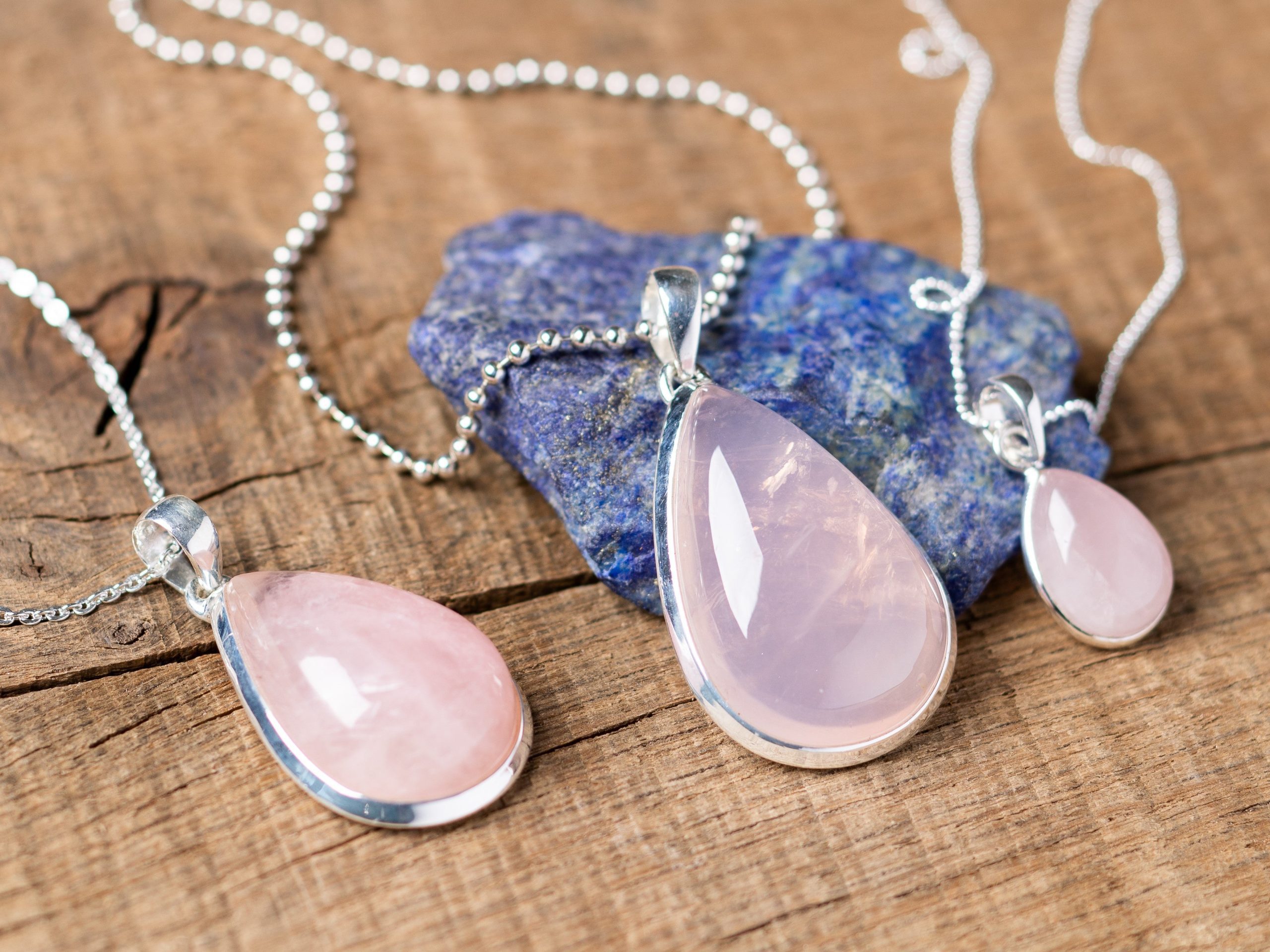
Quartz’s diverse color palette, including shades like purple, pink, and blue, makes it a preferred material in jewelry design. Particularly, rose quartz with its soft pink hue and smoky quartz featuring its translucent brown to black shades are highly valued. These variants showcase not just natural beauty but also a depth of character that enhances their appeal in various jewelry forms, from earrings to statement necklaces.
The availability of quartz in multiple colors like amethyst’s vibrant purples and citrine’s warm yellows allows for creative flexibility. This versatility is crucial in crafting pieces that resonate on both emotional and aesthetic levels with potential buyers. You’ll find that treatments such as heat to intensify color or irradiation to achieve specific hues, are often applied to these gemstones. These processes are essential in meeting consumer demands for vibrant and unique jewelry options.
Moreover, the synthetic growth of quartz presents an even broader spectrum of colors, providing designers with consistent quality and hue that might be rare in natural stones. This method ensures that even the most avant-garde designs are achievable, pushing the boundaries of traditional jewelry making.
Thus, the technical advancements in color enhancement and synthesis are pivotal in elevating quartz’s status in the jewelry industry.
Durability in Accessories
You’ll find that the durability of quartz makes it an ideal choice for jewelry, as its resistance to scratching and ability to maintain integrity under daily wear adds immense value to each piece. Quartz’s impressive hardness allows for a variety of intricate cuts and designs, which not only elevates the aesthetic appeal but also ensures the longevity of quartz jewelry. This characteristic makes it especially suitable for everyday accessories that withstand frequent handling without losing their luster.
Quartz jewelry, when set in high-quality metals, retains its beauty and structural integrity, ensuring that your investment not only lasts but also remains stylish over the years. This durability factor is critical when you’re deciding on pieces that you’ll wear regularly.
Here’s a quick glance at why quartz stands out in jewelry design:
| Feature | Benefit |
|---|---|
| Hardness | Resists scratches, suitable for intricate cuts |
| Aesthetic Versatility | Fits various styles from delicate to bold |
| Longevity | Maintains integrity and value over time |
Understanding these aspects, you can see why quartz jewelry isn’t just a purchase but a smart investment in your wardrobe. Its robustness paired with its aesthetic flexibility makes quartz an unmatchable choice for both new enthusiasts and seasoned collectors alike.
Metaphysical Properties
Quartz rocks possess metaphysical properties that make them highly valued for their ability to cleanse, heal, and balance energies. You’ll find that the diverse range of quartz varieties each brings a unique set of benefits to the table, enhancing their appeal in metaphysical practices.
Here’s a detailed breakdown of how these properties manifest across different quartz types:
- Clear Quartz: Known as the ‘master healer,’ clear quartz amplifies energy and thought, promoting clarity of the mind. It’s often used to cleanse and enhance the properties of other crystals.
- Amethyst: This purple quartz variety is highly esteemed for its powers to stimulate and soothe the mind and emotions. It aids in purifying the aura of any negative energy and is linked with enhancing spiritual awareness.
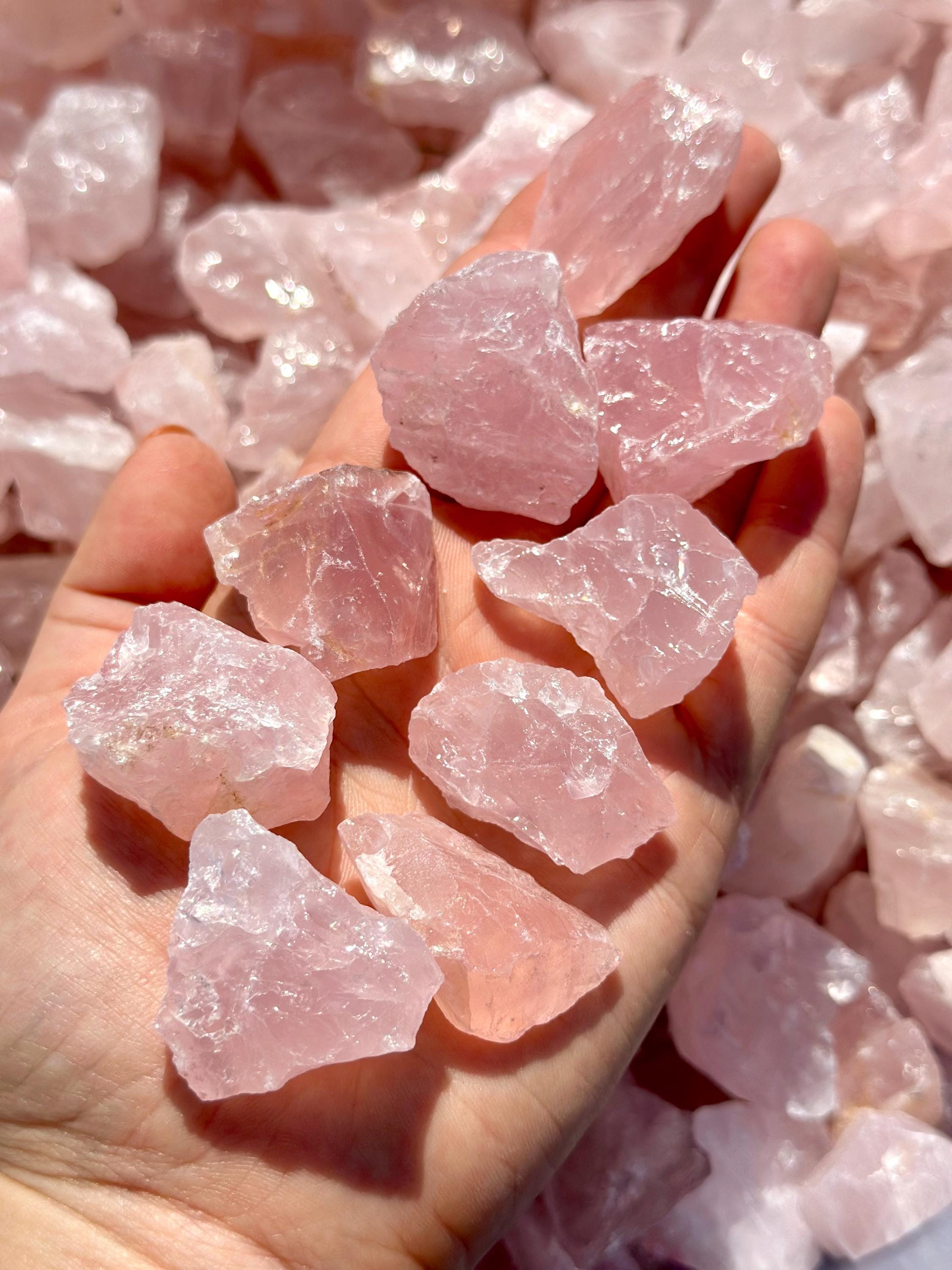
- Rose Quartz: Celebrated as the stone of love, rose quartz supports emotional and relationship healing, fostering love, trust, and harmony.
- Smoky Quartz: Effective in grounding and detoxifying, smoky quartz provides protection from various forms of negative energy while helping to lift depression and fatigue.
Each of these quartz varieties contributes to their overall worth, not just in physical form but in the metaphysical benefits they offer. As you explore quartz, consider how its energetic qualities can align with your personal needs.
Collector’s Guide to Quartz
As you explore the realm of quartz collecting, you’ll find that the variety and quality of quartz significantly influence their market value.
Careful maintenance of your quartz specimens is crucial to preserve their aesthetic and monetary worth.
Identifying high-quality quartz involves assessing factors such as clarity, color saturation, and the presence of unique inclusions or crystal formations.
Quartz Varieties and Value
Many collectors highly value certain varieties of quartz rocks, such as amethyst, citrine, and rose quartz, due to their unique characteristics and market demand. The price per carat can vary significantly based on several factors that you need to consider when evaluating these stones.
Here are some specific aspects to analyze:
- Color: The intensity and hue of a quartz variety play a pivotal role in its valuation. For instance, a deep purple amethyst is usually more valuable than a lighter shade. Similarly, the golden yellow hue of citrine can fetch higher prices if it’s vivid and evenly distributed.
- Clarity: Like many gemstones, the fewer inclusions or defects within the quartz, the higher its value. Clear, flawless quartz specimens are prized in the market and can command premium prices.
- Rarity: Some quartz varieties are more scarce than others, influencing their market value. For example, the prized smoky quartz from specific localities can be worth more due to its rarity.
- Treatment: Awareness of any treatments, such as heat to enhance color or irradiation to alter hues, is crucial. Treated stones usually have a lower value compared to naturally vibrant, untreated specimens.
Understanding these elements helps in accurately judging the worth of quartz varieties in the competitive collectors’ market.
Care for Quartz Specimens
To ensure the longevity and aesthetic appeal of your quartz specimens, it’s essential to follow specific maintenance practices. Proper care for quartz specimens begins with understanding their sensitivity to environmental factors. For instance, prolonged exposure to direct sunlight can significantly fade the vibrant colors of your specimens, detracting from their natural beauty. Therefore, it’s wise to position them away from windows or areas receiving direct sun.
Additionally, quartz crystals require a dry environment to prevent moisture-related damage such as cloudiness or cracks. Storing them in a humidity-controlled cabinet or case can help maintain their pristine condition.
When it comes to cleaning, always opt for a soft brush or a microfiber cloth. This method ensures that you remove dust without inflicting scratches on the crystal surfaces. Harsh chemicals or abrasive cleaning agents are strictly off-limits as they can easily erode the quartz’s exterior.
Handling your quartz specimens also demands care. Always lift and transport these pieces gently to avoid accidental drops, which can lead to chips or fractures. Securing them in a display case not only showcases their beauty but also provides a barrier against dust and potential impacts.
Identifying High-Quality Quartz
When evaluating quartz quality, focus on characteristics like clarity, color, and crystal formation, which are crucial for determining its value. High-quality quartz not only enhances your collection’s aesthetics but can also significantly increase its monetary worth, especially when the specimens exhibit exceptional attributes.
Here are some key features to identify high-quality quartz:
- Clarity: Look for quartz that’s transparent or translucent with minimal inclusions. The clearer the crystal, the more valuable it tends to be, as clarity can greatly affect a quartz’s luminous quality and overall appeal.
- Color: Vibrant colors add to the rarity and desirability of quartz. Highly sought varieties include deep purple amethyst, golden citrine, and pink rose quartz. The richness and uniformity of the color are important indicators of quality.
- Crystal Formation: Well-formed crystals with sharp, distinct terminations are a sign of high quality. Unique formations such as scepters, phantoms, or rare varieties like Dumortierite quartz often fetch higher prices due to their uniqueness and aesthetic appeal.
- Size and Condition: Larger crystals without visible flaws or damage are generally more prized. Check for chips, fractures, or any signs of repair, as these factors can diminish a quartz’s value.
Pricing by Measurement
Quartz rocks are commonly priced by weight, typically ranging from $5 to several thousand dollars based on size and quality. When you’re evaluating quartz, understanding how size and weight translate into value is essential. Larger specimens, especially those with rare characteristics or exceptional clarity, can fetch significantly higher prices. It’s not just about the overall mass; the dimensions of the quartz can alter its price per unit of weight, making some smaller, more perfect pieces more valuable than larger, flawed ones.
Here’s a brief overview of how sizes might typically correspond to value, though actual prices can fluctuate based on additional factors like color and clarity:
| Size (grams) | Approx. Value (USD) |
|---|---|
| 10 – 50 | $5 – $50 |
| 51 – 100 | $51 – $300 |
| 101+ | $301 – $2000+ |
Buying Quality Quartz
Evaluating the quality and potential value of quartz rocks requires a keen understanding of market trends and rarity factors. When you’re looking to buy quality quartz, it’s essential to be well-informed and selective to ensure you’re getting the best value for your money.
Here are some key points to consider:
- Type of Quartz: Different varieties of quartz, such as amethyst, citrine, or smoky quartz, can command higher prices due to their unique attributes and appeal. Knowing which types are most valued in the current market can guide your purchasing decisions.
- Size and Quality: Larger and more pristine quartz crystals generally fetch higher prices. Look for clarity, color intensity, and the absence of cracks or chips which enhance the specimen’s aesthetic and market value.
- Rarity and Origin: Rare quartz varieties or those from coveted locations can significantly increase in value. The more scarce the item, the more you’ll likely pay, but such pieces can also be a worthwhile investment.
- Market Dynamics: Stay updated on quartz pricing trends and collector interests. Markets can fluctuate, so understanding these changes helps you buy wisely and at the right time.
Identifying Authentic Quartz
After understanding what to look for in quality quartz, you’ll also need to verify its authenticity using specific characteristics. The key feature to consider is the hardness of the mineral. Authentic quartz ranks 7 on the Mohs scale, which means it won’t scratch easily. This resistance to abrasion is a reliable indicator when you’re evaluating a specimen.
To test this, you can try scratching the surface with a substance of known lower hardness, like a steel nail, which ranks around 4.5. If the nail leaves no mark, you’re likely dealing with genuine quartz. However, if it does scratch, this might indicate a different or altered material.
Another indicator of authentic quartz is the presence of natural imperfections. Look for inclusions, veils, or color zoning within the stone. These features are typically absent in synthetic counterparts. Moreover, genuine quartz will display a consistent color distribution that’s uniform throughout the piece, which is a subtle yet decisive detail you shouldn’t overlook.
If you’re still unsure about the authenticity of your quartz, don’t hesitate to seek professional gemological testing. This step can provide definitive proof of the mineral’s identity, ensuring you’re handling authentic quartz.
Where to Buy Quartz
You can find quartz rocks for sale at a variety of venues, including gem and mineral shows, online retailers, and specialty crystal, ensuring you have multiple options to explore. Each venue offers its unique advantages, from the wide selection at shows to the convenience of browsing online.
Here’s a detailed guide on where to buy quartz:
- Gem and Mineral Shows: These shows assemble numerous vendors that offer an extensive range of quartz rocks. It’s an opportunity to see the minerals up close, compare different specimens, and sometimes haggle on prices. Check for local and national schedules to plan your visit.
- Online Retailers and Marketplaces: Websites like eBay, Etsy, and specialized crystal sites provide a vast inventory. You can filter your search by size, price, or type of quartz. Ensure to check seller reviews and return policies before purchasing.
- Rock Shops and Specialty Crystal Stores: These shops typically provide a curated selection of high-quality quartz rocks. Staff can offer valuable insights on the origins and properties of the quartz you’re interested in.
- Local Rock and Mineral Clubs: Joining a club can grant you access to field trips and exclusive gatherings where quartz rocks are collected firsthand or purchased from fellow enthusiasts.