

To keep your plants cozy during winter, I recommend starting with insulating techniques. You can wrap pots in bubble wrap or burlap and fill gaps between double-potted plants with organic materials, like old leaves. Employing heating mats or small space heaters can provide a stable temperature, just make sure they’re not too close to your plants. Cover plants with blankets or burlap overnight to trap heat; just remember to remove them daily for sunlight. Additionally, position your plants in locations shielded from harsh winds and maximize sun exposure with south-facing arrangements. Exploring these strategies further may uncover even more helpful tips.
1. Utilizing Insulation Techniques

As winter approaches, the challenge of keeping your plants warm intensifies. Insulating plant pots is crucial in protecting roots and retaining heat.
One effective method is placing a smaller pot within a larger one, filling the gap with insulating organic materials like old leaves or newspaper. Additionally, wrapping pots in materials such as bubble wrap or burlap can shield them from cold temperatures.
Don’t overlook the benefits of using mulch, such as straw or sawdust, around the base of your plants to insulate against cold soil. Elevating plant pots off cold surfaces helps prevent temperature shock.
Using reflective materials like aluminum foil can also enhance heat retention, ensuring your green friends stay cozy through the chilly months.
2. Implementing Heating Devices
While insulation techniques are effective for protecting plants from the cold, employing heating devices offers additional security by providing a consistent source of warmth. Heated mats, for instance, can be placed under potted plants to ensure plant roots receive consistent warmth, which is crucial during temperature drops.
For a broader application, consider ceramic or oil-filled space heaters. These maintain stable temperatures without the risk of direct heat exposure that could harm your plants.
Additionally, using programmable thermostats with these heating devices helps monitor room temperatures, ensuring they don’t exceed 75°F (23°C)—an optimal environment for most indoor plants.
For sensitive plants, small tube heaters in grow tents can offer localized warmth, significantly enhancing their survival and growth during the winter months.

3. Covering and Protecting Plants
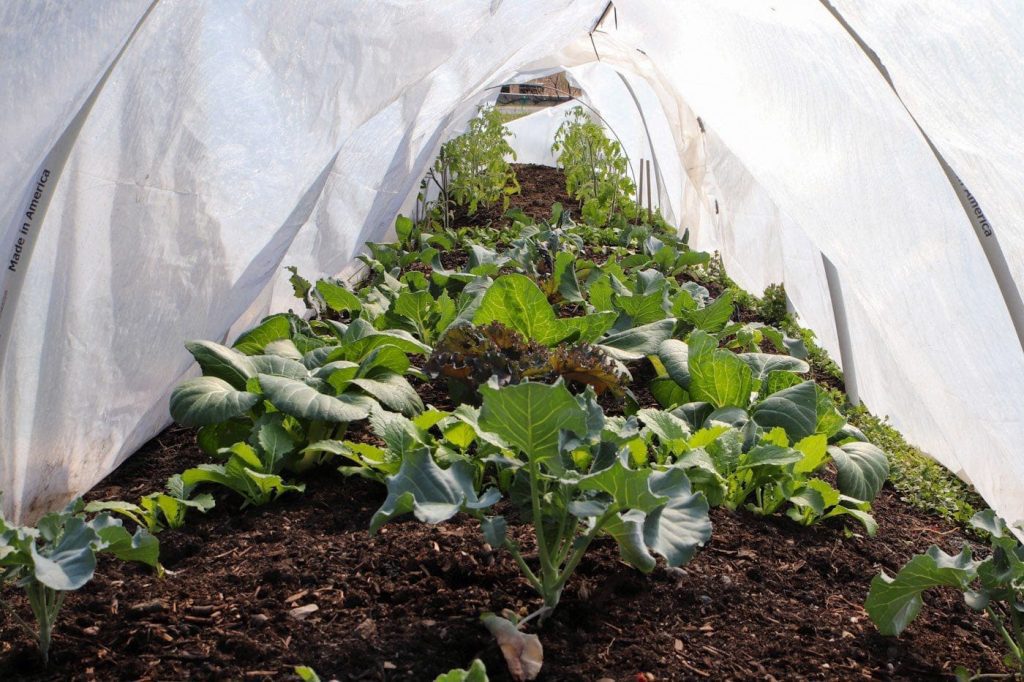
Covering plants with materials like old sheets, blankets, or burlap at night effectively traps heat and shields them from frost.
During the day, I make sure to remove these coverings to allow sunlight in. For smaller plants, I create a mini greenhouse using cloches made from clear plastic containers. This method not only retains warmth but also protects from cold drafts.
I also spread mulch like dried leaves around plant bases to insulate the soil and maintain temperatures, which helps prevent root damage.
Additionally, wrapping the trunks of young trees with burlap or specialized tree wrap provides crucial frost protection and prevents bark damage.
For sensitive plants, I construct windbreaks using burlap on stakes to shield them from harsh winds.
4. Adjusting Watering and Humidity
Many plants enter a dormant state during the colder months, necessitating a significant reduction in watering to just one-third of their usual needs.
When you’re managing indoor plants, it’s critical to adjust not just watering, but also humidity levels. Aim for 50-60% humidity to promote optimal growth.
Use warm tap water; it’s not just about hydration—it also helps maintain soil warmth, crucial for root health in cold temperatures.
Grouping your plants can be beneficial too. This arrangement enhances the microenvironment around them through increased transpiration, naturally boosting moisture levels.
Always check the soil’s moisture before watering, especially when temperatures are above 40°F, to prevent overwatering and ensure your plants’ root systems stay healthy.
5. Selecting and Preparing Locations
Before selecting a location for your plants this winter, consider areas that are naturally sheltered from harsh winds and frost.
These sheltered locations not only enhance plant survival but also modulate the microclimate to favor warmth retention. Positioning your tender plants near south-facing walls can be particularly beneficial, as these areas receive ample sun exposure, providing essential warmth during cold days.
Additionally, ensure that your selected site offers good drainage. Waterlogged soil can freeze, causing root damage.
Lastly, consider grouping plants together. This strategy creates an insulated environment, consolidating heat and humidity among the plants.