
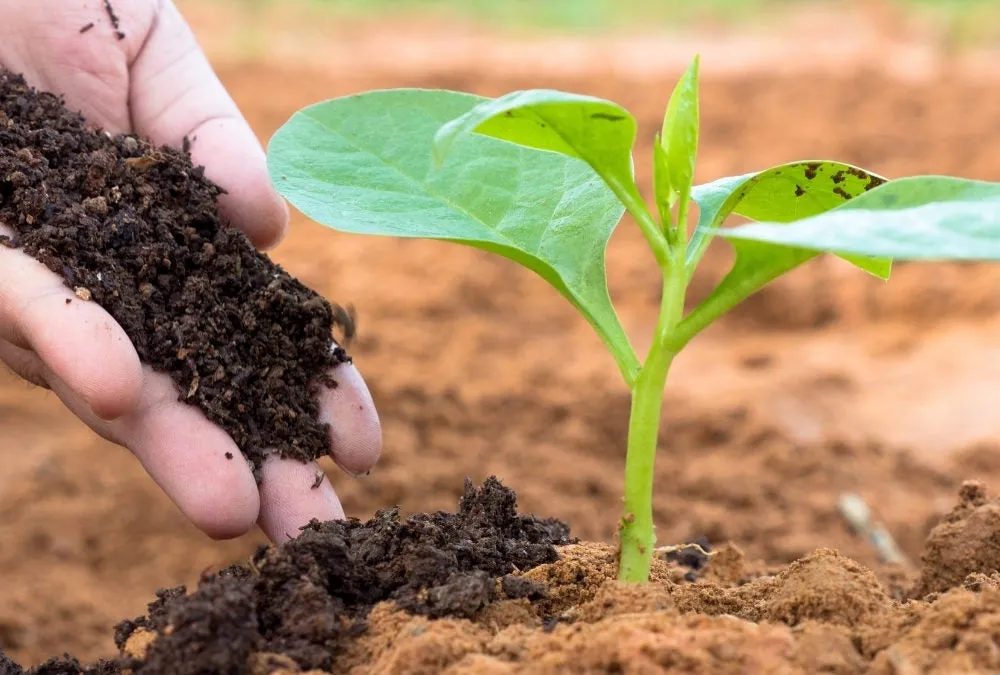
If you have a green thumb and strive for strong, vibrant plants, the secret might lie beneath the surface. The key is in your soil’s pH level – specifically, how soil acidifiers can help create a healthier environment for your plants to thrive. Let’s dive into this intriguing topic that not many people know about.
Going Into Depth
The role of Soil Acidifiers
Soil acidifiers, as their name suggests, work by reducing the pH level of your soil; making it more acidic. This isn’t just chemistry trivia – certain types of plants actually prefer acidic environments! From azaleas to blueberries, these acid-lovers will reward your careful pH management with lush growth and plentiful harvests.
There are plenty of natural options available when seeking a suitable acidifier for your garden soil:
- Sulfur: It’s slow-acting but highly effective.
- Iron sulfate: Works faster than sulfur, causing an immediate drop in pH levels.
- Organic materials such as pine needles or coffee grounds: These gradually lower the pH while adding beneficial organic matter to the soil.
Maintaining Healthy Soil through Proper Use
However enticing it may be to immediately douse our gardens with generous amounts of soil acidifiers, patience and strategy are key elements for success here. Always refer to product guidelines and usage instructions before applying any additives – remember that too much acidity can harm certain plant species or even make nutrients inaccessible within the substrate.
Test small sections first before treating larger areas so you can fine-tune application rates based on real-world results rather than relying on rough estimates alone. By respecting nature’s balance with thoughtful use of soil acidifiers, we can help our gardens grow healthier, and our plants to thrive.
So, Soil Acidifiers: A Key to Healthy, Thriving Plants
Soil Acidifiers: A Key to Healthy, Thriving Plants
Soil acidifiers are essential tools for maintaining healthy and thriving plants. They work by lowering the pH level of soil, making it more acidic. This is important because different types of plants require different levels of acidity in their soil to properly absorb nutrients and thrive.
When the pH level of soil becomes too high (or alkaline), certain nutrients become less available to plants, leading to stunted growth and poor health. By using a soil acidifier, gardeners can adjust the pH level to meet the specific needs of their plants.
Aside from nutrient availability, proper soil acidity also affects other important factors such as microbial activity and water retention. A balanced pH level promotes beneficial microorganisms that aid in breaking down organic matter and releasing vital nutrients for plant uptake. It also helps regulate water movement within the soil, ensuring that roots have access to necessary moisture without becoming waterlogged.
Furthermore, some plants naturally prefer more acidic environments, while others may struggle in overly acidic soils. By regularly testing and adjusting the pH with an acidifier, gardeners can create optimal growing conditions for all types of plants in their gardens.
In addition to promoting healthy plant growth, using a soil acidifier can also prevent common issues such as yellowing leaves or wilting due to nutrient deficiencies caused by imbalanced pH levels.
Overall, incorporating a quality soil acidifier into your gardening routine is crucial for maintaining vibrant and bountiful plant life. With its ability to finely tune the acidity levels of your soil, this key tool will help you achieve beautiful results year after year.
Choosing the Right Soil Acidifier for Your Garden
Choosing the Right Soil Acidifier for Your Garden
There’s a world beneath our feet that we rarely think about. It’s no secret, plants like a balanced environment to flourish with grace and vigor. Sometimes, however, the soil in your garden can be too alkaline or ‘sweet’, making it difficult for certain plants to thrive. This is where soil acidifiers come into play – they help turn the tables by decreasing the pH level of your earthy haven.
First off, determining whether you require a soil acidifier is key before picking one out from among all those available on market shelves.
Soil testing kits are readily available at any well-stocked garden center or online store. These kits measure the pH scale of your garden soil – if it leans towards being more alkaline (over 7), then an acidifying agent could prove beneficial.
- Gypsum,
- Sphagnum Peat,
- Elemental sulfur,
for example,
are popular choices people consider when looking for good-quality products.
Once you have identified that your backyard patch indeed calls for aid, remember: not every plant loves acidic conditions! Therefore picking an appropriate product, suited to both your plant types and localized conditions becomes important. Aluminum sulfate works quickly but needs caution handling due to potential aluminum toxicity while organic alternatives like composted leaves provide slow and steady results with added benefits like improved structure and fertility of overall soil health.
Indeed there’s more than what meets eye in gardening; don’t worry though, Mother Nature herself offers many wonderful guides along this green journey…if only we learn how listen!
Creating a Balance: When and How to Use Soil Acidifiers
The natural richness of a garden’s soil is like the secret sauce in your grandma’s famous spaghetti. It brings color, life and magic to your plants – but just like that secret sauce, too much or too little of one ingredient can spoil the whole thing. Let’s take pH balance for instance: if it sways too far in any direction, your soil might need some help from an acidifier.
When Should You Use Soil Acidifiers?
If you notice stunted plant growth, yellowing leaves or poor fruit production in your garden despite regular care and watering, then maybe it’s time to inspect your soil’s acidity levels. Certain plants (like blueberries and azaleas) thrive best on acidic soils. If their home is more chalky than tangy, they will struggle to grow – this is when a soil acidifier can come to the rescue!
How should you use Soil Acidifiers?
- Test first: Before adding anything into your garden mix, make sure you test the pH level of the soil – there are easy-to-use kits available at most gardening centers.
- Add slowly: Don’t rush things by dumping a whole bag at once! Add small amounts gradually while monitoring changes in plant health and growth.
- Maintain balance: Remember not all plants prefer acidic environments; overdoing it could harm other vegetation.
Just remember that using a soil acidifier isn’t about radically transforming your earth into something else – rather think of it as tweaking its recipe so all ingredients harmonize perfectly together. Just like Granny would do with her beloved spaghetti!
Read also: Soil Moisture Detectors: Essential Tools for Healthy Plants
Understanding Plant Preferences: Which Plants Benefit Most from Acidic Soil
When it comes to plant preferences, acidity of the soil can play a crucial role in determining which plants will thrive and which may struggle. Certain plants have adapted over time to prefer acidic soil, while others may wilt and wither in such conditions. Let’s take a closer look at some plants that benefit most from acidic soil:
**Plants that Thrive in Acidic Soil:**
– Rhododendrons: These colorful flowering shrubs are well-known for their love of acidic soil.
– Blueberries: This sweet and tart fruit thrives in acidic conditions, making them perfect for gardens with lower pH levels.
– Azaleas: Another popular choice for acid-loving plants, azaleas produce stunning blooms when planted in the right environment.
**Adapting Your Garden for Acid-Loving Plants:**
To create an ideal environment for plants that prefer acidic soil, you can amend your garden beds with organic matter like pine needles or compost. You can also adjust the pH level of your soil using specific products designed to increase acidity. By taking these steps, you can ensure that your acid-loving plants have the best chance at flourishing.
**Monitoring Soil pH Levels:**
It’s essential to regularly test the pH levels of your garden soil to ensure it remains within the optimal range for acid-loving plants. You can purchase affordable testing kits at garden centers or seek professional assistance if needed. By staying on top of your soil’s acidity levels, you can help your favorite plants thrive and bloom beautifully.
Avoiding Common Pitfalls in Using Soil Acidifiers
When it comes to using soil acidifiers, there are some common pitfalls that many people fall into. One of the biggest mistakes is not testing the soil before adding any acidifiers. It’s important to know the pH level of your soil so you can determine if it truly needs an acidifier or if it may already be in balance. Without this crucial step, you could end up over-acidifying your soil, which can harm your plants rather than help them.
Another mistake gardeners make is using too much acidifier at once. It’s always best to start with a small amount and gradually increase as needed. Adding too much acidifier can drastically lower the pH level of your soil, making it difficult for plants to absorb nutrients and thrive. By taking a slow and steady approach, you can ensure that you’re not causing more harm than good.
Lastly, some people forget to consider their plant species when using soil acidifiers. Not all plants thrive in acidic conditions, so it’s important to research which plants prefer lower pH levels before adding any amendments to your soil. By being mindful of what species you’re growing and their specific requirements, you can avoid inadvertently harming your garden by mistakenly altering the pH levels too dramatically.