
Ah, the enchanting beauty of plumeria flowers – their delicate petals bursting with vibrant colors, filling the air with a sweet, intoxicating fragrance. But to ensure these stunning blooms reach their full potential, proper care and nourishment are essential. This is where plumeria fertilizer comes into play.
**Why is it so important?**
1. Plumerias have specific nutrient requirements that regular soil may not provide.
2. Fertilizer helps promote healthy root development and strong stems for optimal growth.
3. Without proper nutrients, plumerias may struggle to produce abundant blooms or maintain their striking colors.
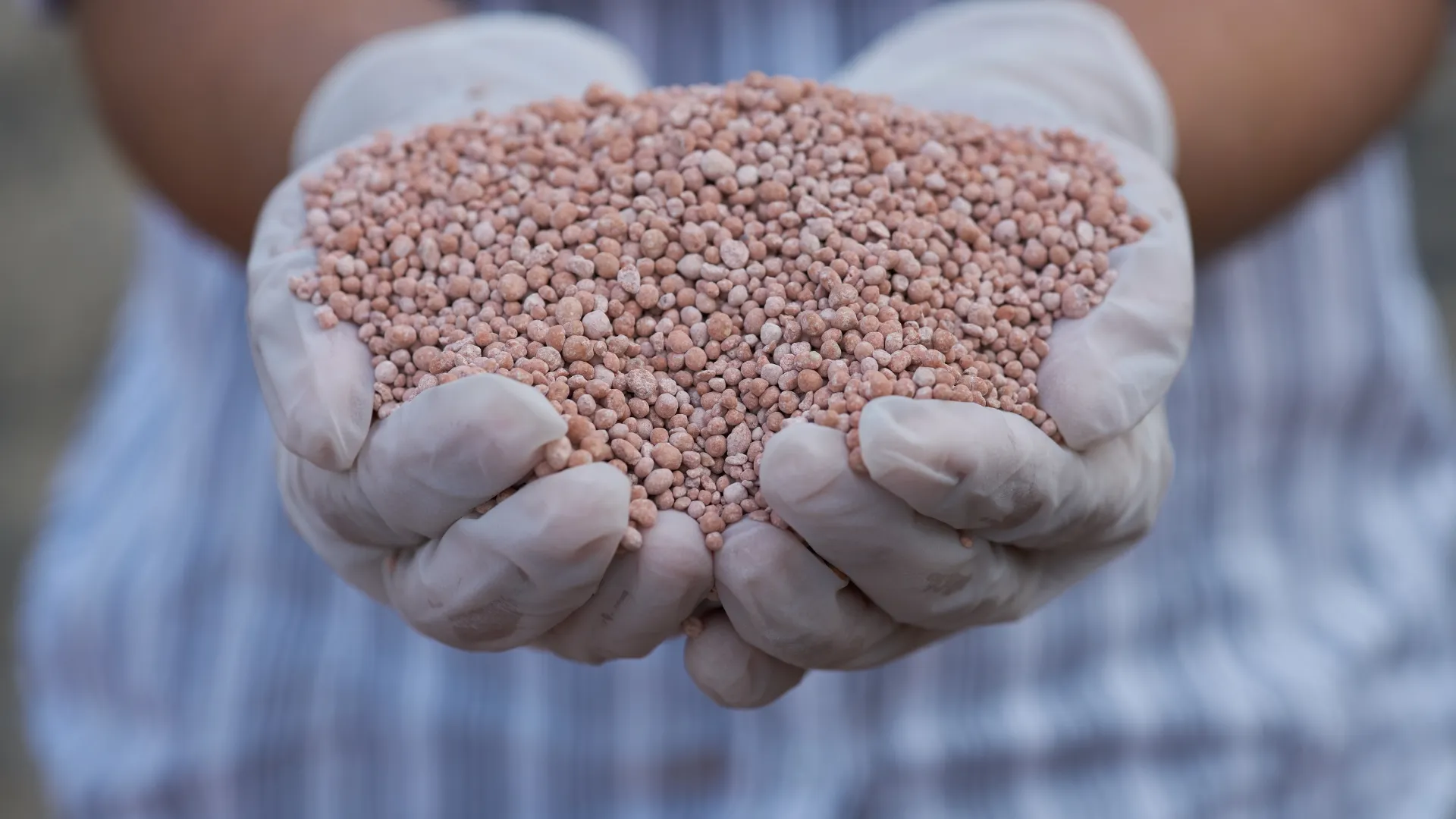
**Choosing the right fertilizer can make all the difference in your plumeria’s health and beauty** – from granular slow-release formulas to liquid concentrates tailored specifically for tropical plants like plumerias. By providing your beloved blossoms with the nutrients they need, you’ll be rewarded with an abundance of healthy, vibrant blooms that will leave you in awe of nature’s splendor.
So, Plumeria Fertilizer: Ensuring Healthy and Vibrant Blooms
Plumeria Fertilizer: Ensuring Healthy and Vibrant Blooms
Plumeria, also known as frangipani, is a beautiful and fragrant tropical flower that blooms in a variety of vibrant colors. In order to keep your plumeria plant healthy and producing these stunning blooms, it is important to use the right fertilizer.
The purpose of fertilizing plumeria plants is to provide them with essential nutrients such as nitrogen, phosphorus, and potassium. These nutrients help promote strong root growth and overall plant health. Without proper fertilization, plumeria plants may become weak and produce fewer flowers.
When choosing a fertilizer for your plumeria plant, look for one specifically designed for flowering plants or one with a balanced N-P-K ratio (nitrogen-phosphorus-potassium). This will ensure that your plant receives all the necessary nutrients in the correct proportions.
It is recommended to fertilize plumerias every 2-3 weeks during their active growing season (typically spring through fall). However, be careful not to over-fertilize as this can lead to burned leaves and stunted growth.
In addition to providing essential nutrients, using a high-quality fertilizer can also enhance the color and fragrance of your plumeria blooms. Look for products containing micronutrients like iron and magnesium which are crucial for promoting intense colors in flowers.
Overall, investing in a good quality fertilizer specifically formulated for plumerias will result in healthier plants with more vibrant blooms. So don’t forget about this important step when caring for your beloved frangipani!
Optimal Nutrient Composition for Plumeria Growth
Have you ever wondered what makes Plumeria, those beautiful tropical flowers, bloom so vibrantly? It’s all about their diet! That’s right — just like us, plants thrive when they’re properly nourished. The secret to growing a healthy and lush Plumeria lies in providing it with a balanced mix of essential nutrients.
Nitrogen (N), Phosphorus (P), and Potassium (K) form the core nutrient trio for this plant. Nitrogen is crucial as it supports leaf growth and gives the plant its rich green color. On the other hand, phosphorus plays a huge role in supporting bud formation – that’s where those stunning flowers come from! Last but not least, potassium helps maintain overall plant health by contributing to stem strength and water absorption efficiency.
But wait – there’s more:
- Magnesium: This ensures your Plumeria gets its deep green leaves.
- Calcium: Reinforces cell walls giving the plant extra strength.
- Sulfur: Helps produce proteins essential for overall growth and vitality.
You see, proper nutrition isn’t just important for people; it matters big time for plants too! So next time you gaze at a blooming Plumeria tree swaying gently in the tropical breeze, remember –– it’s not magic making those blooms pop out so magnificently. It’s nurturing them with all these necessary nutrients!
Best Practices for Applying Plumeria Fertilizer
Remember those magnificent plumeria trees that bloom with vibrant flowers? To keep them looking their best, you need to show them some love and attention. In fact, one of the most beneficial practices is regularly feeding them with the right kind of fertilizer. Let’s discuss these nourishment essentials.
Choosing the Right Fertilizer
When it comes to selecting a suitable plant food for your beautiful frangipanis, there are several factors to consider. Look for a high phosphorus content – this vital nutrient aids in flower production and enhances their color intensity. Be sure also to check that it has adequate amounts of potassium and nitrogen. These nutrients promote robust growth and leaf health respectively.
- Phosphorus: Essential for colorful flowers.
- Potassium: Bolsters overall plant strength.
- Nitrogen: Enhances lush leaf development.
Fertilizing Frequency
How often should you fertilize your plumerias? Well, a good rule thumb is during their growing seasons – typically spring through fall. It’s recommended applying this boost every 4-6 weeks at this time while being careful not to overfeed as it can lead to salt build-up in the soil which could harm your plants.
Caring For Your Plumeria Post-Fertilization
Post-application care is equally important! Watering after fertilization helps dissolve the nutrients making them readily available for absorption by roots thus promoting healthy growth cycle.
Properly caring for our plumerias may seem like quite an undertaking but remember: they give us back tenfold what we put into them—beauty, sweet fragrances, shades on hot summer days and more! And isn’t that totally worth all efforts we make?
Read also: Organic Fertilizer for Vegetables: Nurturing Your Garden Naturally
Recognizing Signs of Nutrient Deficiency in Plumerias
Plumerias are known for their vibrant and beautiful flowers, but did you know that these stunning plants can also give us clues about their health through their leaves? By closely observing the foliage of your plumeria plant, you can identify signs of nutrient deficiency and take action to ensure its continued growth and flourishing. Here are some key indicators to look out for:
– **Yellowing Leaves**: If you notice that the leaves of your plumeria are turning yellow, it could be a sign of nitrogen deficiency. Nitrogen is essential for plant growth and development, so make sure to fertilize your plumeria with a balanced fertilizer to provide this vital nutrient.
– **Leaf Curling or Browning**: Curling or browning of the leaves may indicate a potassium deficiency. Potassium plays a crucial role in photosynthesis and water regulation within the plant, so consider adding a potassium-rich fertilizer to address this issue.
– **Stunted Growth or Small Flowers**: A lack of phosphorus in the soil can lead to stunted growth and smaller flowers on your plumeria plant. To remedy this, try incorporating a phosphorus-containing fertilizer into your regular feeding routine.
By paying attention to these subtle signs of nutrient deficiency in your plumeria plant, you can proactively address any issues that may arise and promote its overall health and vitality. Keep an eye on those leaves – they hold valuable insights into the well-being of your beloved plumerias!
Addressing Common Misconceptions about Fertilizing Plumerias
There are several misconceptions about fertilizing plumerias that need to be addressed. First and foremost, many people believe that these tropical plants require constant feeding to thrive. This is simply not true! Plumerias actually do best when they are given a slow-release fertilizer once or twice a year. Over-fertilizing can lead to excessive growth and weak stems, so it’s important to find the right balance.
Another common misconception is that any type of fertilizer will work for plumerias. In reality, these plants have specific nutrient requirements that should be met with a balanced fertilizer specially formulated for flowering plants. Look for one with a higher phosphorus content to promote blooming and healthy roots.
Lastly, some gardeners believe that organic fertilizers are always better than synthetic ones. While natural options can certainly benefit plumerias, synthetic fertilizers can also provide the necessary nutrients in a more concentrated form. It ultimately comes down to personal preference and what works best for your individual plants.
By dispelling these myths and gaining a better understanding of proper fertilization techniques, you can ensure your plumerias receive the nutrients they need to flourish beautifully throughout the growing season.