
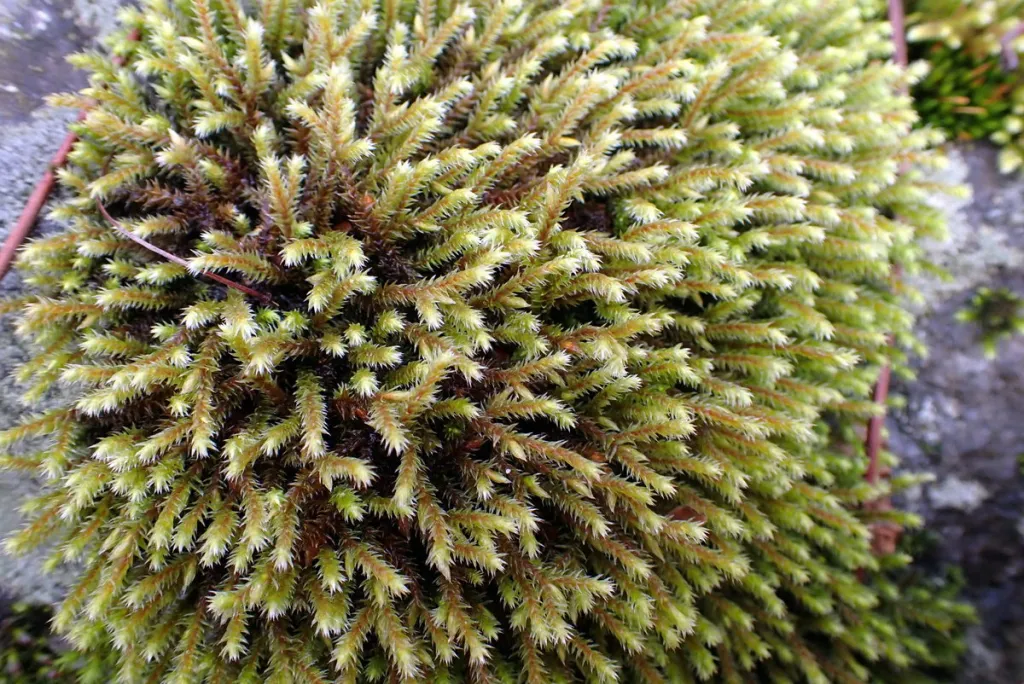
When I’ve encountered white moss, it’s often signaling stress or health problems stemming from environmental factors or nutrient issues. Common culprits include ammonia spikes in water, inadequate humidity, or even fungal infections. To remedy this, I ensure regular monitoring of water chemistry—keeping ammonia levels low is crucial—and I adjust humidity and sunlight exposure according to the moss’s needs. Fungal issues can be tackled by enhancing air flow and occasionally using gentle fungicides. I’ve also found that proper nutrient management, through the use of liquid fertilizers, supports moss health and prevents further discoloration. Implementing these strategies often revives the vibrant green color of moss, indicating a return to health and promising continued improvements with consistent care.
Identifying White Moss
Identifying white moss in your aquarium or terrarium can signal underlying health issues that require immediate attention. When you notice moss turning white, it’s often a distress flag raised by the environment. This color change typically stems from several stress factors.
For instance, a spike in ammonia levels, even if they later stabilize, can trigger such a transition. Additionally, if you see a crystal-like dust on your moss, this could indicate fungal infections or unwanted mineral deposits, often worsened by high humidity or excessive lighting.
However, a green base beneath the white layer offers a glimmer of hope, suggesting that your moss might still be viable with the right interventions. Regularly checking water parameters like ammonia and CO2 is crucial for a correct diagnosis and effective response.
Similarly, it’s important to monitor water changes in plant containers regularly, as stagnant or contaminated water can exacerbate problems in both plants and moss by fostering harmful bacterial and fungal growth.
Common Causes Explained
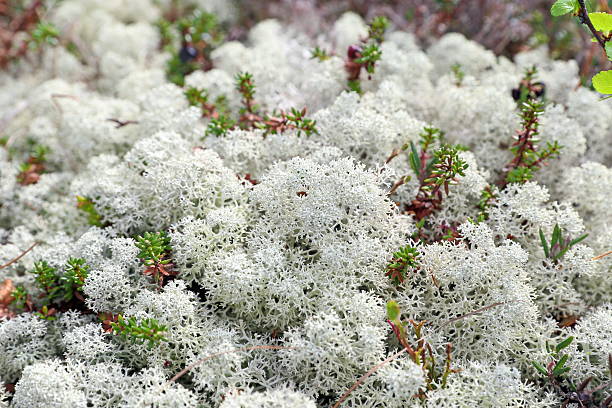
Understanding the reasons behind the whitening of moss is imperative for maintaining a healthy environment in your aquarium or terrarium. High ammonia levels are a primary culprit; concentrations above 1 ppm can cause moss to turn white and deteriorate. This deterioration was notably observed when ammonia levels reached 4 ppm.
Additionally, sudden changes in tank conditions, such as fluctuations in water temperature or relocating the moss, can stress it, leading to discoloration. Environmental stressors also play a significant role; excessive sunlight and inadequate humidity can inhibit moss health, contributing to a powdery white appearance.
Observing the sunlight exposure in your garden or terrarium setup is crucial as most plants, including moss, require specific light conditions to thrive. Lastly, pollutants like airborne contaminants or mineral deposits from water sources can adversely affect moss, causing it to turn white and lose vitality.
Nutrient Deficiencies Impact
Nutrient imbalances often manifest in the subtle hues of moss, shifting from a vibrant green to a pale or even white color. Nutrient deficiencies, particularly in nitrogen and potassium, are pivotal in this discoloration process. When moss lacks these crucial nutrients, it doesn’t just lose its color; its overall vitality suffers.
Additionally, a deficiency in essential minerals like calcium can lead to reduced growth and a white powdery appearance on the moss surface. It’s essential to keep an eye on these nutrient levels—regular water testing can be a game changer.
By identifying these deficiencies early, you can adjust fertilization, perhaps adding liquid fertilizers formulated for aquatic plants, to restore balance and maintain the lush, green growth that makes moss so appealing.
Similarly, just as optimal microbial activity is crucial in composting, maintaining the right nutrient balance is key to preventing moss discoloration and promoting its health.
Fungus Among Us
One often overlooked issue in moss care is the presence of fungal infections, which can severely hinder the plant’s ability to thrive.
When you notice a white powdery substance on your moss, it’s likely a fungus growing, which can block essential light and nutrients, affecting photosynthesis and overall health.
Here’s what you should do:
- Improve Air Circulation: Ensure your moss isn’t in a constantly damp, poorly ventilated area.
- Brush Off Fungus: Gently remove visible fungal spores with a soft brush or apply a mild bicarbonate solution.
- Monitor Environmental Changes: Keep an eye on humidity levels and avoid drastic changes in your tank conditions to prevent stress on the moss, which can lead to fungal outbreaks.
Water Flow Requirements
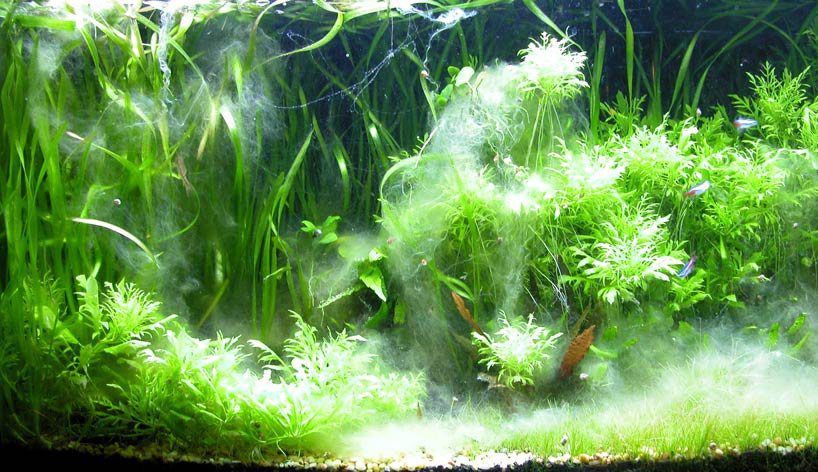
As we shift focus to water flow requirements, it’s essential to acknowledge that maintaining the right current is vital for the health of moss in aquarium settings.
Adequate water flow distributes nutrients and oxygen evenly, ensuring moss thrives. In a 60-gallon tank, using an Eheim spray bar canister filter should be carefully adjusted.
Moderate flow is key; too strong can damage moss structures, while too weak can cause stagnation and algae proliferation. Regular monitoring and tweaking of the water flow rate are crucial.
Positioning moss on driftwood or rocks where the water movement is gentle not only prevents clumping but also improves light penetration, enhancing growth.
Always aim for balance to foster a healthy aquatic environment.
Proper Moss Tying Techniques
After discussing the significance of water flow for moss health, let’s explore how to properly attach moss to surfaces like driftwood, which can enhance its growth and aesthetic appeal in your aquarium.
To avoid your moss turning white due to poor practices, it’s vital to follow these guidelines:
- Use a loose tying method: This allows the moss to grow naturally and prevents suffocation.
- Choose the right materials: Opt for fishing line or soft thread which offers stability without being too restrictive.
- Spread the moss evenly: Avoid clumps to ensure adequate light penetration and water circulation.
Monitoring Aquarium Health
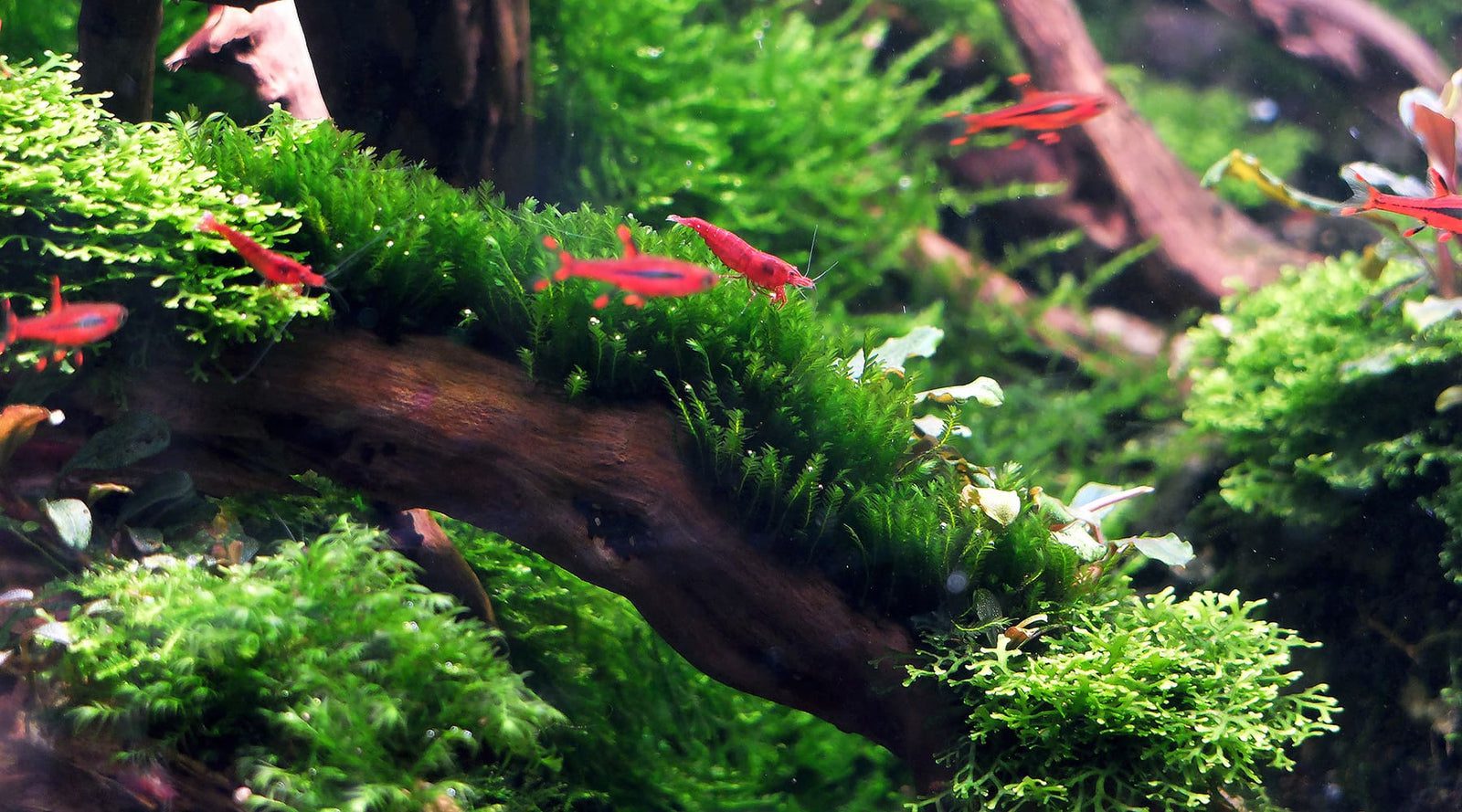
Maintaining the health of your aquarium requires vigilant monitoring of various water parameters, which is essential in supporting the vitality of moss and other aquatic plants.
Regular testing of ammonia levels, CO2 concentrations, and pH is crucial. Fluctuations in these parameters can cause stress and color changes in moss.
It’s vital to keep the water temperature stable; for moss, 78°F is ideal. You’ll need to perform partial water changes to control ammonia, noticed to decrease from 4 ppm to 1 ppm with this method.
Watch your moss for signs of distress, like discoloration or stunted growth, and adjust your care accordingly.
Ensure your lighting is adequate too, aiming for about 4 watts per gallon to bolster photosynthesis.
Moss Growth Enhancements
While closely monitoring your aquarium’s health supports stable conditions for moss, enhancing its growth requires additional specific care. To achieve lush, vibrant moss, you’ll want to focus on a few key areas that significantly impact their development.
- Optimal Lighting: Ensure your moss receives 2-4 watts per gallon of light to boost photosynthesis, which is crucial for vigorous growth and rich color.
- Nutrient Supply: Utilize a nutrient-rich substrate or apply liquid fertilizers designed for aquatic plants. This provides the essential nutrients that moss needs to thrive.
- Regular Trimming: Trim and remove any dead or decaying moss regularly. This not only maintains aesthetics but also encourages healthier, denser growth by preventing disease spread.
Employing these moss growth enhancements will help you cultivate a thriving aquatic garden.
Driftwood Maintenance Tips
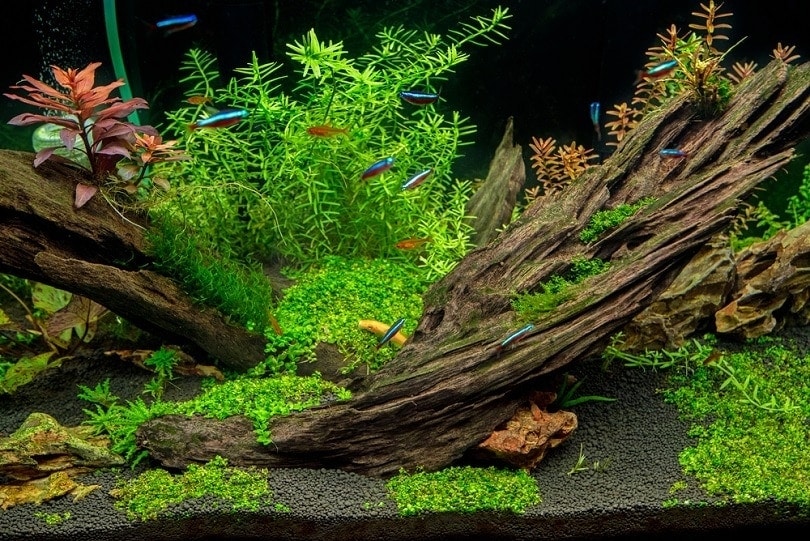
Regularly scrubbing your driftwood with a soft brush helps eliminate algae, debris, and any white powdery residue that might compromise both the appearance and health of your moss.
Before introducing driftwood into your aquarium, soaking it for several days is crucial to lessen tannin release, which can cloud your water and hinder moss attachment.
To prevent your setup from toppling, ensure the driftwood is firmly anchored in the substrate or securely tied with fishing line.
Opt for pre-treated or sterilized driftwood to avoid introducing harmful organisms into your moss environment.
Always monitor the water chemistry near your driftwood, as decaying wood can increase ammonia levels, detrimentally impacting the moss thriving on it.
Nutrient Level Adjustments
After ensuring your driftwood is properly prepared and secured, it’s important to focus on the balance of nutrients in your aquarium to support the health of your moss.
Nutrient level adjustments are key. Here’s how to ensure your moss thrives:
- Regular Testing: Check ammonia and CO2 levels frequently. Keep ammonia under 0.5 ppm to avoid stressing the moss.
- Adjust pH Levels: Maintain a pH between 6.0 and 7.0 to optimize nutrient uptake.
- Supplement Nutrients: Use liquid fertilizers or nutrient-rich substrates, especially during the moss’s initial establishment phase.
Separate Cultivation Benefits
Separating moss into individual growth areas significantly enhances its health and visual impact in your aquarium.
By allowing better light penetration and airflow, each moss patch thrives, reducing the risk of fungal infections. Isolating affected moss not only aids in specific recovery monitoring but also lets you adjust care practices tailored to its needs, without compromising the health of other plants.
This method minimizes nutrient competition, enabling each specimen to recover more effectively from stress. Additionally, separate cultivation makes it easier to pinpoint issues like nutrient deficiencies or pest problems, allowing for more targeted interventions.
Plus, arranging moss separately can boost the aesthetic appeal of your aquascape, showcasing each species’ unique characteristics without interference.
:max_bytes(150000):strip_icc()/create-low-maintenance-moss-lawn-2152704-03-14454087f87f4ccc8f24e63d0489f500.jpg)
Addressing Driftwood Fungus
Addressing driftwood fungus effectively begins with understanding its causes and implications.
If you’ve noticed a white or fuzzy growth on your aquarium driftwood, it’s likely due to high moisture and decomposing organic matter. While this fungus isn’t harmful to your aquatic friends, it does signal a need to reassess your tank’s health.
Here are a few steps to tackle this issue:
- Increase Water Circulation: Ensure there’s adequate flow around the driftwood to prevent stagnant conditions that foster fungus growth.
- Enhance Filtration: Adjust your filtration system to better remove excess organic waste.
- Manual Removal: Carefully remove the fungus using a brush or by applying targeted anti-fungal treatments designed for aquatic settings.
Ensuring Moss Vibrancy
Ensuring the vibrancy of your moss requires diligent attention to several key factors that affect its health and appearance. Regularly monitor water conditions, keeping ammonia levels below 1 ppm and optimizing CO2; both are crucial to prevent discoloration and ensure moss vibrancy.
It’s also vital to trim back any affected moss to promote new growth and remove parts that could degrade its overall health. Providing specific nutrients through liquid fertilizers rich in micronutrients can greatly enhance moss vitality.
Moreover, maintaining consistent humidity by regular misting and ensuring proper spacing prevents overcrowding, which is essential for adequate light penetration and air circulation. This helps to avoid issues with fungi growing and keeps your moss vibrant and healthy.
Moss Care Best Practices
In caring for moss, maintaining stable water conditions is paramount. Regular testing for ammonia and CO2 levels ensures a healthy environment, ideally keeping ammonia below 1 ppm to prevent stress.
Here are some moss care best practices that can significantly enhance your success:
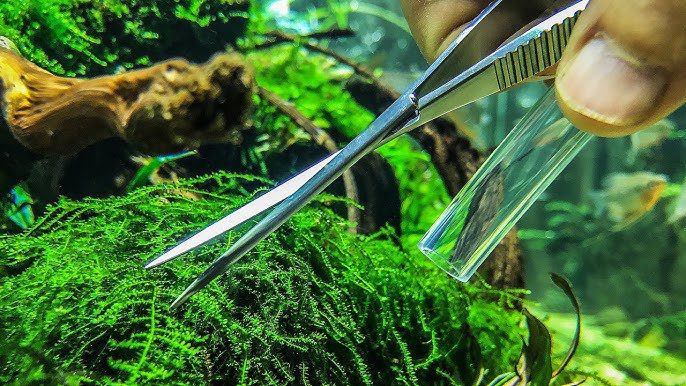
- Trimming: Regularly clip discolored or dying patches to promote healthy regrowth and prevent clumping, which can impede development.
- Environmental Adjustments: Optimize light intensity and maintain water temperature around 75-78°F to support moss vitality.
- Moisture and Nutrients: Mist your moss consistently and ensure it’s adequately covered with water.
Also, monitor for nutrient imbalances and supplement with fertilizers as needed to maintain robust health.