
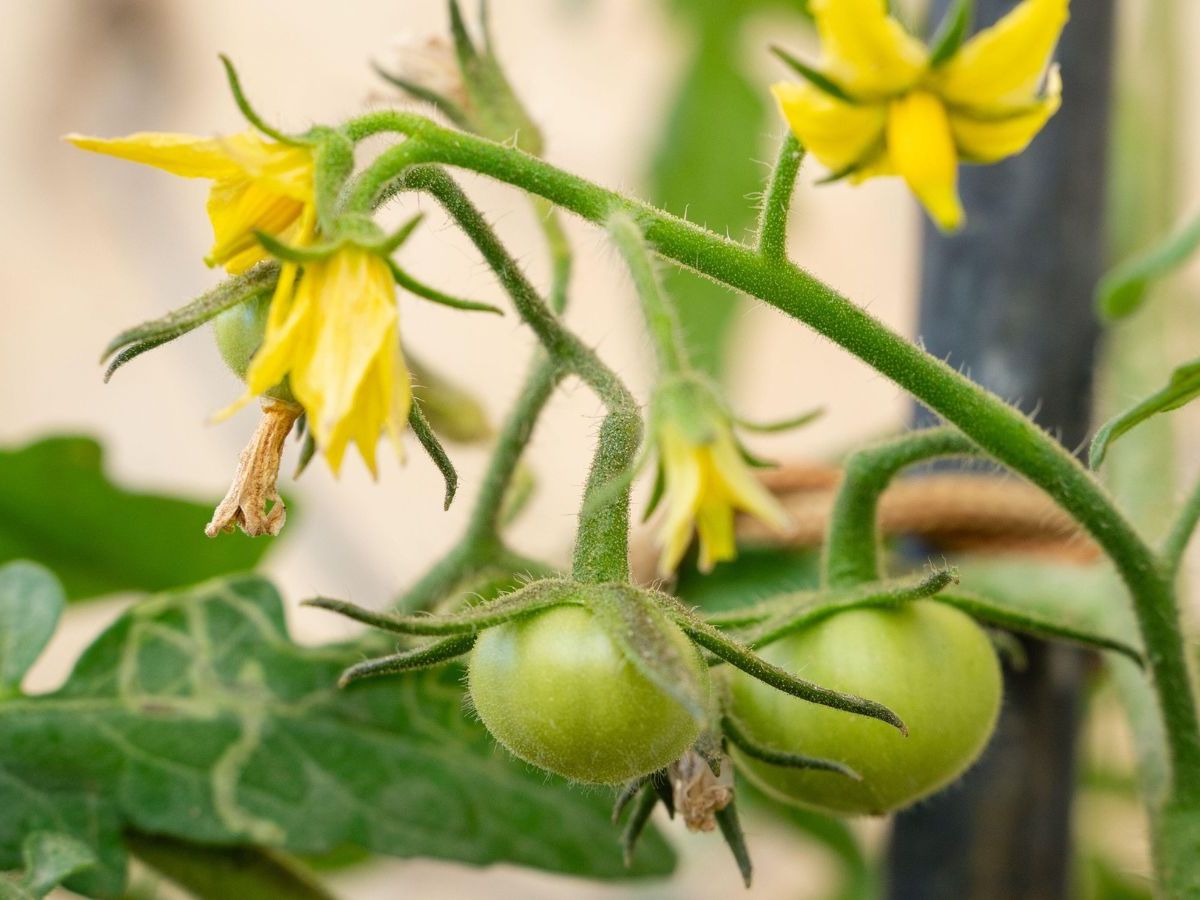
If your tomato plants are blooming early, it could be due to temperature fluctuations disrupting their internal clocks or high heat accelerating flowering. Exposure to extended sunlight might trigger premature blooming, while inconsistencies in watering can throw off moisture balance. Nutrient deficiencies like lack of calcium or imbalanced fertilization may also cause the early appearance of flowers. Certain tomato varieties are genetically predisposed to flower early, and understanding these traits can help in selection. Pruning to enhance air circulation and proper maintenance practices are crucial for managing flowering. These reasons shed light on why your tomatoes are flowering ahead of schedule.
1. Temperature Fluctuations
Temperature fluctuations can trigger early flowering in tomato plants due to their impact on the plant’s growth cycle. Sudden changes in temperature, particularly warm spells, can disrupt the internal clock of tomato plants, signaling it’s time to start flowering prematurely. The fluctuation between day and night temperatures can confuse the plants, leading to an early bloom response. Extended periods of high temperatures can also play a role in accelerating the flowering process in tomatoes. This confusion in the plant’s perception of the changing temperatures can push it to flower earlier than expected.
To prevent early flowering in tomato plants, it is crucial to maintain consistent temperature control. Sudden spikes or drops in temperature can throw off the plant’s natural rhythm, leading to untimely blooms. By ensuring a stable temperature environment, you can help regulate the flowering cycle of your tomato plants and promote healthier growth habits.
2. Light Exposure
:max_bytes(150000):strip_icc()/GettyImages-1305023964-23e1abe428a6418da2039aaf0a2af5cd.jpg)
Exposure to extended hours of sunlight can prompt your tomato plants to bloom early, disrupting their natural growth cycle. Additionally, high light intensity or artificial lighting near your plants might confuse their internal clocks, leading to premature flowering. It is crucial to ensure your tomato plants receive proper darkness during the night to regulate their flowering and support optimal development.
Sunlight Timing
Proper management of sunlight timing is crucial in regulating the flowering process of tomato plants to prevent premature blooming and ensure optimal growth. Sunlight timing refers to the duration and consistency of light exposure that tomato plants receive. Extended hours of sunlight can trigger premature flowering, disrupting the plant’s natural development cycle. Additionally, exposure to artificial light at night can confuse the plant’s internal clock, leading to early blooming. On the other hand, insufficient or inconsistent sunlight may also prompt tomato plants to flower earlier than desired. Therefore, maintaining a regular day-night cycle and providing adequate sunlight during the day is essential in managing the flowering of tomato plants. By understanding the impact of sunlight timing on the plant’s growth and development, you can create an environment that promotes healthy vegetative growth before transitioning into the flowering stage, ultimately ensuring a successful harvest.
Light Intensity
Insufficient light exposure or inconsistent lighting conditions can lead to early flowering in tomato plants, affecting their growth and fruit production. Low light intensity is a common culprit behind premature flowering in tomatoes. When tomato plants do not receive adequate light exposure, they may initiate flowering prematurely, diverting energy away from vegetative growth. To prevent this, ensure your tomato plants receive sufficient light intensity for at least 8-10 hours each day. Natural sunlight is ideal, but if that’s not possible, consider using supplemental grow lights to regulate light intensity. By monitoring light levels and adjusting either the placement of your plants or utilizing supplemental lighting, you can optimize the growth of your tomato plants and control the timing of flowering. Remember, providing the right amount of light is crucial for healthy vegetative growth before the plant transitions into the flowering stage.
3. Inconsistent Watering
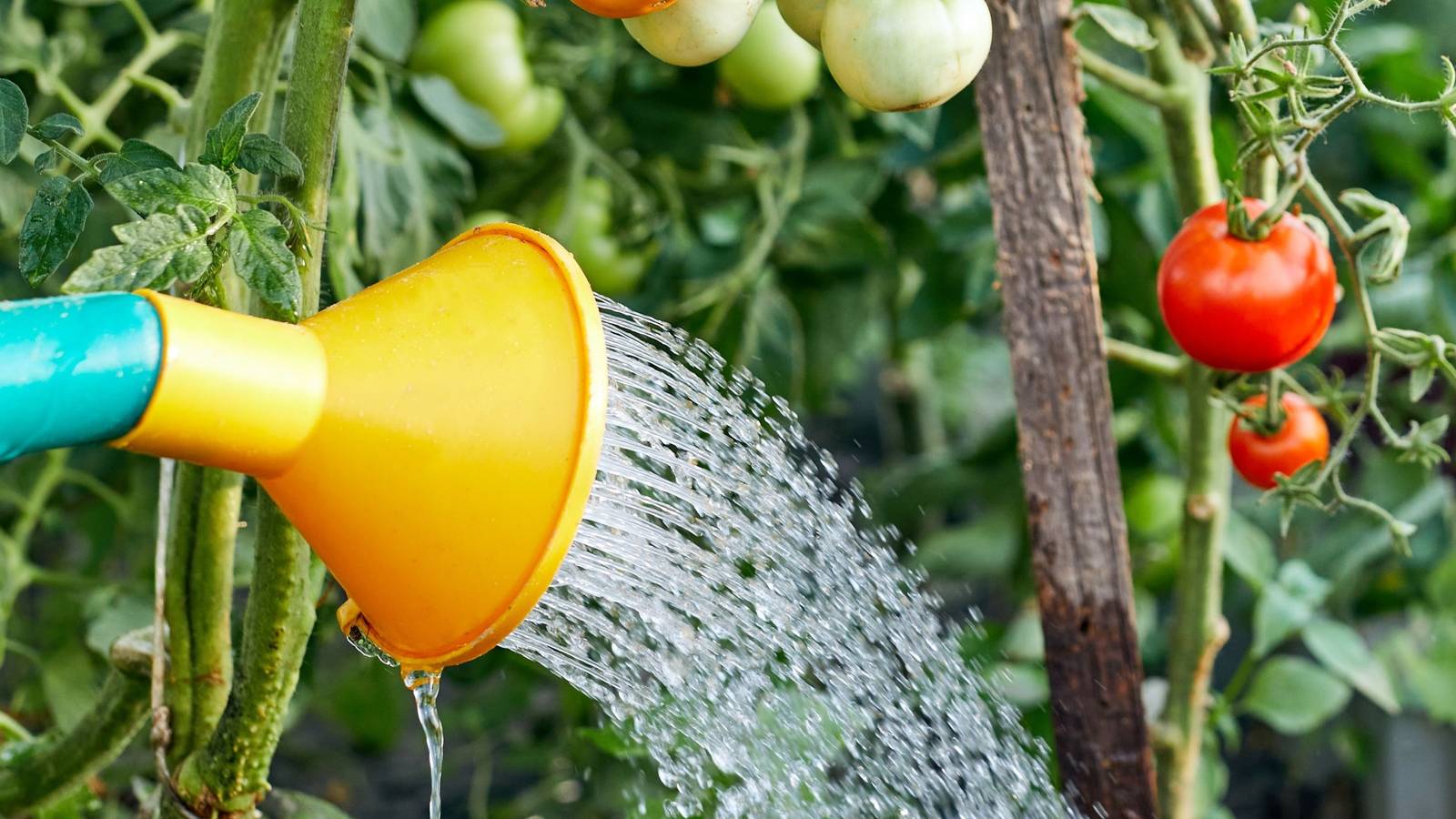
Maintaining a consistent watering schedule is essential to prevent tomato plants from flowering prematurely due to stress. Inconsistent watering can disrupt the delicate balance of moisture levels crucial for healthy plant development. When tomato plants do not receive proper and regular watering, they can perceive this as a survival threat, prompting them to transition into the reproductive stage earlier than desired. This premature flowering diverts energy away from vegetative growth, impacting the overall yield and health of the plant.
Proper watering is key to ensuring that tomato plants thrive. Inadequate water supply can trigger a response where the plant prioritizes producing flowers and fruits over establishing a robust root system and foliage. To prevent early flowering caused by inconsistent watering, it is essential to monitor the moisture levels in the soil and adjust watering schedules accordingly. By maintaining a steady supply of water, you can help your tomato plants focus on healthy growth rather than premature reproduction.
4. Nutrient Deficiencies
Monitoring the nutrient levels in your tomato plants is essential to prevent early flowering due to deficiencies. Nutrient deficiencies, such as a lack of calcium, can lead to premature flowering in tomato plants. Additionally, insufficient levels of nitrogen, phosphorus, or potassium can also cause early flowering. To avoid these issues, it is crucial to ensure that your tomato plants receive properly balanced fertilization. Regular soil testing can be a valuable tool in identifying nutrient deficiencies and guiding the application of the right fertilizers to promote healthy tomato plants.
5. Genetic Predispositions
Certain tomato varieties exhibit genetic predispositions that can lead to early flowering, impacting the overall growth and productivity of the plants. These genetic factors influence when tomato plants initiate flowering, affecting the timeline for fruit production. Breeders often select for early-flowering traits in specific tomato varieties to meet diverse growing conditions and market demands. The genetic predispositions towards early flowering can significantly impact the timing of fruit development, ultimately influencing the overall harvest yield.
Understanding the genetic basis of early flowering in tomatoes is crucial for growers to make informed decisions when selecting varieties for cultivation. By recognizing which tomato varieties are genetically predisposed to flower early, growers can optimize their planting schedules and anticipate harvest times more accurately. This knowledge allows growers to align their cultivation practices with the natural tendencies of different tomato varieties, leading to improved productivity and better crop management. Ultimately, genetic predispositions play a vital role in shaping the growth patterns and flowering behavior of tomato plants, highlighting the importance of selecting the right varieties for desired outcomes.
6. Plant Age
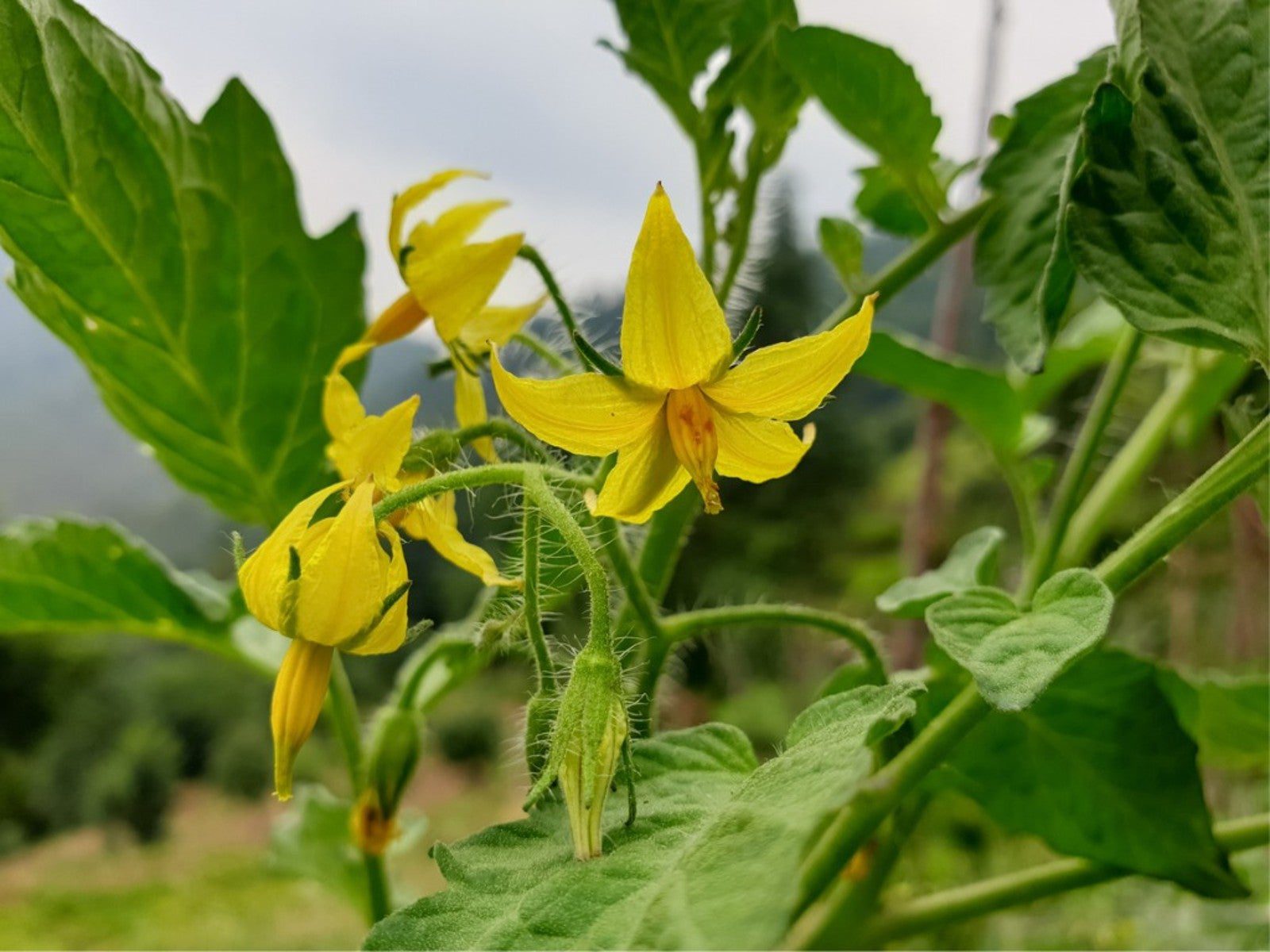
As your tomato plant matures, its internal clock signals the onset of flowering, a crucial stage in its growth cycle. Understanding the intricate relationship between plant age, flowering triggers, and environmental conditions can shed light on why your tomato plant might be blooming early. Factors such as optimal nutrient levels, sunlight exposure, and temperature fluctuations play a significant role in influencing the timing of flower initiation in your tomato plant.
Young Plant Growth
When tomato plants are young, they can begin flowering as early as 2 feet tall, indicating rapid growth and maturity. This early flowering phenomenon is often observed in plants grown in raised beds, where the roots have ample space to establish themselves and provide optimal support for the plant’s development. As the main stem of the tomato plant elongates and reaches about a foot high, it triggers hormonal changes that can stimulate early flowering.
In young tomato plants, early flowering is a positive sign of health and vigor. It suggests that the plant is well-nourished and receiving adequate sunlight, water, and nutrients to support its accelerated growth. This natural process of early flowering in young tomato plants is a crucial step towards the eventual production of fruits. By initiating flowering at a young age, tomato plants set the stage for an earlier harvest of tomatoes, allowing growers to enjoy their fresh produce sooner in the season.
Early Flowering Triggers
Tomato plants exhibit early flowering triggers primarily based on their age, with older plants more likely to initiate flower production sooner in their growth cycle. As tomato plants mature, they naturally progress through growth stages that lead to flowering. Younger plants focus on vegetative growth, developing leaves and stems before allocating energy towards reproduction. However, as tomato plants age, they reach a stage where the balance shifts, and the plant begins to prioritize flower production. This transition is a crucial biological process influenced by internal factors within the plant.
Understanding the age-related triggers for early flowering in tomato plants is essential for gardeners aiming to optimize their harvest. By recognizing the signs of plant maturity, such as the development of lateral branches and a robust main stem, growers can anticipate and support the onset of flowering. Observing these age-related cues can help in adjusting care practices, ensuring that tomato plants receive the necessary resources to thrive and produce a bountiful crop.
Environmental Factors
With tomato plants, the interplay of environmental factors and plant age significantly influences the timing of flowering initiation. When tomato plants grow a bit, their internal mechanisms signal readiness for flowering, often triggered by specific environmental cues. Factors such as warm temperatures, ample sunlight, and appropriate moisture levels play crucial roles in promoting early flowering in tomato plants. Additionally, monitoring plant growth and providing proper care can help manage the timing of flowering to ensure optimal fruit development.
- Early flowering in tomato plants can be a sign of plant health and readiness for fruit production.
- Environmental factors like warm temperatures and proper moisture levels can trigger premature flowering.
- Adjusting environmental conditions and addressing stressors can help regulate flowering initiation in tomato plants.
7. Pruning Techniques
Implementing effective pruning techniques on your tomato plants involves selectively removing branches, suckers, and flowers to optimize fruit production. Proper pruning plays a vital role in enhancing air circulation, increasing sunlight exposure, and promoting overall plant health. By redirecting the plant’s energy towards fruit development, pruning results in larger, more flavorful tomatoes. Regular pruning not only prevents overcrowding but also reduces the risk of diseases and bolsters the structural integrity of your tomato plants. Timing is key when it comes to pruning; starting early in the plant’s growth and maintaining a consistent pruning schedule throughout the season are recommended by experts for the best outcomes.
To further illustrate the impact of pruning techniques, consider the following table:
| Pruning Technique | Benefits |
|---|---|
| Removing Suckers | Enhances airflow and sunlight penetration |
| Trimming Branches | Promotes fruit production and ripening |
| Pinching Flowers | Redirects energy for larger and tastier fruits |

8. Maintenance Practices
Regularly feeding your cherry tomato plants with mineral fertilizer or granulated chicken manure high in calcium is crucial for optimal growth and fruit production. Maintaining proper soil nutrition ensures your plants have the necessary nutrients to support healthy growth and abundant fruiting. Additionally, managing the growth of your cherry tomato plants is essential to prevent issues such as drying out and stunted development. Here are some key maintenance practices to consider:
- Soil nutrition: Ensure your cherry tomato plants receive regular feeding with mineral fertilizer or calcium-rich chicken manure to support their growth and fruit production.
- Flower removal: While it’s important to leave flowers on outdoor soil-grown tomatoes for continued growth, consider removing flowers only when transplanting cherry tomato plants from pots.
- Growth management: Monitor the height of your cherry tomato plants, which can reach 4-6ft, to ensure they are developing properly and not flowering too early.
9. Impact on Yield and Quality
To understand the impact of early flowering on tomato plant yield and quality, it is important to consider how premature flowering can affect overall fruit production and plant health. Early flowering can lead to an accelerated fruit ripening process, potentially resulting in an earlier and more extended harvest season. However, this premature transition to reproductive growth may divert energy away from vegetative growth, impacting the plant’s vigor and overall fruit yield.
Effective pollination techniques are crucial when dealing with early flowering to ensure optimal fruit set and quality. Maintaining proper pest control and disease prevention measures becomes essential to safeguard the developing fruits from potential threats. Additionally, managing plant spacing and providing adequate growth hormones can help mitigate the negative effects of premature flowering on tomato plant productivity and fruit quality.