

When facing green plant roots, act promptly by identifying root rot symptoms such as yellowing leaves and stunted growth. Adjust your watering schedule to prevent waterlogged conditions and support optimal root health. Enhance drainage by using well-draining soil and ensuring pots have drainage holes. If roots are affected, trim back to healthy tissue with sterilized shears. Repot in fresh soil if needed, selecting an appropriate pot size. By applying root rot treatments and monitoring root health regularly, you can promote robust plant growth. Understanding these practices is vital for maintaining healthy green plant roots.
1. Identifying Root Rot Symptoms
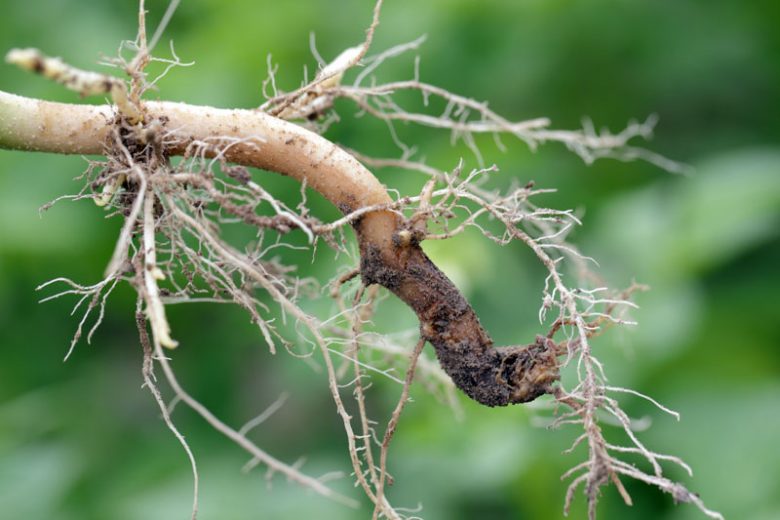
To identify root rot symptoms in green plants, observe for early signs such as yellowing leaves, stunted growth, and a distinct rotten smell in the soil. Yellow leaves are often the first visible indication of root rot. As the roots decay and lose their ability to uptake nutrients and water effectively, the leaves start turning yellow due to nutrient deficiencies. This yellowing typically begins at the bottom of the plant and progresses upwards. Additionally, as the disease advances, the leaves may become wilted and distorted, further compromising the plant’s ability to photosynthesize and thrive.
In plants affected by root rot, the yellow leaves may also exhibit a mottled appearance, with patches of dark green or brown interspersed with the yellow areas. This discoloration is a result of the root damage hindering the transport of essential substances within the plant. Therefore, prompt identification and treatment of root rot are crucial to prevent irreversible damage to the plant.
2. Adjusting Watering Schedule

Adjusting the watering schedule for your green plants is vital to prevent issues like root rot and ensure optimal root health. Monitoring soil moisture levels is crucial in determining the appropriate watering frequency for your plants. Overwatering can lead to root rot, as excessive moisture creates a favorable environment for root diseases to develop. To avoid this, allow the top inch or two of soil to dry out before watering again. This practice helps prevent waterlogged conditions that can suffocate plant roots and inhibit their growth. Additionally, adjusting the watering frequency based on seasonal changes and specific plant needs is essential for maintaining healthy roots. By tailoring your watering schedule to the growth stage and environmental conditions of your plants, you can promote robust root development and overall plant vitality. Remember, proper watering practices play a significant role in supporting optimal root health and ensuring the well-being of your green plants.
3. Improving Drainage System
Enhancing the drainage system for your green plants is crucial for maintaining optimal root health and preventing issues like root rot. To improve the drainage around plant roots, ensure that your pots have adequate drainage holes to prevent water accumulation. Additionally, using well-draining soil mixes formulated for potted plants can significantly enhance root health by allowing excess water to flow through the soil easily.
Elevating your pots on pot feet or using saucers can help direct excess water away from the roots, reducing the risk of waterlogging. If you find that your soil is retaining too much moisture, consider adding perlite or sand to the mix to enhance drainage and prevent waterlogged conditions that can lead to root suffocation.
Avoid using containers without drainage holes, as they can cause water to pool around the roots, increasing the likelihood of rot issues. By taking these steps to improve the drainage system for your green plants, you can help ensure that your plants thrive in a well-aerated and healthy root environment.
4. Trimming Affected Roots

Trimming affected roots is an essential practice in preventing the spread of root rot and promoting the overall health of your plants. When dealing with root rot, it is crucial to use sterilized shears to trim affected roots. Look for mushy, brown, or rotten roots and make clean cuts to aid in healing. Trim the roots back to healthy tissue, ensuring the removal of any signs of decay or fungal infection. By trimming affected roots properly, you can help the plant focus its energy on regrowing healthy roots and recovering from root rot. Remember to dispose of the trimmed roots and contaminated soil appropriately to prevent recontamination. This process not only stops the spread of the disease but also encourages new root growth that is essential for the plant’s survival. Regularly inspecting and trimming affected roots is a proactive approach to maintaining the overall well-being of your plants.
5. Repotting With Fresh Soil
:max_bytes(150000):strip_icc()/SPR-how-to-repot-a-plant-8629819-hero-80bbacf16f1449a8bbbabf5ddbd87e10.jpg)
When repotting your green plant with fresh soil, remember that soil quality matters for root health. Ensure the new pot is appropriately sized to provide ample space for root growth. Watch for signs of stress or root rot to address any issues promptly.
Soil Quality Matters
Repotting green plants with fresh, well-draining soil is essential for maintaining optimal soil quality and preventing root rot. The soil plays a crucial role in plant health, serving as the foundation for root development and nutrient uptake. By repotting with fresh soil, you ensure that your green plants have access to essential nutrients necessary for growth. Moreover, fresh soil promotes healthy root growth by providing a well-aerated environment that enhances root respiration.
Soil quality directly impacts the overall health and growth of your green plants. Proper soil drainage is vital in preventing root rot, a common issue caused by waterlogged soil. Repotting with fresh soil can help improve drainage, reducing the risk of root rot and other water-related root diseases. Regular repotting with fresh soil rejuvenates the root system, allowing for better nutrient absorption and overall plant health. Remember, maintaining high soil quality through repotting is key to ensuring the long-term well-being of your green plants.
Proper Pot Size
Choosing the appropriate pot size for your green plant is crucial to prevent overcrowding and encourage healthy root growth. When it comes to repotting your plant, selecting a pot that provides ample space for root expansion is essential. Here are some key tips to consider:
- Select the right size: Ensure the new pot is slightly larger than the current one to accommodate root growth but not excessively big, as this can lead to waterlogging.
- Use fresh, well-draining soil: Repotting with high-quality potting soil can help prevent issues like root rot by promoting good drainage and supplying necessary nutrients.
- Check for drainage holes: Verify that the new pot has adequate drainage holes to prevent water from pooling at the bottom, which can lead to root suffocation.
- Loosen the root ball: Gently tease apart the roots when repotting to prevent them from becoming root-bound and encourage healthy new root growth.

Watch for Signs
To detect potential root issues in your green plant, closely observe for signs of root rot that may manifest as yellowing leaves, wilting, or a rotting smell in the soil. If you notice these symptoms, it is crucial to take action promptly to prevent further damage. Consider repotting your plant with fresh, well-draining soil to help combat root rot. When repotting, look for mushy, discolored roots, and trim off any affected areas to promote healthier root growth. Additionally, ensure proper soil drainage and avoid overwatering to maintain the health of your plant’s roots. By being vigilant and responding quickly to signs of root issues, you can increase the chances of saving your plant from severe damage.
| Signs of Root Issues | ||
|---|---|---|
| Yellowing Leaves | Wilting | Rotting Smell |
| Monitor for changes | Check soil moisture | Inspect root health |
| Act promptly | Repot with fresh soil | Trim affected roots |
6. Applying Root Rot Treatments

When addressing root rot, one effective approach involves removing affected roots, replacing contaminated soil, and repotting the plant in fresh, well-draining soil. Root rot treatments are crucial in restoring the health of your plant. Here are some scientifically proven methods to combat root rot effectively:
- Fungicide Treatment: Applying a suitable fungicide can help control the spread of root rot-causing fungi in the soil, preventing further damage to the roots.
- Beneficial Microorganisms: Introducing beneficial bacteria or fungi products can aid in promoting a healthy root system by outcompeting harmful pathogens responsible for root rot.
- Watering Adjustment: Adjusting your watering schedule is essential to prevent overwatering, creating a drier environment that discourages the development of root rot.
- Soil Aeration and Root Growth Stimulants: Consider aerating the soil or using root growth stimulants to enhance root health and improve resilience against root rot. These methods can strengthen the roots and reduce the chances of future infections.
7. Monitoring Root Health

To ensure the overall health of your plant, it is imperative to closely monitor the condition of its roots, including observing their color, texture, and any signs of distress. Healthy roots of indoor plants should typically appear white and firm, while discolored or mushy roots could indicate issues such as root rot. Regularly checking the soil moisture levels is crucial to prevent overwatering, a common cause of root rot among indoor plants. Keep an eye out for any signs of wilting, yellowing leaves, or stunted growth in your plant, as these could be indicative of underlying root problems. If you suspect root issues, consider repotting the plant in fresh, well-draining soil to promote root health. Additionally, be attentive to any foul odors emanating from the soil, as this could be a warning sign of root rot that requires immediate attention to prevent further damage to your plant.