

If your succulent leaves are curling, it could be due to factors like watering irregularities, improper light exposure, or pest issues. Ensure you water correctly based on moisture levels and daylight conditions. Watch out for signs of overwatering or underwatering, as both can cause leaf problems. Check root health and soil pH regularly to prevent nutrient deficiencies or root rot. Keep an eye out for pests and diseases that disrupt plant health. By addressing these 11 potential causes with the right solutions, you can help your succulents thrive and flourish once more.
1.Watering Imbalance

To prevent succulent leaves from curling due to watering imbalance, ensure you check the soil moisture before watering and maintain a consistent watering schedule. Succulents are prone to issues when it comes to watering, with overwatering leading to soft, translucent leaves and soggy soil. On the other hand, underwatering manifests in dry, brittle leaves with curled edges. Balancing watering is vital for succulents to thrive, as it helps maintain soil moisture at an optimal level without being too wet or dry. Before watering your succulents, always assess the soil moisture by inserting your finger into the soil to ensure it is dry at least an inch deep. Additionally, make sure your pots have adequate drainage to prevent water-related problems. By following a regular watering routine and monitoring your succulents’ hydration needs, you can prevent them from showing distress signals like curled leaves.
2. Light Exposure
If your succulent leaves are curling, inadequate sunlight might be the culprit. Ensure your plants receive enough bright, indirect light to prevent leaf curling and pale growth. Consider rotating your succulents periodically to promote even light exposure and healthy development.

Sunlight Needs
For optimal growth and health of succulents like Echeveria, ensuring they receive strong, indirect sunlight is crucial. Succulents thrive in bright, indirect light, making south-facing windows an ideal spot for them to bask in the sun’s rays. Without sufficient light exposure, succulents may exhibit signs of distress such as leaf curling and elongation. If your succulents are not getting enough natural light, consider using a grow lamp to supplement their light needs, especially in low-light conditions. Remember to rotate your succulents periodically to promote even light exposure on all sides, which helps prevent them from stretching towards the light source. By paying close attention to the sunlight needs of your succulents and providing them with the right amount of indirect light, you can ensure they remain healthy, vibrant, and free from issues like leaf curling.
Shade Considerations
Considering the light exposure needs for your succulents, it’s important to understand how shade considerations play a significant role in preventing issues like leaf curling. Adequate light exposure, typically a minimum of 6 hours of indirect sunlight daily, is crucial for the health of your succulents. Insufficient light can result in stretched, pale leaves, leading to leaf curling over time. To ensure your succulents receive the right amount of light, place them near south-facing windows or utilize grow lights if natural light is limited.
Furthermore, rotating your succulents regularly promotes even light distribution, preventing leaf curling caused by uneven exposure. This simple practice helps all parts of the plant receive adequate light for photosynthesis and growth. Remember, proper light exposure is essential for the overall health of your succulents, keeping leaf curling and other issues at bay. By paying attention to shade considerations and ensuring even light distribution, you can help your succulents thrive.
Artificial Lighting Options
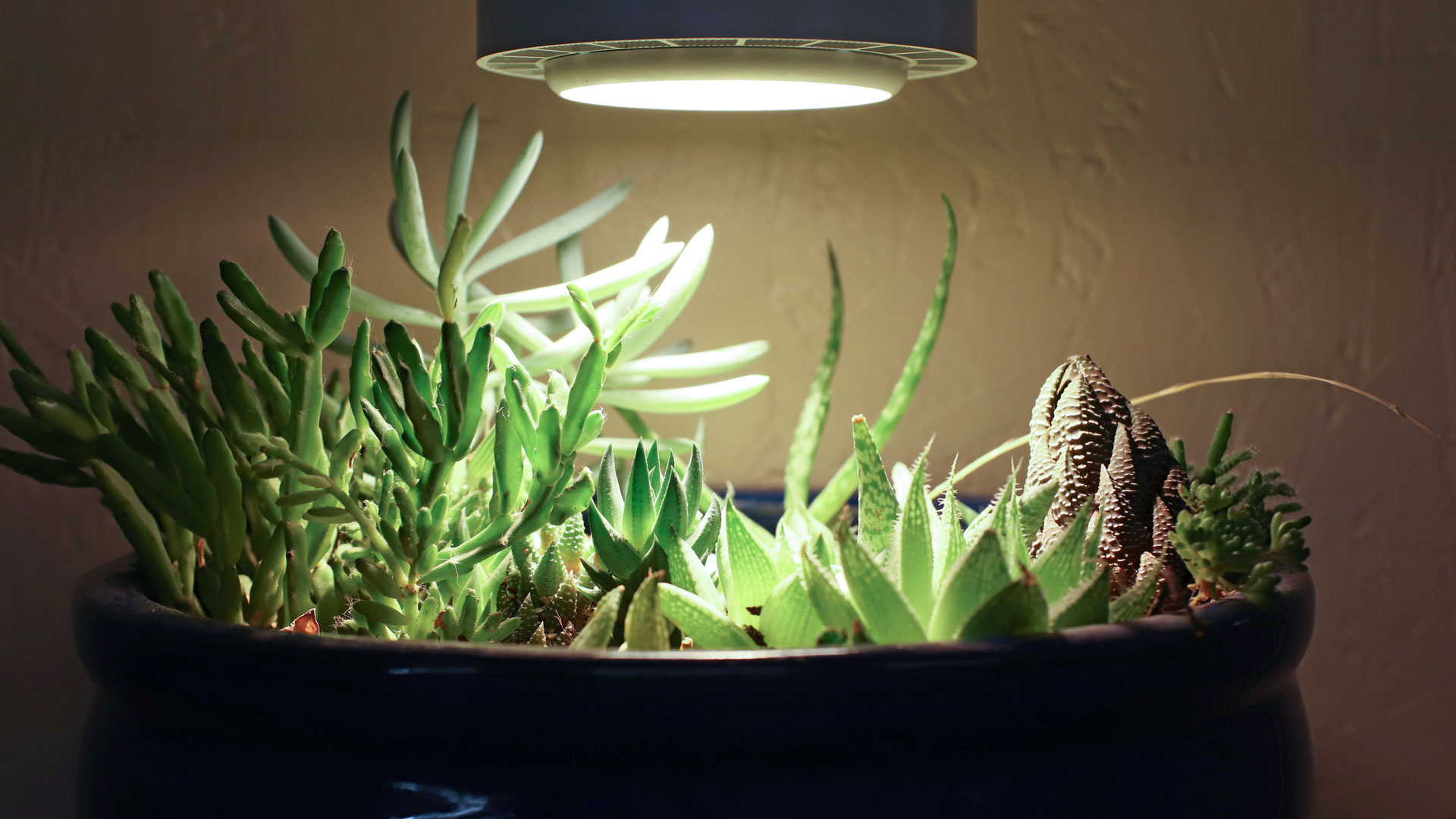
Utilizing artificial lighting is a practical solution to supplement natural light for your succulents’ growth needs. When choosing artificial lighting options, consider LED grow lights and T5 fluorescent lights, both of which offer benefits for succulent growth. LED grow lights are energy-efficient and emit the ideal light spectrum for promoting plant growth. On the other hand, T5 fluorescent lights work well for succulents that require moderate light intensity. To prevent succulent leaves from curling due to artificial lighting, ensure you adjust the light duration according to your plant’s specific light requirements. Additionally, position the artificial lights close enough to the succulents to closely mimic natural sunlight and encourage healthy growth.
- LED grow lights are energy-efficient and provide the ideal spectrum for plant growth.
- T5 fluorescent lights are suitable for succulents requiring moderate light intensity.
- Adjust light duration based on specific succulent light requirements to prevent leaf curling.
- Position artificial lights close to succulents to mimic natural sunlight and promote healthy growth.
3. Pest Infestation
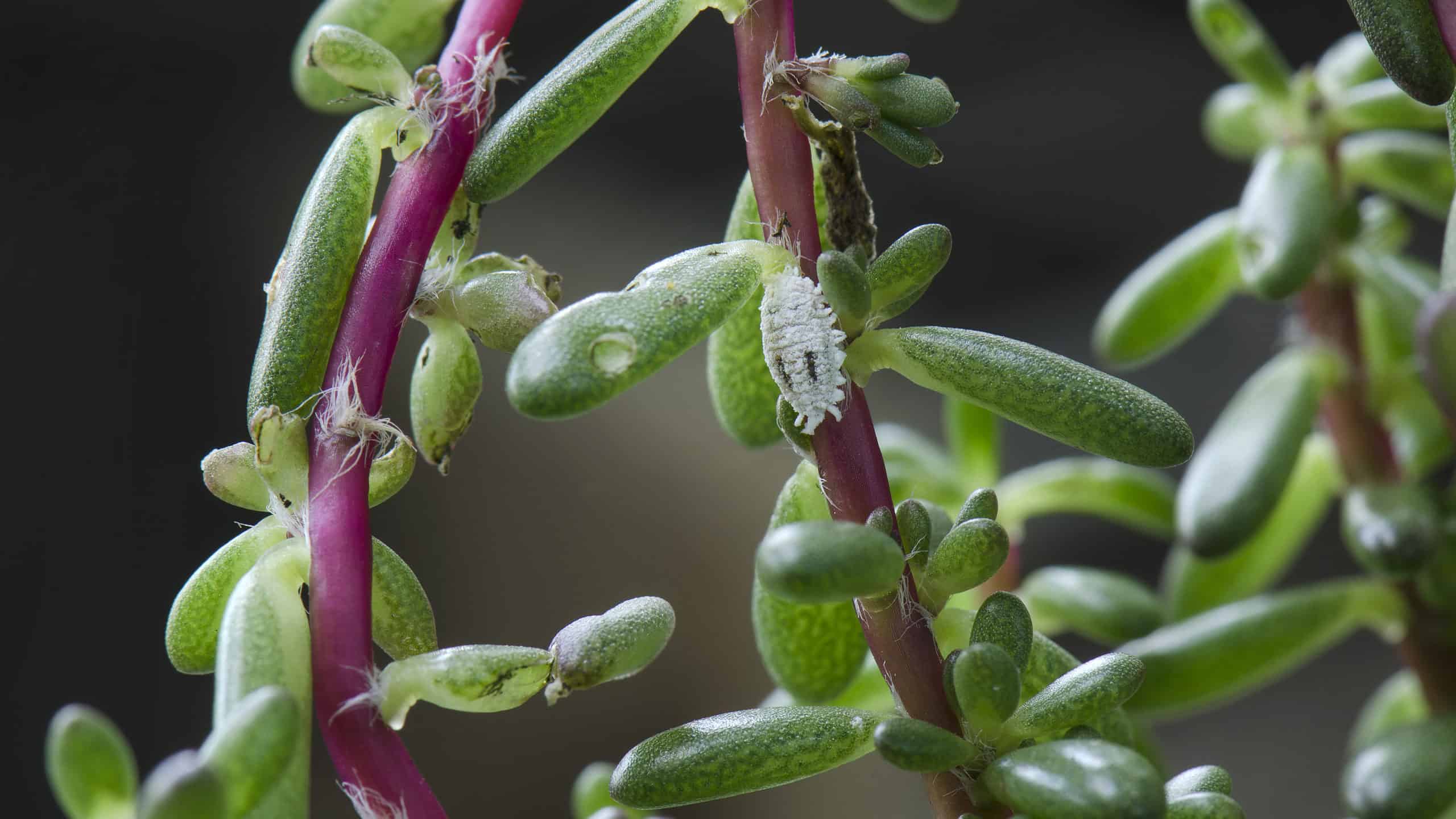
Pest infestation, particularly by spider mites and mealybugs, can disrupt the water balance of succulents, leading to curled leaves. These tiny pests feed on the plant’s sap, causing stress that manifests as curled leaves. Spider mites are arachnids that create fine webbing on the plant, while mealybugs appear as white, cottony masses along the stems and leaves. As these pests feed, they damage the plant tissues and hinder its ability to retain water properly, resulting in the characteristic curling of leaves.
To address pest infestations, regularly inspect your succulents for signs of these invaders. Look out for webbing, tiny moving dots (spider mites), or white cottony clusters (mealybugs). If you detect an infestation, treat the affected plants with suitable insecticidal soap or horticultural oil, ensuring thorough coverage following the product instructions. Prompt action is crucial to prevent further damage and restore your succulents to their healthy state.
4. Underwatering Symptoms

If your succulent’s leaves appear dry, brittle, and curled with crispy edges, these are telltale signs of underwatering. When your plant is not getting enough water, it starts showing visible distress signals. Here are some key symptoms to look out for:
- Dry Soil Texture: Check the soil around your succulent. If it feels dry to the touch and lacks moisture, it’s a clear indication that your plant needs watering.
- Dehydrated Appearance: Succulents suffering from underwatering often have a dehydrated look. The leaves may appear shriveled, and the stems might start to droop.
- Brittle and Curled Leaves: When leaves start to curl and feel brittle with crispy edges, it’s a sign that your succulent is thirsty and requires more water.
- Lightweight Pot: Lift the pot your succulent is in. If it feels lighter than usual, it indicates that the plant is not receiving adequate hydration.
5. Overwatering Signs
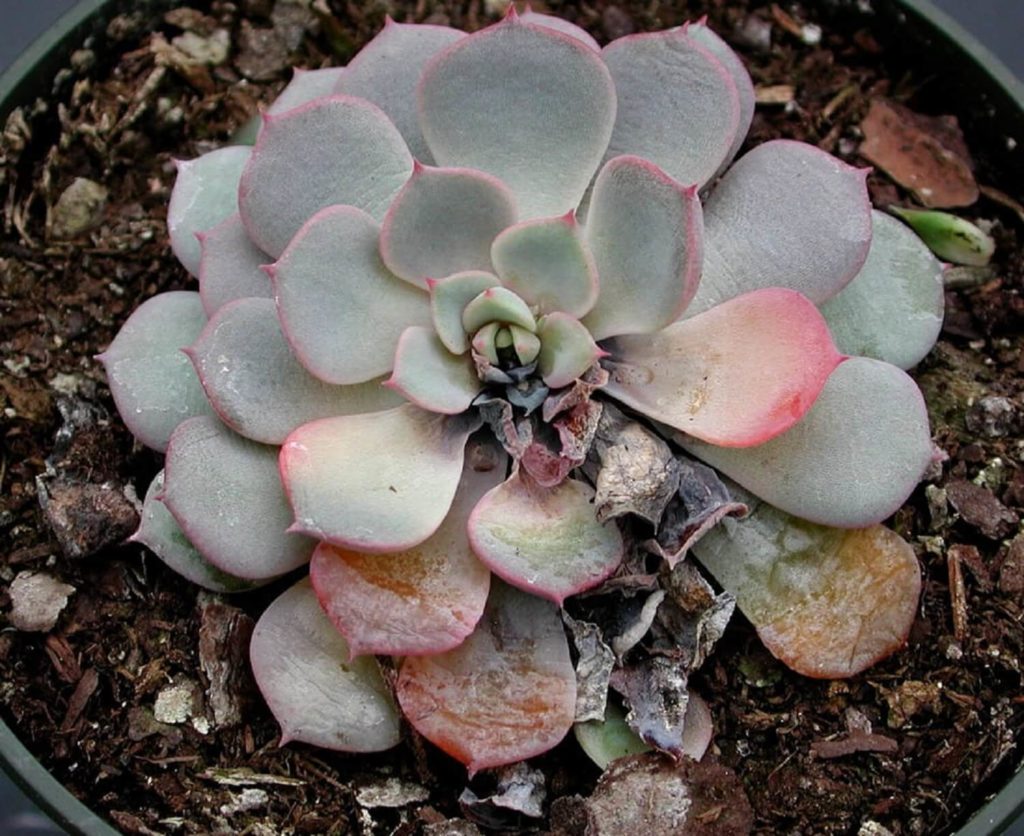
If you notice soft, translucent leaves and saturated soil, your succulent may be overwatered. Bloated leaves and a mushy base are clear indicators of too much moisture. Yellow leaves, mushy stems, and root rot all point to overwatering problems that can cause leaf curling and harm your plant.
Signs of Overwatering
When checking your succulents for signs of overwatering, look out for soft, translucent leaves and soggy soil as key indicators of excess moisture. Overwatering can have detrimental effects on your succulents, so it’s crucial to recognize the signs early on. Here are some common signs that your succulent is being overwatered:
- Bloated leaves: If your succulent’s leaves appear swollen or puffy, it may be a result of too much water retention.
- Soft base of the plant: A mushy or soft base indicates that the plant is absorbing more water than it needs.
- Yellow leaves: Yellowing of leaves, particularly towards the bottom of the plant, can signify overwatering issues.
- Mushy stems: When the stems of your succulent feel soft to the touch, it’s a clear indication of excessive watering.
Effects on Succulents
To understand the impact of overwatering on succulents, observe the telltale signs such as soft, translucent leaves and soggy soil indicating excessive moisture in the plant. Overwatering can lead to detrimental effects on succulents, such as root rot, leaf curling, and overall poor health. When succulents receive more water than they need, their leaves may become bloated, and the base of the plant can turn soft due to excess moisture in the soil. Additionally, yellowing leaves, mushy stems, and the development of root rot are common consequences of overwatering. These symptoms not only affect the appearance of the succulent but also indicate underlying issues that may impact its survival. It is crucial to address overwatering promptly to prevent further damage to your succulents and ensure their well-being. Monitoring soil moisture levels and adjusting your watering practices can help mitigate the risks associated with overwatering.
Correct Watering Practices
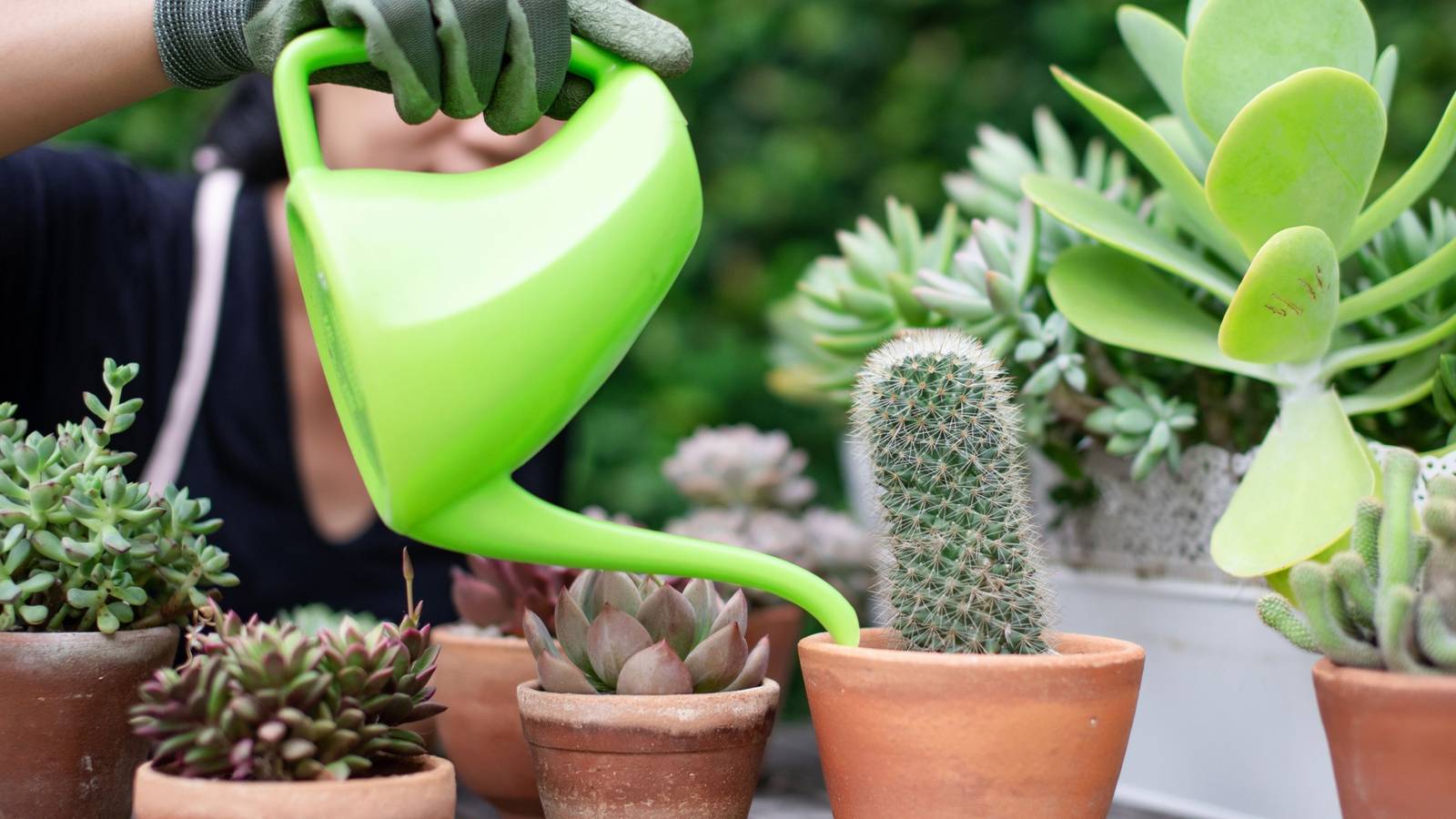
Implementing proper watering practices is essential to prevent succulent leaf curling caused by overwatering. To avoid this issue, follow these tips:
- Watering Schedule: Establish a consistent watering routine based on your succulent’s specific needs, allowing the soil to dry out between waterings to prevent overwatering.
- Soil Mix: Use a well-draining soil mix designed for succulents to help excess water escape quickly, reducing the risk of waterlogged roots.
- Drainage Holes: Ensure your pots have proper drainage holes to allow excess water to flow out, preventing water from pooling at the bottom and causing root rot.
- Monitoring: Regularly check the soil moisture levels by inserting your finger into the soil; water only when the top few inches are dry to the touch to avoid overwatering.
6. Temperature Extremes

Experiencing extreme temperature changes can significantly impact the health of your succulents, often leading to leaf curling as a visible sign of stress. Succulents are particularly sensitive to temperature extremes, such as scorching sun and harsh rays, which can cause rapid water loss and lead to curled leaves. High temperatures can quickly deplete the moisture stored in succulent leaves, resulting in curling as a defense mechanism against water loss. Conversely, cold drafts or sudden temperature fluctuations can also stress succulents, prompting leaf curling as a response to environmental changes.
To prevent leaf curling due to temperature extremes, it is essential to maintain a stable temperature range between 65°F to 80°F for your succulents. Shield your plants from direct exposure to harsh sunlight and excessive heat, especially during the hottest parts of the day. Providing adequate shade and regulating temperature fluctuations around your succulents can help them thrive and avoid the distress that leads to leaf curling.
7. Nutrient Deficiency
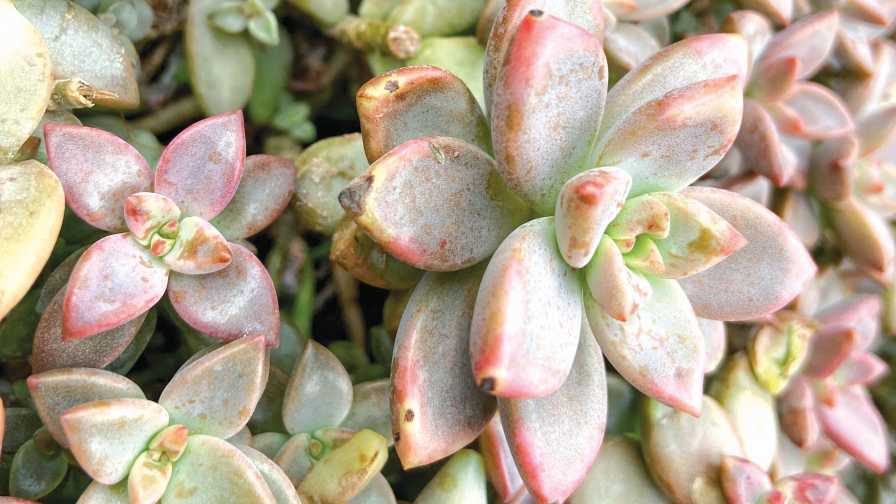
Nutrient deficiency in succulents can result in leaf curling, typically attributed to a lack of essential minerals like nitrogen, phosphorus, or potassium. Addressing this issue promptly is crucial for the health of your plants. Here are some key points to consider:
- Symptoms of Deficiency: Look out for yellowing or browning of leaves, stunted growth, and an overall decline in plant vitality.
- Balanced Fertilizer: Use a balanced fertilizer specifically designed for succulents to ensure they receive the necessary nutrients.
- Regular Monitoring: Keep a close eye on your succulents’ appearance and growth to catch signs of nutrient deficiency early.
- Species-Specific Needs: Adjust fertilizer application based on the individual requirements of the succulent species you are caring for.
8. Root Issues
Regularly checking the roots of your succulents is crucial in maintaining healthy plants and preventing leaf curling due to root issues. Root damage, often caused by overwatering, can lead to root suffocation and rot, impacting the overall health of your succulent leaves. When roots are unable to absorb water properly due to root rot, it can result in a water imbalance within the plant, leading to symptoms like leaf curling.
Overwatering is a common culprit behind root issues in succulents. Excessive moisture in the soil can suffocate the roots, hindering their ability to function efficiently. As a result, the health of the leaves is compromised, and they may begin to curl as a visible sign of distress.
To prevent root problems such as root rot, ensure your succulents are planted in well-draining soil and only water them when the top layer of soil is dry. Addressing root issues promptly is essential in maintaining healthy roots, proper water uptake, and ultimately preventing leaf curling in your succulents.

9. Soil Complications
If you notice your succulent leaves curling, soil complications might be the culprit. Issues like soil pH imbalance, overwatering risks, and nutrient deficiencies can all contribute to leaf curling in succulents. Ensuring proper drainage, avoiding waterlogged conditions, and refreshing the soil annually can help maintain optimal soil conditions for healthy succulents.
Soil Ph Imbalance
When dealing with succulent leaves curling, one crucial factor to consider is the balance of soil pH. Imbalance in soil pH can lead to stress in succulents, affecting their overall health and causing their leaves to curl. Here are some key points to help you address soil pH imbalance:
- Optimal pH Range: Succulents thrive in soil with a pH level between 5.5 and 6.5.
- Impact on Nutrient Absorption: Acidic or alkaline soil can hinder the proper absorption of essential nutrients, further exacerbating leaf curling.
- Testing Soil pH: Use a pH meter or kit to accurately measure the pH level of your soil.
- Adjusting pH Levels: If the pH is outside the optimal range, consider amending the soil with organic materials like compost or sulfur to bring it back into balance.
Overwatering Concerns
To address the issue of succulent leaf curling caused by overwatering concerns, focus on the soil complications that arise from excessive moisture levels. Overwatering can lead to root rot, a condition where the roots become waterlogged and begin to decay. This can manifest in bloated leaves, yellowing, and mushy stems, indicating a serious problem for the succulent. Signs of overwatering include a soft base of the plant and wilted, translucent leaves. To combat these issues, allow the soil to dry out completely between waterings. Ensure that the succulent’s pot has proper drainage to prevent water from pooling at the bottom. Monitoring the soil moisture levels regularly and adjusting the watering frequency accordingly can help prevent succulent leaf curling due to overwatering problems. By addressing the root cause of overwatering and taking proactive measures to maintain a healthy balance of moisture in the soil, you can help your succulent thrive and avoid the detrimental effects of excessive watering.
Nutrient Deficiencies
Nutrient deficiencies in the soil can result in succulent leaf curling, signaling a need for targeted intervention to restore optimal health and growth. When essential nutrients like nitrogen, phosphorus, or potassium are lacking, succulents exhibit curled leaves as a visible sign of distress. To address these deficiencies effectively, consider the following:
- Add Balanced Succulent Fertilizer: Incorporating a balanced succulent fertilizer can provide the necessary nutrients to rectify deficiencies and promote healthy leaf development.
- Conduct Soil Tests: Utilize soil tests to pinpoint specific nutrient deficiencies affecting your succulents, enabling you to tailor your fertilization approach accordingly.
- Implement Proper Soil Amendments: By amending the soil with the lacking nutrients or adjusting the pH levels, you can create an environment conducive to optimal succulent growth.
- Improve Overall Succulent Health: Through proper soil amendments and targeted fertilization, you can enhance the overall health of your succulents, reducing leaf curling and promoting vibrant growth.
10. Disease Development
Disease development in succulents can result in leaf curling as pathogens disrupt the plant’s normal functions. Fungal diseases such as powdery mildew are common culprits behind succulent leaf curling, weakening the plant’s structure and causing the leaves to distort. Additionally, pests like spider mites and mealybugs can further exacerbate leaf curling by upsetting the succulent’s water balance. It is essential to promptly identify and address these issues to prevent extensive damage and continued leaf curling in succulents. Utilizing suitable treatments such as neem oil and insecticidal soap can effectively manage both pests and diseases responsible for succulent leaf curling. By implementing these control measures, you can help safeguard your succulents against disease-related leaf curling, ensuring they remain healthy and vibrant. Remember that early intervention and proper care are key to combating disease development in succulents and preserving their overall well-being.

11. Environmental Stressors
When facing succulent leaf curling, it is essential to consider environmental stressors such as overwatering, sunlight deficiency, and extreme temperatures as potential causes. To ensure they’re not contributing to leaf curling, follow these practical tips:
- Proper Drainage: Good air circulation around the roots prevents waterlogged soil, which can lead to curled leaves.
- Well-Draining Soil: Succulents thrive in well-draining soil that helps prevent overwatering, reducing the risk of leaf curl.
- Light Exposure: Monitoring light levels and ensuring your succulents receive adequate sunlight can prevent leaf curling due to insufficient light.
- Temperature Control: Avoid sudden temperature changes and extremes to maintain optimal conditions for your succulents and prevent leaf curl caused by environmental stressors.