

For top-notch planter boxes, look into Redwood, Eastern Red Cedar, and Western Red Cedar, all great for durability and elegance. Cypress offers insect-repellent properties and minimal upkeep. Douglas Fir is cost-effective yet long-lasting. Larch Wood provides natural protection against decay with little maintenance required. Eastern Hemlock is both durable and budget-friendly for a sustainable choice. Consider the Janka ratings, resistance to decay, and the maintenance needs of each wood type to make a wise decision. Further insights await on how to safeguard and maintain your wooden planters for years to come.
1. Redwood

Redwood, renowned for its natural rot-resistance and exceptional durability, is a top choice for crafting long-lasting and low-maintenance planter boxes. With a high Janka rating of 3,190 lbf, redwood stands out for its strength and resistance to decay, ensuring that your planter boxes will endure the test of time.
Despite being pricier than other wood options, the longevity and durability of redwood make it a worthwhile investment for your outdoor space. Not only does redwood offer practical benefits, but its natural beauty also adds an elegant touch to any garden.
Maintaining redwood planter boxes is a breeze, requiring minimal upkeep over their extended lifespan. By choosing redwood for your planter boxes, you aren’t only selecting a material that will last up to 20 years but also enhancing the aesthetic appeal of your outdoor environment.
2. Eastern Red Cedar

Consider Eastern Red Cedar as another excellent option for your planter boxes, offering durability and natural resistance to decay and insects. Abundant in Texas, this wood is readily available for your DIY projects.
Eastern Red Cedar’s natural properties make it a smart choice for outdoor use, ensuring longevity without the need for constant upkeep. Its resistance to decay and insects means your planter boxes will remain sturdy and intact for years to come.
In addition to its durability, Eastern Red Cedar is known for being lightweight and easy to work with, making it a practical option for constructing planter boxes. The wood also emits a pleasant aroma, adding a touch of natural fragrance to your outdoor space.
With its reputation for being long-lasting and low-maintenance, Eastern Red Cedar is a reliable and attractive choice for anyone looking to build durable and beautiful planter boxes.
3. Western Red Cedar
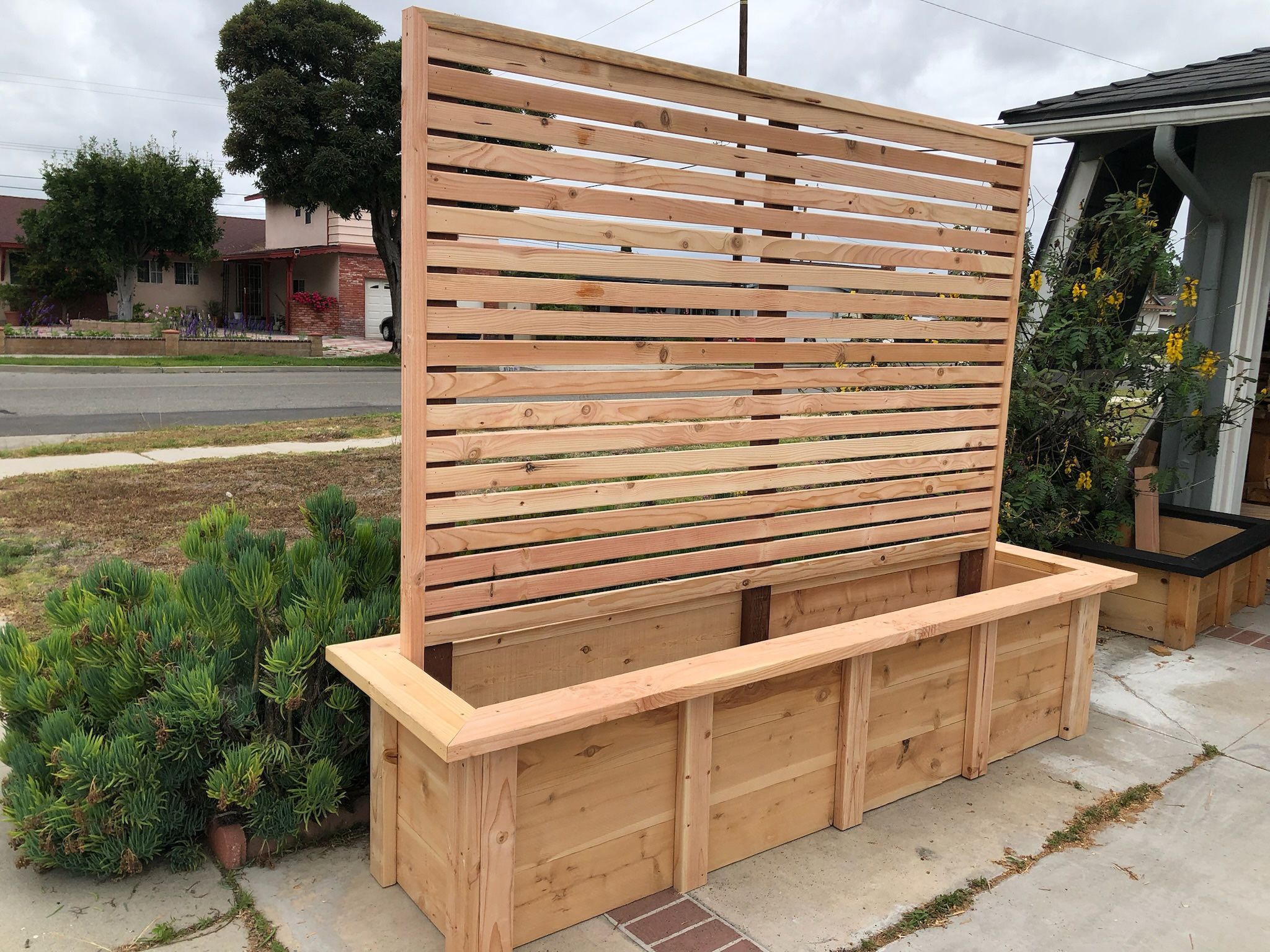
Opt for Western Red Cedar when selecting wood for your planter boxes, as it boasts natural resistance to rot and insects. Western Red Cedar is a popular choice among gardeners for its durability and ability to withstand the elements.
This type of wood isn’t only practical but also aesthetically pleasing, with a beautiful color and grain pattern that adds charm to your outdoor space. Its lightweight nature makes it easy to handle, perfect for DIY enthusiasts looking to craft their own planters.
Moreover, planter boxes made from Western Red Cedar can last for many years with proper care and maintenance. This wood is known for its eco-friendly properties as it’s sourced sustainably, making it a conscious choice for environmentally-minded gardeners.
4. Cypress
Cypress wood offers a durable option for your planter boxes, showcasing resistance to rot and decay.
To maintain its longevity, consider regular checks for any signs of wear and tear.
With its natural oils acting as a protective shield, Cypress is a reliable choice for your outdoor greenery.

Cypress Characteristics
With its exceptional durability and resistance to rot, Cypress wood stands out as an ideal choice for crafting outdoor planter boxes. Cypress is naturally insect-repellent, reducing the risk of pest damage to your planters while adding a touch of elegance to your garden with its beautiful grain pattern and light color. This wood type, commonly found in the Southern and Eastern regions of the United States, thrives in the local climate, showcasing its longevity and reliability for long-term planter box projects.
| Cypress Characteristics | |
|---|---|
| Durability | High |
| Resistance to rot | Excellent |
| Insect-repellent | Yes |
| Longevity | Exceptional |
Cypress wood’s combination of durability, resistance to rot, insect-repellent properties, and longevity makes it a top choice for outdoor planter boxes. Its availability in the Southern United States also ensures that you can source this wood easily for your gardening projects.
Cypress Maintenance Tips
To maintain the natural beauty and durability of your cypress planter boxes, annual upkeep is essential. Cypress wood, known for its resilience and longevity, requires proper care to ensure it withstands the elements and stays looking its best. Here are some maintenance tips to keep your cypress planters in top condition:
- Apply Protective Sealant: Regularly coat your cypress planter boxes with a protective sealant to shield them from weathering and decay.
- Sand and Refinish: Periodically sanding and refinishing your cypress planters can revitalize their appearance and extend their lifespan.
- Utilize Cypress’s Natural Resistance: Take advantage of cypress wood’s natural resistance to rot and insects by maintaining a clean environment around your planters.
- Inspect Regularly: Check your cypress planter boxes routinely for any signs of damage or wear and address them promptly.
- Proper Storage: During harsh weather conditions, consider storing your cypress planters indoors to protect them from excessive moisture or sunlight.
5. Douglas Fir

Douglas Fir stands out as a cost-effective and durable wood choice for constructing planter boxes. This low-cost option not only offers affordability but also showcases excellent resistance to decay and insects.
When it comes to creating outdoor planters, Douglas Fir is a practical and safe choice as it doesn’t contain any harmful chemicals. While it may not be as rot-resistant as cedar or redwood, with proper maintenance, Douglas Fir can still last for several years, making it a reliable option for your gardening projects.
Its availability, natural beauty, and ability to withstand outdoor elements further contribute to its popularity among DIY enthusiasts. So, if you’re looking for an affordable yet reliable wood for your planter boxes, Douglas Fir is a great option to consider.
6. Larch
Larch wood is a top choice for planter boxes due to its exceptional durability, withstanding the test of time against rot and decay.
Its light, creamy color and attractive grain pattern can enhance the natural charm of your garden space.
In terms of maintenance, larch requires minimal attention, making it a practical and long-lasting option for your outdoor projects.
Larch’s Durability
With its exceptional durability and resistance to rot, larch wood stands out as a top choice for crafting long-lasting and sturdy planter boxes. The natural oils and resins present in larch wood contribute to its longevity and ability to withstand outdoor conditions.
Additionally, larch wood boasts a Janka hardness rating of around 1,090 lbf, showcasing its strength and durability ideal for use in planter boxes. This wood species is frequently utilized in outdoor applications due to its remarkable weather resistance and longevity.
Moreover, larch wood’s beautiful grain patterns and natural color make it an attractive choice for both functional and aesthetic planter boxes.
- Larch wood is exceptionally durable and resistant to rot.
- The natural oils and resins in larch wood enhance its longevity.
- With a Janka hardness rating of around 1,090 lbf, larch wood is strong and durable.
- Larch wood is well-suited for outdoor applications due to its excellent weather resistance.
- The attractive grain patterns and natural color of larch wood make it visually appealing for planter boxes.
Larch’s Aesthetic Appeal

Explore the captivating visual allure of larch wood, characterized by its light hue and distinct grain pattern, adding a touch of natural elegance to planter boxes.
Larch wood’s aesthetic appeal lies in its pale color that beautifully complements various plants and garden settings. The unique grain pattern further enhances the overall charm, creating a visually appealing focal point in any outdoor space.
In addition to its beauty, larch wood offers exceptional durability and resistance to rot, making it a reliable choice for long-lasting planter boxes. Its natural weather-resistant properties ensure that the wood can withstand outdoor elements without the need for chemical treatments.
The presence of natural oils in larch wood serves as a protective barrier against decay and insects, contributing to its longevity and low-maintenance nature.
When considering the aesthetic appeal of larch wood for planter boxes, you can rest assured that not only will they look visually stunning, but they’ll also stand the test of time with minimal upkeep.
Larch’s Maintenance Needs
For easy maintenance of larch planter boxes, a regular cleaning routine with mild soap and water is all that’s required to preserve their appearance. Larch wood’s natural resistance to decay and insects makes it a low-maintenance option for outdoor planter boxes.
Here are some practical tips to ensure your larch planter boxes remain in top condition:
- Clean the planter boxes regularly with mild soap and water to remove dirt and grime.
- Apply a protective finish such as oil or sealant to enhance the durability and beauty of the larch wood.
- Inspect the planter boxes periodically for any signs of wear or damage and address them promptly.
- Avoid placing hot items directly on the larch wood surface to prevent damage.
- Keep the planter boxes elevated or on feet to promote airflow and prevent moisture buildup, which can lead to decay over time.
7. Eastern Hemlock

Consider Eastern Hemlock as a durable and budget-friendly wood option for your planter boxes, valued for its natural resistance to decay and insects. With a Janka hardness rating of 800 lbf, Eastern Hemlock is a robust choice suitable for outdoor settings.
This wood species, native to the eastern United States and Canada, offers a sustainable alternative for your garden projects.
Eastern Hemlock’s natural resistance to decay and insects makes it a low-maintenance option for your planter boxes. With proper care, these boxes can endure for many years, enhancing the beauty of your garden while remaining functional.
The affordability of Eastern Hemlock further adds to its appeal, especially for DIY enthusiasts looking for a cost-effective yet durable solution.
Conclusion
Overall, when choosing the best type of wood for your planter boxes, consider factors such as durability, resistance to rot and insects, and aesthetics. Redwood, Western Red Cedar, and Cypress are all excellent choices due to their natural resistance to decay and beautiful appearance.
Eastern Red Cedar, Douglas Fir, Larch, and Eastern Hemlock are also solid options depending on your specific needs and preferences.
Whichever wood you choose, be sure to properly seal and maintain your planter boxes to ensure longevity and beauty in your garden.