

As a home gardener, I’ve found that cultivating culinary herbs not only adds a fresh dimension to my cooking but also offers a sense of satisfaction in growing my ingredients. Imagine having a selection of vibrant herbs like chives, cilantro, and tarragon just steps away from your kitchen, enhancing your dishes with their distinct flavors and aromas. The process of nurturing these herbs is both rewarding and educational, providing insights into plant care and sustainability practices. There’s a world of culinary possibilities waiting for you in your garden – are you ready to explore it?
1. Basil

Basil, a fragrant and versatile herb, thrives in warm, sunny conditions, requiring a minimum of 6 hours of sunlight daily for optimal growth.
To ensure a bountiful harvest, regular pruning is essential. By harvesting basil leaves frequently, you can prevent the plant from bolting and encourage it to grow bushier, providing you with a continuous supply of fresh leaves.
This herb is a staple in Italian cuisine, elevating dishes like caprese salad and homemade pesto with its aromatic flavor.
When storing basil, either place its stems in water and cover them loosely or wrap the leaves in damp paper towels for refrigeration.
To enhance soil structure, organic fertilizers can be applied, which not only provide essential nutrients but also improve water retention.
Remember to inspect your basil plant regularly for pests like aphids and spider mites, and maintain healthy growing conditions to ensure its prosperity.
2. Rosemary

Growing rosemary can be a rewarding experience for any herb enthusiast. This perennial herb thrives in full sun and well-drained soil, making it perfect for outdoor gardens or sunny indoor spaces.
Rosemary’s strong, piney flavor enhances dishes like roasted meats, vegetables, and infused oils. To cultivate rosemary successfully, remember that herbs need regular pruning to encourage bushier growth. This prevents them from becoming leggy, ensuring a continuous harvest.
Interestingly, incorporating succulents alongside rosemary can add aesthetic appeal to your garden while improving air quality. Rosemary prefers a dry environment, so water sparingly and allow the top inch of soil to dry between waterings to prevent root rot.
Outdoor plants can be potted and brought indoors during colder months to shield them from frost, extending your harvest throughout the year.
3. Thyme

Embracing the sun-kissed essence of a Mediterranean herb garden, thyme brings a burst of flavor and fragrance to your culinary creations. Thriving in sunny conditions, this herb requires at least six hours of direct sunlight daily.
To ensure optimal growth, provide well-drained soil and avoid overwatering to prevent water pooling. In the kitchen, thyme is a versatile herb used in soups, stews, roasted meats, and vegetables, enhancing the taste of various dishes.
The beauty of thyme lies in its hardiness; you can harvest it regularly without harming the plant, allowing for continuous use throughout the growing season. Its low maintenance needs also make it perfect for indoor cultivation, making it an excellent choice for home gardeners with limited space.
Additionally, similar to the nutrient requirements of grass, thyme benefits from occasional fertilization, which can enhance its growth and aromatic qualities.
4. Mint

With its refreshing aroma and culinary versatility, mint is a must-have herb for any home gardener.
Mint is a fast-growing herb that thrives in well-drained soil and prefers consistent moisture, making it ideal for container gardening to control its invasive tendencies. This herb is easily propagated from cuttings or existing plants, allowing for quick access to fresh leaves.
Its cooling flavor enhances a wide range of dishes, from desserts to teas and savory Mediterranean cuisines. Mint should be grown in partial shade to prevent leaf scorch, especially during warmer months, and requires regular harvesting for bushier growth.
Indoors, mint benefits from frequent watering and can be used fresh or dried for flavoring, though the freshest leaves offer the most intense flavor.
5. Marjoram

I find myself reaching for marjoram time and time again in my culinary adventures. This perennial herb with a sweet, citrusy flavor is a must-have for any herb garden.
To start growing herbs like marjoram, find a sunny spot with well-draining soil and ensure temperatures stay above 60°F. Regularly harvesting marjoram not only keeps it bushy but also maintains its flavorful leaves by preventing flowering.
Fresh marjoram leaves are ideal for cooking, but you can also dry them for later use, although they may lose some potency.
Marjoram’s versatility shines in dishes like creamy dressings, soups, and roasted meats, making it a valuable addition to your culinary herb collection.
6. Oregano
:max_bytes(150000):strip_icc()/oregano-GettyImages-1396383006-abdea429f00e4f599b83fab2302bb489.jpg)
Frequently used in Mediterranean and Italian dishes, oregano is a perennial herb prized for its earthy and slightly bitter flavor profile.
To cultivate oregano in your herb garden successfully, ensure it’s planted in well-drained soil and receives ample sunlight, ideally 6-8 hours daily. This herb thrives in dry conditions, so select a spot with low humidity to prevent diseases like root rot.
Harvest oregano regularly, as its flavor intensifies when the leaves are dried for storage. Oregano’s robust taste makes it a versatile herb in various recipes, and it can be used interchangeably with marjoram, its close relative.
With a little care and attention, you can enjoy the fresh flavors of oregano right from your own garden.
7. Parsley
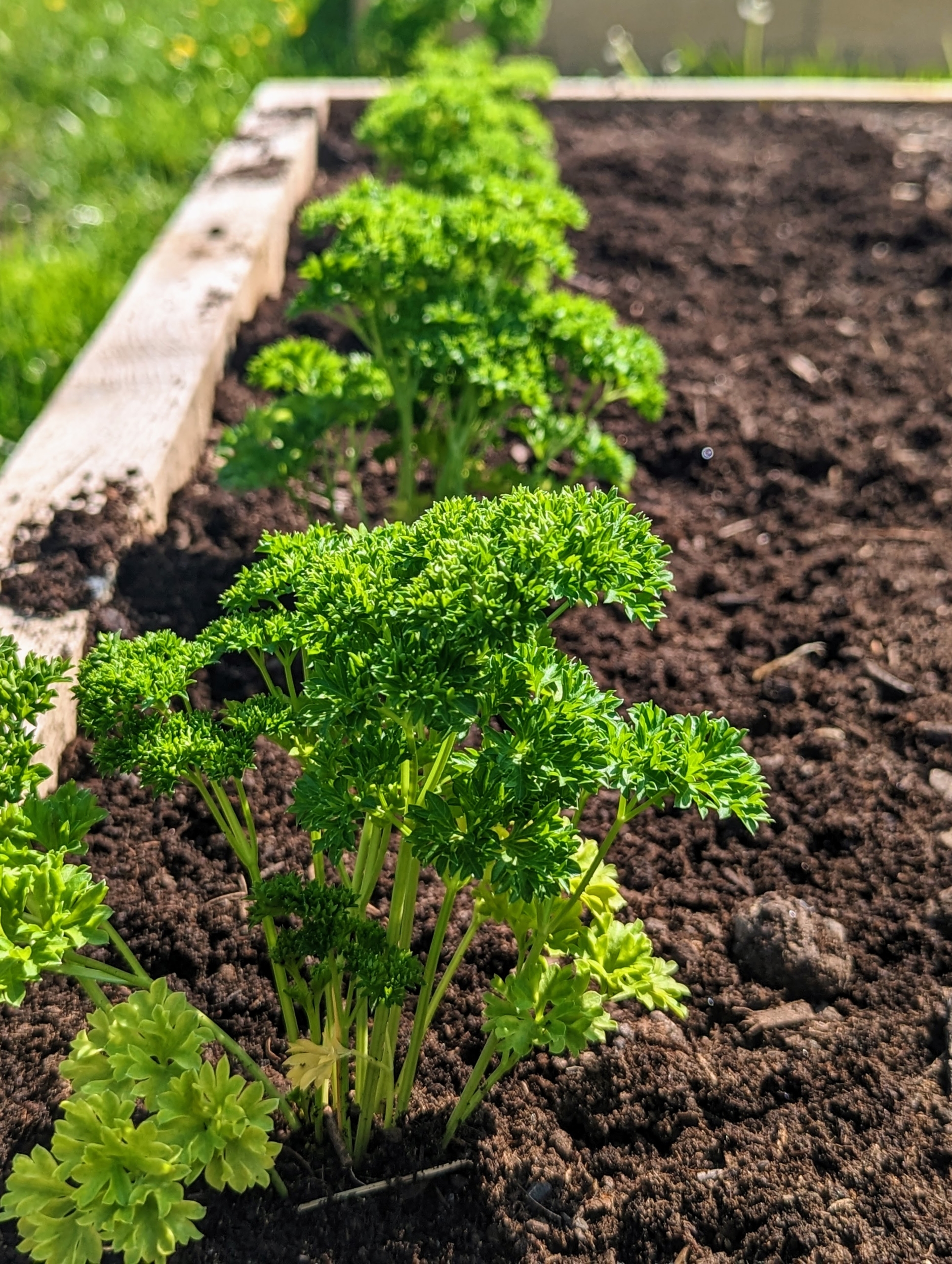
When cultivating parsley in your home garden, you’re adding a versatile herb that not only serves as a popular garnish but also enhances the flavors of numerous dishes.
Growing parsley can be done from seeds or small plants, with a preference for well-drained soil and consistent moisture to prevent leggy growth. This herb thrives in full sun to partial shade, needing at least 6 hours of light daily for optimal growth.
Regular harvesting of leaves is essential to encourage bushier growth and prevent flowering, which can diminish flavor.
Rich in vitamins A, C, and K, parsley is a nutritious addition to meals, promoting overall health.
Enjoy the benefits of growing this flavorful herb in your garden.
8. Cilantro

Cilantro, a vibrant herb with a distinctive flavor profile, is a versatile addition to any culinary garden. This herb, also known as coriander in its seed form, brings a fresh, citrusy taste to dishes, commonly found in Mexican, Indian, and Thai cuisines.
To cultivate cilantro successfully, ensure it has well-drained soil and full sunlight in temperatures between 60°F and 75°F (15°C to 24°C). Given that cilantro can quickly bolt in warm weather, it’s best to sow seeds every few weeks for a continuous harvest.
Harvest the leaves when young and tender and the seeds when they turn brown. Rich in vitamins A, C, and K, cilantro offers antioxidant properties and supports digestive health.
Start growing this flavorful herb in your garden today!
9. Sage
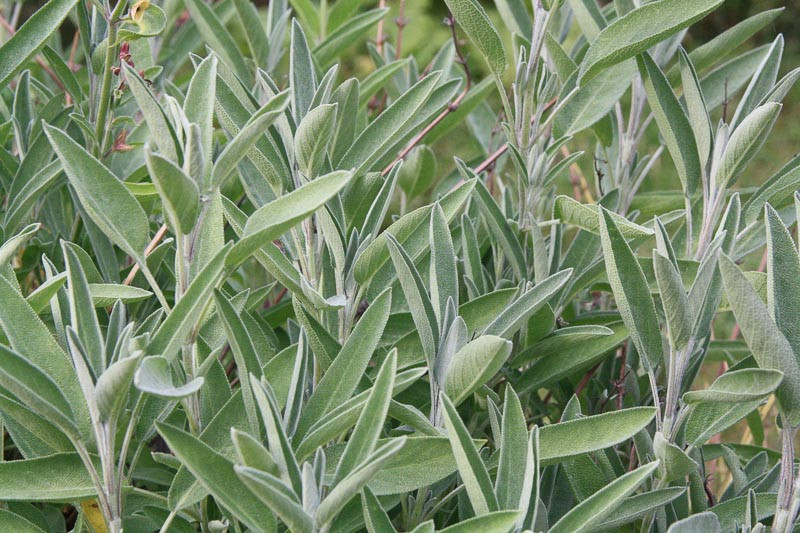
With its robust aroma and earthy flavor, Sage is a versatile herb that enhances a wide range of dishes, including Mediterranean favorites and savory recipes.
This aromatic herb is a staple in culinary herbs, often used in Mediterranean, Italian, and savory dishes, particularly in stuffing and sauces.
Sage thrives in well-drained soil and requires approximately six hours of full sun daily, making it suitable for both outdoor gardens and sunny indoor locations.
As a perennial herb, Sage can be harvested throughout the growing season by snipping off leaves or stems.
Its velvety leaves can withstand long cooking times, ideal for infusing flavors into various dishes like roasted meats and vegetables.
10. Chives
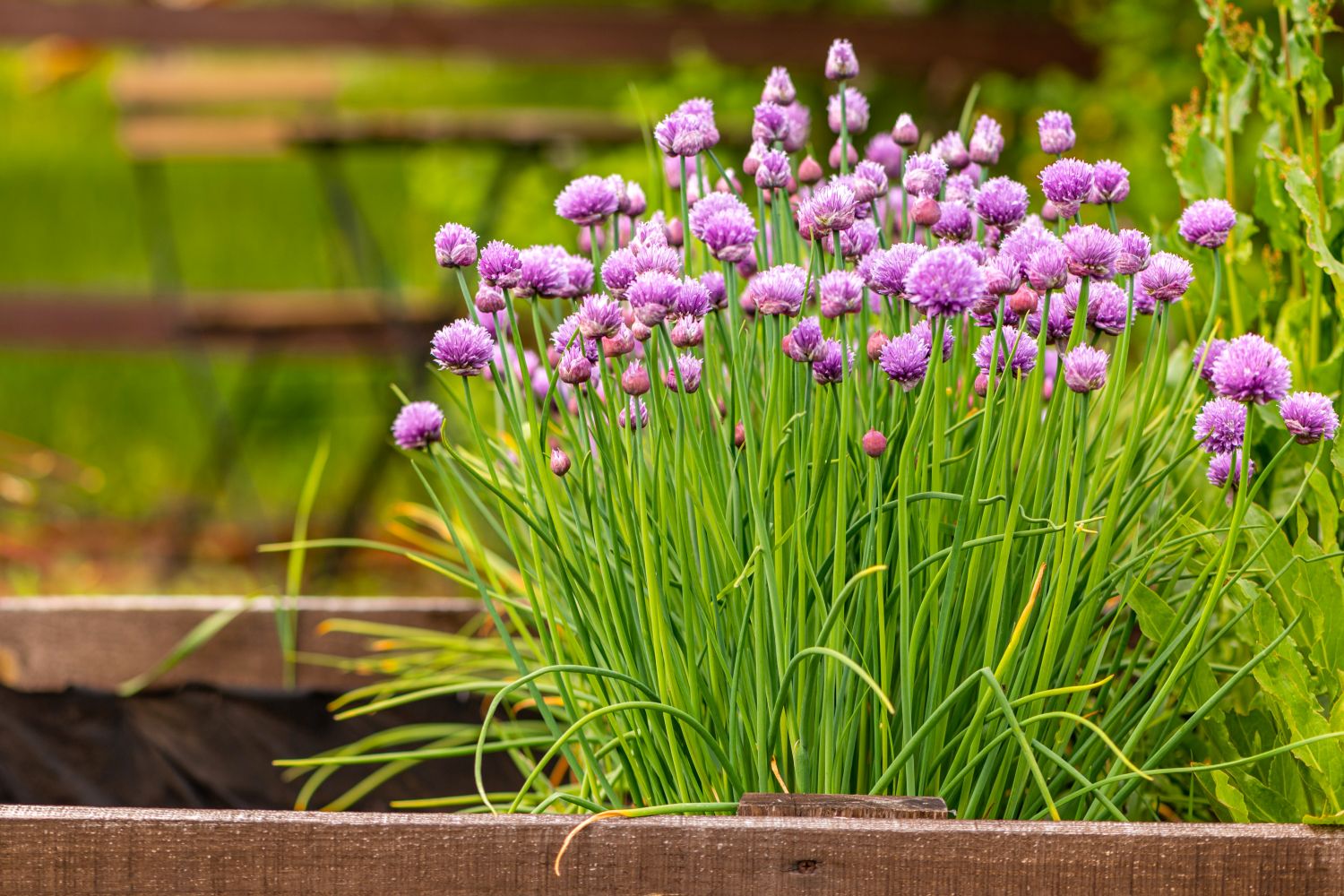
Chives, a versatile perennial herb belonging to the onion family, adds a subtle yet distinct onion flavor to a variety of dishes. Here are some practical tips for growing and using chives:
- Sunlight and Soil: Thrive in well-drained soil with at least 6 hours of direct sunlight daily.
- Harvesting: Continuously harvest for the best flavor, cutting leaves fresh from the plant.
- Edible Flowers: The flowers have a mild garlic flavor, perfect for enhancing salads and other dishes.
- Low-Maintenance: Tolerant of various growing conditions, making them ideal for beginners.
- Freezing: Preserve excess chives by freezing them for later use.
Chives are best known for their mild onion taste, ease of growth, and versatility in the kitchen.
11. Dill
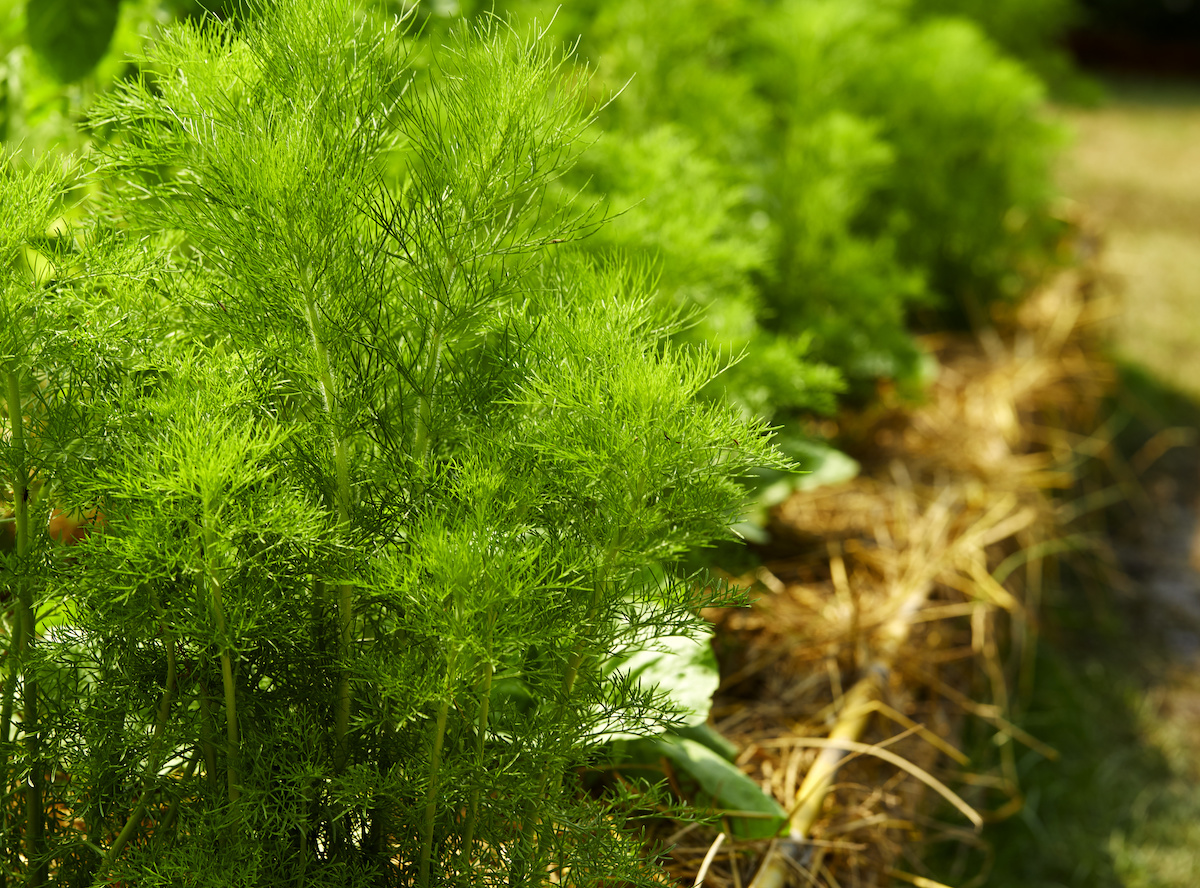
Known for its vibrant feathery foliage and distinct tangy flavor, dill is a versatile annual herb that thrives in sunny, well-drained garden beds.
This herb is a perfect addition to your home garden, especially if you have a spot that receives full sun. Dill’s tangy taste complements dishes like fish, pickles, and salads, adding a unique flavor profile.
It grows rapidly, ready for harvest within 40 to 60 days after planting, allowing for multiple harvests in a single season.
Whether used fresh or dried, dill brings a burst of flavor to your culinary creations. Additionally, dill attracts beneficial insects like pollinators, enhancing your garden’s ecosystem and providing a lovely display of delicate flowers.
12. Tarragon
Thriving in well-drained soil under ample sunlight, tarragon is a perennial herb prized for its distinctive anise-like flavor, a hallmark of French culinary tradition.
When growing tarragon in your garden, here are some best practices to keep in mind:
- Provide full sun for at least 6 hours daily.
- Consider propagating through division or purchase established plants for best results.
- Harvest leaves throughout the growing season for the most intense flavor.
- Use tarragon to enhance the taste of meats like chicken and fish.
- Experiment with classic sauces like béarnaise to make the most of tarragon’s unique flavor profile.
13. Benefits of Herb Gardening

Growing culinary herbs at home offers a myriad of benefits that extend far beyond just enhancing the flavors of our dishes. By growing your own herbs, you can enjoy the freshness of ingredients that elevate the taste of meals without adding extra calories, making your dishes both nutritious and vibrant.
Moreover, cultivating herbs at home is cost-effective, reducing grocery expenses as many herbs can thrive for years with proper care. Herb gardening isn’t only a practical way to save money but also promotes mental well-being through physical engagement and the therapeutic benefits of nurturing plants, providing a sense of accomplishment and relaxation.
Additionally, fresh herbs are packed with antioxidants and essential vitamins, contributing to improved immune function and overall health. Growing your own herbs also helps minimize reliance on store-bought options, reducing plastic waste and carbon footprint associated with the transportation of commercially grown herbs.
14. Common Herb Pests
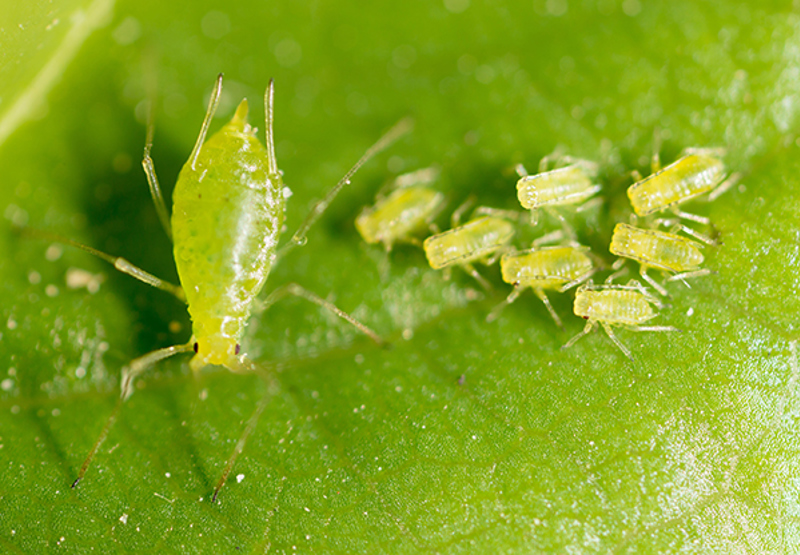
Encountering common herb pests can be a frustrating challenge for home gardeners striving to maintain healthy and thriving culinary herbs.
When dealing with common pests, here are some key points to keep in mind:
- Aphids, spider mites, and whiteflies are common pests that can damage herbs by sucking sap and weakening growth.
- Aphids reproduce rapidly and cluster on the undersides of leaves, leading to significant infestations.
- Spider mites thrive in dry conditions, leaving stippling on leaves and creating fine webs.
- Whiteflies resemble tiny moths and can cause yellowing leaves and stunted growth.
- Effective natural control methods include using beneficial insects, neem oil, and insecticidal soap to manage pest populations.
15. Companion Planting

Dealing with common herb pests is a constant battle for home gardeners, but incorporating companion planting strategies can be a game-changer in maintaining a thriving herb garden.
Companion planting involves strategically placing herbs that benefit each other when grown in close proximity. For instance, planting basil near tomatoes not only enhances the flavor of the tomatoes but also deters harmful insects like aphids and whiteflies.
Dill attracts beneficial pollinators, which can boost the overall health of the garden and improve the yield of nearby plants.
Sage is known to improve the growth of carrots while repelling carrot flies.
16. Keeping Rabbits Out

Warding off rabbits from your herb garden requires strategic planning and proactive measures to protect your precious plants.
To keep these furry intruders at bay, consider the following tips:
- Install fencing at least 2-3 feet high and bury it 6-12 inches underground to prevent digging.
- Plant deterrent herbs like lavender or rosemary, which rabbits typically avoid due to their strong scents.
- Utilize noise-making devices or motion-activated sprinklers to startle and deter rabbits.
- Regularly check for signs of rabbit activity and adjust your deterrent methods accordingly.
- Try companion planting with marigolds to repel rabbits and attract beneficial insects for a healthier herb garden.
17. Vegetable Garden Planning
To protect your herb garden from rabbits, a well-thought-out plan is essential.
When planning your vegetable garden, it’s crucial to consider the hours of direct sunlight your plants will receive. Choose a location that gets at least 6-8 hours of sunlight daily, as most culinary herbs and vegetables require ample light for optimal growth.
Select compact varieties like basil, chives, and parsley that thrive in limited spaces. Implement vertical gardening techniques such as trellises to maximize space.
Use high-quality, well-draining soil enriched with organic compost for healthy plant growth. Plan for crop rotation and seasonal planting to maintain soil health and ensure a continuous supply of fresh herbs and vegetables throughout the year.