

When planning a garden that invites wildlife, selecting the right berries is key. Imagine a kaleidoscope of vibrant bird species fluttering amidst lush greenery, feasting on nature’s buffet of berries. Each selection plays a crucial role in nurturing the delicate balance of your garden ecosystem. So, which 15 berries hold the secret to a thriving wildlife sanctuary in your backyard? Let’s uncover the top choices that will transform your outdoor space into a haven for feathered friends and pollinators alike.
1. American Cranberry Viburnum

Occasionally, the American Cranberry Viburnum (*Viburnum opulus var. americanum*) stands tall as a beacon for wildlife enthusiasts and gardeners alike.
This native shrub produces white spring flowers that give way to clusters of vibrant red berries, serving as a crucial source of food for various bird species like brown thrashers and cedar waxwings.
By supporting local ecosystems, these plants not only attract birds but also contribute significantly to maintaining biodiversity and the health of nearby habitats.
Growing up to 12 feet in height, this deciduous plant thrives in USDA Hardiness Zones 2-7 and prefers moist, well-drained soil, often found in wetland areas.
The American Cranberry Viburnum’s berries not only attract birds but also play a vital role in supporting local ecosystems.
With its seasonal interest, from spring flowers to colorful autumn foliage, this shrub offers both beauty and ecological benefits to any garden setting.
2. Red-Twig Dogwood

Nestled among the diverse array of wildlife-friendly shrubs, the Red-Twig Dogwood (*Cornus sericea*) stands out as a dynamic choice for gardeners seeking to promote biodiversity in their outdoor spaces.
This fast-growing native plant reaches heights of up to 8 feet, forming dense thickets that offer wildlife ample habitat. In spring, it blooms with clusters of white flowers, later yielding small white to blue berries that attract a variety of birds, including songbirds and game birds, throughout fall and winter.
The vibrant red stems of the Red-Twig Dogwood add visual appeal to the winter landscape and serve as a crucial food source for birds when other options are scarce.
Thriving in various soil conditions, particularly moist areas, this resilient shrub is suited for Zones 2-8, making it an ideal choice for maximizing your garden’s ecological benefits.
3. Chokeberry

In the realm of wildlife-friendly shrubs, the Chokeberry (*Aronia arbutifolia*) emerges as a striking contender for gardeners seeking to enrich their outdoor spaces with biodiversity. This native shrub offers more than just visual appeal; it plays a crucial role in supporting local wildlife populations through its abundant production of small, dark berries that serve as a vital food source.
Here are some key points to consider about the Chokeberry:
- Bird Magnet: The berries of the Chokeberry are a favorite snack for birds such as brown thrashers and cedar waxwings, attracting these feathered visitors to your garden.
- Nutrient Powerhouse: While humans may find the berries tart, they’re rich in nutrients and antioxidants, providing essential sustenance to wildlife, especially during harsh winter months.
- Habitat Enhancer: By incorporating Chokeberry into your garden, you aren’t only providing food but also creating a diverse ecosystem that supports a healthier environment for wildlife.
Adding native plant varieties like the Chokeberry can enhance local bee populations, providing crucial pollination benefits that further boost your garden’s health and biodiversity.
4. Wahoo
Attracting the gaze of both avid birdwatchers and wildlife enthusiasts, Wahoo (*Euonymus atropurpureus*) stands tall as a native shrub boasting clusters of vibrant scarlet berries that serve as a beacon for a variety of bird species.
These bright berries are highly attractive to birds like thrushes and waxwings, offering a vital food source during winter when other food may be scarce.
Wahoo, a deciduous shrub that can reach heights of up to 20 feet, thrives in diverse soil conditions, making it adaptable to various garden settings.
Its dense foliage provides essential shelter and nesting spots for birds and small mammals, contributing to the overall biodiversity in your garden.
Additionally, Wahoo’s spring flowers attract pollinators, enhancing the ecological balance within your garden.
5. Eastern Red Cedar

Wahoo, a native shrub celebrated for its vibrant scarlet berries, beckons wildlife enthusiasts with its rich offerings.
The Eastern Red Cedar (*Juniperus virginiana*) is a versatile evergreen tree that can reach up to 65 feet in height, thriving in diverse soil types across Zones 3-9.
Here’s why it’s one of the best berries for attracting wildlife to your garden:
- Crucial Food Source: The blue berrylike cones of the Eastern Red Cedar are a vital source of nutrition for many birds, such as cedar waxwings, robins, and bluebirds, especially during winter when food is scarce.
- Shelter and Nesting Sites: The dense foliage of the tree provides excellent shelter and nesting spots for various birds and small mammals, enhancing habitat diversity in your garden.
- Soil Stabilization: Apart from its wildlife benefits, the Eastern Red Cedar also aids in soil stabilization and erosion control due to its extensive root system, contributing to overall ecosystem health.
6. Staghorn Sumac
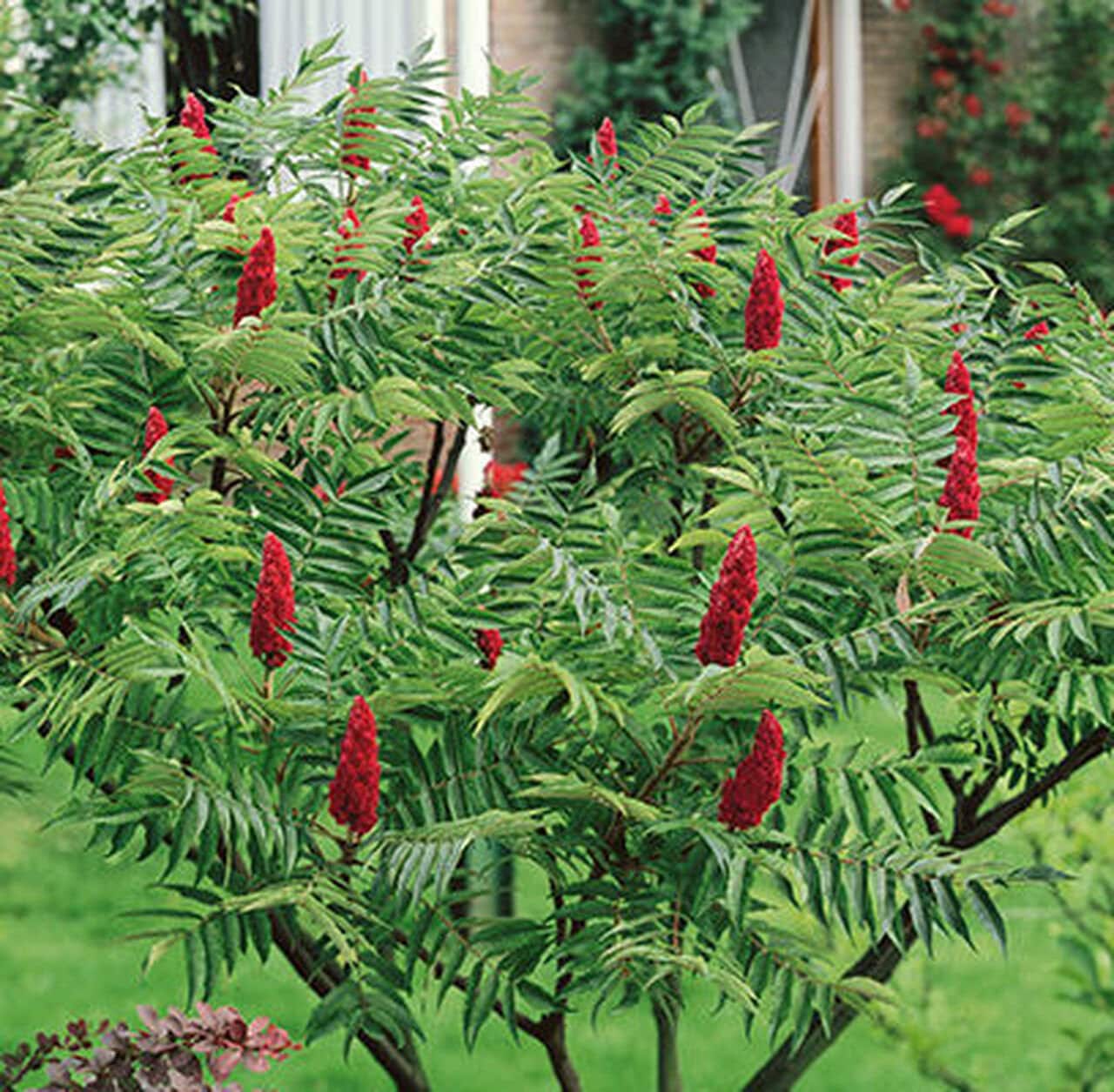
Regularly seen adorning landscapes with its vibrant clusters of dark red fruit, the Staghorn Sumac (*Rhus typhina*) is a best native shrub that stands out for its valuable contributions to wildlife habitats.
This fast-growing plant reaches heights of up to 15 feet, providing essential food for birds like robins and vireos during winter with its dense clusters of fall berries. Its hairy, velvety stems resemble stag antlers, hence its name.
The small, red berries aren’t only high in vitamin C but also attract various wildlife. Thriving in different soil types and conditions, this shrub is adaptable and suitable for many garden designs, especially in full sun to partial shade.
Apart from offering food, Staghorn Sumac aids in erosion control through its extensive root system, supporting pollinators and beneficial insects to enhance garden biodiversity.
7. Winterberry
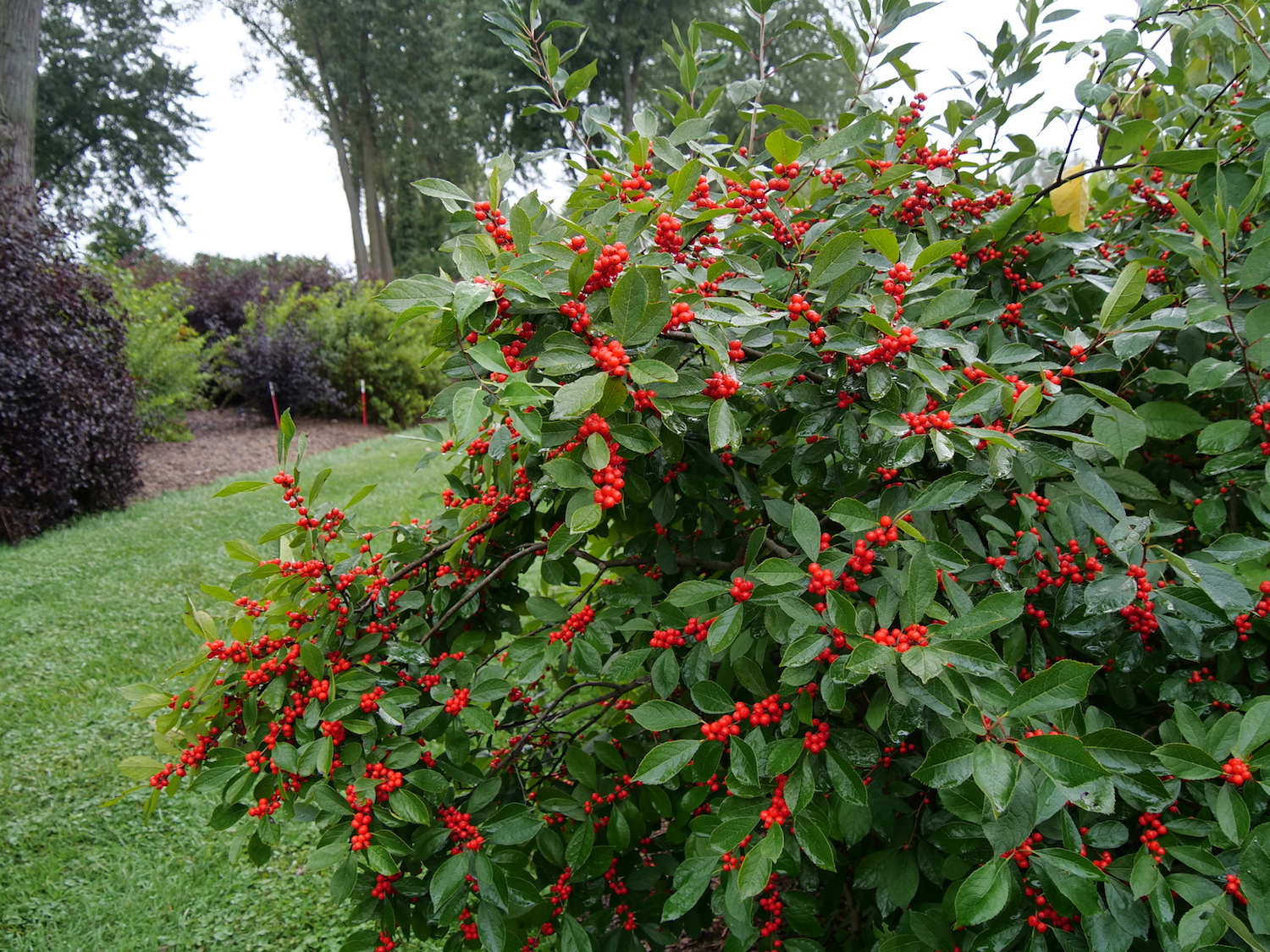
Winterberry, scientifically known as *Ilex verticillata*, is a deciduous shrub that stands out for its vibrant display of bright red berries during the autumn and winter months.
These berries attract various wildlife, making it a valuable addition to gardens seeking to support biodiversity. Here are a few key points about Winterberry:
- Wildlife Benefits: The bright red berries of Winterberry serve as a crucial food source for birds like mockingbirds and robins during the colder seasons.
- Growing Requirements: This native shrub grows between 6 to 15 feet tall, needing both male and female plants for fruit production.
- Ecological Role: Winterberry not only enhances garden aesthetics with its colorful berries but also supports beneficial insects, contributing to garden biodiversity.
8. Crabapple

With its small fruits that serve as a vital food source for a variety of songbirds, the Crabapple tree (*Malus selections*) stands out as a significant contributor to garden biodiversity.
These sweet berries attract waxwings, thrushes, and bluebirds, especially during winter when food is scarce. The ornamental flowers that bloom in spring not only add beauty to your garden but also provide an early food source for pollinators like bees and butterflies.
Growing up to 40 feet tall, Crabapple trees thrive in USDA hardiness Zones 4-8, making them adaptable to various climates.
While the fruit may be too tart for human consumption, it’s highly nutritious for wildlife, offering essential vitamins and energy sources, especially during migration.
Additionally, planting Crabapple trees can create dense habitats, providing shelter and nesting sites for various bird species, promoting a healthy ecosystem.
9. Highbush Blueberry

Among the diverse array of berries that wildlife enthusiasts can cultivate to support local ecosystems, the Highbush Blueberry (*Vaccinium corymbosum*) emerges as a standout choice.
This deciduous shrub, known for its sweet, blue berries, provides essential food for various bird species. Here are some key points to consider when cultivating Highbush Blueberries:
- Berries ripen in summer and early fall, attracting gray catbirds, bluebirds, and robins.
- Optimal growth and berry production require well-drained, acidic soil and full sun exposure.
- Blooming in spring, the white flowers not only enhance the garden’s beauty but also attract pollinators like bees and butterflies, contributing to ecosystem biodiversity.
10. Beautyberry
The Highbush Blueberry, with its vibrant blue berries and appeal to a variety of bird species, exemplifies the valuable role berries play in supporting wildlife.
Moving to the Beautyberry, this shrub, scientifically known as *Callicarpa dichotoma*, boasts clusters of purple berries that become a crucial food source for birds during the winter months.
These berries attract wildlife like mockingbirds and robins, enriching your garden’s ecosystem.
In early fall, the Beautyberry’s striking appearance, with its dense foliage and vibrant berries, enhances habitat diversity by providing nesting sites and shelter for small mammals and birds.
Thriving in USDA hardiness zones 6-8, this deciduous shrub reaches around 4 feet in height, preferring full sun to partial shade and well-drained soil.
Regular post-fruiting pruning can stimulate fuller growth and increased berry production, maximizing its wildlife appeal.
11. Serviceberry

Serviceberry, a versatile plant from the *Amelanchier* species, presents a dynamic addition to wildlife-friendly landscapes. This shrub/tree offers a plethora of benefits for both wildlife and humans.
Here’s why it’s one of the best berries for attracting birds and other wildlife to your garden:
- Nutrient-Rich Berries: The sweet, edible berries of Serviceberry are a favorite among birds like robins and cedar waxwings, providing them with essential nutrients.
- Dual-Purpose Plant: Not only do the berries attract wildlife, but they’re also edible for humans, making them a versatile addition to gardens for both wildlife enthusiasts and culinary enthusiasts.
- Year-Round Interest: With stunning spring flowers, tasty summer berries, and vibrant fall foliage, Serviceberry offers year-round visual appeal and sustenance for wildlife.
12. Bunchberry

Growing close to the forest floor, Bunchberry (*Cornus canadensis*) emerges as a petite yet impactful addition to woodland ecosystems. This low-growing perennial, standing at a mere 6 inches, acts as an excellent ground cover in shaded garden areas.
In late summer, Bunchberry flaunts vibrant red berries that serve as a delectable treat for a variety of birds, including vireos and thrushes. Thriving in moist, acidic soils of woodland settings, this native plant prefers partial to full shade, making it a prime candidate for underplanting in shady garden nooks.
With its striking white flowers in late spring, Bunchberry also beckons pollinators like bees and butterflies, enriching the garden’s biodiversity. Hardy in USDA Zones 2-7, Bunchberry offers a versatile option for gardeners across different climates in North America.
13. Arrowwood Viburnum
:max_bytes(150000):strip_icc()/arrowwood-viburnum-shrubs-growing-tips-2132732-03-2dffc26b32fb48a99fd570fedde9be53.jpg)
Nestled among the diverse array of wildlife-friendly plants, Arrowwood Viburnum stands out with its clusters of white spring flowers that give way to striking blue-black berries eagerly sought after by robins and cedar waxwings.
This native shrub, known for its dense foliage, provides shelter and nesting sites for birds and small mammals, enhancing wildlife habitat in your garden. The berries of Arrowwood Viburnum persist into late fall, offering a valuable food source for birds during the winter months when other food sources are scarce.
- Versatile Growth: Thriving in a range of soil types, Arrowwood Viburnum can reach heights of 5 to 10 feet, making it suitable for various garden conditions.
- Biodiversity Support: Hardy in USDA zones 3 to 8, this shrub is a versatile choice for gardeners looking to attract wildlife while supporting local biodiversity.
- Seasonal Benefits: The clusters of small, blue-black berries not only attract birds in spring but persist into late fall, offering sustenance during winter when food sources are scarce.
14. Pagoda Dogwood

This adaptable shrub produces small blue-black berries highly favored by birds like thrushes and waxwings, offering essential food sources in late summer and fall. Its tiered branches and white flowers in late spring attract pollinators such as bees and butterflies, enriching the garden’s biodiversity.
Thriving in moist, well-drained soils and various light conditions, from full sun to partial shade, the Pagoda Dogwood provides excellent habitat for small mammals and birds due to its dense foliage.
This tree not only beautifies the landscape but also sustains a thriving ecosystem.
15. Nannyberry

In the heart of a thriving garden, the Nannyberry (*Viburnum lentago*) stands tall, a native shrub reaching heights up to 20 feet, offering a vertical structure that beckons to wildlife seeking shelter and sustenance.
Nannyberry’s blue-black berries are a favorite among birds like robins and cedar waxwings, especially during the winter months when food sources are scarce. This adaptable shrub produces fruit at different times, ensuring a prolonged food supply for wildlife throughout the year.
Its fragrant white flowers in spring attract pollinators, benefiting the garden ecosystem. Nannyberry’s dense growth not only provides nourishment but also creates a safe haven for nesting birds and shelter for small mammals, fostering biodiversity in the garden.