

As a gardener looking for ways to protect your plants from wandering deer, you might be intrigued by the idea of incorporating deer-resistant varieties into your landscape. Imagine a garden where your flowers flourish undisturbed and your shrubs remain intact, all while adding beauty and charm to your outdoor space. With 16 carefully selected plants that deter deer, you can create a sanctuary that thrives in harmony with nature. But what makes these plants so irresistible to gardeners seeking a resilient and vibrant landscape?
1. Floss Flower
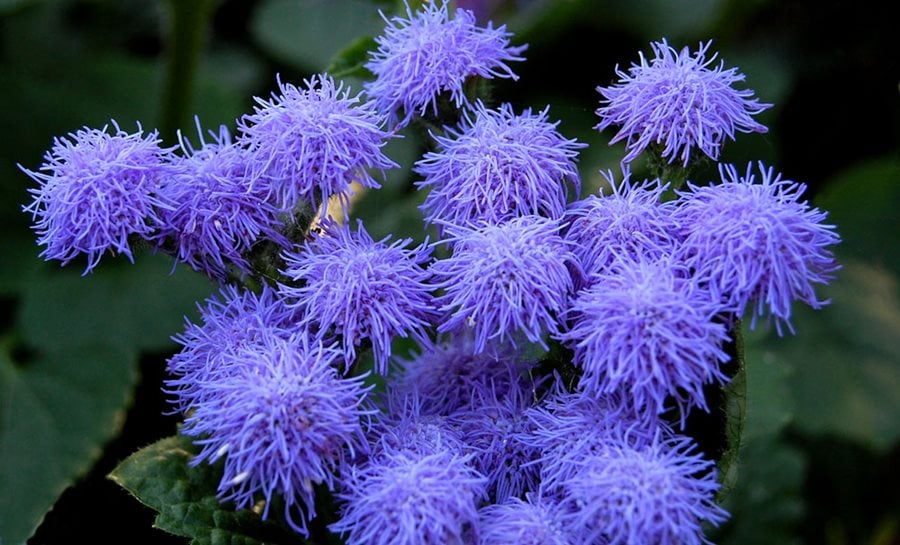
When considering deer-resistant plants for your garden, the Floss Flower, scientifically known as Ageratum houstonianum, emerges as a reliable choice. This annual plant boasts fluffy clusters of blue, purple, or white flowers that bloom from late spring to fall, adding vibrant hues to your garden.
Interestingly, the Floss Flower also contributes to biodiversity by providing essential nectar sources for bees, supporting their role in ecosystem balance. With slightly hairy leaves and a strong scent, it naturally deters browsing by deer and rabbits.
Thriving in full sun to partial shade, this plant is versatile and prefers well-drained soil. Growing 6 to 12 inches tall, it can be used in borders, containers, or as ground cover for a colorful display.
Easy to grow from seed or transplants, the Floss Flower is a low-maintenance favorite among gardeners seeking beautiful, hassle-free options.
2. Signet Marigold

As we shift our focus to the vibrant Signet Marigold, also known as Tagetes tenuifolia, we encounter a striking annual flower renowned for its dazzling orange and yellow blooms that can instantly elevate any garden space.
These beautiful deer-resistant plants not only add a pop of color but also thrive despite the deer. Their finely divided foliage emits a strong scent that deters deer and other pests, making them an excellent choice for gardens prone to wildlife browsing.
Additionally, much like their relative the common Marigold, they contain natural compounds that serve as insect repellents, enhancing their utility in pest-prone areas.
Signet Marigolds are easy to grow from seed, preferring full sun and well-drained soil. From late spring until frost, they continuously produce blooms, providing long-lasting color and interest.
Additionally, the edible flowers and leaves can be used in salads, adding both aesthetic and culinary value to your garden.
3. Verbena
:strip_icc()/BHG-Burgundy-Verbena-8mVAvXbpaXZBmujaXELOMm-d3fdff9833864a83ab272064068235ff.jpg)
Verbena, a stunning deer-resistant annual plant, is a favorite among gardeners for its vibrant blooms that not only add color but also attract beneficial pollinators like butterflies and hummingbirds.
This drought-tolerant and low-maintenance plant thrives in full sun and well-drained soil, making it an excellent choice for various garden settings.
With its array of colors, including purple, pink, red, and white, Verbena offers options for creating colorful garden displays.
Once established, Verbena requires minimal upkeep, perfect for those seeking resilient plants.
Whether grown from seed or purchased as transplants, Verbena often self-seeds, allowing for natural continuity in garden design.
Consider adding Verbena to your garden for a beautiful, deer-resistant addition that requires little maintenance.
4. Snapdragon
With vibrant blooms resembling dragon heads in a variety of colors, Snapdragons (Antirrhinum species) are a popular choice for gardeners seeking deer-resistant annual flowers that thrive in full sun.
These unique flowers, ranging from pink to red, yellow, and white, typically reach heights between 6 to 36 inches and make stunning additions to garden borders and beds.
Deer tend to avoid Snapdragons due to their bitter taste, making them a reliable option for areas prone to deer browsing. Bumblebees are often attracted to their tubular shape, aiding in pollination.
Snapdragons can be grown from seeds directly in the garden or started indoors. Regular deadheading promotes prolonged blooming, ensuring a visually striking display throughout the growing season.
5. Boxwood
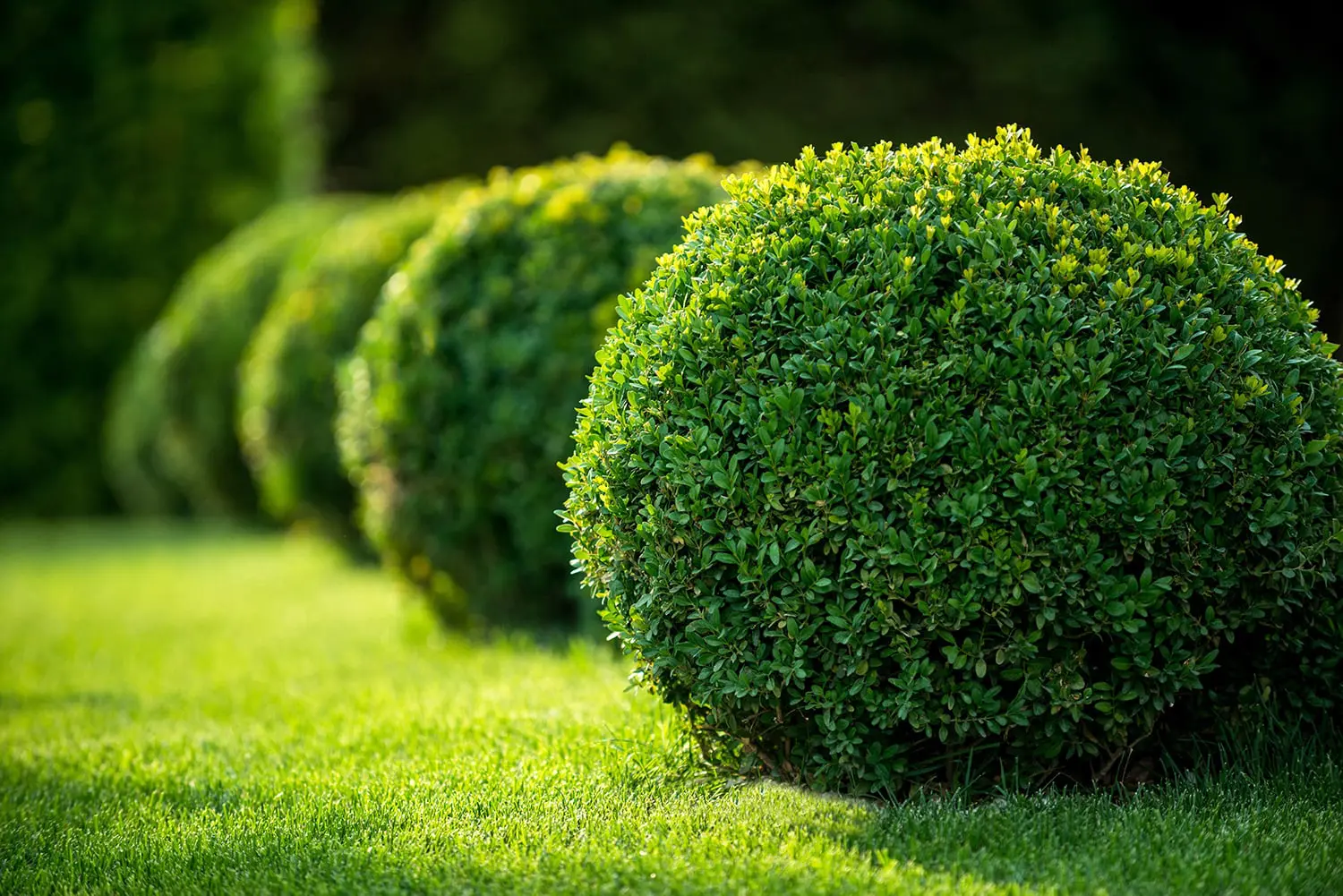
Boxwood, a versatile evergreen shrub renowned for its dense foliage and sculpting potential into formal hedges or topiaries, is a favored choice in landscape design.
Thriving in partial to full sun and well-drained soil, this low-maintenance shrub can reach heights ranging from 1 to 20 feet, depending on the variety.
Boxwood is generally deer-resistant due to its bitter taste and dense leaves, making it a reliable option for deer-prone areas. While deer may still vary in their preferences, boxwood remains a sturdy and beautiful addition to any garden.
Furthermore, this plant not only adds aesthetic value but also serves as a habitat for birds and beneficial insects.
With its adaptability to USDA hardiness zones 5 to 9, boxwood proves to be a versatile and practical choice for any garden setting.
6. Cinquefoil

Cinquefoil, also known as Potentilla, emerges as a standout choice for gardeners seeking a resilient and visually captivating shrub. This deer-resistant plant showcases five-petaled flowers in yellow, white, and pink hues, blooming from late spring to early fall.
With its low maintenance requirements and drought resistance, Cinquefoil thrives in various soil types under full sun to partial shade. Once established, this shrub needs minimal watering, making it perfect for xeriscaping and low-water gardens.
Its finely divided, green leaves add texture and interest year-round, even when not in bloom. Cinquefoil not only deters deer due to its unpalatable taste but also attracts beneficial pollinators like bees and butterflies, enhancing the ecological value of your garden.
7. Butterfly Bush
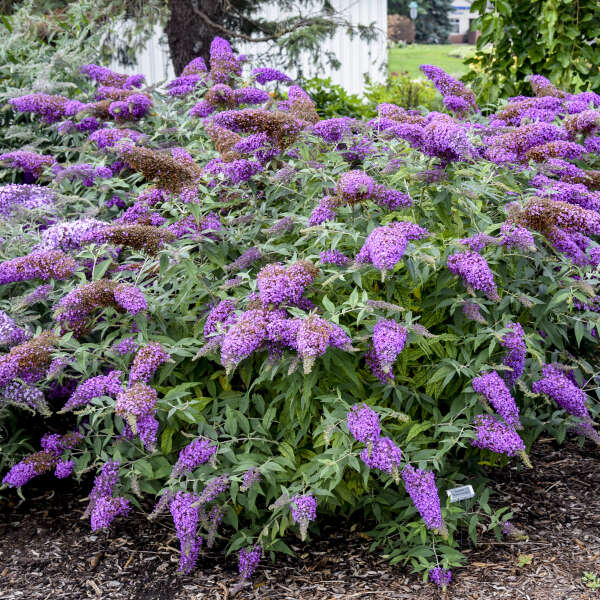
Amidst the array of deer-resistant plants for your garden, the Butterfly Bush stands out as a vibrant and inviting addition. This deciduous shrub, known scientifically as Buddleja davidii, boasts long, fragrant flower spikes that bloom from summer into fall, attracting butterflies and other pollinators.
Thriving in full sun and well-drained soil, this plant can reach heights ranging from 4 to 12 feet, varying with the variety and growing conditions. Highly adaptable and drought-resistant once established, the Butterfly Bush is a low-maintenance choice suitable for various garden environments.
Its deer-resistant qualities stem from the strong scent and slightly woody texture, which serve as natural deterrents. Additionally, incorporating wood ash can enhance the soil’s nutrient content, further supporting the robust growth of this plant.
Consider popular cultivars like ‘Black Knight’ with deep purple flowers or ‘Pink Delight’ for a touch of pink elegance in your garden.
8. Spirea
:strip_icc()/white-spirea-spiraea-808448f4-bcd4b9635d8c41e0a2ee068f52199ebb.jpg)
A popular choice among gardeners seeking a versatile and visually appealing shrub is the Spirea. This deer-resistant shrub blooms in clusters of white, pink, or red flowers, attracting beneficial pollinators like bees and butterflies.
Here are some key points to consider when growing Spirea:
- Thrives in full sun to partial shade, allowing flexibility in garden placement.
- Low-maintenance and drought-tolerant once established, making it an easy-care option for busy gardeners.
- Available in various sizes, such as Spiraea japonica and Spiraea nipponica, ranging from 2 to 5 feet tall, suitable for different garden spaces.
With its adaptability to different climates and vibrant autumn foliage, Spirea is a beautiful and practical addition to any garden.
9. Juniper
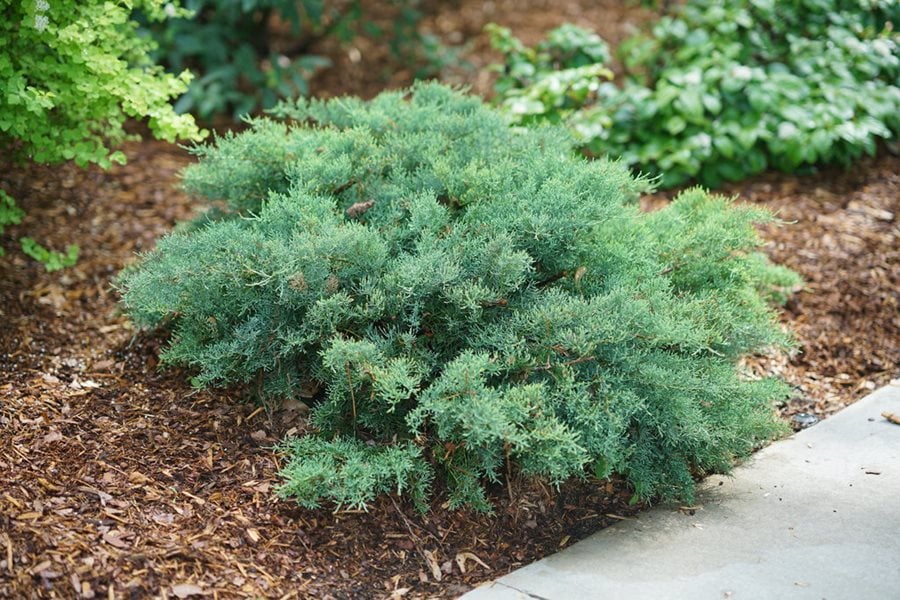
Thriving in a variety of soil types and climates, Junipers are versatile evergreen shrubs known for their low-maintenance characteristics and deer-resistant properties.
These plants feature needle-like or scale-like foliage that deer find unappealing, making them an excellent choice for gardens prone to browsing.
Junipers come in various sizes, from groundcovers to tall forms, offering flexibility in landscaping. Their drought tolerance and hardiness in USDA zones 3 to 9 make them adaptable to different environmental conditions.
Additionally, Junipers produce small cones that attract wildlife, adding ecological value to your garden.
With their aesthetic appeal and practical benefits, Junipers stand out as an attractive and functional option for deer-resistant landscaping.
10. Russian Sage

Junipers bring a sturdy presence to deer-resistant landscapes, but when seeking a plant that adds a touch of elegance and color, Russian Sage emerges as a standout choice.
Russian Sage, with its drought-tolerant nature and deer-resistant properties, is a must-have for any garden.
Here are some key points to consider:
- Deer-Resistant: Aromatic leaves with volatile oils make Russian Sage unappealing to deer and rabbits.
- Drought-Tolerant: Thriving in full sun and well-drained soil, Russian Sage is perfect for xeriscapes.
- Pollinator Attraction: Besides its beauty, this plant attracts bees and butterflies, enhancing your garden ecosystem.
With its striking appearance and low maintenance requirements, Russian Sage is a versatile and practical addition to any landscape.
11. Bee Balm

With its vibrant tubular flowers in various shades and its ability to attract important pollinators like bees and hummingbirds, Bee Balm, also known as Monarda, stands out as a versatile perennial herb for any garden.
This deer-resistant plant isn’t only a visual delight but also a practical addition due to its aromatic foliage that naturally deters deer.
Bee Balm thrives in full sun to partial shade and prefers moist, well-drained soil, making it adaptable to different garden environments.
Growing between 2 to 4 feet tall, it blooms from mid-summer to early fall, offering a long-lasting burst of color.
Beyond its beauty and deer resistance, Bee Balm has medicinal uses, with its leaves commonly used to brew herbal teas and remedies.
12. Fringed Bleeding Heart
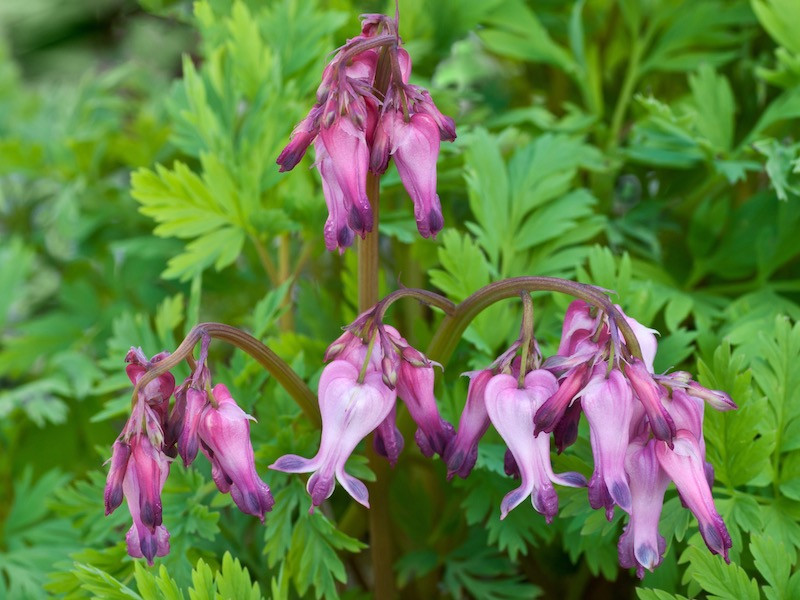
I’ve always been drawn to the delicate beauty of Fringed Bleeding Heart (Dicentra eximia), a perennial plant that graces shaded garden areas with its charming display of heart-shaped pink flowers dangling from arching stems.
This deer-resistant plant is perfect for those who want to add a touch of elegance to their garden while keeping deer at bay. Here are some key points to consider:
- Thrives in partial to full shade environments
- Blooms from late spring to early summer
- Provides a lovely ground cover option for shaded areas
Fringed Bleeding Heart’s fern-like foliage and low-maintenance nature make it an ideal choice for creating a picturesque woodland garden or enhancing shaded borders.
13. Monkshood
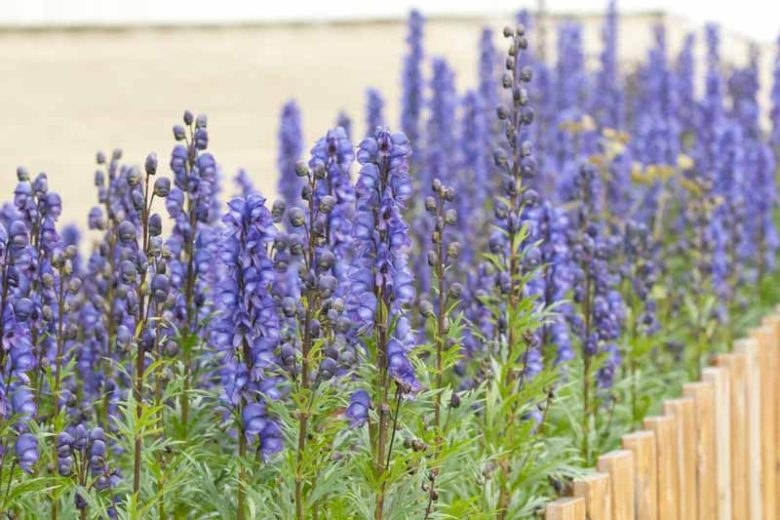
Monkshood, also known as Aconitum spp., stands out in late summer and early fall gardens with its striking hood-shaped blue to purple flowers.
This perennial plant is highly toxic to deer, making it a deer-resistant choice for gardens. Its alkaloid content acts as a deterrent, even in areas with high deer populations.
Monkshood thrives in partial to full shade and moist, well-drained soil, excelling in woodland gardens and shaded borders. Reaching heights of 2 to 4 feet, it provides vertical interest and a dramatic focal point in garden designs.
Despite its deer resistance, caution is advised when handling monkshood, as all parts of the plant are poisonous to humans and pets if ingested.
14. Peony

Known for their exquisite beauty and captivating fragrance, peonies are a beloved perennial plant choice for many garden enthusiasts.
These deer-resistant plants offer fragrant blooms and thrive in well-drained soil, making them a delightful addition to any garden.
Here are some key points about peonies:
- Deer-Resistant: Peonies are generally deer-resistant due to their bitter-tasting foliage, making them a reliable choice for gardens frequented by deer.
- Fragrant Blooms: The large, fragrant blooms of peonies come in various colors like pink, white, and red, adding a touch of elegance and charm to any garden.
- Well-Drained Soil: Peonies prefer well-drained soil and thrive in full sun to partial shade, ensuring they’ve the ideal conditions to flourish.
With their low maintenance requirements and long lifespan, peonies are a delightful perennial to consider for your garden.
15. Black Cohosh

With tall, striking white flower spikes that bloom in late summer, Black Cohosh (Actaea racemosa) is a perennial plant that commands attention in any garden.
This deer-resistant beauty can reach heights of 3 to 6 feet, making it a striking addition to woodland gardens. Black Cohosh thrives in partial to full shade and prefers moist, well-drained soil. Its bitter taste and toxic properties deter browsing by deer, ensuring its longevity in your garden.
Beyond its ornamental value, Black Cohosh has a history of use in traditional medicine to address issues like menopausal symptoms and inflammation.
Native to North America, this plant also supports local ecosystems by attracting essential pollinators such as bees and butterflies during its blooming period.
16. Dusty Miller
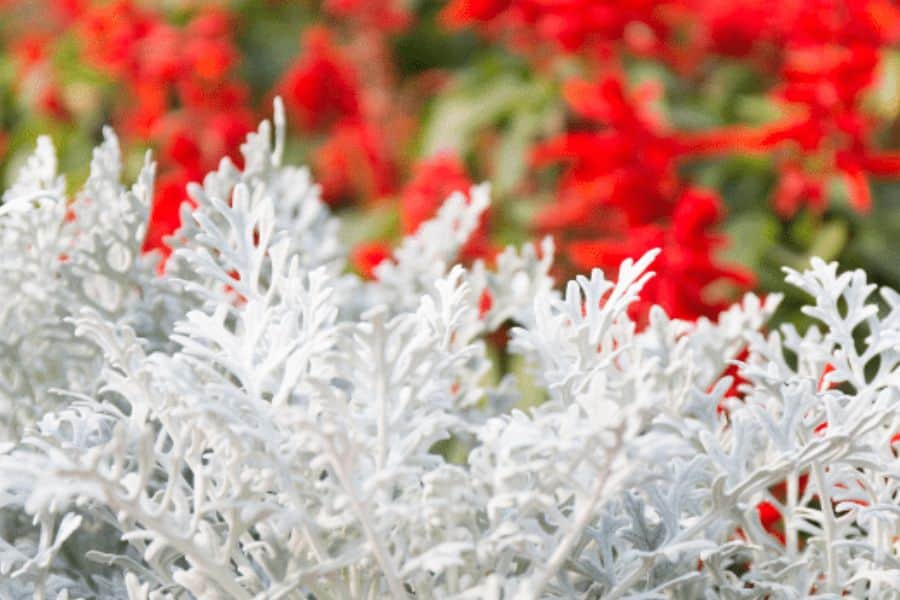
In garden landscapes that call for a touch of elegance and resilience, Dusty Miller stands out as a versatile perennial choice.
Dusty Miller, also known as Senecio cineraria, features striking silvery-gray foliage that adds a unique texture to garden beds. This deer-resistant plant is low-maintenance and thrives in full sun and well-drained soil, making it ideal for xeriscaping and drought-tolerant gardens.
Here are some key points about Dusty Miller:
- Known for its deer-resistant properties
- Thrives in full sun and well-drained soil
- Low-maintenance and suitable for various climates
With its ability to deter deer and its aesthetic appeal, Dusty Miller is a practical and visually appealing addition to any garden landscape.