

When companion planting with watermelon, I’ve found 15 excellent plants that can enhance growth and pest control. Start with nasturtiums and marigolds; they repel pests and enrich the soil. Oregano and mint help manage harmful insects while promoting nutrient absorption. Adding beans increases nitrogen in the soil, supporting watermelon growth. Okra provides shade, and sunflowers attract beneficial pollinators. Radishes grow quickly and deter cucumber beetles. Don’t forget about dill, which attracts helpful insects. Each plant serves a role in creating a thriving ecosystem. There’s a lot more to explore about the best choices and strategies for successful companion planting.
1. Nasturtiums

While you mightn’t think of flowers as essential companions for watermelon, nasturtiums prove their worth in the garden. Their benefits include repelling pests like aphids and attracting beneficial insects. Nasturtiums are especially valuable because they enhance watermelon growth by creating a mutually beneficial environment for nearby plants. Additionally, their ability to enrich the soil with nitrogen-fixing bacteria can further support the health of watermelon plants.
For optimal nasturtium care, plant seeds 1 inch deep and 12 inches apart in well-draining soil, ensuring full sun exposure. These vibrant plants enhance biodiversity while protecting your watermelon crop effectively.
2. Marigolds
:max_bytes(150000):strip_icc()/growing-and-using-calendula-1402626-hero-6c4c4cf97a8940aaabad6975a27358b1-975ec0f7f1144eef8553df0111e7136f.jpg)
Marigolds are an excellent choice for companion planting with watermelons, as they provide multiple benefits that enhance both plant health and garden aesthetics. Various marigold varieties attract beneficial insects and repel harmful pests, while their roots suppress soil pathogens. Additionally, marigolds can help improve soil health by attracting pollinators, which is essential for watermelon fruit set. For optimal marigold maintenance, plant them 6-8 inches apart in well-draining soil, ensure full sun exposure, and deadhead spent flowers to promote continuous blooming. Incorporating eco-friendly materials into your gardening practices, such as biodegradable pots, can further support a sustainable garden environment.
3. Oregano

Oregano serves as an exceptional companion plant for watermelon, enhancing both crop health and garden dynamics. The oregano benefits include repelling pests like aphids and cucumber beetles while attracting beneficial insects. Its root systems complement each other, allowing for effective oregano integration. Additionally, oregano improves soil health and biodiversity, ensuring a thriving environment for watermelons and promoting a balanced garden ecosystem. By attracting beneficial insects, oregano further supports the overall pest management strategy in the garden. Moreover, the mutualistic relationships with fungi for nutrient absorption highlight how oregano contributes to a healthier garden environment.
4. Mint

Choosing the right companion plants can significantly influence the success of your watermelon crop, and mint stands out as a remarkable option.
The mint benefits include pest repellent properties, attracting pollinators, and enhancing plant growth. Additionally, mint can help attract pollinators, which is essential for improving watermelon fertilization. Planting mint alongside watermelon can also provide essential hydration sources for bees, as the flowers attract them to your garden, further increasing pollination efficiency.
During mint cultivation, it’s crucial to manage its invasiveness, ideally containing it in pots, ensuring it supports your watermelon without competing for resources.
5. Basil

While many gardeners focus on the primary crops, incorporating basil as a companion plant for watermelon can produce significant benefits. Basil repels pests like thrips with its strong scent and has a non-competitive root system. Plus, it enhances garden health. Additionally, basil’s ability to support biodiversity makes it an excellent choice for a thriving garden ecosystem. I love using basil in recipes, and its aromatic presence makes my garden both beautiful and functional. Don’t miss out on basil benefits!
6. Radishes

Radishes are an excellent companion plant for watermelons, offering a range of benefits that enhance both pest control and garden health. Their quick growth allows for efficient space utilization, and various radish varieties can deter cucumber beetles and aphids. Additionally, radish nutrition contributes to soil health without competing for nutrients, making them ideal for maintaining a thriving watermelon patch. Furthermore, radishes suppress weeds effectively, allowing watermelons to grow without excessive competition for resources.
7. Beans
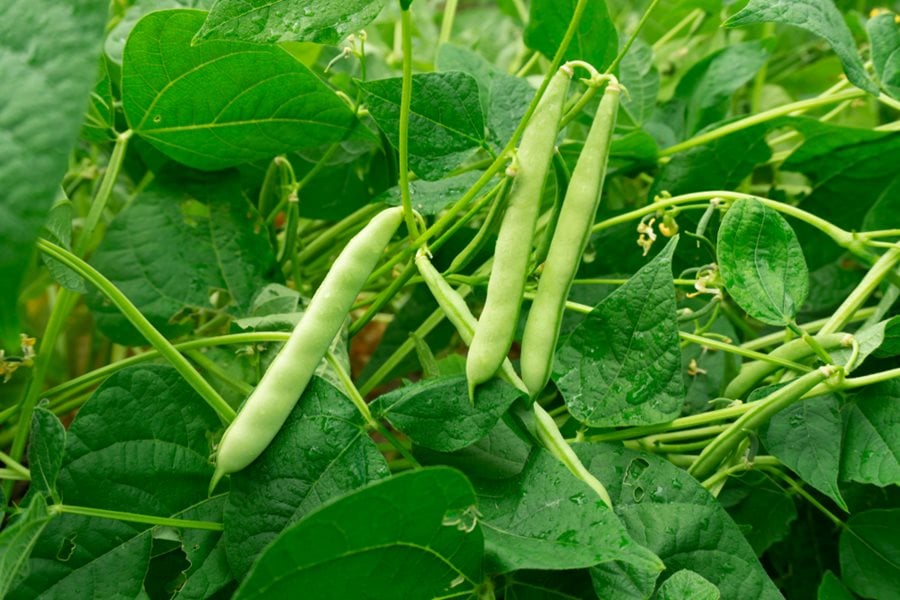
Beans serve as an exceptional companion plant for watermelons due to their ability to fix nitrogen in the soil, which is crucial for the healthy growth of the watermelon vines. The nitrogen benefits enhance leaf development and fruit size. I recommend planting various bean varieties around the same time as watermelons, ensuring they don’t overshadow the vines with proper support and spacing. Additionally, beans provide structural support for climbing plants, making them an ideal partner for watermelons.
8. Peanuts

Peanuts make an excellent companion plant for watermelons because they not only fix nitrogen in the soil but also enhance the overall health of the garden ecosystem. Additionally, proper companion planting can significantly improve soil health and nutrient availability, further benefiting the watermelon plants. The peanut benefits include disease reduction and pest control, while their optimal peanut spacing of 120 x 120 cm allows for efficient intercropping. Together, they promote healthy growth and maximize garden productivity.
9. Cowpeas

While exploring companion planting for watermelons, you’ll find that cowpeas offer numerous advantages that enhance both plant health and garden productivity. The cowpeas benefits include attracting pollinators, improving soil nitrogen levels, and protecting watermelons from pests. Additionally, their ability to enhance biodiversity in the garden can lead to a more balanced ecosystem. For effective cowpeas planting, I recommend sowing them about a month prior to watermelons, ensuring they bloom together without competing for space or resources.
10. Corn
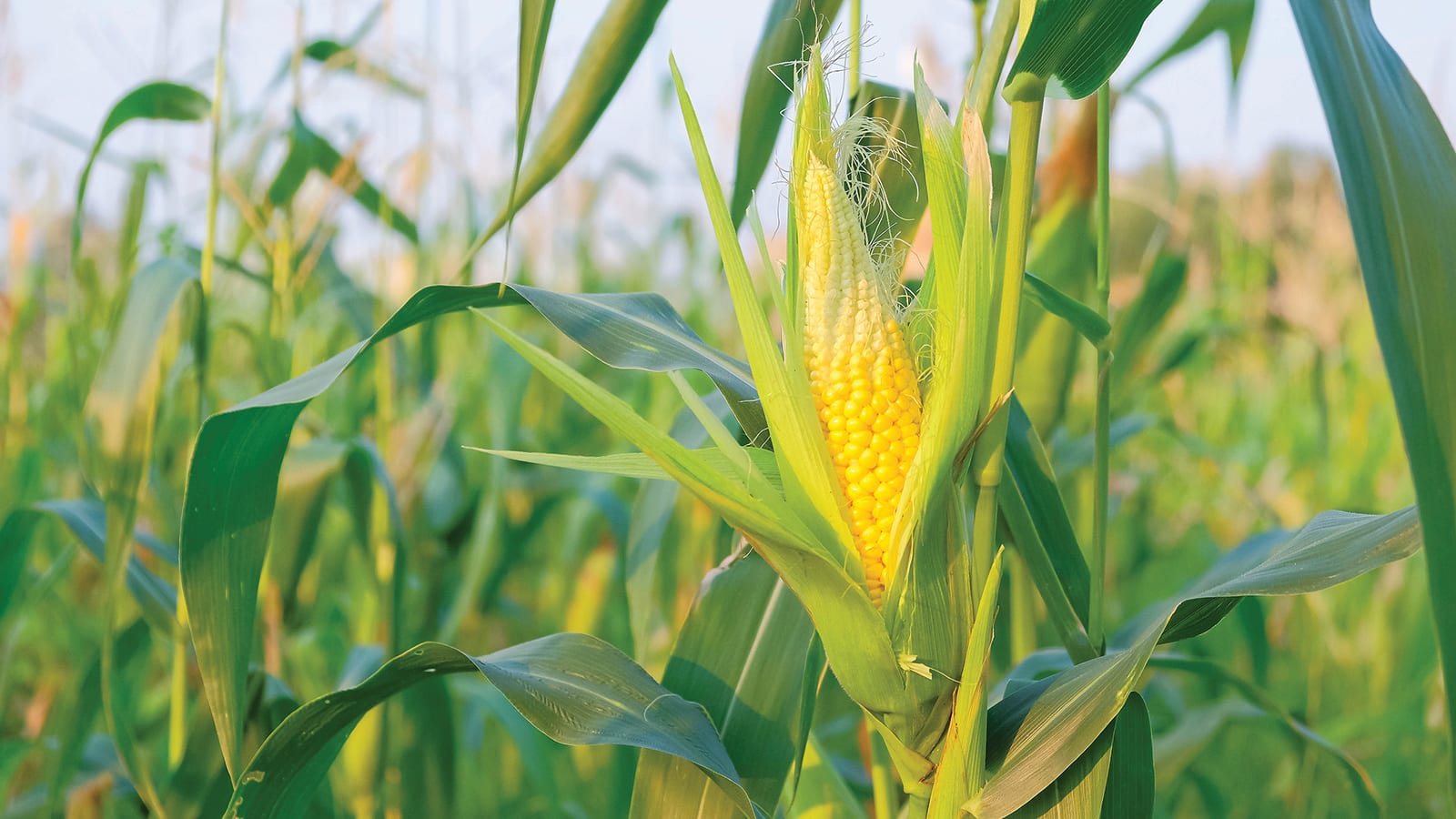
Building on the benefits of cowpeas, corn emerges as another excellent companion for watermelon cultivation. Corn provides shade and support for watermelon vines, optimizing space efficiently. For successful corn planting, I recommend planting it first and ensuring it doesn’t overshadow the watermelons. Additionally, effective corn pest management can deter pests like cucumber beetles, enhancing overall growth and health in your garden. Corn’s ability to enhance soil nitrogen also contributes to the vigorous growth of watermelons, making it a valuable addition to your planting strategy.
11. Sunflowers

When considering companion plants for watermelon, sunflowers stand out due to their multifaceted benefits.
They provide shade and act as a living trellis, supporting watermelon growth. Sunflowers attract pollinators and repel pests, enhancing overall garden health. Their tall stature adds beauty, but ensure they’re placed on the edges to prevent shading. Additionally, sunflowers’ ability to attract beneficial insects can further bolster the ecosystem in your garden.
Ultimately, sunflower benefits significantly contribute to a thriving watermelon patch.
12. Okra

Okra benefits include providing shade, pest control, and efficient space use. However, I’ve found that managing okra’s tall stems is essential to prevent challenges like entanglement with watermelon vines. Additionally, okra’s beneficial companion plants can further enhance the overall health of the garden. Together, they create a thriving garden ecosystem that maximizes yield and minimizes pests.
13. Dill

Although dill mightn’t be the first herb that comes to mind as a companion for watermelon, its benefits are noteworthy.
Dill repels pests like aphids and cabbage loopers while attracting beneficial insects, enhancing pollination. Additionally, dill’s strong scent serves as a natural deterrent for harmful pests, creating a healthier growing environment for watermelon.
For optimal dill maintenance, plant it 6-8 inches away from watermelon, ensuring well-draining soil and regular watering, without competing for resources.
The result? A healthier, more productive garden.
14. Lettuce

Lettuce serves as an excellent companion plant for watermelon, especially due to its rapid growth cycle.
Fast-growing lettuce varieties can be planted simultaneously with watermelons, allowing for early harvest before the watermelon vines spread. Additionally, lettuce benefits include weed suppression and efficient space utilization, as it acts as ground cover and doesn’t compete for space, maintaining a balanced garden ecosystem. Furthermore, companion planting enhances overall yield and health of crops by allowing compatible plants to thrive together.
15. Onions

While lettuce provides a rapid harvest and effective ground cover, onions offer unique advantages when grown alongside watermelons. Various onion varieties, like green onions and chives, enhance pest resistance, repelling harmful insects such as aphids and nematodes. They occupy space efficiently, ensuring watermelons thrive without competition for nutrients, while their scent promotes a healthier garden ecosystem, benefiting both plants. Additionally, onions can help improve plant compatibility by creating a diverse planting environment that supports overall garden health.