

When I think about companion planting for beetroot, I recommend several plants that can boost their health. Cabbage varieties, cucumbers, lettuce, peas, and radishes work well alongside them. I also find that herbs like dill and oregano can repel pests and encourage beneficial insects. Nasturtiums serve as excellent trap crops, while parsnips can deter red spider mites and aphids. Rutabagas, too, appreciate similar soil conditions. Each of these companions can enhance overall garden harmony. If you’re curious about the full list and other effective strategies, you’ll want to explore even further.
1. Beans

Although beans are often praised for their ability to fix nitrogen in the soil, I’ve found they aren’t the best companions for beetroot. The nutrient competition between them can stunt beetroot growth, especially since beans require more nitrogen. Their root systems can interfere, and the differing growth habits may lead to shading issues. Additionally, beetroot prefers loose, humus-rich soil which can be compromised by the presence of beans. Moreover, soil testing can help ensure that any nutrient deficiencies are addressed, promoting better growth for both plants.
2. Cabbage Varieties

When considering companion planting, I find that various cabbage varieties can harmoniously coexist with beetroot, enhancing both their growth and health. Asian cabbages like Chinese cabbage and Western varieties such as Charleston Wakefield thrive together. These combinations improve pest management, as aromatic herbs repel common pests. Additionally, companion planting with cabbage maximizes space utilization in gardens, allowing for a more productive growing area.
3. Cucumber

Cucumbers are versatile companions in the garden, offering numerous benefits when paired with beetroot. Their similar growing periods and compatibility mean they thrive together without competing for resources. Companion planting involves growing different plants together for mutual benefits, enhancing growth and yield. While caring for different cucumber varieties, I ensure proper spacing to improve airflow. This setup not only enhances biodiversity but also supports soil health, creating a productive environment for both crops. Additionally, cucumbers prefer loamy soil that promotes moisture retention and drainage, which is beneficial for both cucumbers and beetroot.
4. Lettuce
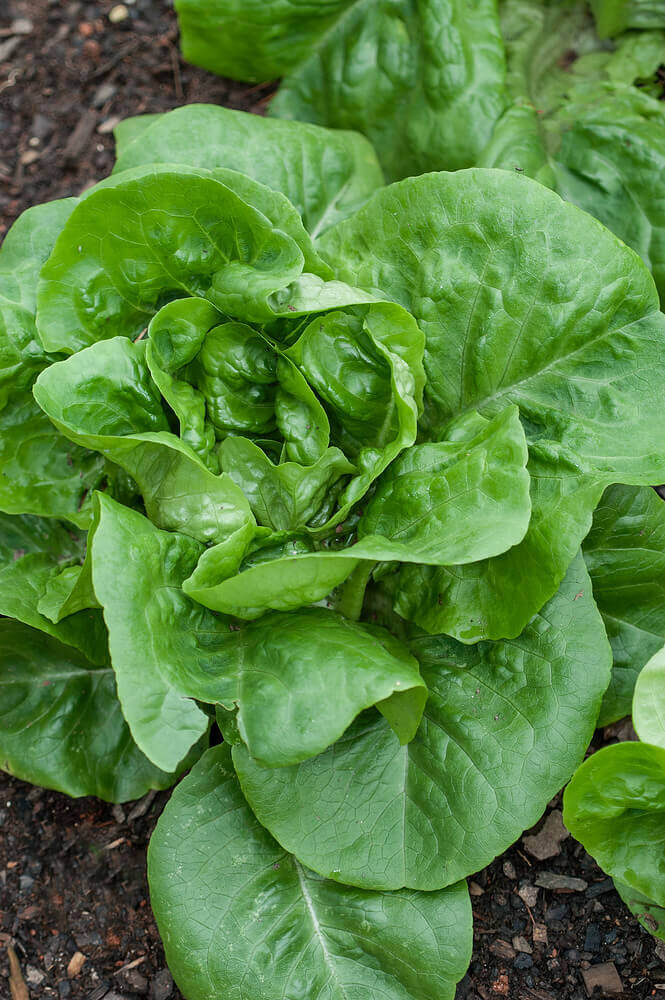
Lettuce serves as an excellent companion to beetroot, enhancing both flavor and growth potential in the garden.
By planting various lettuce varieties between beetroot, I maximize space and benefit from lettuce’s shallow roots, which won’t compete for nutrients. Additionally, companion planting with lettuce reduces weed competition, allowing both crops to thrive more effectively. Moreover, using well-draining soil for both plants ensures that excess water escapes, preventing root rot and promoting healthy growth.
Lettuce also shades the soil, reducing weeds and retaining moisture, ultimately promoting better growth for both plants.
The benefits are clear!
5. Peas
:max_bytes(150000):strip_icc()/garden-vs-snow-and-sugar-snap-1403487-04-4216b24a579a4a899e7db3a44e4fe0e3.jpg)
Though some gardeners may overlook the benefits of planting peas alongside beetroot, I find this combination to be particularly advantageous. Peas contribute to nitrogen fixation, enriching the soil and enhancing beetroot growth. Additionally, their different growth habits allow for efficient space utilization. Together, they improve soil structure and drainage, creating a healthier environment for both crops while thriving in cooler weather. This partnership not only promotes soil health but also increases overall garden biodiversity, particularly when combined with water-soluble fertilizers that ensure rapid nutrient uptake for optimal growth.
6. Dill
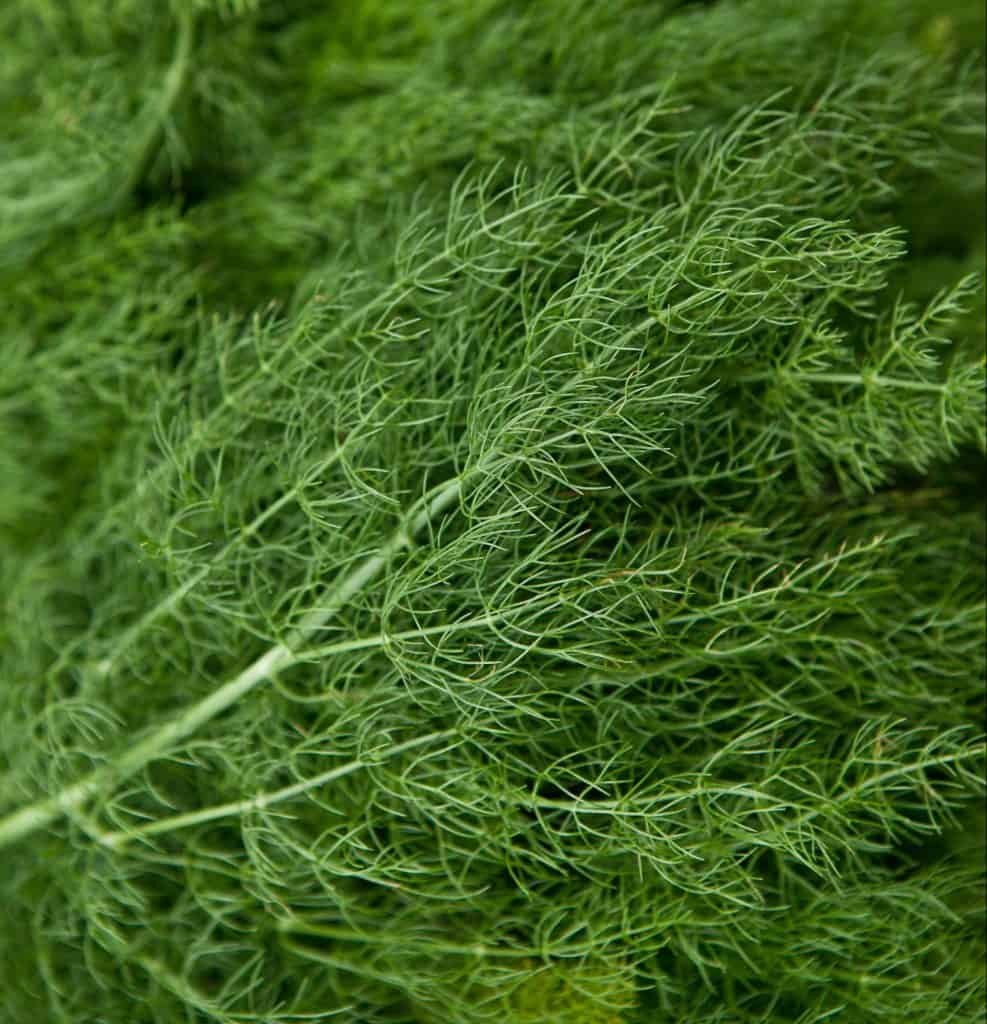
Dill serves as an excellent companion plant for beetroot, offering a range of benefits that enhance the overall health of your garden. Its strong scent repels pests, while its flowers attract beneficial insects. For optimal growth, I recommend planting dill along garden edges to maximize space and improve soil health. Additionally, companion planting with dill can lead to healthier beetroot plants by increasing the overall productivity of your garden.
7. Oregano
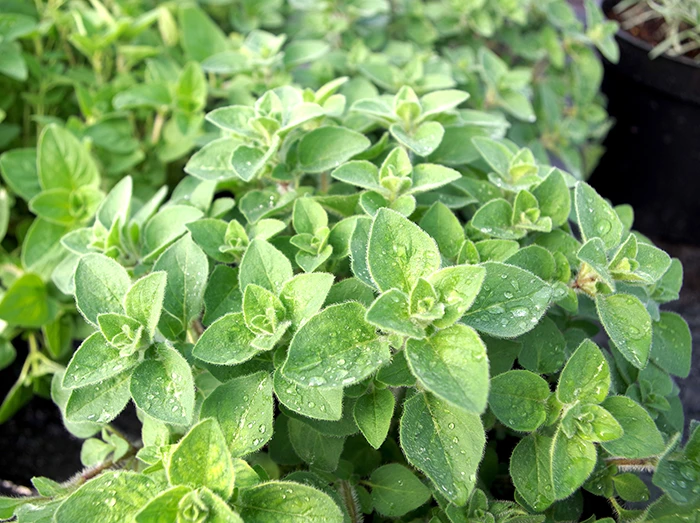
While exploring companion planting for beetroot, I find oregano stands out as a valuable ally.
Oregano benefits beetroot by repelling pests and preventing diseases. Its roots improve soil health, enhancing drainage and nutrient levels. Additionally, companion planting enhances plant growth and productivity through mutual support.
For optimal oregano care, I recommend regular pruning and planting at the edges of raised beds. This strategy promotes biodiversity and complements the flavor of beetroot in culinary dishes.
8. Savory
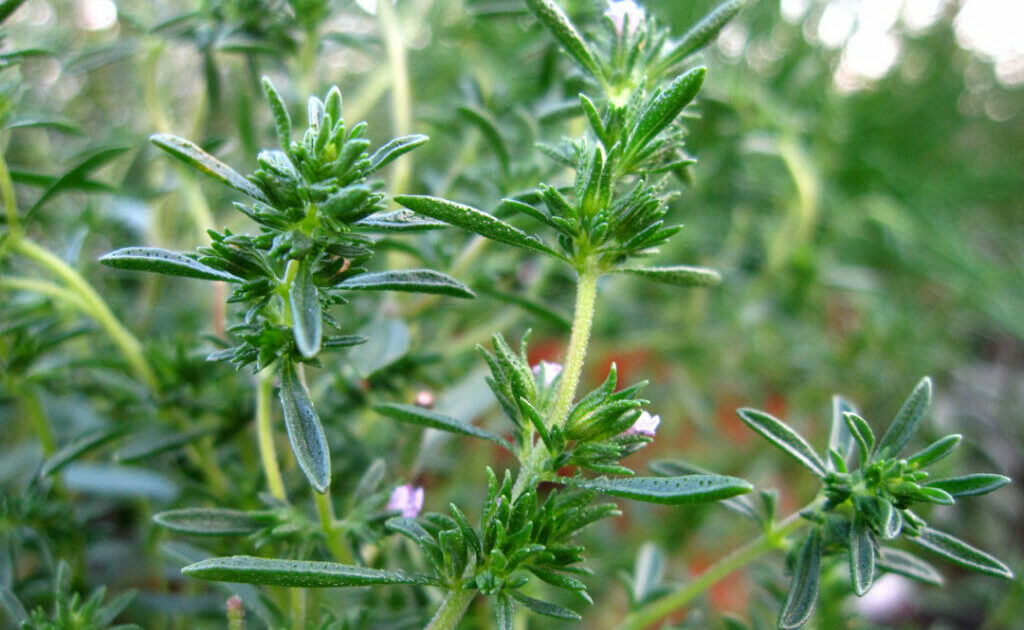
As I delve into companion planting for beetroot, I find that savory emerges as a beneficial partner. Its savory benefits include attracting honeybees for improved pollination and repelling cabbage moths, protecting my beets. Plus, it enhances the flavor of nearby vegetables, making savory recipes even tastier. Planting it alongside beetroot promotes a healthier garden ecosystem without competing for resources. Additionally, companion planting with savory can lead to improved yields and reduced pest issues.
9. Garlic
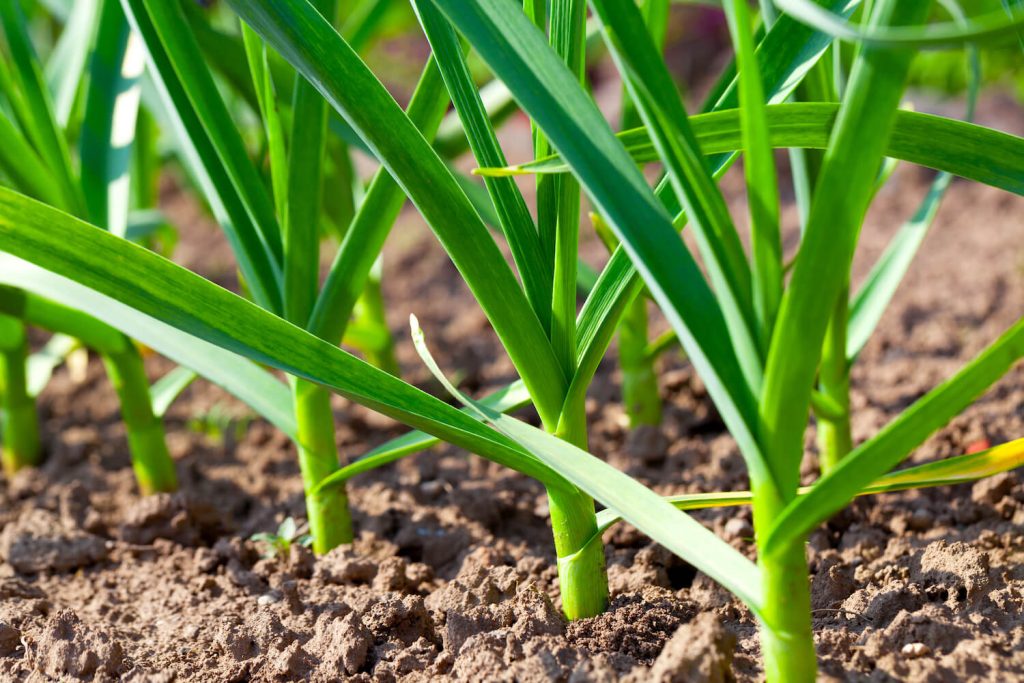
Garlic stands out as an excellent companion for beetroot, offering a range of benefits that enhance both plant health and garden efficiency. The garlic benefits include pest control, disease prevention, and improved soil quality. When I practice garlic planting alongside my beets, I notice fewer pests and healthier plants, all while maximizing my garden space. Additionally, garlic’s ability to deter pests makes it an invaluable ally in maintaining a thriving beetroot crop. It’s a win-win for my gardening efforts!
10. Marigolds
:strip_icc()/UniqueMarigolds-Signet-Marigold-AKcSOx07a30AhGDDaLJyq4-4a2d5894cd7f43e3a9c1a89d678bad72.jpg)
When considering companion plants for beetroot, marigolds emerge as a top choice due to their multifaceted benefits.
The vibrant marigold colors not only enhance garden aesthetics but also deter marigold pests, protecting my beetroot. Their scent masks beetroot’s aroma, further keeping pests at bay, while attracting beneficial insects that promote a healthy ecosystem. Plus, they help maintain soil moisture essential for beetroot growth. Additionally, marigolds contribute to enhanced pest control through their natural deterrents, further supporting the health of my beetroot plants.
11. Sunflowers
:max_bytes(150000):strip_icc()/fall-annuals-add-color-texture-to-autumn-garden-sunflower-getty-0923-5b9646c53d0d487c91f3c15b71fc3c35.jpg)
Marigolds have proven their value in companion planting, but sunflowers also offer remarkable advantages for growing beetroot. Certain sunflower varieties can provide beneficial shade without overshadowing beetroot. By using effective planting techniques, like positioning sunflowers on the western side, I can enhance soil structure and attract beneficial insects. This combination minimizes competition while promoting healthier beetroot growth, leading to a thriving garden ecosystem. Additionally, sunflowers thrive in full sun, which complements the growing conditions of beetroot perfectly.
12. Nasturtiums

Nasturtiums are a fantastic addition to my garden, especially when growing beetroot, as they offer a range of benefits that enhance both plant health and the overall ecosystem. The Nasturtium benefits include acting as a trap crop attracting beneficial insects, repelling pests, and providing ground cover. With simple Nasturtium care, I enjoy vibrant blooms while ensuring my beetroot thrives in a healthier, more balanced garden environment.
13. Parsnips

Adding parsnips to my garden alongside beetroot can significantly enhance my planting strategy. The parsnip benefits include pest control, as they deter red spider mites and aphids, protecting my beetroot. Their different root structures improve soil health and nutrient uptake without competition. Additionally, companion planting fosters biodiversity, making my garden more resilient against parsnip pests and other issues.
14. Radish
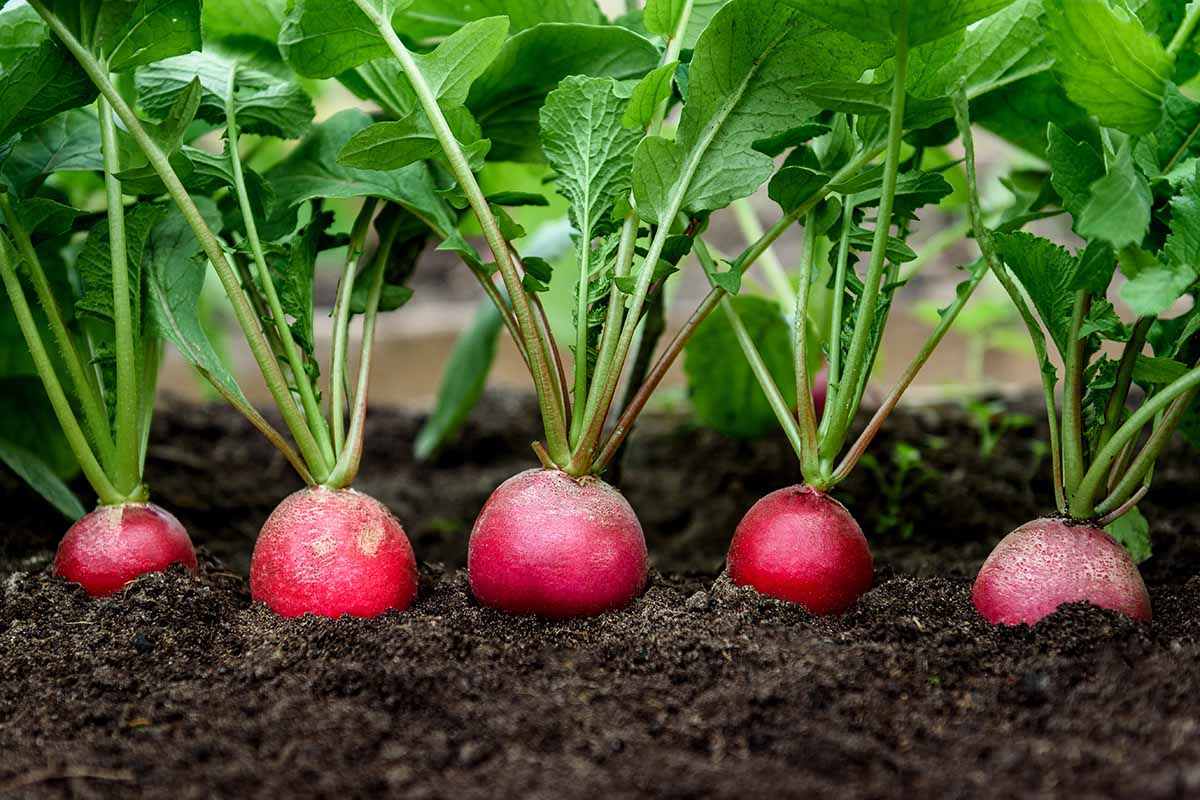
While considering the benefits of companion planting, I find that radishes make an excellent partner for beetroot.
Various radish varieties thrive in cooler weather, allowing for quick harvesting before beetroot matures. They loosen soil, benefiting beetroot growth, and repel pests like squash borers. Additionally, planting radishes with beetroot enhances pest control, helping to create a healthier garden environment.
Plus, by planting radishes alongside beetroot, I maximize garden space while enjoying the radish benefits throughout the season.
15. Rutabaga
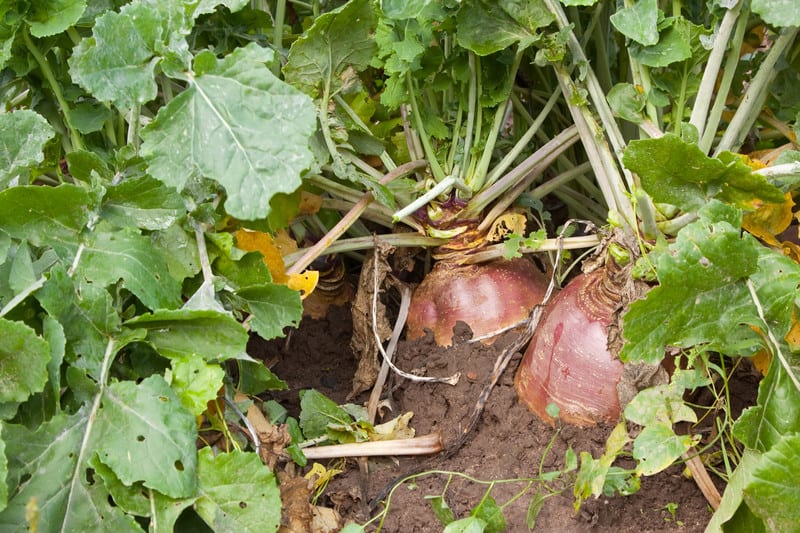
Rutabagas are a versatile root vegetable that thrive in cool weather, making them an excellent choice for late summer planting. For successful rutabaga planting, ensure fertile, well-drained soil enriched with compost. Consistent moisture is critical for optimal rutabaga care, avoiding spotty watering. Additionally, rutabagas prefer full sun for optimal growth, which enhances their mild and sweet flavor.
Pair them with onions or peas, but steer clear of previously cultivated brassicas to prevent pest issues.