

I’ve discovered that companion planting can significantly benefit your roses. Consider adding lavender, which attracts pollinators and repels pests. Geraniums provide vibrant colors while assisting with pest control. Bee balm is another great option, drawing in essential pollinators. Chives can deter aphids and support rose health with their similar growth conditions. Ornamental grasses add texture and visual interest, enhancing your garden’s aesthetics. However, be cautious with fennel, as it can harm roses if planted too close. By incorporating these companions, you can create a thriving rose garden that’s both beautiful and healthy—there’s much more to explore on this topic.
1. Lavender

When I think about enhancing my rose garden, lavender immediately comes to mind as an ideal companion plant.
Lavender care is minimal, thriving in well-draining soil and full sun. The lavender benefits are impressive: it attracts pollinators, repels aphids, and deters deer. Additionally, lavender’s ability to repel aphids further protects my roses from damage. Moreover, its ability to promote healthy growth in nearby plants contributes to a thriving garden environment.
Plus, its stunning blooms enhance my roses’ beauty, creating a vibrant and fragrant display that enriches my garden ecosystem.
2. Geraniums
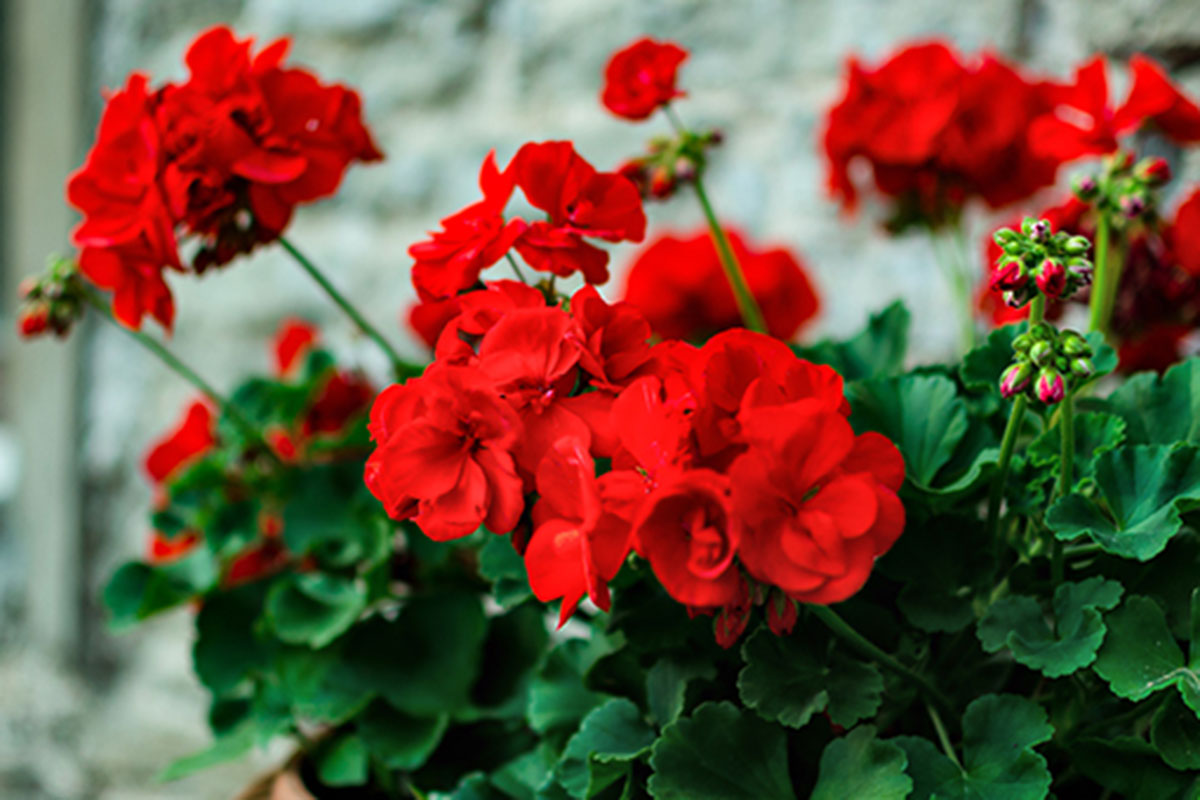
While considering companion plants for my roses, geraniums stand out due to their vibrant colors and beneficial qualities. I love how various geranium varieties, like ‘Rozanne’ or ‘Wargrave Pink,’ enhance my garden’s aesthetics. Plus, their maintenance aligns with roses, thriving in similar conditions and helping deter pests. This synergy not only beautifies but also supports the health of my rose bushes, enhancing garden design and pest control. Additionally, by attracting pollinators like bees, geraniums contribute to the overall ecosystem health, further benefiting the garden.
3. Bee Balm

Integrating bee balm into my rose garden has proven to be a game-changer for both aesthetics and plant health. The bee balm benefits include attracting essential pollinators while repelling harmful pests. Additionally, its ability to repel pests like aphids and Japanese beetles further protects my roses from damage. For optimal growth, I focus on bee balm maintenance, ensuring well-drained soil and adequate moisture. The vibrant blooms of bee balm also provide a nectar source for various pollinators, enhancing the overall health of my garden ecosystem.
4. Salvia
Salvia stands out as an exceptional companion plant for roses, offering a myriad of benefits that enhance both plant health and garden aesthetics. With various salvia varieties thriving in full sun, they help control pests and diseases, reducing chemical use. Additionally, these plants release natural fungicides, which protect roses from diseases, promoting a healthier garden ecosystem. Moreover, using compostable options in the garden can further enrich the soil and support the growth of salvia alongside roses. Proper salvia care, including good drainage and space for air circulation, ensures a vibrant, disease-resistant rose garden that attracts pollinators.
5. Marigolds
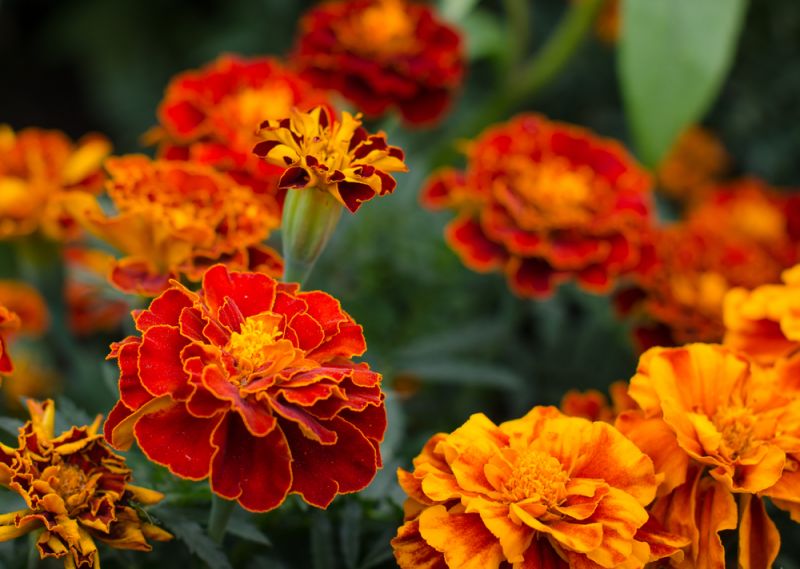
When it comes to enhancing the health and beauty of your rose garden, marigolds make a fantastic addition. Their marigold benefits include deterring pests like aphids and beetles while promoting strong rose growth. Additionally, marigolds are known to deter pests through their natural compounds, making them an excellent companion for roses.
For optimal marigold care, plant them 12 to 18 inches away from roses in full sun, ensuring they don’t compete for resources, and enjoy their vibrant colors.
6. Coreopsis
:max_bytes(150000):strip_icc()/choosing-coreopsis-4070265-hero-cfc235b753064988b4a2ba82b48e1d96.jpg)
While considering the best companions for your rose garden, Coreopsis stands out due to its remarkable adaptability and benefits. Its drought tolerance allows it to thrive even in hot spots, requiring minimal watering. Additionally, Coreopsis attracts beneficial pollinators like bees and butterflies, enhancing your garden’s ecosystem and supporting pest control. This combination makes it an excellent low-maintenance choice alongside your roses. Moreover, Coreopsis can extend the blooming season when paired with roses, contributing to a more vibrant garden display.
7. Dianthus

Dianthus, often known as pinks or carnations, makes a striking addition to any rose garden.
With numerous Dianthus varieties available, I appreciate their vibrant colors, ranging from red to purple.
For optimal Dianthus care, plant them in well-drained, dry soil with full-to-part sun.
They thrive alongside roses and other compatible plants like lavender, enhancing dianthus aesthetics and improving the overall health of my garden.
8. Verbena
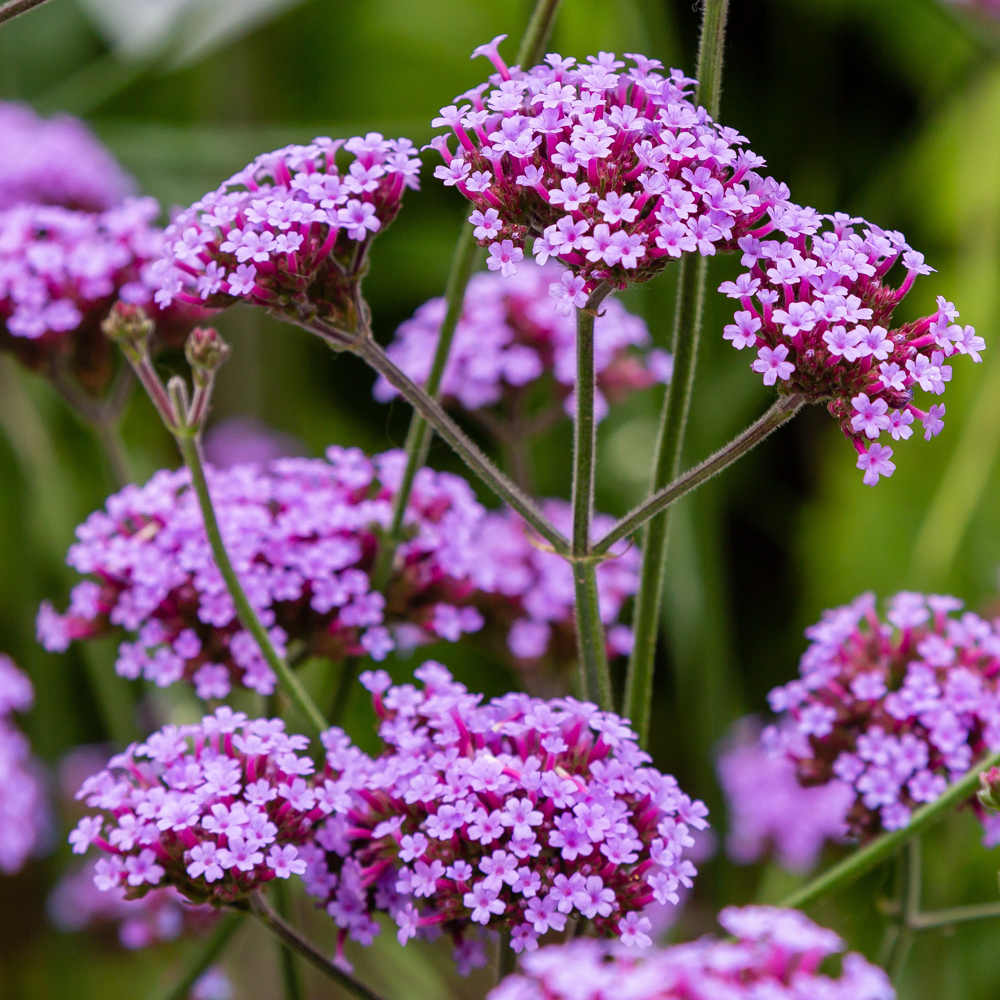
Roses thrive in vibrant gardens, and incorporating verbena as a companion plant adds both beauty and functionality. Verbena benefits roses by covering bare branches with colorful blooms and attracting beneficial insects. For optimal verbena care, ensure full sun and well-drained soil, allowing it to thrive alongside your roses. This pairing extends the flowering season while enhancing your garden’s overall aesthetics, making it an excellent choice for enhancing aesthetics through complementary colors and textures.
9. Delphinium

When planning a vibrant garden, incorporating delphiniums alongside roses can create a stunning visual impact. For optimal delphinium care, ensure these plants are spaced 12 to 18 inches from roses to prevent competition. I recommend selecting non-aggressive delphinium varieties. They thrive in full sun and well-drained, moist soil, needing support as they grow tall, enhancing your garden’s structural beauty. Additionally, delphiniums are known for their attractive colors which can beautifully complement the hues of your roses.
10. Allium

Allium plants, with their striking appearance and beneficial properties, serve as excellent companions for roses in any garden. Varieties like garlic and onions repel pests while enhancing soil quality. Proper Allium care includes planting bulbs in fall, ensuring well-drained soil, and placing them away from roses to prevent competition. Their vibrant flowers not only beautify but also attract beneficial insects, improving overall garden health. The combination of Allium Mount Everest with roses invites viewer exploration beyond the immediate blooms.
11. Speedwell
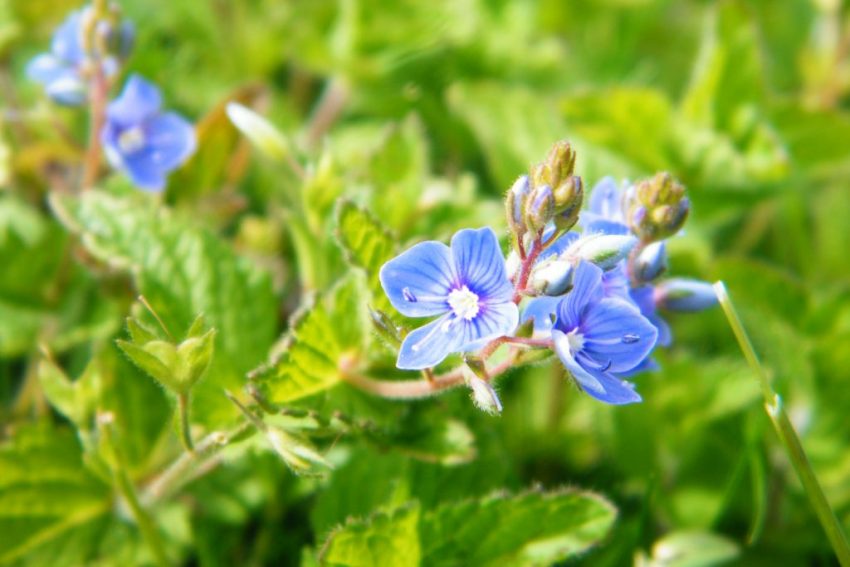
Although many plants can complement roses, Speedwell stands out due to its striking lavender-blue flowers and robust growth. Its numerous speedwell benefits include attracting pollinators and acting as a living mulch, reducing weeds. For optimal speedwell maintenance, plant it in well-drained soil with ample sunlight, water regularly, and space plants 12-18 inches apart to thrive alongside your roses beautifully. This perennial plant thrives in USDA Hardiness Zones 4-8, making it a resilient choice for diverse gardens.
12. Ornamental Grasses

Ornamental grasses may enhance the beauty of rose gardens, but ornamental grasses also play a significant role in companion planting.
Their varied heights and forms create visual interest and texture, complementing roses beautifully. Additionally, their deep-reaching roots help stabilize the soil, preventing erosion around your rose plants.
Ornamental grasses benefits include low maintenance and drought resistance.
I love using varieties like prairie dropseed along borders, while larger grasses can obscure unsightly features, highlighting the roses effectively.
13. Chives
:strip_icc()/cluster-of-chives-3dae2330-a75bba02c6bd4b30bf42336bb4b4d0ae.jpg)
When I think about enhancing my rose garden, chives immediately come to mind as a stellar companion plant.
Their benefits include deterring aphids and reducing black spot disease while attracting beneficial insects. Chives improve rose health and bloom quality, thrive in similar conditions, and add aesthetic appeal with their purple blossoms. Additionally, chives have a natural ability to repel pests like aphids, making them an effective pest deterrent.
14. Fennel

Chives make a fantastic companion for roses, but fennel presents a different scenario. Fennel’s allelopathic properties can lead to fennel growth inhibition, negatively impacting rose health. Although fennel attracts beneficial insects for pest control, the potential disruption to roses outweighs this benefit. It’s best to plant fennel at least 4 to 5 feet away to protect your roses’ well-being and fragrance. Additionally, fennel prefers full sun and well-drained soil, which can create competition for resources with nearby roses if planted too close.
15. Hyssop

Hyssop, with its vibrant blooms and aromatic foliage, stands out as an excellent companion for roses. Its similar growth requirements ensure harmonious cultivation. I love how hyssop benefits rose health by attracting beneficial insects, repelling pests, and providing ground cover. Additionally, hyssop is drought-tolerant, making it a resilient choice for various garden conditions. Plant it 12 to 18 inches away from roses, and you’ll enjoy a thriving, visually appealing garden with minimal maintenance.