
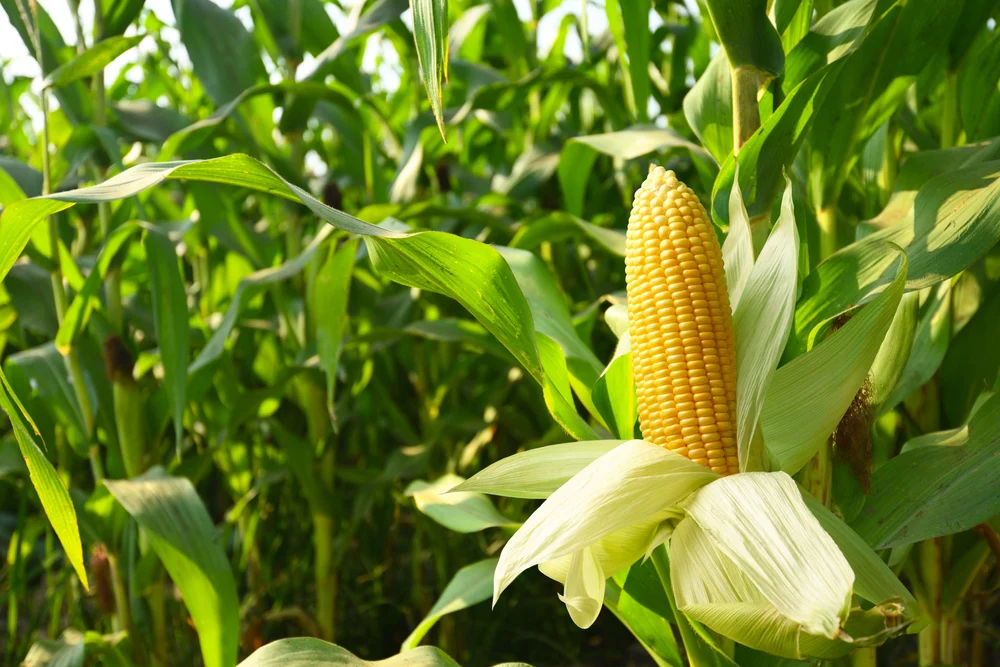
When I’m companion planting corn, I recommend including beans, peas, and peanuts for their nitrogen-fixing abilities. Alfalfa and sweet potatoes help improve soil health and keep pests at bay. I also like marjoram and borage for attracting beneficial insects, which boosts pollination. Nasturtiums serve as excellent trap crops, protecting corn from pests, while sweet peas provide additional nitrogen. Squash and melons are great for moisture retention, while cucumbers utilize corn for support. Lastly, sunflowers attract more pollinators. Each of these plants contributes uniquely to a thriving garden ecosystem, and there’s so much more to explore about their benefits.
1. Beans
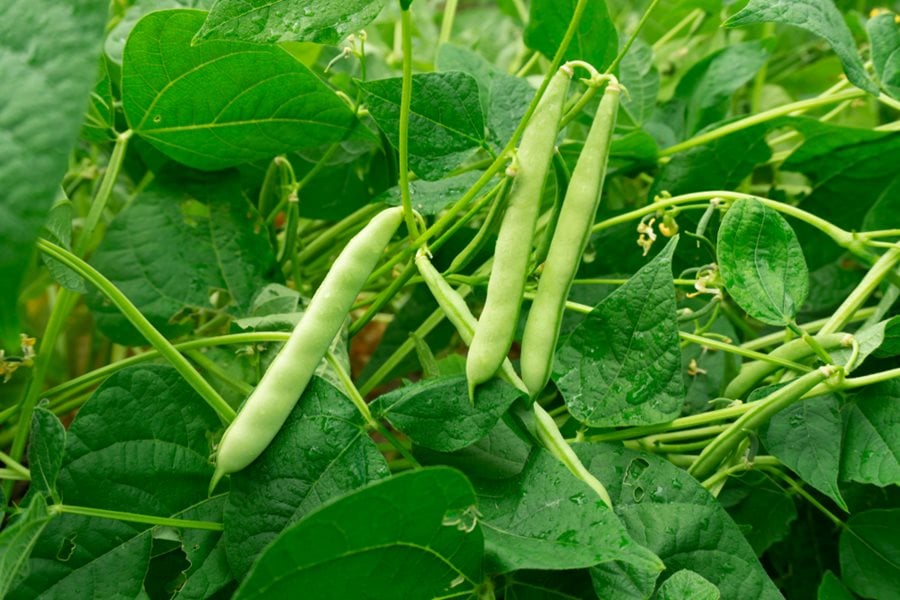
When you plant beans alongside corn, you’re not just creating a visually appealing garden; you’re also enhancing the health and yield of both crops. The nitrogen benefits from bean varieties like pole beans enrich the soil, supporting corn growth. Plus, the corn provides necessary support for the beans to climb, maximizing space and promoting a thriving ecosystem in your garden. This symbiotic relationship is a classic example of companion planting that maximizes space by growing multiple crops together. Additionally, the use of organic fertilizers can further improve soil fertility, ensuring that both crops receive the essential nutrients they need for optimal growth.
2. Peas
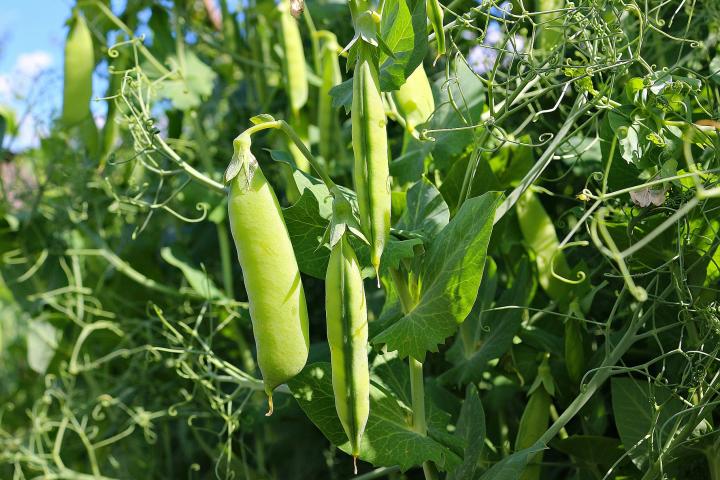
Peas are nitrogen-fixing legumes, enriching the soil for corn. They climb the corn stalks, enjoying trellising benefits, while the corn provides afternoon shade. This partnership enhances soil health by improving nutrient availability for both crops. Additionally, the improved soil structure from the interaction of these plants can lead to better moisture retention and root penetration.
3. Peanuts

After exploring the benefits of planting peas alongside corn, let’s consider another intriguing companion: peanuts.
While intercropping can boost economic returns, it may reduce peanut yield due to shading. Practicing peanut rotation with crops like corn helps combat peanut diseases and pests, enhancing overall health. This strategy can significantly decrease root-knot nematodes, ensuring more robust peanut production in the long run. Additionally, peanuts thrive in full sun exposure, which makes careful planning essential when choosing companion plants. To ensure optimal growth, it’s important to consider the nutrient mix required for peanuts, as they benefit from balanced fertilization similar to other crops.
4. Alfalfa

Though many may overlook alfalfa as a companion for corn, interseeding it can offer significant benefits for both crops.
Alfalfa management involves planting it alongside corn in spring, ensuring good soil conditions and drainage. This partnership helps prevent soil erosion and enhances nutrient retention. Additionally, both crops can contribute to better forage quality, making this combination advantageous for dairy farmers. The use of chicken manure as a fertilizer can further support the growth of both alfalfa and corn, promoting healthy soil.
While total-season alfalfa yield may drop, short-term forage yield can significantly improve, providing lasting advantages.
5. Sweet Potatoes
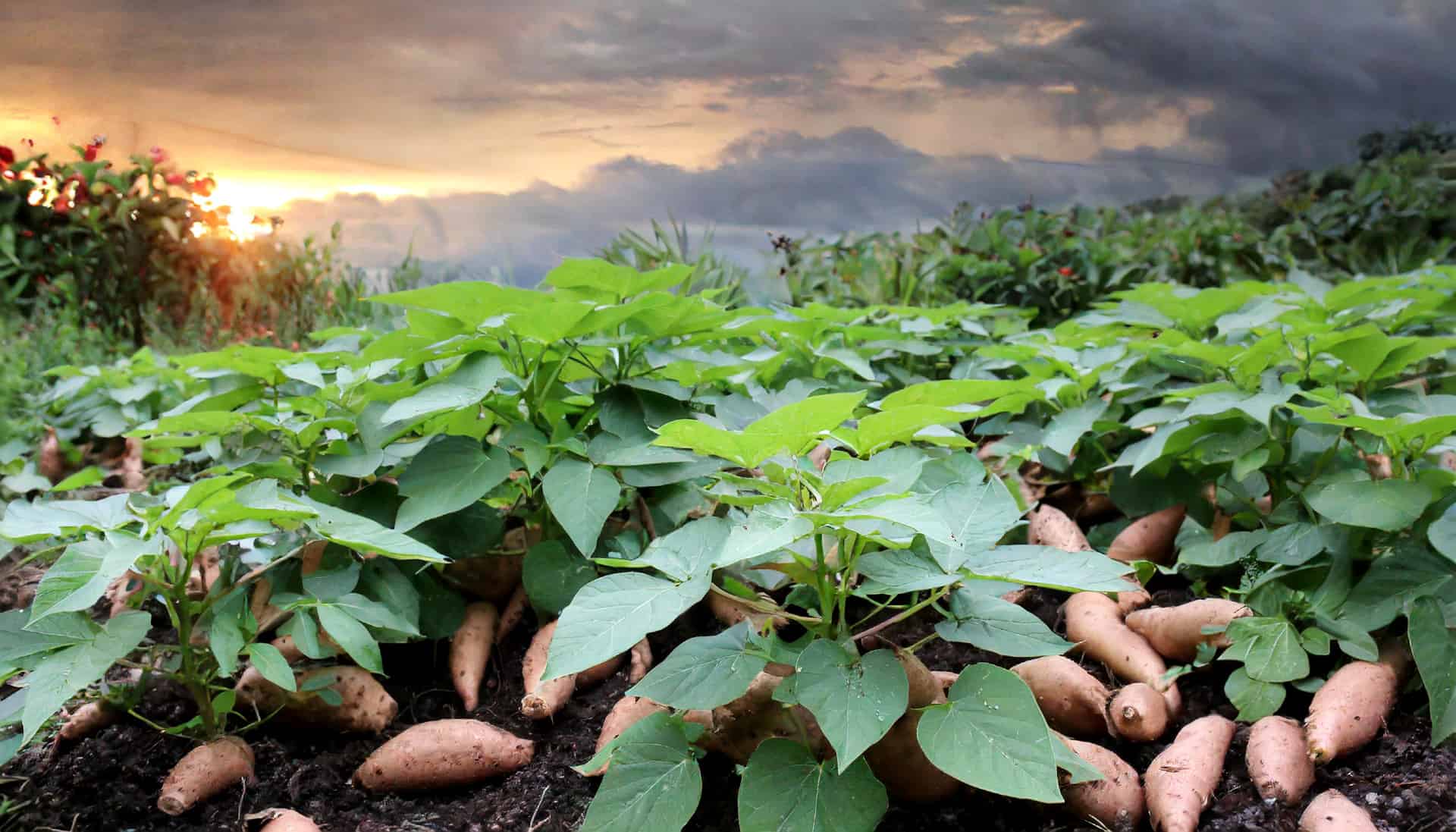
Sweet potatoes can be an intriguing companion for corn, offering unique benefits when planted together. They help with soil conservation and pest mitigation, providing sweet potato benefits that enhance corn growth. Additionally, companion planting with sweet potatoes can improve overall soil health, which is crucial for both crops. However, sweet potato challenges arise from competition for nutrients and water. To succeed, I recommend planting sweet potatoes early and using a checkerboard pattern to manage space effectively.
6. Squash

While the Three Sisters method celebrates the synergy of corn, beans, and squash, I find that squash plays a vital role in this trio. Its broad leaves not only provide shade and retain moisture but also deter squash pests and other critters. Additionally, squash acts as living mulch, helping to suppress weeds and maintain soil moisture levels.
7. Melons
:max_bytes(150000):strip_icc()/how-to-grow-watermelons-1403491-hero-2d1ce0752fed4ed599db3ba3b231f8b7.jpg)
Melon varieties thrive when planted near corn, as their vines shade the soil, retain moisture, and deter pests. In companion gardening, they contribute to a healthy ecosystem while benefiting from corn’s structure and beans’ nitrogen. Additionally, melons can enhance soil nutrients through complementary plant relationships.
8. Pumpkins
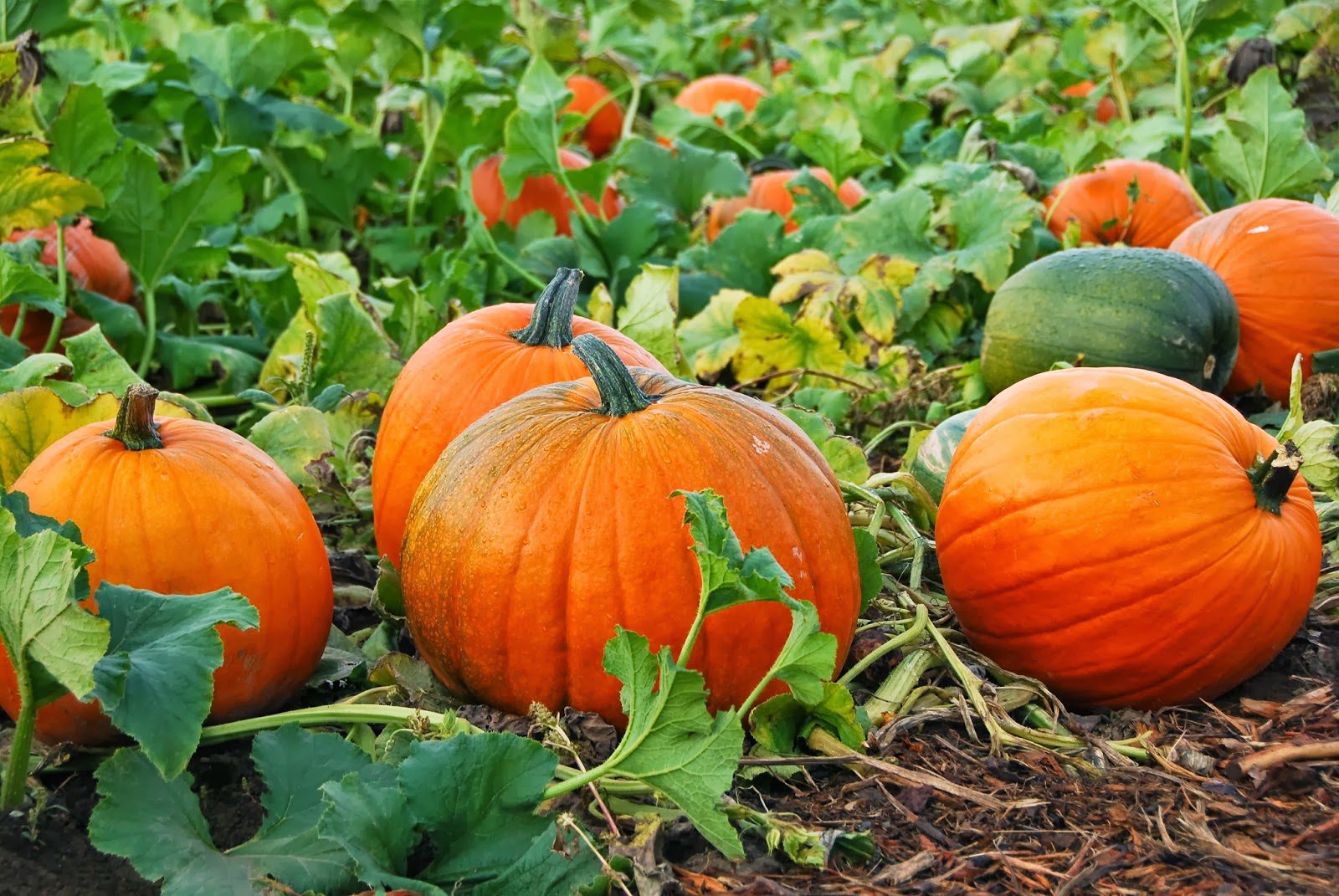
Pumpkins are a fantastic addition to your corn garden, especially when you use a strategic planting approach.
I recommend planting pumpkin varieties like Long Pie on every third corn mound, ensuring they sprawl effectively. This not only shades the soil but also deters pumpkin pests and helps keep weeds at bay. Additionally, the sprawling nature of pumpkins can help control weeds and maintain soil temperature.
Plus, those corn stalks provide perfect support for your pumpkins!
9. Cucumbers
:max_bytes(150000):strip_icc()/companion-plants-for-cucumbers-2540044-16-d691b5c0f19f44a8b1303e805be9c99d.jpg)
If you want to enhance your corn garden, consider incorporating cucumbers as companion plants.
They thrive alongside corn, using the stalks as natural trellises, which keeps fruits off the ground. This setup reduces cucumber diseases and conserves moisture. Companion planting enhances growth for both crops, leading to healthier plants and better fruit quality.
I recommend trying different cucumber varieties, ensuring you space them 6-8 inches apart for optimal growth and pest control.
10. Sunflowers

While sunflowers might seem like a decorative addition to your corn garden, they actually offer numerous benefits that can enhance the overall health and productivity of your plants. Various sunflower varieties provide shade for squash and beans, attract pollinators, and deter pests. Additionally, planting sunflowers alongside corn complements the traditional Three Sisters planting method. Plus, you’ll enjoy an extra harvest of nutritious sunflower seeds, making them an excellent companion plant for corn.
11. Dill
:strip_icc()/bouquet-dill-anethum-graveolens-0c73caf8-720b3c5377bd4375a77b33858c276d55.jpg)
Dill is an exceptional companion plant for corn, offering a range of benefits that can significantly enhance your garden’s productivity. Various dill varieties attract beneficial insects while repelling pests like aphids. Additionally, dill’s ability to accumulate soil minerals improves soil health and can even enhance the flavor of sweet corn. Together, they thrive in warm weather, creating a productive and harmonious garden.
12. Marjoram
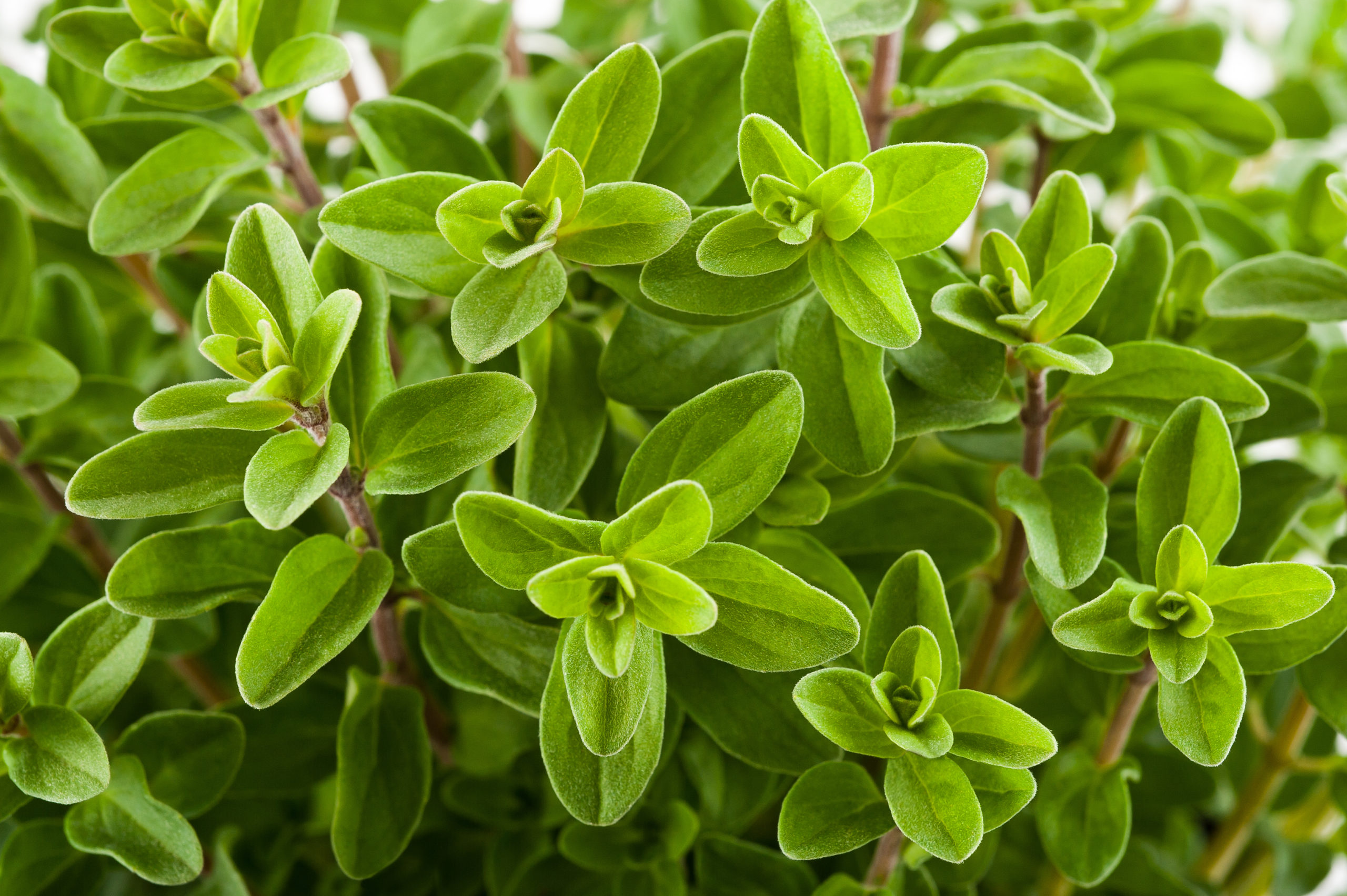
Marjoram stands out as a fantastic companion plant for corn, bringing a host of benefits that can elevate your gardening experience.
Its fragrant scent effectively repels corn pests like aphids and whiteflies, reducing the need for chemical pesticides. Moreover, marjoram thrives in corn’s shade, improving soil health and promoting biodiversity. By enhancing soil structure, marjoram contributes to a more robust and productive garden environment.
With marjoram, you’ll enjoy healthier crops and a more balanced garden ecosystem.
13. Borage

Borage is an exceptional companion plant for corn, offering numerous advantages that can enhance your garden’s productivity.
I love how borage attracts beneficial insects like bees, improving pollination. Its ability to repel pests, such as tomato and cabbage worms, adds to its borage benefits. Additionally, borage contributes to soil health by enhancing nutrient availability and improving soil structure.
Plus, borage cultivation is easy; it thrives in sunny spots and enriches the soil, supporting overall plant health.
14. Nasturtiums

Nasturtiums are a vibrant addition to any corn garden, offering a wealth of benefits that can enhance both your plants and the surrounding ecosystem.
They attract pollinators and beneficial insects, promoting healthy growth. With varieties that thrive in poor soil, they repel pests like aphids and cucumber beetles. Additionally, Nasturtiums act as a trap crop, drawing pests away from corn and further supporting plant health.
Utilizing Nasturtium benefits can reduce the need for chemical pesticides, making your garden more sustainable.
15. Sweet Peas

After exploring the benefits of Nasturtiums, let’s consider another fantastic companion for corn: sweet peas.
These charming plants fix nitrogen from the atmosphere, enriching the soil for corn, which is a heavy feeder. Moreover, sweet peas also enhance soil nitrogen levels as they grow, further benefiting the corn plants.
Plus, sweet peas thrive by climbing up corn stalks, providing climbing support.
Together, they create a vibrant garden ecosystem while reducing the need for chemical fertilizers.