

When companion planting bush beans, I’ve found several beneficial plants that enhance growth and deter pests. Summer savory and upright dill not only repel harmful insects but also attract pollinators. Cilantro benefits from nitrogen fixation, while radishes improve soil structure. Arugula enjoys the shade bush beans provide, helping retain moisture. I also recommend adding borage and marigold for their pest-deterrent properties. Oats can enhance soil health through organic matter, while keeping sunflowers at a distance is crucial to avoid competition. Each plant works best with careful consideration of their interactions, and there’s much more to discover about effective combinations.
1. Summer Savory
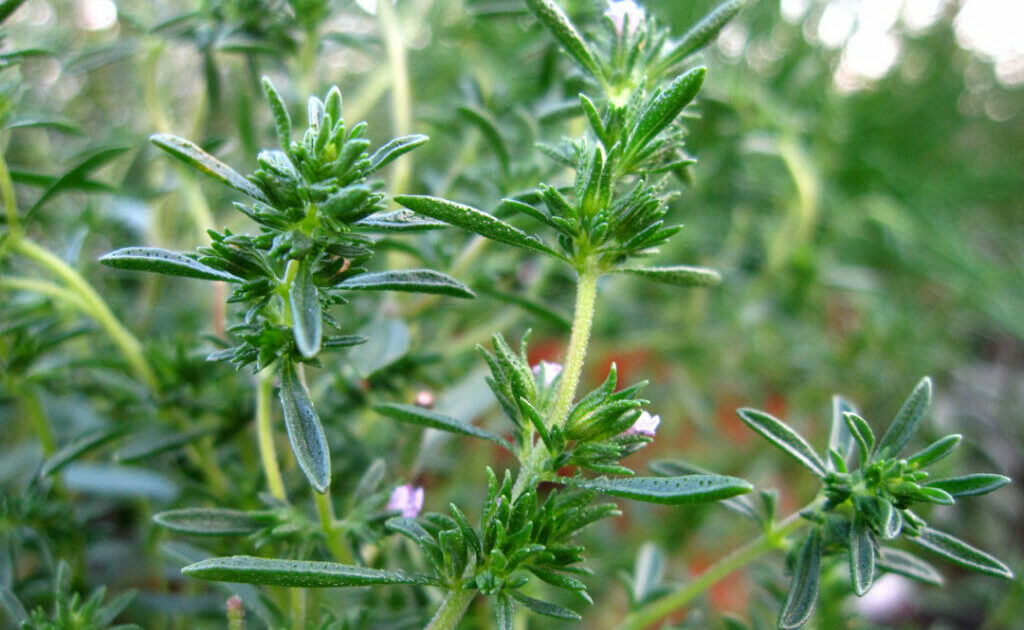
As I explore the benefits of companion planting, I find that summer savory stands out as an exceptional partner for bush beans. Its summer savory benefits include deterring pests like bean flies and enhancing bean flavor. Additionally, summer savory’s distinctive peppery flavor enhances the overall taste of dishes when used in conjunction with bush beans. For optimal summer savory maintenance, I ensure it receives full sun, well-draining soil, and regular watering, while pruning encourages healthy growth and keeps the plant manageable. Furthermore, planting diverse flowering plants alongside bush beans can help attract beneficial pollinators that enhance garden health.
2. Upright Dill

Upright dill serves as a valuable companion plant for bush beans, offering a range of benefits that enhance both plant health and garden productivity.
It provides growth stimulation by attracting pollinators and repelling pests like cabbage loopers and bean beetles, which aids in effective pest management. Additionally, this relationship promotes biodiversity in the garden ecosystem, allowing for a more resilient growing environment. Furthermore, incorporating organic fertilizers into your gardening practices can further enhance soil health and support the thriving relationship between the plants.
Regular pruning is essential to prevent mature dill from stunting bush beans, ensuring a thriving garden ecosystem.
3. Cilantro

Cilantro brings a wealth of benefits to the garden, especially when paired with bush beans. The nitrogen fixed by beans enriches the soil, enhancing cilantro’s growth. Additionally, cilantro’s scent deters pests and attracts beneficial insects. With bush beans providing shade, cilantro can thrive longer without bolting. Companion planting fosters beneficial plant relationships, leading to healthier cilantro plants. Furthermore, the presence of healthy soil promotes microbial balance, which is essential for maximizing nutrient absorption and overall plant health. I love using cilantro in recipes like salsa and salads, showcasing its vibrant flavor!
4. Arugula

Arugula, with its distinct peppery flavor, thrives in the garden when paired with bush beans. This combination enhances soil health, as bush beans fix nitrogen, benefiting arugula’s growth. Additionally, this companion planting method promotes biodiversity and can help deter pests naturally. Incorporating organic matter into the soil, such as compost, can further improve nutrient levels for both plants.
For optimal results, plant arugula in partial shade from bush beans to retain moisture. Rich in vitamins, arugula’s health benefits make it a nutritious choice for salads. Remember to harvest regularly for prolonged yields!
5. Radish

When considering companion planting, radishes stand out as an excellent choice for bush beans due to their numerous benefits. Their quick growth allows me to harvest them before they compete with beans, while their flowers attract beneficial insects and repel radish pests like cucumber beetles. Additionally, radishes help loosen the soil, benefiting the overall health and growth of bush beans in my garden. Furthermore, radishes can fix nitrogen in the soil, which enhances nutrient availability for the bush beans.
6. Potatoes

Although potatoes thrive in rich, well-drained soil, their growth can be significantly enhanced through companion planting with bush beans. The nitrogen benefits from bush beans improve soil health, promoting robust potato development. Additionally, bush beans aid in pest management by distracting pests that may target potatoes. This strategic pairing not only maximizes space but also allows for an efficient harvest cycle. Natural pest control strategies further enhance the effectiveness of this companion planting approach, reducing reliance on chemical pesticides.
7. Corn
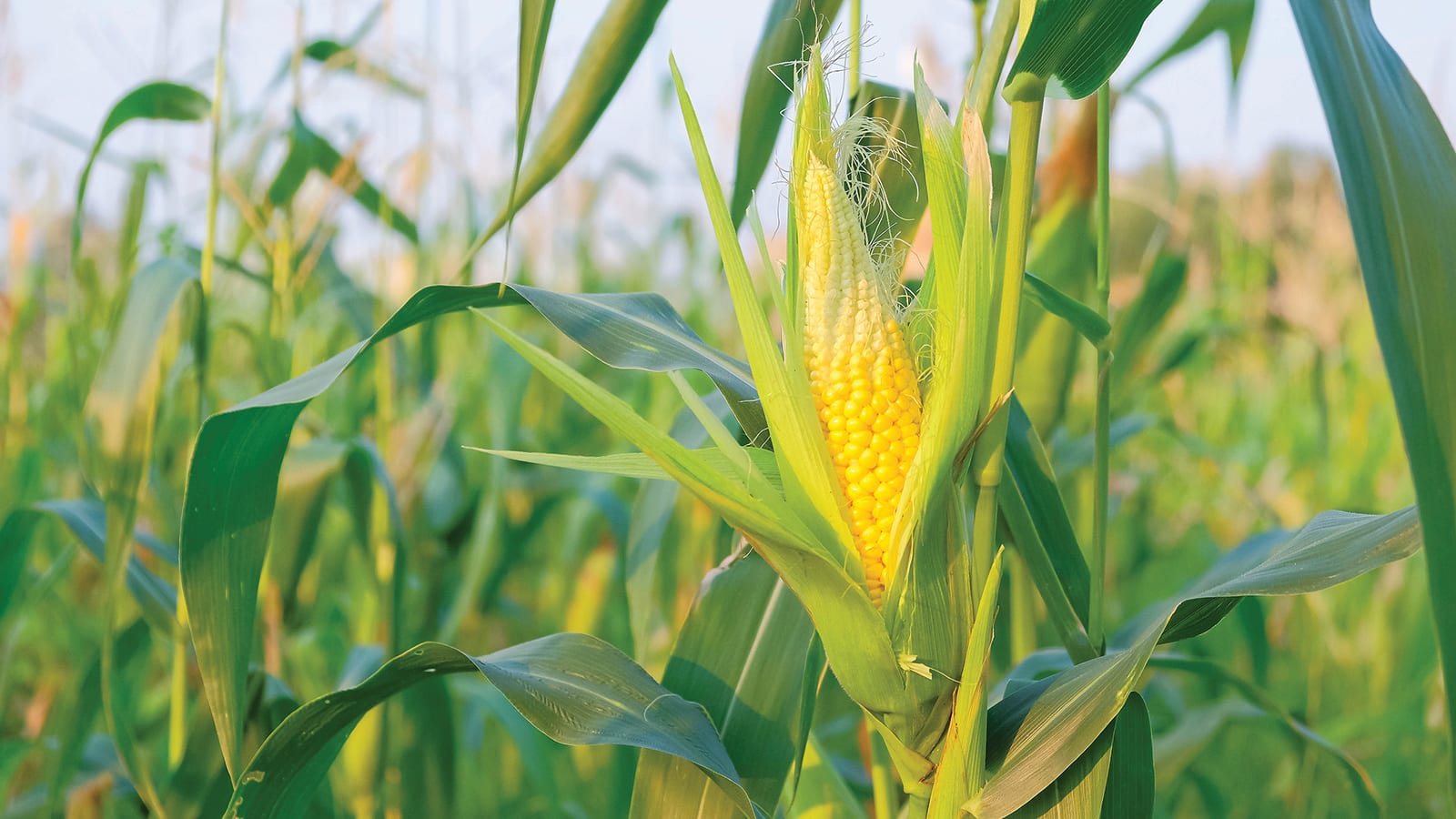
While considering companion planting options, you can’t overlook the remarkable synergy between corn and bush beans. Certain corn varieties thrive by benefiting from the nitrogen fixed by bush beans, enhancing soil fertility. Additionally, corn stalks provide natural support for bush beans, optimizing space. This partnership not only aids in increasing crop yield but also fosters a more resilient garden ecosystem. Proper corn maintenance, like planting it first and ensuring adequate spacing, maximizes this beneficial relationship for healthier crops.
8. Squash
After exploring the benefits of corn in companion planting, squash emerges as another remarkable partner for bush beans.
Squash acts as living mulch, retaining moisture and deterring weeds. When planting, I space squash varieties about eighteen inches apart, placing them around the mound after the beans reach six inches. This arrangement allows squash to provide shade while controlling pests effectively. Additionally, squash covers the ground with large leaves, which helps suppress weeds and maintain soil moisture.
9. Onions
:max_bytes(150000):strip_icc()/GettyImages-518210398-119be9f99a6d41ea9cfd26b7888ea772.jpg)
When considering companion planting for bush beans, it’s crucial to recognize that onions actually pose several challenges. Onions can stunt bean growth and compete for nutrients, negatively affecting bean compatibility. Their strong scent doesn’t benefit beans and can introduce diseases. Companion planting enhances growth by introducing plants that support healthy bean growth and deter pests more effectively. For better results, I recommend planting radishes or basil instead, as they support healthy bean growth and deter pests more effectively.
10. Cucumbers
:max_bytes(150000):strip_icc()/companion-plants-for-cucumbers-2540044-16-d691b5c0f19f44a8b1303e805be9c99d.jpg)
Companion planting with cucumbers offers a fantastic opportunity to create a thriving garden ecosystem. By pairing bush beans with various cucumber varieties, I maximize yields and enhance soil health through nitrogen fixation. Proper cucumber spacing allows both plants to flourish without competition. This combination not only boosts biodiversity but also minimizes pests, creating a resilient environment for my garden’s growth. Additionally, cucumbers benefit from the enhanced nitrogen levels provided by bush beans, further supporting their growth.
11. Comfrey
:max_bytes(150000):strip_icc()/growing-comfrey-1402605_01-b3604df2aac145dc99bfe9bcde612dd1.jpg)
While many plants struggle to thrive in poor soil, comfrey stands out as a powerhouse in the garden, thanks to its deep root system that efficiently extracts nutrients from beneath the surface. The comfrey benefits include weed suppression and a significant biomass addition for composting. Additionally, comfrey is known for its ability to improve soil fertility by acting as a natural fertilizer when its leaves decompose.
12. Borage

Borage serves as a remarkable companion plant, offering numerous advantages that enhance both soil quality and plant health. Its Borage benefits include attracting beneficial insects like bees and repelling pests such as tomato and cabbage worms. Additionally, this plant enhances the flavor and growth of strawberries, which can be beneficial if you are cultivating diverse crops in your garden. For optimal Borage care, ensure it receives full sun, well-drained soil, and consistent moisture. Plus, it enriches the soil with essential trace minerals, supporting bush beans effectively.
13. Marigold
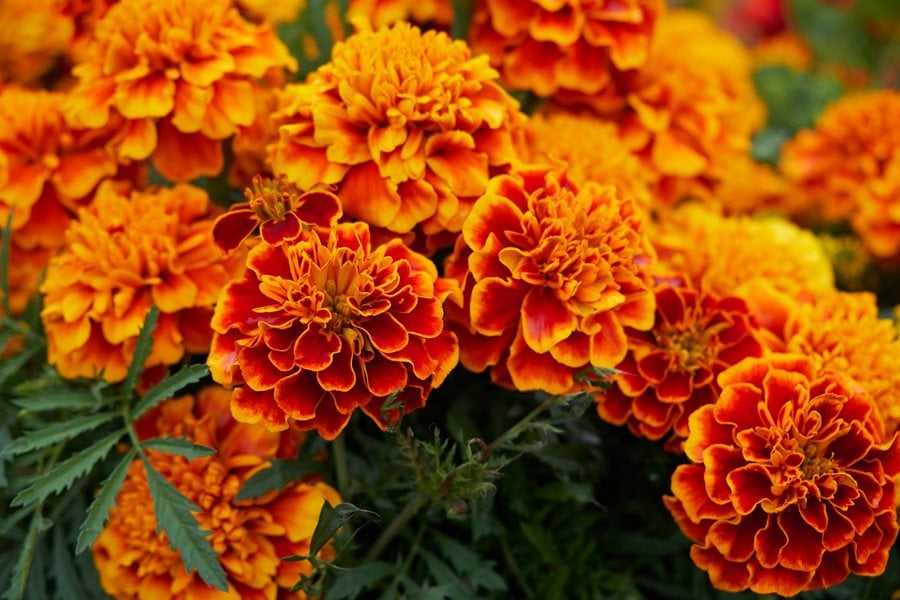
Incorporating marigolds into your garden can significantly boost the health and productivity of bush beans.
The marigold benefits include pest deterrence, as they repel harmful insects like Mexican bean beetles and attract beneficial pollinators. Regular deadheading promotes continuous blooming, ensuring marigolds thrive throughout the growing season.
For effective marigold planting, intersperse them with bush beans or alternate rows, optimizing space while enhancing biodiversity and maintaining soil health in your garden.
14. Oats

Oats serve as a remarkable companion crop for bush beans, offering numerous agronomic benefits that enhance garden productivity. Different oat varieties excel in erosion control, maintaining soil structure, and suppressing weeds. Through oat cultivation, I’ve noticed improved nutrient regulation, which balances soil health and supports nitrogen-fixing beans. This combination fosters a thriving garden ecosystem, making oats an invaluable partner for bush beans. Additionally, oats help improve soil quality by increasing organic matter as they decompose, further benefiting the overall garden environment.
15. Sunflowers

While oats provide excellent support for bush beans, sunflowers present a more challenging pairing.
Their towering height can lead to sunflower shading, restricting sunlight for the beans. Additionally, sunflowers compete for nutrients and water, which can hinder bush bean growth. Beans are nitrogen-fixing, enriching the soil and benefiting their companions, making it essential to choose compatible plants for optimal garden health.
For a more compatible companion, consider planting beets or Brussels sprouts, as they won’t interfere with the bush beans’ development.